Best areas to stay in Curaçao for a luxury suite experience
Willemstad and the inner harbor
The island's capital is a UNESCO World Heritage Site, recognized for its Dutch colonial architecture along the Handelskade waterfront. The pastel-colored facades lining the Sint Annabaai channel are among the most architecturally coherent streetscapes in the Caribbean. Staying within or adjacent to Willemstad places guests in direct contact with the island's cultural and historical density: the Floating Market, the Mikvé Israel-Emanuel Synagogue (one of the oldest in continuous use in the Western Hemisphere), and the Punda and Otrobanda districts, which function as distinct urban neighborhoods. Luxury suites in converted merchant houses or boutique properties here offer an urban Caribbean experience that is rare and precise.
The western peninsula and private coastlines
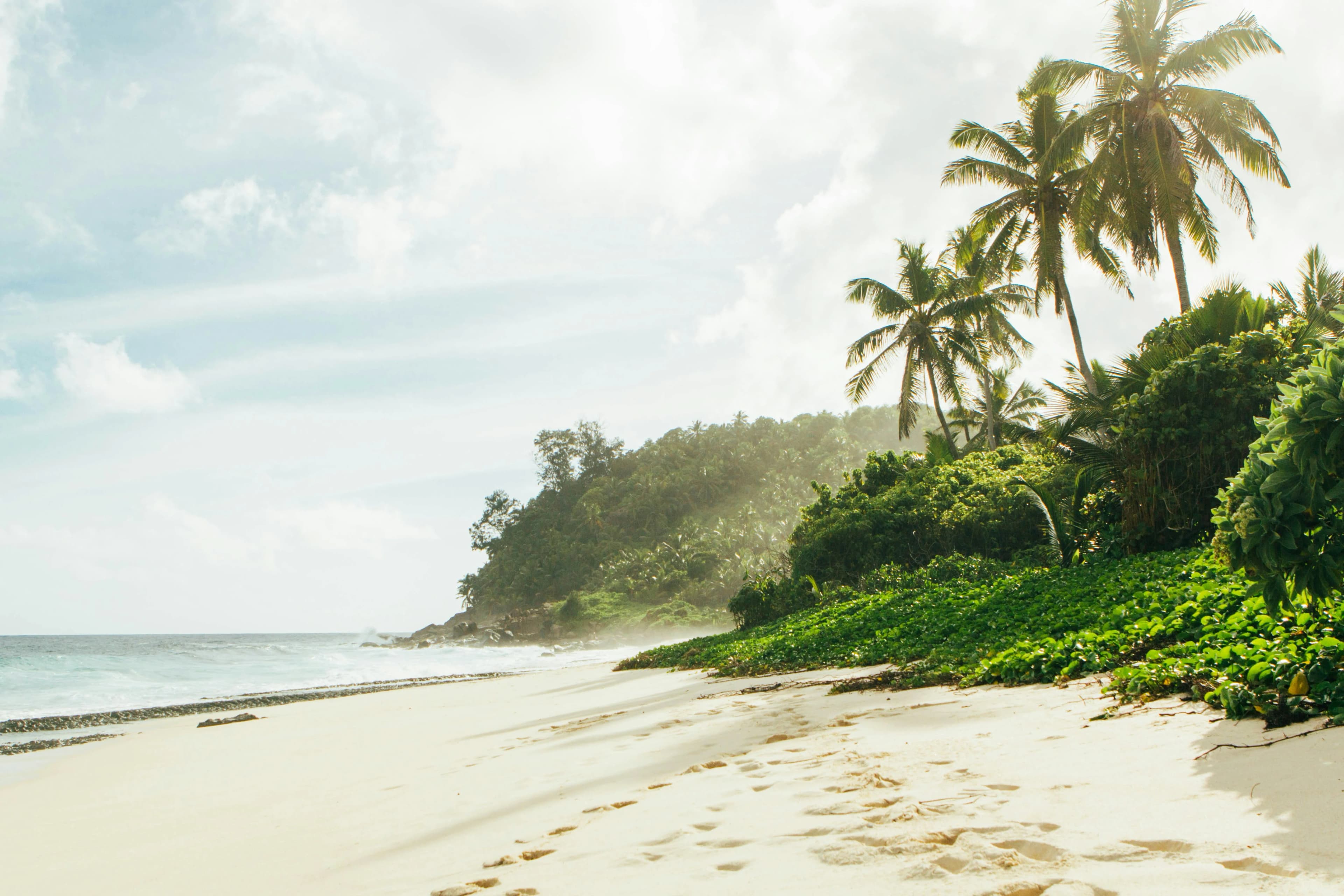
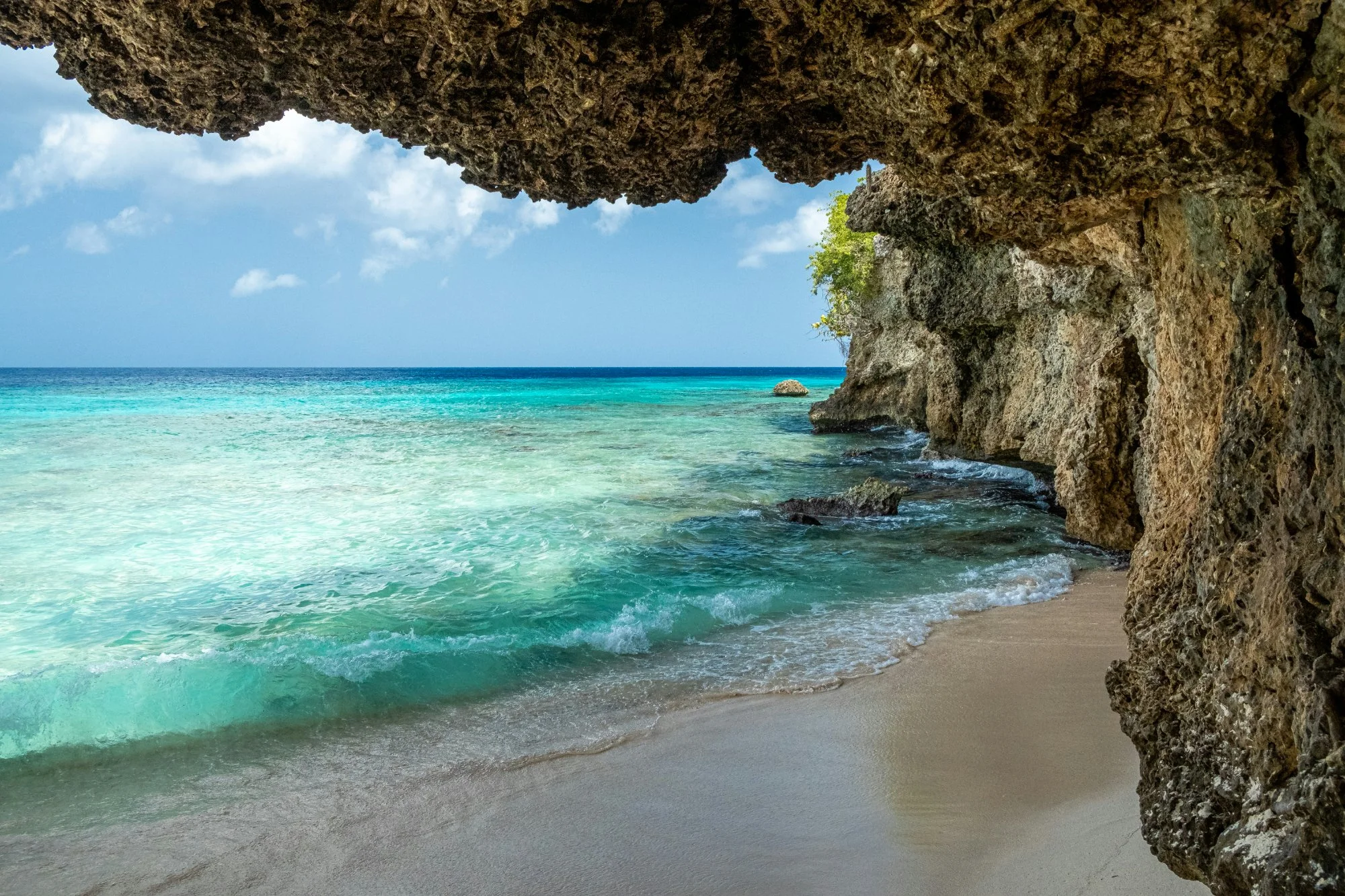
The western tip of Curaçao, toward Westpunt, is where the island's coastline reaches its most dramatic form. Limestone cliffs, sheltered coves, and near-deserted beaches define this stretch. Playa Kalki and Grote Knip are among the most photographed beaches on the island, and the area attracts serious divers. Properties in this zone tend toward the resort format, with direct beach or reef access and suites designed around outdoor living. The pace is slower, the population density lower, and the sense of privacy considerably more pronounced.
Jan Thiel and the southeast coast
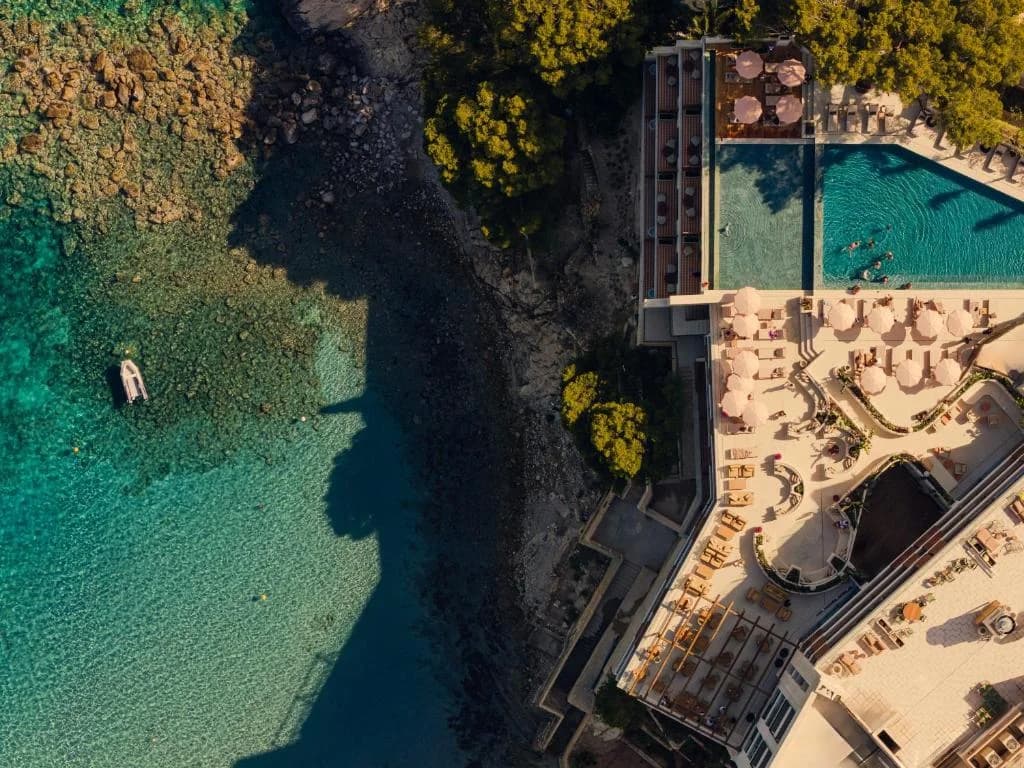
The southeast corridor, centered around Jan Thiel Bay, functions as the island's lifestyle hub. Beach clubs, marinas, and a concentration of contemporary hospitality infrastructure make this zone the most socially active part of the island outside Willemstad. Luxury hotel suites here tend to feature modern architecture, pool access, and proximity to the island's dining scene. For travelers who want ease of movement and a more animated environment, the southeast is the natural base.
When to visit Curaçao for a high-end suite stay
Curaçao sits outside the Atlantic hurricane belt, which gives it a year-round viability that most Caribbean islands cannot claim. The island receives approximately 2,700 hours of sunshine annually and is positioned below the primary hurricane track, making it statistically one of the most weather-stable destinations in the region.
The dry season runs from January through August, with the most consistent conditions between February and May. This window aligns with peak demand for luxury suites, so early reservation planning is advisable. The Curaçao Carnival, one of the most elaborate in the Dutch Caribbean, takes place in January and February. It draws significant regional attendance and creates a culturally rich context for travel, though accommodation availability tightens considerably during peak parade weekends.
The so-called rainy season, from September through November, brings occasional short-duration showers but rarely disrupts travel in any meaningful way. This period offers quieter conditions, more competitive pricing, and the same clarity of water that defines the island throughout the year. Divers in particular often prefer the shoulder season for reduced boat traffic around the island's reef systems.
Local luxury standards: what to expect from top-tier suites in Curaçao
Curaçao does not operate within a formal national luxury classification system comparable to the French Palace designation or Thailand's star-graded resort structure. Quality assessment relies primarily on international hotel classification standards and the operational standards of the brands present on the island.
The most considered luxury properties on the island tend to fall into two categories. The first is the adaptive reuse of colonial-era plantation estates, known locally as landhuizen. These historic country houses, some dating to the seventeenth century, have been converted into boutique properties that offer architectural authenticity and spatial generosity. Suites within a landhuis setting typically feature thick coral stone walls, high ceilings, and gardens that predate the structure by generations.
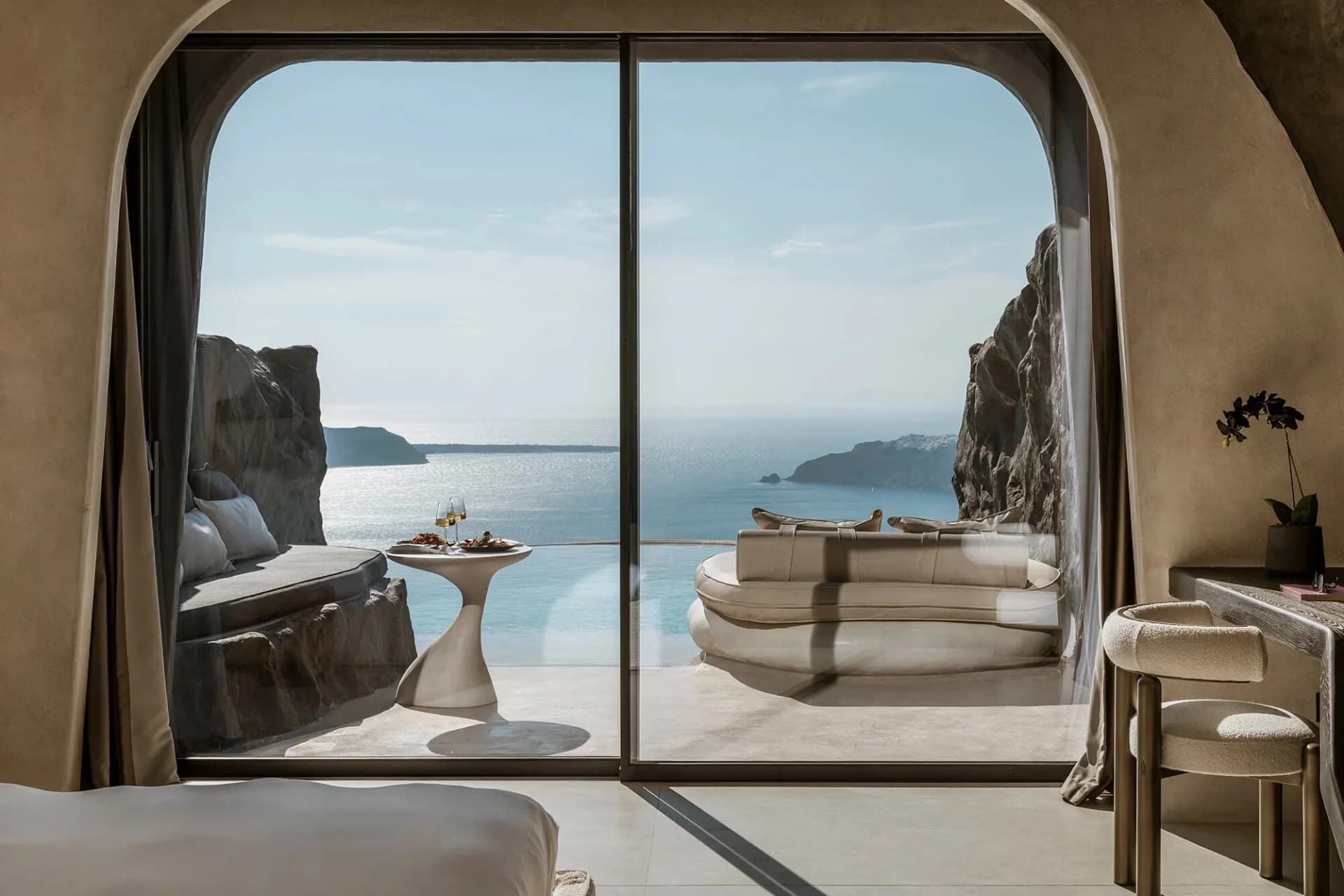
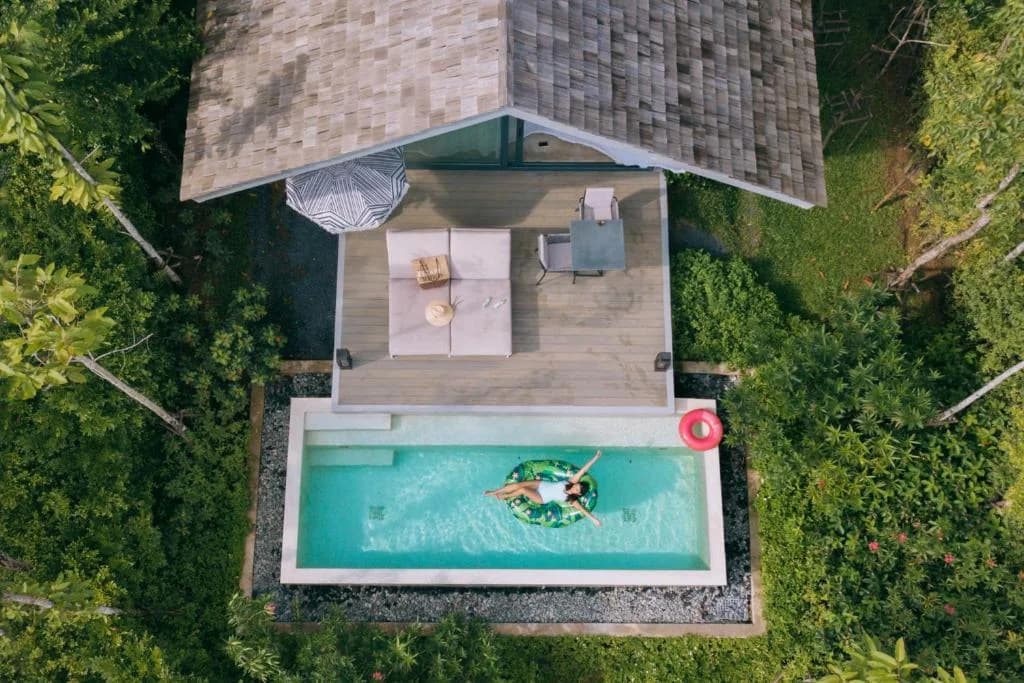
The second category is the purpose-built resort, often affiliated with an international brand, offering full-service amenity stacks: private plunge pools, overwater or clifftop positioning, spa facilities drawing on both Dutch and Caribbean wellness traditions, and dedicated butler or concierge infrastructure. These properties are engineered for comfort and consistency, with suites measured in square footage and amenities catalogued precisely.
What distinguishes Curaçao from comparable Caribbean destinations is the cultural layering available beyond the resort perimeter. The island's population reflects a mix of Dutch, Afro-Caribbean, Latin American, and Sephardic Jewish heritage, and this pluralism is legible in the food, architecture, and social life of the island in ways that purely resort-focused Caribbean destinations cannot replicate.
How to choose the best luxury suite in Curaçao
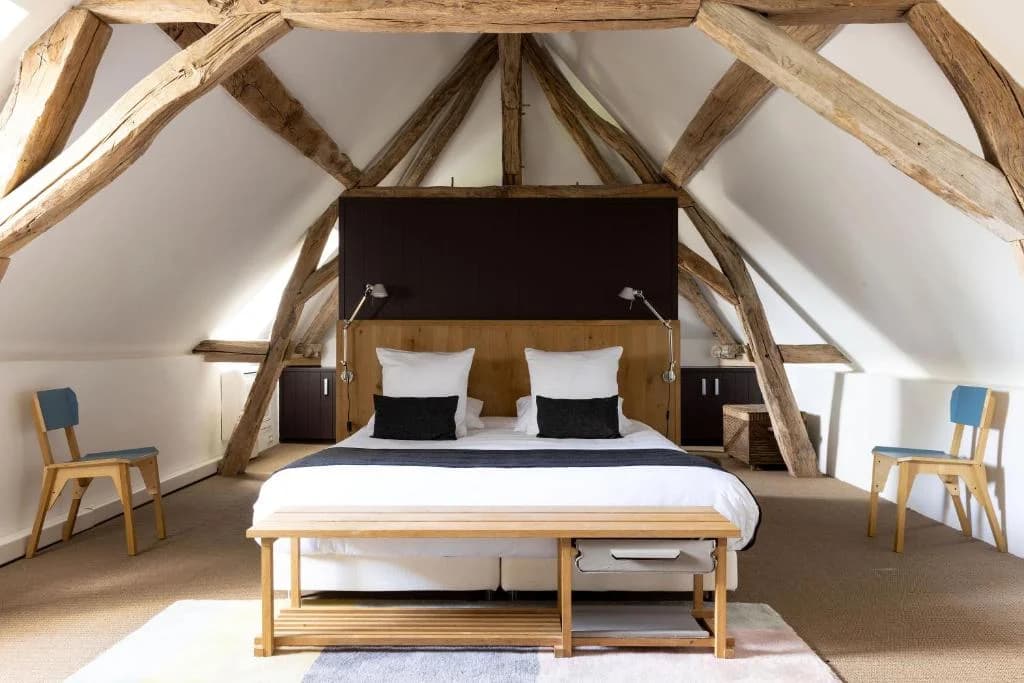
The primary decision axis for suite selection in Curaçao is architectural character versus amenity completeness. Colonial or heritage properties offer spatial and cultural richness but may carry the operational constraints inherent to historic structures. Contemporary resort properties deliver predictable service standards and engineered comfort, but may offer less connection to the island's distinct identity.
A second axis is location relative to the sea. Curaçao's reef systems begin close to shore in many areas, which means snorkeling and diving access can be evaluated as a specific suite-level amenity rather than a general property feature. Suites with direct steps-to-reef access command a material premium and are worth identifying early in the selection process.
Consider also the directional orientation of outdoor spaces. The island's prevailing trade winds come from the east, and properties on the leeward (western and southern) coastlines offer calmer water and more consistent outdoor comfort. Windward-facing suites may offer dramatic views but more variable conditions for terrace use.
For travelers combining Curaçao with neighboring islands such as Aruba or Bonaire (the three islands form the ABC group), logistics between properties should be factored into the suite selection process. Curaçao's Hato International Airport connects reliably to both islands via short regional flights.
Why a curated selection by La Suite matters in Curaçao
Curaçao's luxury hospitality landscape is smaller and more varied than that of larger Caribbean markets, which creates genuine selection complexity. The gap in quality and character between properties is significant, and surface-level descriptions rarely communicate the substantive differences between a suite in a converted plantation house and one in a full-service beachfront resort.
La Suite applies a consistent editorial standard to every property in its selection, assessing spatial quality, design coherence, privacy infrastructure, and the level of service architecture available at the suite level specifically. The curated selection for Curaçao reflects those criteria, allowing travelers to navigate the island's options with clarity rather than volume. The result is a shortlist calibrated to the expectations of guests for whom the suite itself is a primary consideration, not an upgrade.