Where to stay in Grenada for a luxury suite experience
The southwest coast: Grand Anse and Lance aux Épines
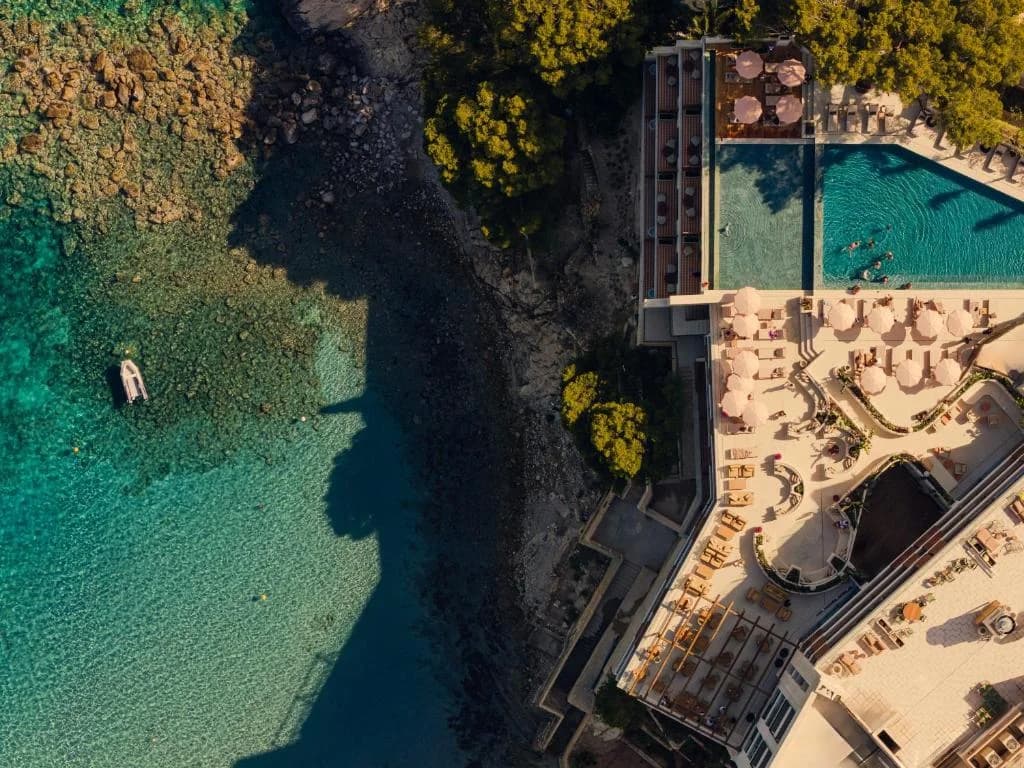
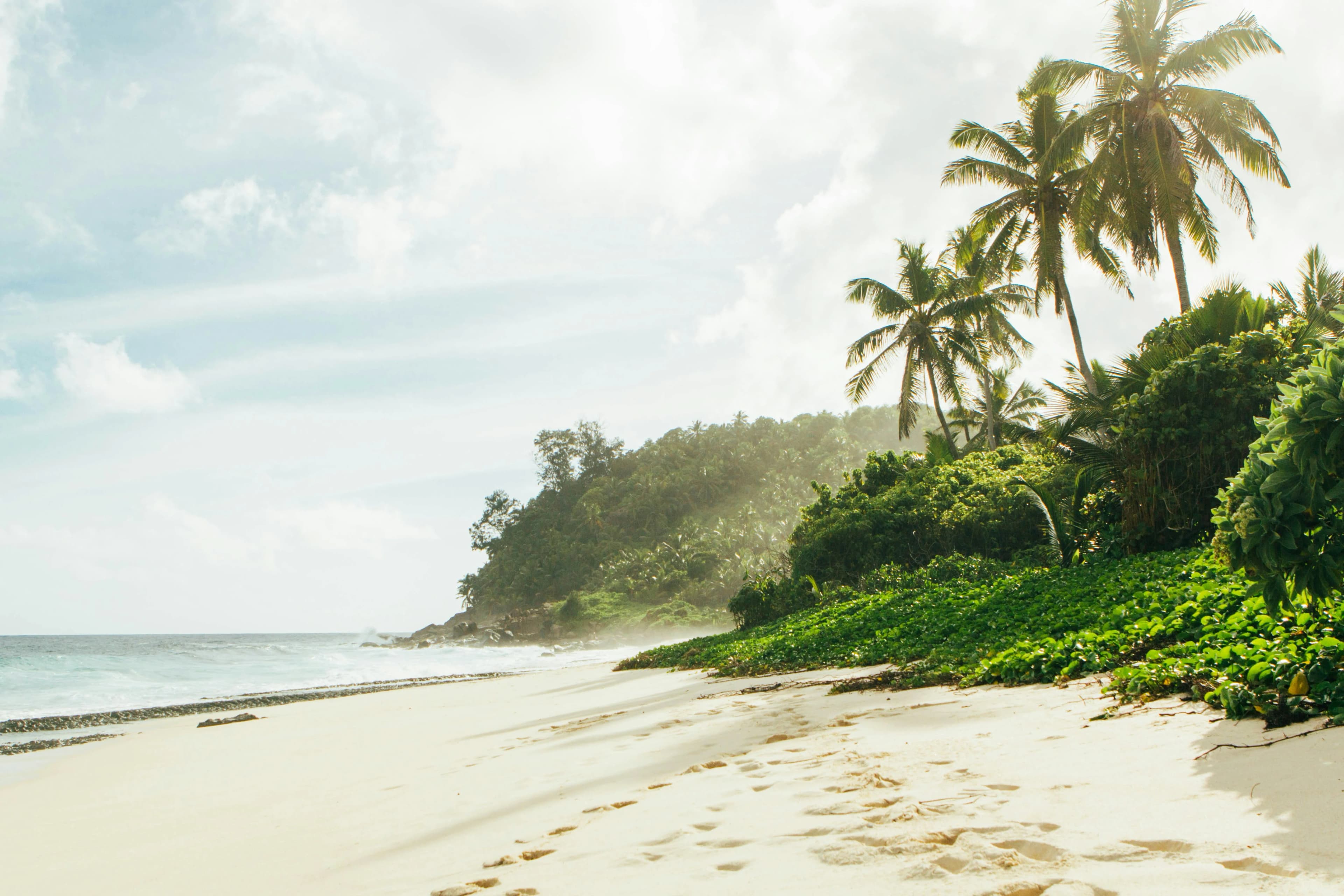
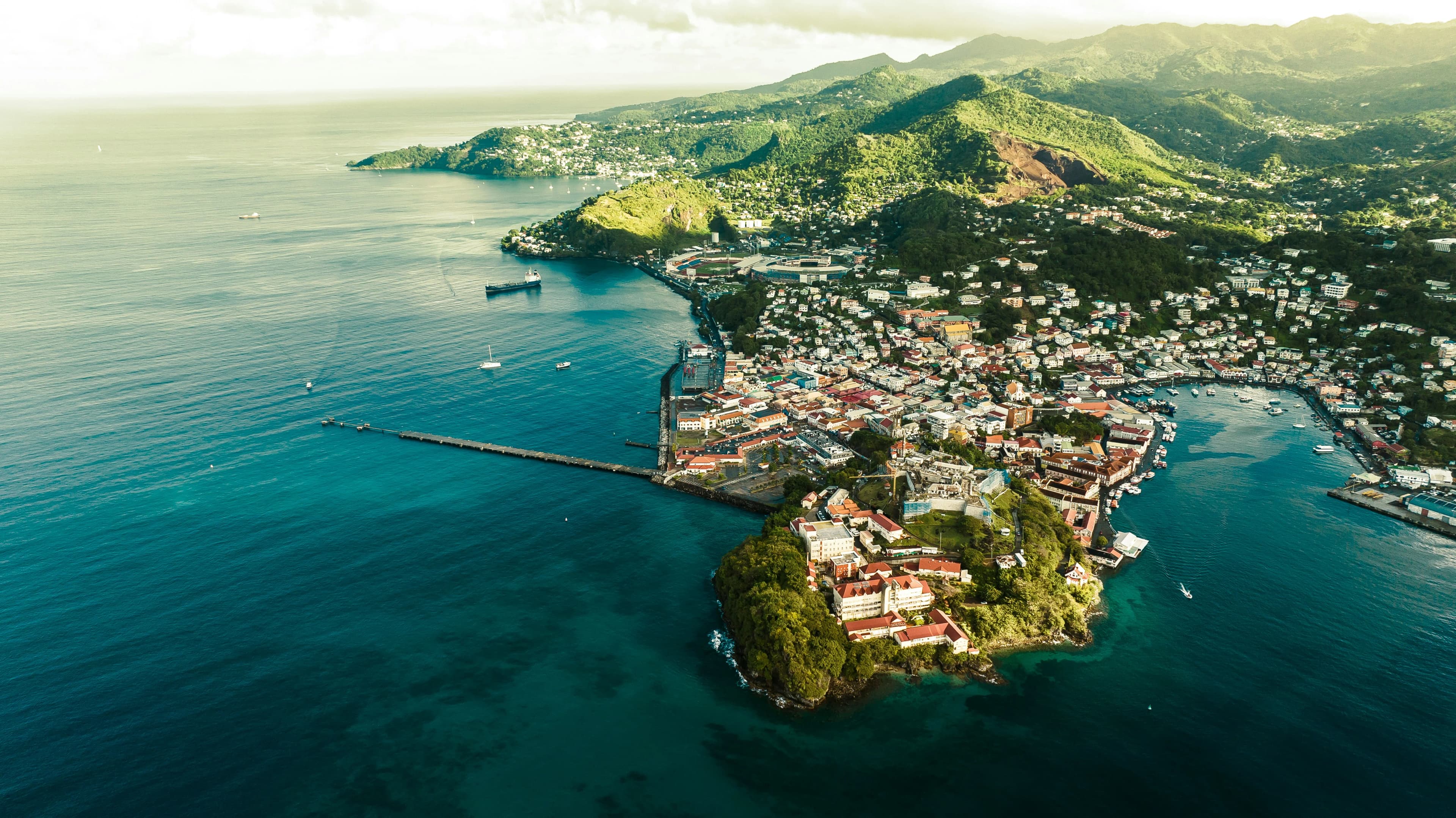
The southwestern corridor, anchored by Grand Anse Beach, concentrates the island's most established luxury hotel infrastructure. Grand Anse itself is a two-mile arc of white sand, and properties positioned here offer direct beach access combined with proximity to the capital, St. George's. Lance aux Épines, a quieter peninsula further south, attracts travelers seeking greater seclusion without sacrificing proximity to the island's marina and yacht culture. Suites in this zone tend toward open-plan architecture, with generous terraces oriented toward the Caribbean Sea.
The northern and eastern coasts
The northern parishes, particularly around Sauteurs and Levera, remain largely undeveloped by international standards. This is volcanic, agricultural Grenada: nutmeg estates, cocoa plantations, and forest reserves. Boutique properties in this zone offer a fundamentally different proposition, one oriented around immersion in the island's productive landscape rather than beach proximity. The Atlantic-facing east coast carries a wilder character, with stronger surf and cooler breezes, appealing to travelers who prioritise topographical drama over amenity density.
The Grenadines: Carriacou and Petite Martinique
Grenada's political territory extends to Carriacou and Petite Martinique, two smaller islands to the north. Carriacou in particular has developed a quiet reputation among experienced Caribbean travelers for its boat-building tradition and its lack of mass tourism infrastructure. Accommodation here is intimate by necessity, and the suite category is defined more by exclusivity of access than by architectural scale.
When to visit Grenada for the best suite experience
Grenada sits just south of the primary Atlantic hurricane belt, which gives it a measurably lower risk profile than many Caribbean destinations during the official hurricane season (June through November). This geographical advantage means the island retains reasonable visitor traffic and property openings through months when competing destinations close or operate on reduced schedules.
The dry season, running from January through May, represents the peak period for suite travel. Temperatures average between 24 and 30 degrees Celsius, trade winds are consistent, and the island's interior is accessible without the impediment of heavy rainfall. February and March offer the most reliable conditions for both coastal and inland itineraries.
The Grenada Sailing Week, typically held in late April or early May, draws a significant international sailing community and represents one of the Caribbean's more genuinely competitive regattas. Accommodations fill early during this period, and suite inventory tightens considerably. Travelers seeking to coincide with this event should plan bookings several months in advance.
The Grenada Chocolate Festival, held annually in May, has grown into a reference event for the artisan food world. Given the island's position as one of the few places where fine-flavour cacao is grown and processed in the same geography, the festival attracts a culturally literate international audience that aligns closely with the suite traveler profile.
Understanding luxury standards in Grenada
Grenada does not operate within the French Palace classification system or the Italian Relais and Chateaux framework that defines prestige in other destinations. The island's luxury hospitality market is smaller, more eclectic, and in some respects more personal than those of larger Caribbean islands such as Barbados or St. Barts.
The reference category in Grenada is the private estate or boutique luxury property, often built on elevated terrain to maximise privacy and view orientation. Several of the island's most respected properties were developed by international buyers who chose Grenada precisely for its authenticity and its resistance to over-development. The result is a collection of hotels and resorts where suite design frequently incorporates local stonework, hardwoods sourced from the region, and direct references to the island's agricultural heritage.
Service standards at the highest tier of Grenadian hospitality are characterised by genuine warmth rather than formal protocol. Staff-to-guest ratios at leading properties compare favourably with those of larger Caribbean destinations. Suite guests can expect personalised itinerary support, access to private beach or reef sections, and in-villa dining experiences built around locally sourced ingredients.
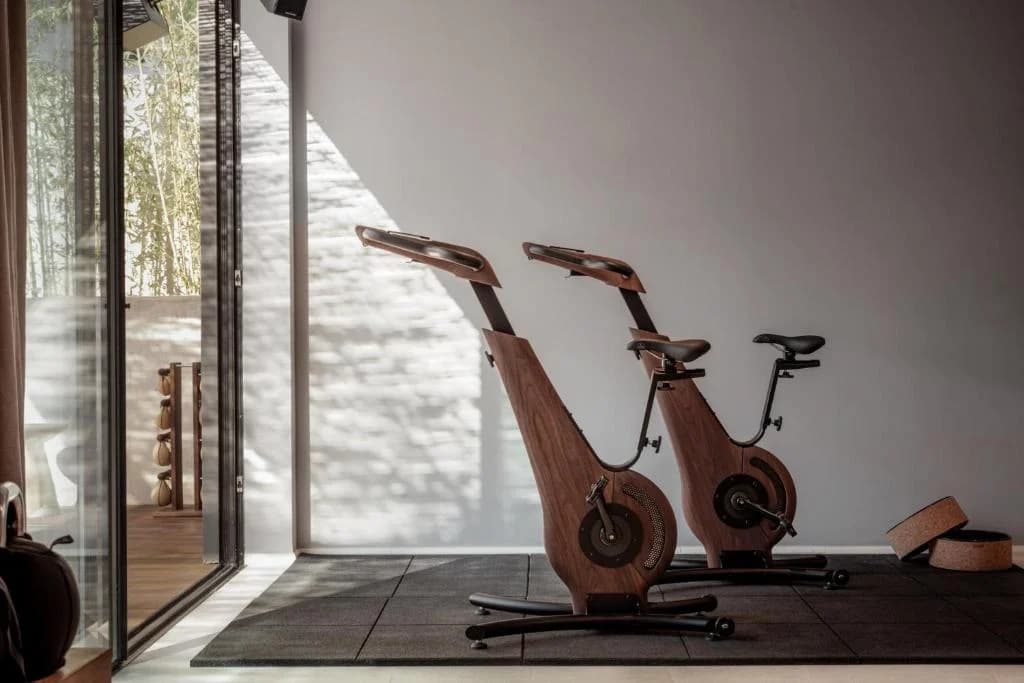
Spa programming across Grenada's top-tier properties draws heavily on the island's botanical resources. Nutmeg oil, cocoa butter, and locally harvested botanicals feature prominently in treatment menus, giving the wellness offer a specificity that generic luxury spa programs lack.
How to choose the right suite in Grenada
The primary decision axis for suite selection in Grenada is orientation: beach access versus altitude and view. Properties positioned directly on Grand Anse or Lance aux Épines beach offer the most immediate connection to the Caribbean Sea, with suite layouts designed for outdoor living at sea level. Elevated properties, particularly those on hillsides above the southwest coast, trade direct sand access for panoramic views and a greater sense of architectural drama.
A secondary consideration is the relationship between the property and the island's interior. Travelers with a genuine interest in Grenada's agricultural landscape, its spice estates, its waterfalls and rainforest reserves, will find that properties positioned closer to the island's productive centre offer more coherent access to those experiences. Suite stays at beach-forward properties can feel disconnected from what makes Grenada genuinely distinctive if the itinerary is not structured to include inland exploration.
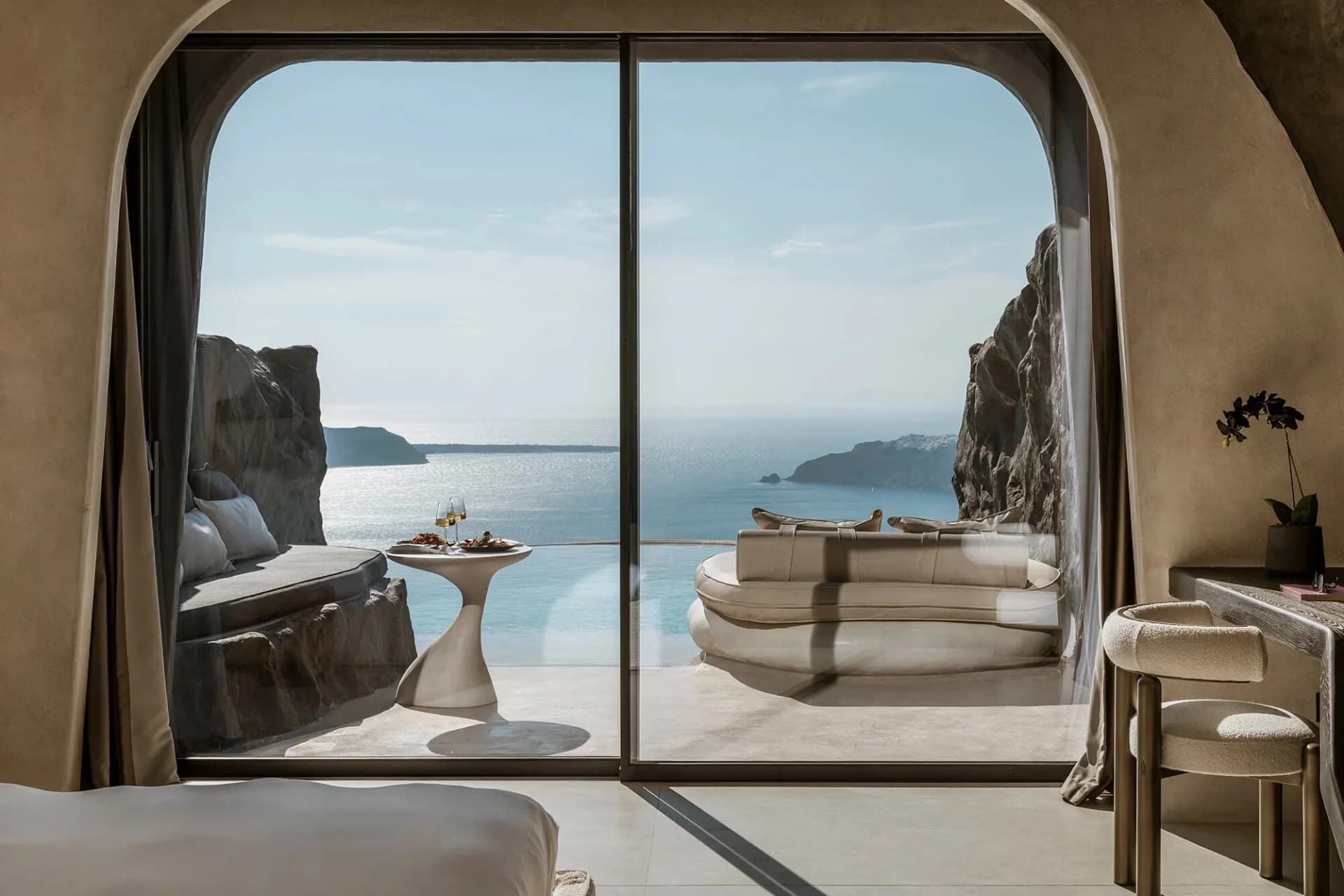
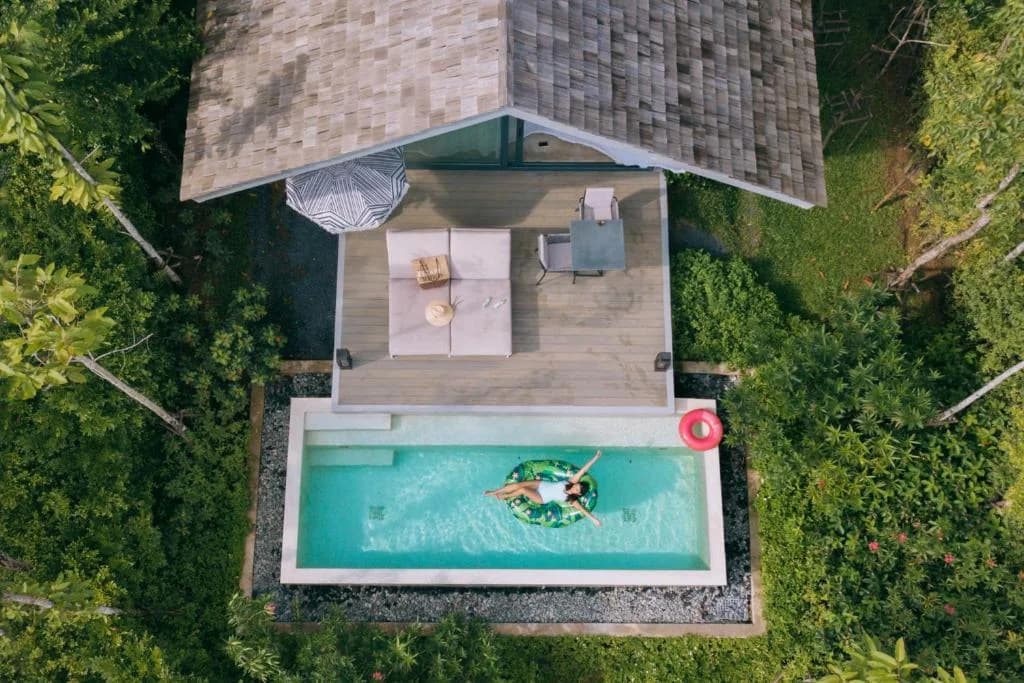
Pool configuration matters in Grenada's humidity. Suites with private plunge pools offer a qualitative difference in comfort during the wetter months and provide privacy that shared resort pools cannot replicate. Architectural details such as outdoor showers, open-air bathrooms, and louvred ventilation systems are worth evaluating as functional elements rather than merely aesthetic ones.
Finally, consider connectivity to the sea. Grenada's coral reef system, including the Molinere Underwater Sculpture Park, is accessible from multiple points along the southwest coast. Suites with direct or near-direct access to snorkelling and diving sites add a dimension of spontaneity to the stay that centralised resort pools cannot.
Why a curated selection by La Suite matters for Grenada
Grenada's luxury accommodation market is not large, but it is uneven. The gap between a property marketed as luxury and one that genuinely delivers at suite level is significant, and the island's relatively modest review infrastructure makes that gap harder to identify through conventional research channels.
La Suite applies a consistent editorial framework to evaluate suite inventory across Grenada, assessing spatial generosity, privacy architecture, service depth, and the coherence between the property's positioning and its actual delivery. The result is a curated selection that removes the research burden from the traveler and replaces it with a considered shortlist of properties that merit the investment of time and expenditure that a Grenada suite trip represents.