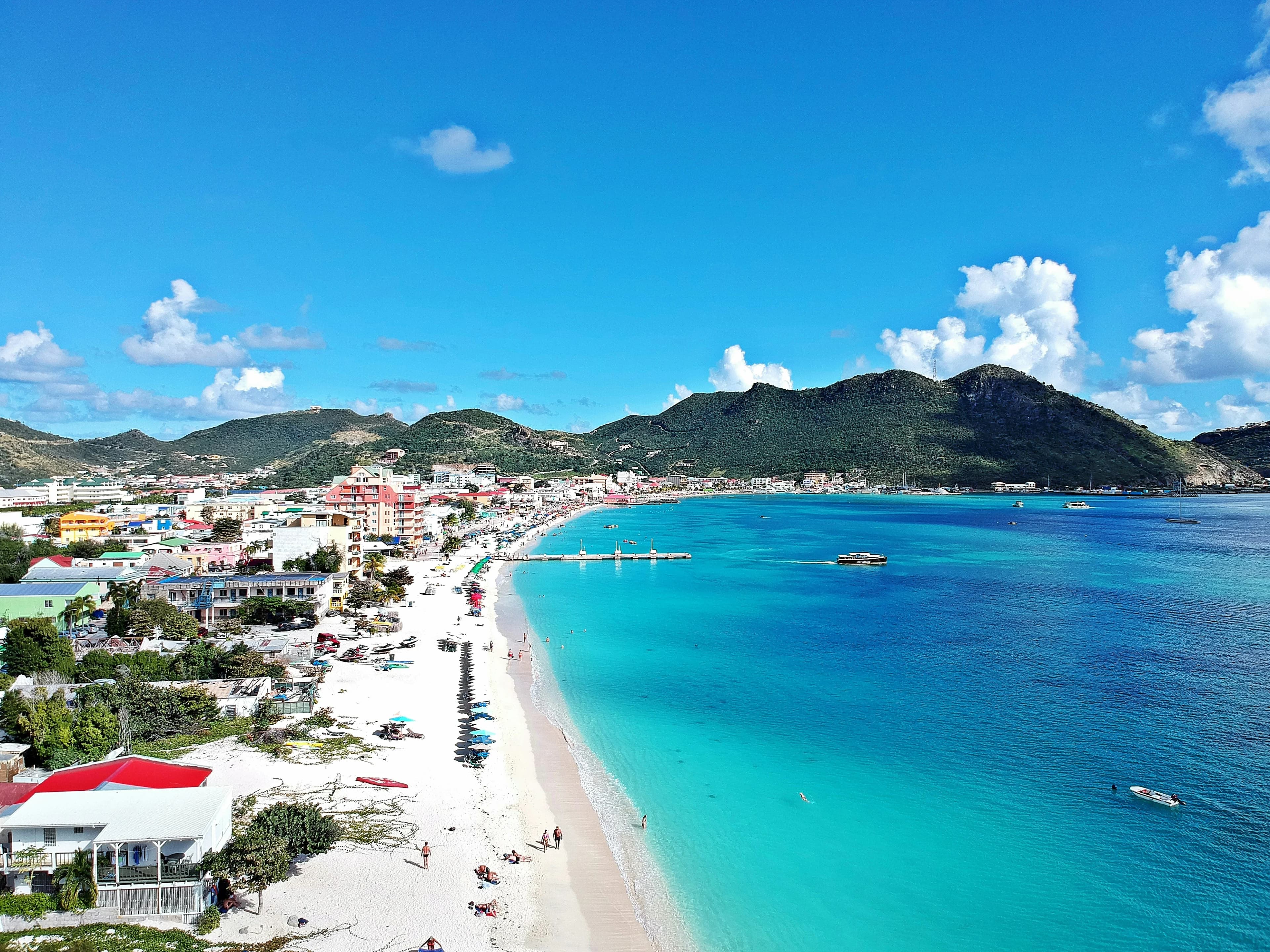
The distinct areas of Saint Martin and where to stay
Grand Case, a narrow coastal village on the French side, functions as the island's culinary reference point. Its single main street, lined with open-air restaurants serving Creole and French cuisine, has earned a reputation that extends well beyond the Caribbean. Proximity to Grand Case is a legitimate consideration when selecting a suite if gastronomy is a priority.
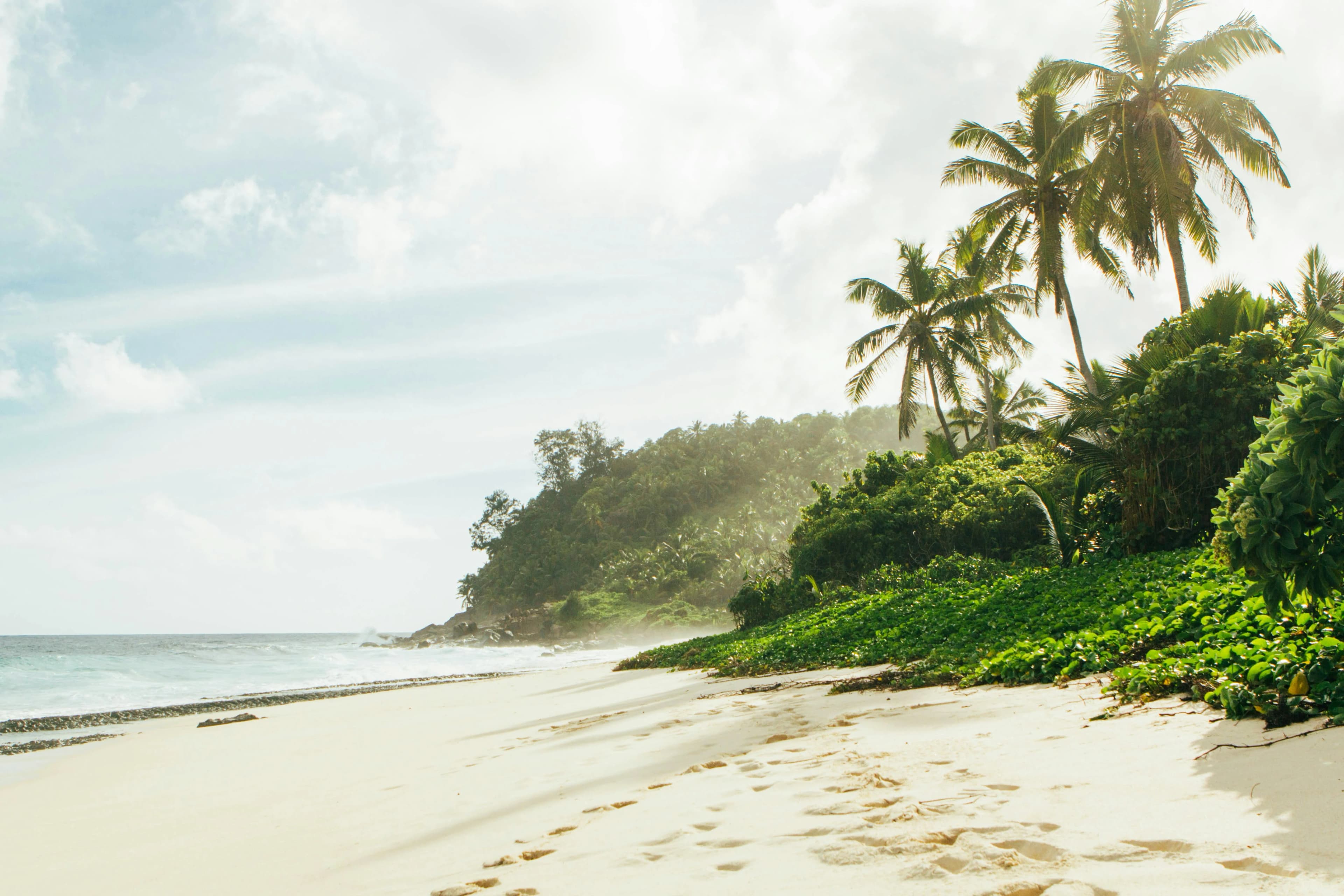
Orient Bay, on the northeastern coast of the French side, offers a different register: wider beaches, more active water sports infrastructure, and a concentration of boutique properties. It draws a younger, more social crowd while still maintaining standards that distinguish it from mass-market beach resorts.
The Dutch side, Sint Maarten, centers on Philipsburg and the Simpson Bay area. The energy is more commercial, with a large cruise port and a concentrated duty-free shopping district. Maho Bay, adjacent to the international airport, is notable for its proximity to Princess Juliana International Airport, where aircraft arrive at famously low altitudes over the beach. For travelers seeking quiet and discretion, the French side remains the default.
When to visit Saint Martin for a luxury suite stay
Saint Martin follows the Caribbean seasonal pattern with some nuance. The high season runs from mid-December through mid-April, when temperatures hold steadily between 24 and 29 degrees Celsius and rainfall is minimal. This period also coincides with the heaviest demand for luxury hotel suites, and advance reservation is essential, particularly for properties with limited room counts.
The shoulder months of November and May offer a compelling compromise: the weather remains generally favorable, crowds thin considerably, and some properties adjust their pricing. The island's cultural calendar includes the Saint-Martin Carnival, which takes place on the French side in the period before Lent, drawing a local and regional audience rather than an international tourism crowd. It presents a specific window for travelers interested in Creole cultural expression.
Hurricane season runs formally from June through November, with peak risk in August and September. During this period, many smaller properties reduce operations or close entirely. Travelers considering a summer visit should verify operational status directly with any property under consideration, as the La Suite curation reflects seasonal availability.
Local luxury standards: what defines a premium suite in Saint Martin
Saint Martin does not have a formal national designation equivalent to France's Palace classification, given its complex governance structure. The French side falls under the French overseas collectivity system, meaning French standards apply in principle, though the hotel classification framework operates with some local adaptation. Properties on the French side may carry the official French star rating, up to five stars, while some boutique operations in the villa segment opt out of classification entirely.
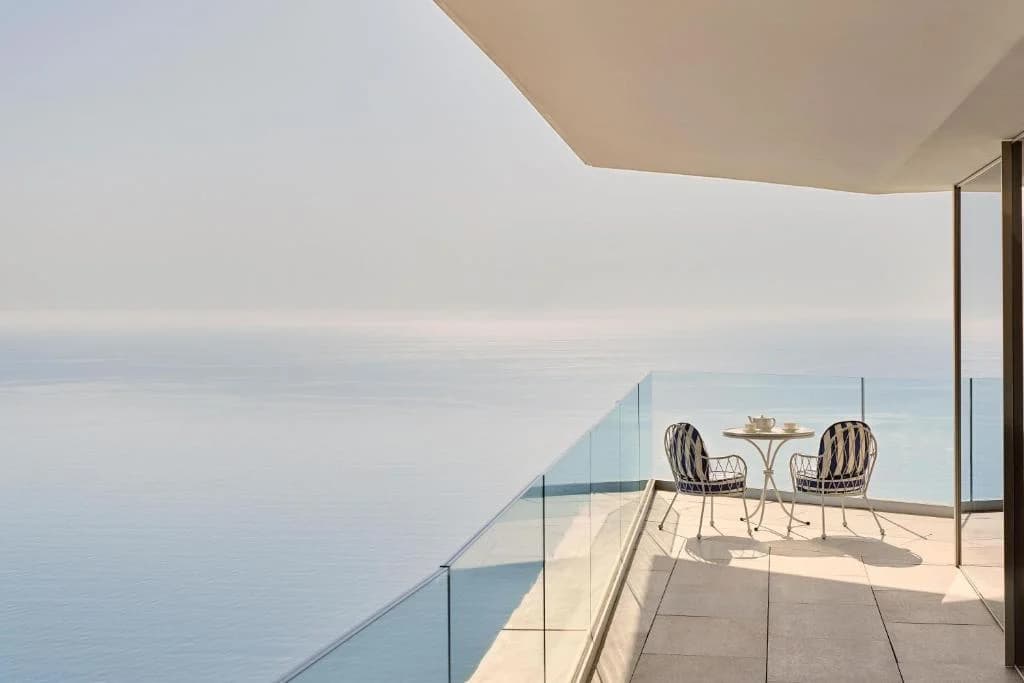
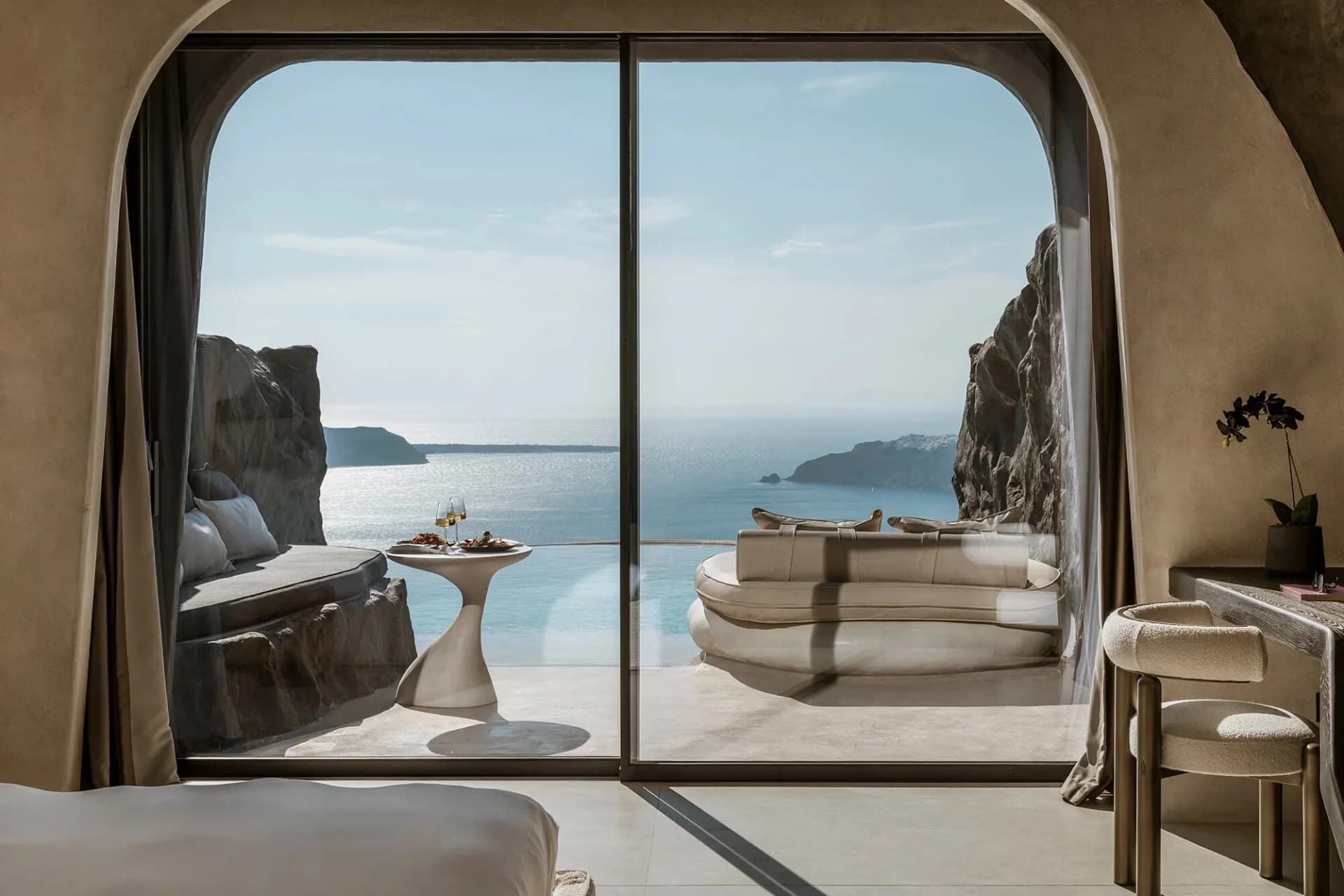
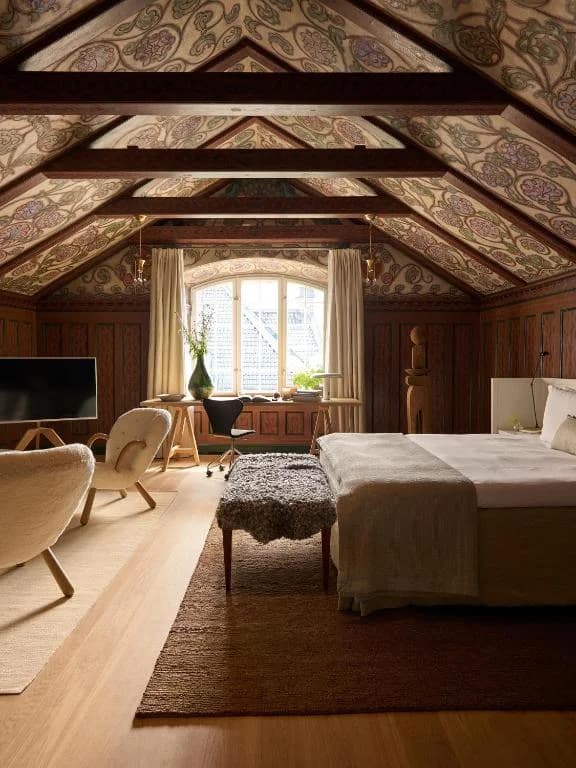
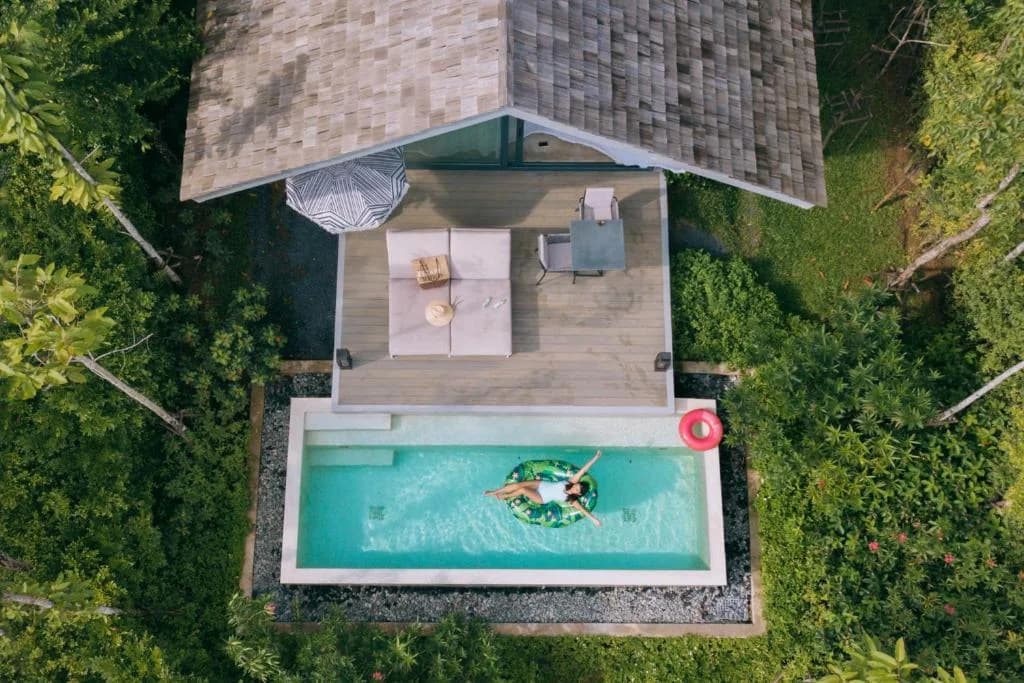
What distinguishes top-tier suites on the island is less about certification and more about configuration. The most prestigious offerings tend to be plunge-pool suites or villa-integrated suites with direct ocean access, private terraces with unobstructed views over either the Atlantic or the Caribbean Sea, and service ratios that allow for genuine personalization. The island's size, approximately 87 square kilometers in total, means that even large properties feel intimate relative to resort complexes elsewhere in the Caribbean.
Culinary standards on the French side are meaningfully elevated by the island's French administrative identity. Imported French products, wine lists with genuine depth, and kitchen teams with classical training are standard at the upper end of the market. This distinguishes the French side from much of the English-speaking Caribbean.
How to choose the best suite in Saint Martin
The first decision is jurisdictional: French side or Dutch side. For travelers prioritizing quiet, gastronomy, and a more restrained aesthetic, the French side is the consistent recommendation. For those whose itinerary includes casino access, proximity to the international airport for short stays, or a more social nightlife dimension, Sint Maarten on the Dutch side becomes relevant.
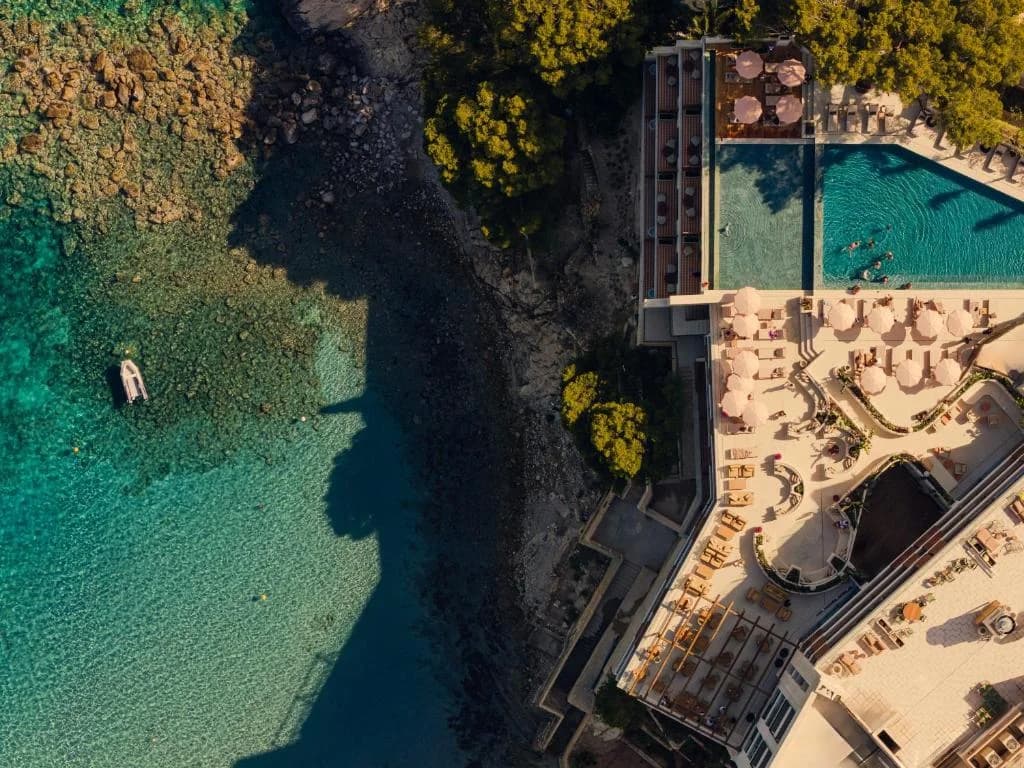
The second consideration is orientation. Saint Martin's geography means that some suites face the Atlantic, with stronger winds and more active surf, while others face the Caribbean, with calmer water and warmer tones of light in the afternoon. These are not equivalent experiences. Travelers who prioritize swimming from a private beach should confirm the water conditions and exposure of any specific property before committing.
Architecture on the island ranges from contemporary concrete and glass construction to more traditional Creole-influenced structures with timber detailing, louvered facades, and covered terraces designed to catch trade winds. Both traditions produce excellent suites, but they deliver a different sensory experience. The choice between them is a matter of personal register, not hierarchy.
Suite size is another variable worth examining precisely. On a small island where land is finite and views are the primary amenity, a suite's terrace square footage is often as significant as the interior square footage. Properties that allocate generous outdoor space tend to define the upper tier of the market.
Why a curated selection by La Suite matters in Saint Martin
Saint Martin's hotel market is fragmented. The island supports a mix of international branded properties, independent boutique hotels, private villa resorts, and small owner-operated guesthouses, all operating under two different regulatory frameworks. Navigating this landscape without a reference point is time-consuming and introduces meaningful variance in what a traveler actually receives.
La Suite applies a consistent editorial filter across the full market. The selection process is based on direct knowledge of properties rather than aggregated reviews, and it prioritizes suite-specific criteria: privacy, finish quality, service architecture, and the relationship between the suite and its surrounding landscape. On an island where the gap between a good property and a great one is not always visible in marketing materials, that editorial position has practical value.
For travelers arriving in Saint Martin for a specific occasion, whether a milestone anniversary, a family reunion, or a working retreat that requires both connectivity and calm, the La Suite curation reduces the decision cycle and increases the probability of a match between expectation and experience.