ERIKA Boutiquehotel Kitzbühel, Kitzbühel
Built in 1897 in the Art Nouveau style, the Erika is one of the most traditional and renowned hotels in Kitzbühel and is just a 3-minute drive away from the Hahnenkamm Cable Car. It offers spacious ro

Kitzbühel is not a resort town in the conventional sense. It is a functioning medieval market town that happens to sit at the centre of one of the most demanding alpine sporting circuits in the world. The Hahnenkamm downhill race, held each January, is the benchmark event of the alpine ski calendar. The infrastructure built around this event, and the clientele it attracts over decades, has produced a hospitality culture of unusual precision. Hotels here understand what serious travelers require. Suites are designed accordingly: generous proportions, quality materials, and an orientation toward the mountain rather than the street.
3 hotels available

Built in 1897 in the Art Nouveau style, the Erika is one of the most traditional and renowned hotels in Kitzbühel and is just a 3-minute drive away from the Hahnenkamm Cable Car. It offers spacious ro

The Grand Tirolia Kitzbühel hotel, Member of Hommage Luxury Hotels Collection is set in breathtaking Alpine scenery on the award-winning 18-hole championship golf course Eichenheim. It offers panorami

Surrounded by the scenic panorama of the Tyrolean Alps, Schlosshotel Kitzbühel was built in the style of a Tyrolean castle. At the 9.8 ft² spa area, you can enjoy a wide range of wellness and beauty t
Hotels in the area, but in a neighbouring town.

98 km away
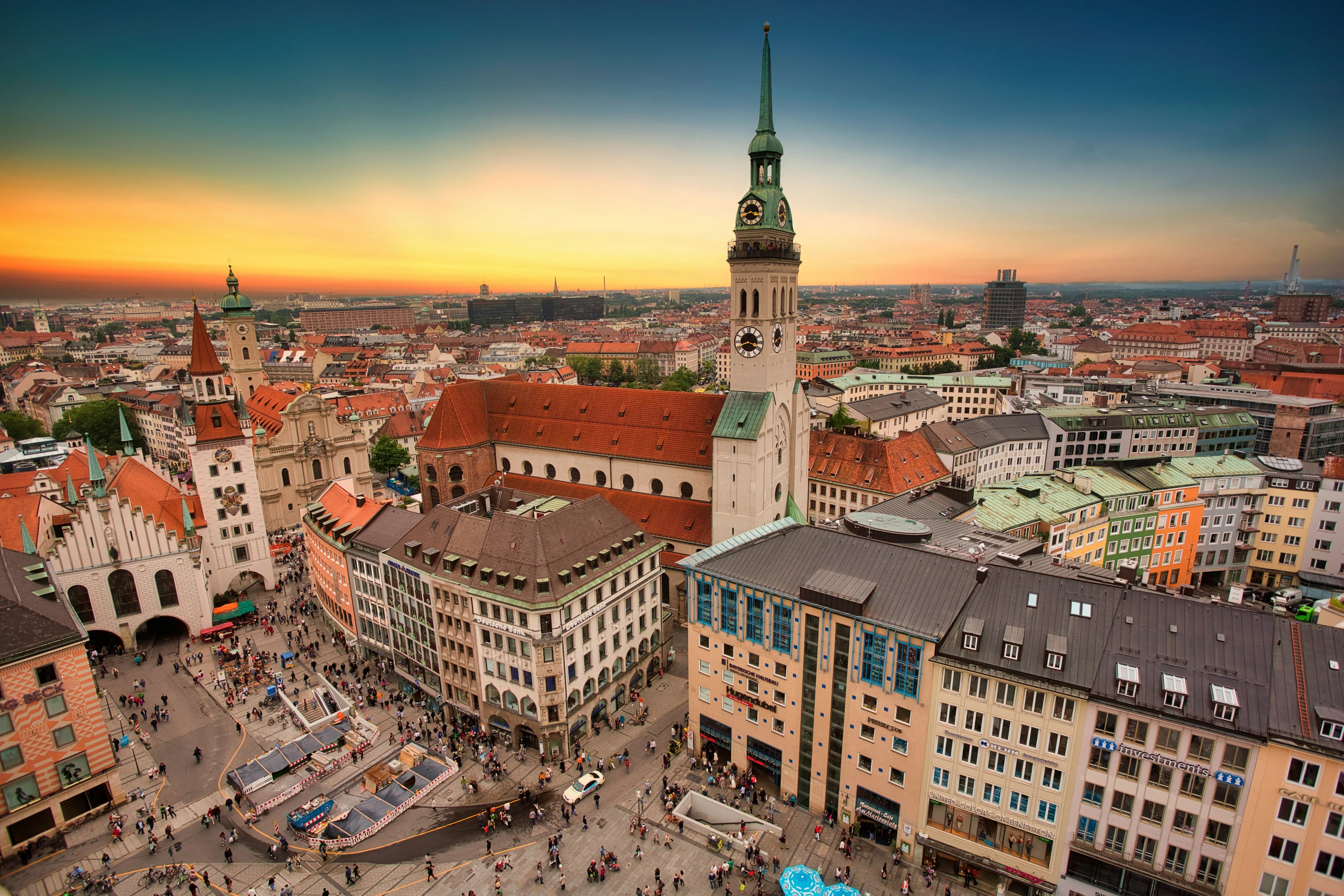
Munich is not a city that announces itself loudly. Its authority is structural: clean sightlines, orderly public space, an economy anchored in engineering, finance, and media. The luxury hotel market here reflects that same disposition. Properties tend toward architectural integrity and service precision over decorative excess. Guests arriving for business at the major financial institutions, for the cultural calendar at the Bayerische Staatsoper, or for private appointments in the fashion and automotive sectors will find that Munich's top-tier suites are calibrated for exactly that kind of stay.

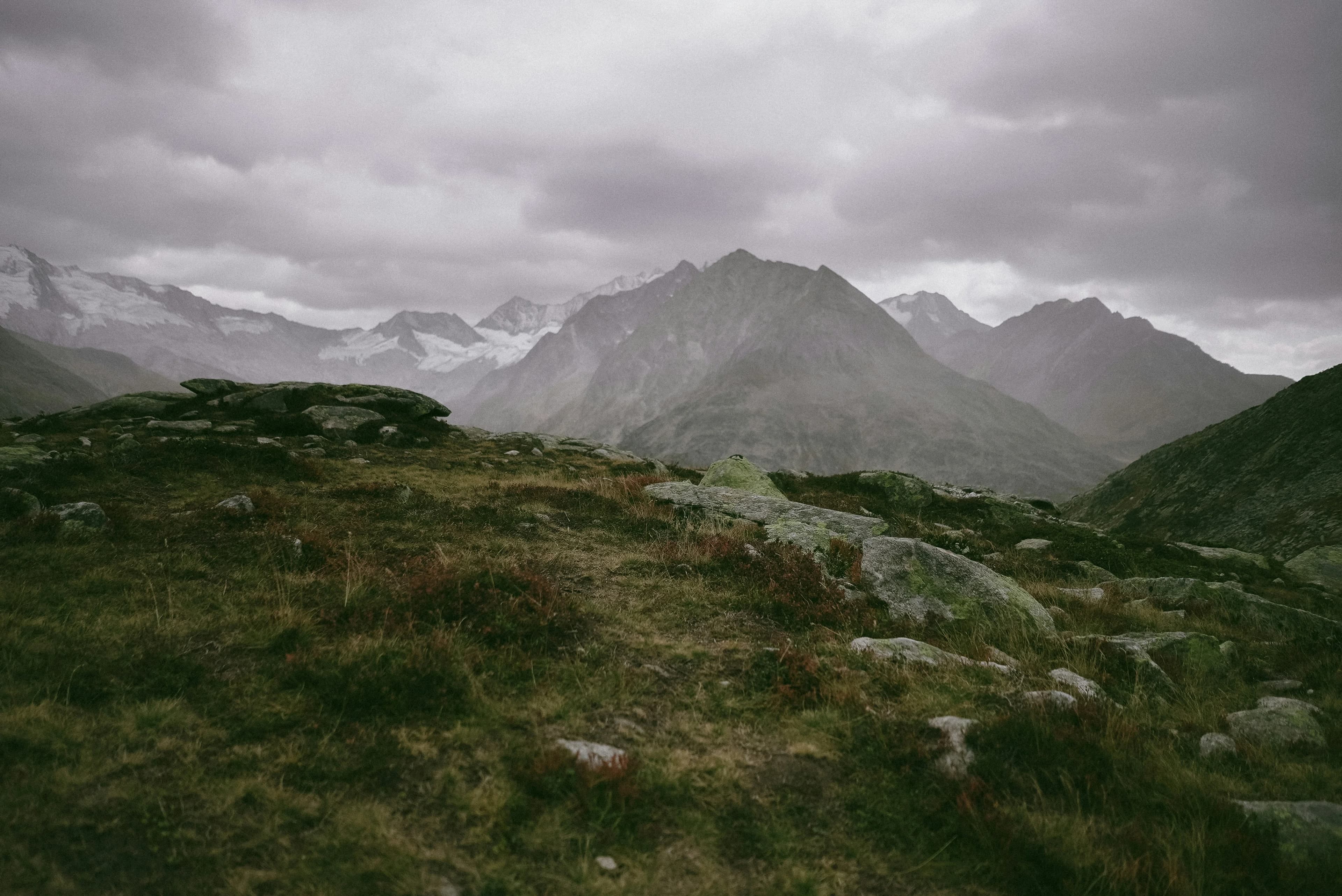
Finkenberg occupies a steep, south-facing slope above the Zillertal valley floor, which gives it a distinct character compared to the broader resort of Mayrhofen directly below. The village is small and deliberately unhurried. Properties here tend to sit in elevated positions, with direct sightlines across the valley toward the Hintertux Glacier. The surrounding area of Europe's Eastern Alps offers a variety of stay environments: some travelers prefer the seclusion of the upper village, where road access is limited and foot traffic is minimal; others choose positions closer to the valley connection for easier movement between Finkenberg and the wider Zillertal ski circuit.

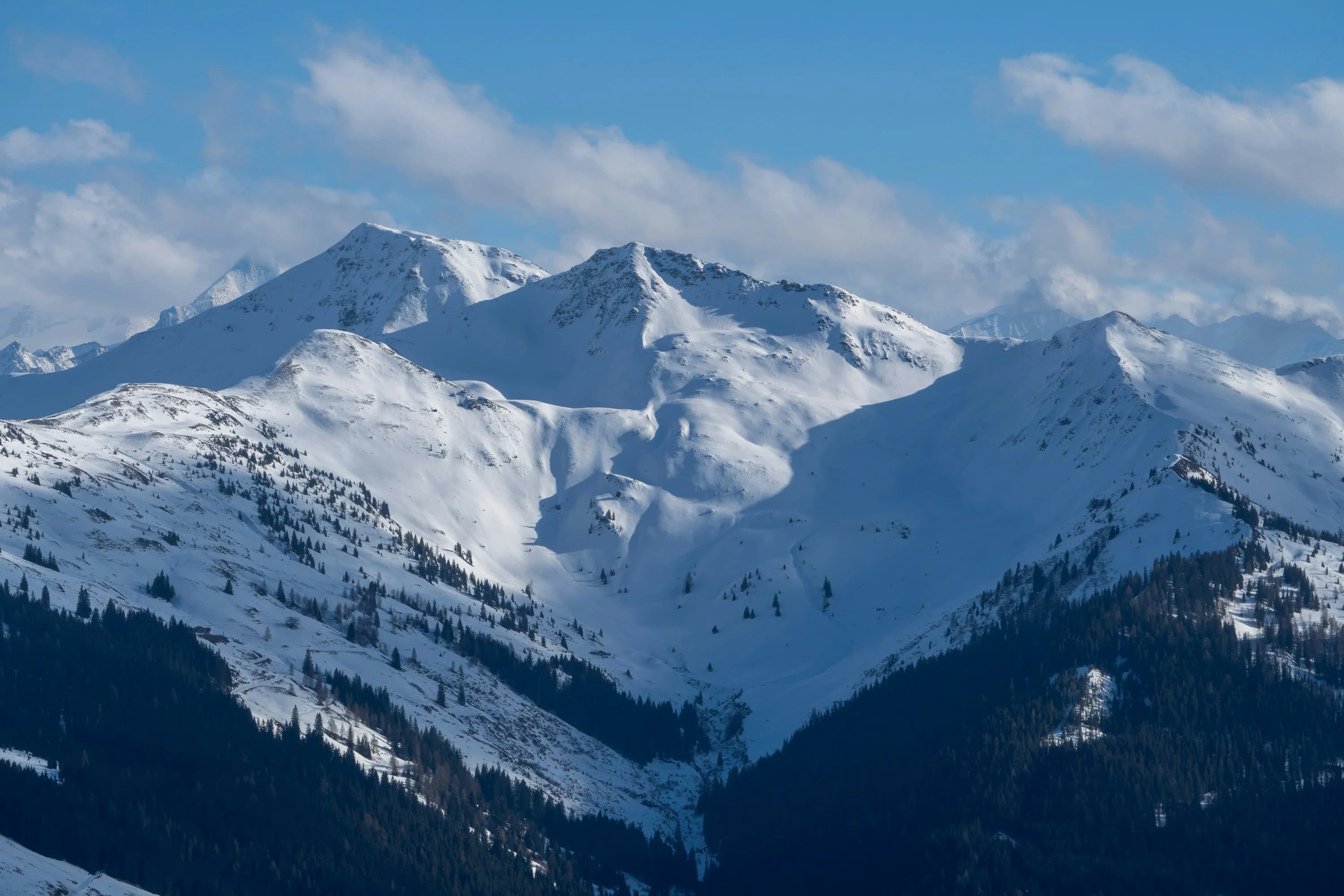
The Glemmtal valley runs east to west through the Salzburg Alps, with Saalbach anchoring its eastern end and Hinterglemm occupying the quieter, more residential western reaches. The two villages are architecturally and atmospherically distinct, and that distinction matters when choosing where to base a suite stay.
For those exploring Austria through the lens of its alpine culture, Kitzbühel represents the clearest expression of Tyrolean ambition. It is also one of the better-preserved historic town centres in the Eastern Alps, a fact that shapes the character of its best properties.
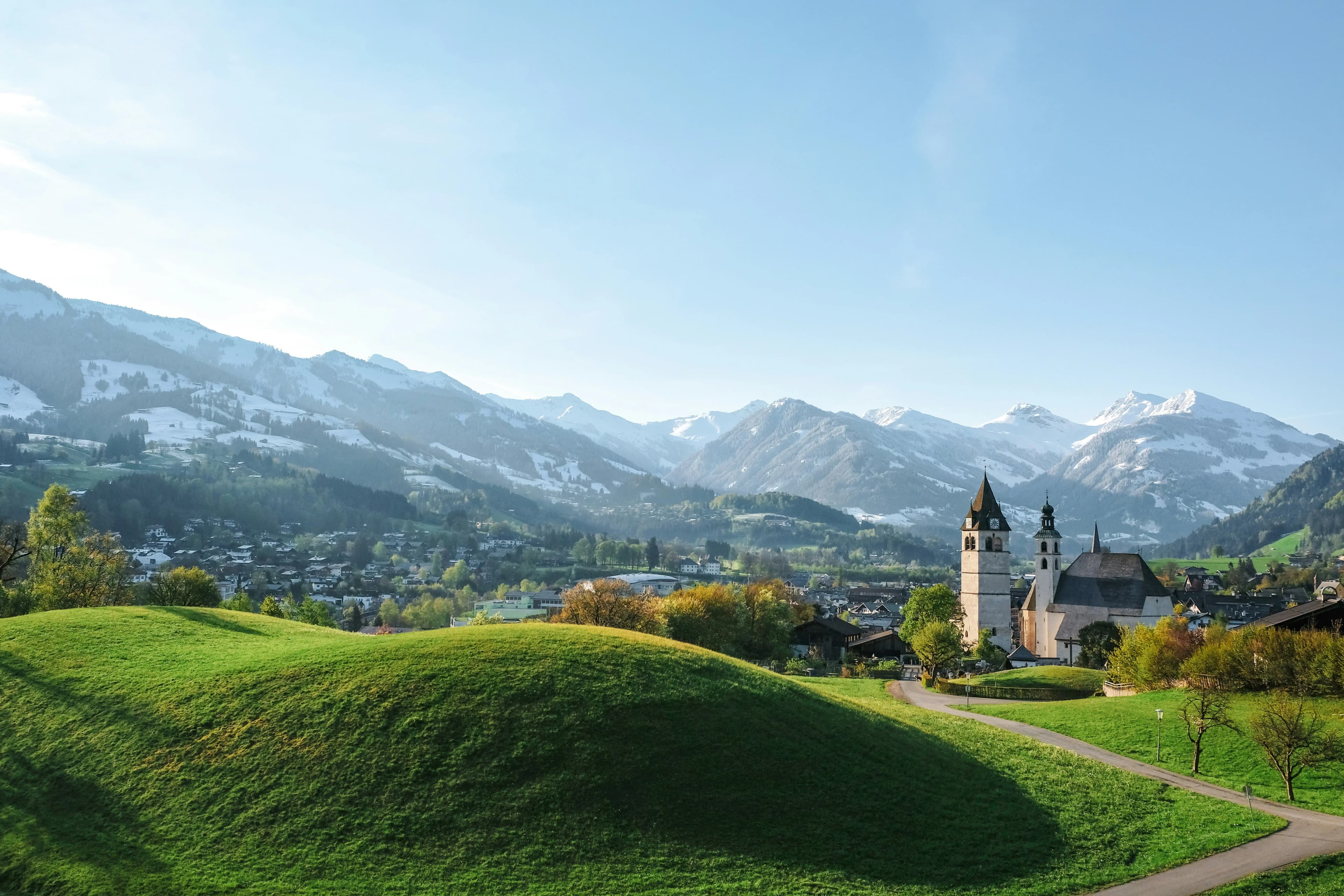
The pedestrianised old town, framed by the Pfarrkirche and the Liebfrauenkirche, is where the architectural character of Kitzbühel is most legible. Properties here position guests within walking distance of the town's commercial and cultural core. Suites in converted historic buildings typically feature lower ceiling heights and more contained footprints, compensated by craftsmanship and location. The sensory experience of waking to the sound of the bells and stepping onto cobblestones before the town fully opens is a specific pleasure this part of Kitzbühel offers and that no other area replicates.
Properties situated close to the Hahnenkammbahn or the Hornbahn gondola stations serve a different priority: ski-in convenience and immediate mountain access. Suites here tend toward larger floor plans, with boot rooms, drying facilities, and often direct piste connections. This is practical luxury in the alpine tradition. The trade-off is some distance from the evening atmosphere of the old town, though most properties in this zone offer transport or are within a short walk.
The broader Kitzbühel Alps region, extending toward Kirchberg and the Brixental valley, offers a quieter alternative for those who prefer landscape over proximity to town. Properties here are typically more private, set within larger plots, and calibrated toward summer visitors and families. The scale of the suites in this zone is often superior, with terrace space that takes full advantage of the panoramic views toward the Wilder Kaiser range.
Kitzbühel operates on two distinct seasons, each with its own logic.
The winter season runs from late November through early April. December and January represent the peak of the peak: the town fills for the Christmas period and reaches maximum density around the Hahnenkamm race weekend in late January. Suite availability at this time is extremely limited and lead times for top properties run to twelve months or more. Booking well in advance is not a recommendation here; it is a condition of access.
February and March offer a compelling alternative. The race crowds have gone, snow conditions are typically at their best, and the town operates at a more comfortable rhythm. Rates remain high but the experience is less compressed.
The summer season, from June through September, is Kitzbühel at its most underappreciated. The Golf Club Kitzbühel, one of the older established courses in Austria, the hiking trails above 1,600 metres, and the quieter pace of the town attract a different traveler entirely. Suite rates in summer are meaningfully lower than winter equivalents, and availability is considerably easier. The light in the Austrian Tyrol in July is a specific quality worth travelling for on its own terms.
Austria does not operate a formal palace hotel designation in the French sense, but the country maintains a rigorous five-star classification system administered at the federal level, with additional distinctions awarded by the Austrian Hotel Association. In Kitzbühel, the most distinguished properties carry five-star superior ratings, a classification that reflects not just room count and facilities but measurable service ratios and material standards.
The regional luxury vernacular draws on the Tyrolean building tradition: timber ceilings, local stone, and an emphasis on craft over ostentation. The best suites in Kitzbühel balance this vernacular with contemporary spatial standards. Expect heated floors, oversized bathtubs with mountain orientation, and living areas that function as genuine rooms rather than enlarged corridors. Private terraces or balconies are a near-universal expectation at this level.
The wellness offer in Kitzbühel properties is also notably serious. Spa facilities in the leading hotels are substantial, often including outdoor heated pools, dedicated treatment wings, and partnerships with Austrian wellness brands. This is not incidental; the alpine wellness tradition here is embedded in how the best properties position themselves throughout the year.
The first question is seasonal priority. A winter visit organised around skiing requires a different suite profile than a summer visit organised around walking and golf. Ski access, boot storage, and proximity to lifts matter in January. Views, terrace space, and proximity to hiking trailheads matter in July. The same property may serve both purposes, but the suite choice within it should reflect the actual programme of the visit.
The second question is historic versus contemporary architecture. Kitzbühel's old town properties offer the experience of the town itself as context. Newer or renovated properties on the outskirts offer more standardised luxury with potentially larger footprints. Neither is categorically superior; the right choice depends on whether the traveler is drawn to the town as a cultural artefact or primarily as a base for activity.
The third consideration is group size and composition. Kitzbühel attracts a significant number of family and group visits, particularly in winter. Properties vary considerably in how well they accommodate groups across multiple suites, and whether connecting rooms or dedicated family suite configurations are available. This is worth establishing before any booking is made.
Kitzbühel has no shortage of options that describe themselves with superlatives. The challenge is not finding a high-end property; it is identifying the specific suite within the right property for a particular traveler's priorities at a particular time of year. The market is opaque in ways that reward prior knowledge.
La Suite approaches Austria and the Kitzbühel market with the same editorial discipline applied across Europe: direct assessment, clear criteria, and no commercial relationships that compromise the selection. The curated selection by La Suite reflects properties and suite configurations that have been evaluated against consistent standards of space, material quality, service architecture, and location logic. In a town where the gap between the best and the merely adequate is significant, that distinction is worth having before you commit.

The winter peak runs from late December through late January, with the Hahnenkamm race weekend being the most competitive period for suite availability. For better availability and comparable snow conditions, February and March are strong alternatives. Summer, from June to September, offers the easiest booking conditions and the lowest rates of the year.
For the Hahnenkamm race weekend in late January, top properties are typically fully committed twelve months in advance. For the broader December to February window, six to nine months is a realistic minimum for the best suite configurations. Summer bookings can generally be made with considerably shorter lead times.
The five-star superior classification in Austria reflects measurable criteria beyond the base five-star standard, including higher service staff ratios, specified material quality benchmarks, and expanded facility requirements. In practical terms, properties with this designation in Kitzbühel typically offer more comprehensive spa facilities, higher suite square footage, and more consistent service delivery across all touchpoints.
Kitzbühel operates a serious summer season built around golf, hiking, cycling, and the broader alpine landscape. The Golf Club Kitzbühel is one of the established courses in Austria, and the trail network above the town is extensive. Several properties maintain full programming through the summer months, and suite rates are substantially lower than in winter, making summer a genuinely compelling option for value-conscious luxury travelers.
Ski-oriented suite selection should prioritise proximity to gondola access points, dedicated boot room and equipment storage facilities, and in some cases direct piste access. A private balcony or terrace with southern or western mountain orientation allows you to assess conditions before heading out. Heated floors and a generous bathroom configuration are standard expectations at the top end of the Kitzbühel market.
Kitzbühel shares the sporting prestige and high-end hospitality culture of those destinations but has a distinct character shaped by its intact medieval town centre, which neither St. Moritz nor Verbier possesses. The Austrian hospitality tradition also differs in its emphasis on craft and wellness over the social spectacle that defines some Swiss and French alpine resorts. It is a more architecturally coherent destination with a slightly quieter register.
Leading Kitzbühel properties offer suites ranging from approximately 60 square metres for junior configurations to over 200 square metres for flagship penthouse or duplex suites. Most suites at the top end include a separate living room, a dining area, at least one private terrace or balcony, and a bathroom with both a soaking tub and a walk-in shower. Family suite configurations with connecting rooms are available in several properties.
Austria does not use the Palace designation applied in France. The relevant benchmark is the five-star superior classification administered by the Austrian Hotel Association, which applies measurable standards across facilities, service ratios, and material quality. Several Kitzbühel properties carry this designation, and it serves as a reliable indicator of the operational tier of a given hotel.
Kitzbühel has a longer and more continuous tradition of hosting international high-end clientele than most other Austrian alpine towns, a history that shapes the sophistication of its hospitality offer. The combination of the Hahnenkamm's international profile, the preserved medieval town centre, and the summer golf and wellness season has produced a hospitality culture that is confident in its own terms rather than derivative of Swiss or French models.
Wellness is a core component of the Kitzbühel luxury proposition rather than an ancillary amenity. Leading properties feature substantial spa facilities with outdoor heated pools, dedicated treatment suites, and in several cases medical wellness programmes drawing on the Austrian tradition of thermal and alpine health culture. Guests staying in top-tier suites typically receive priority or dedicated access to these facilities, which in winter can be a meaningful distinction given capacity constraints.