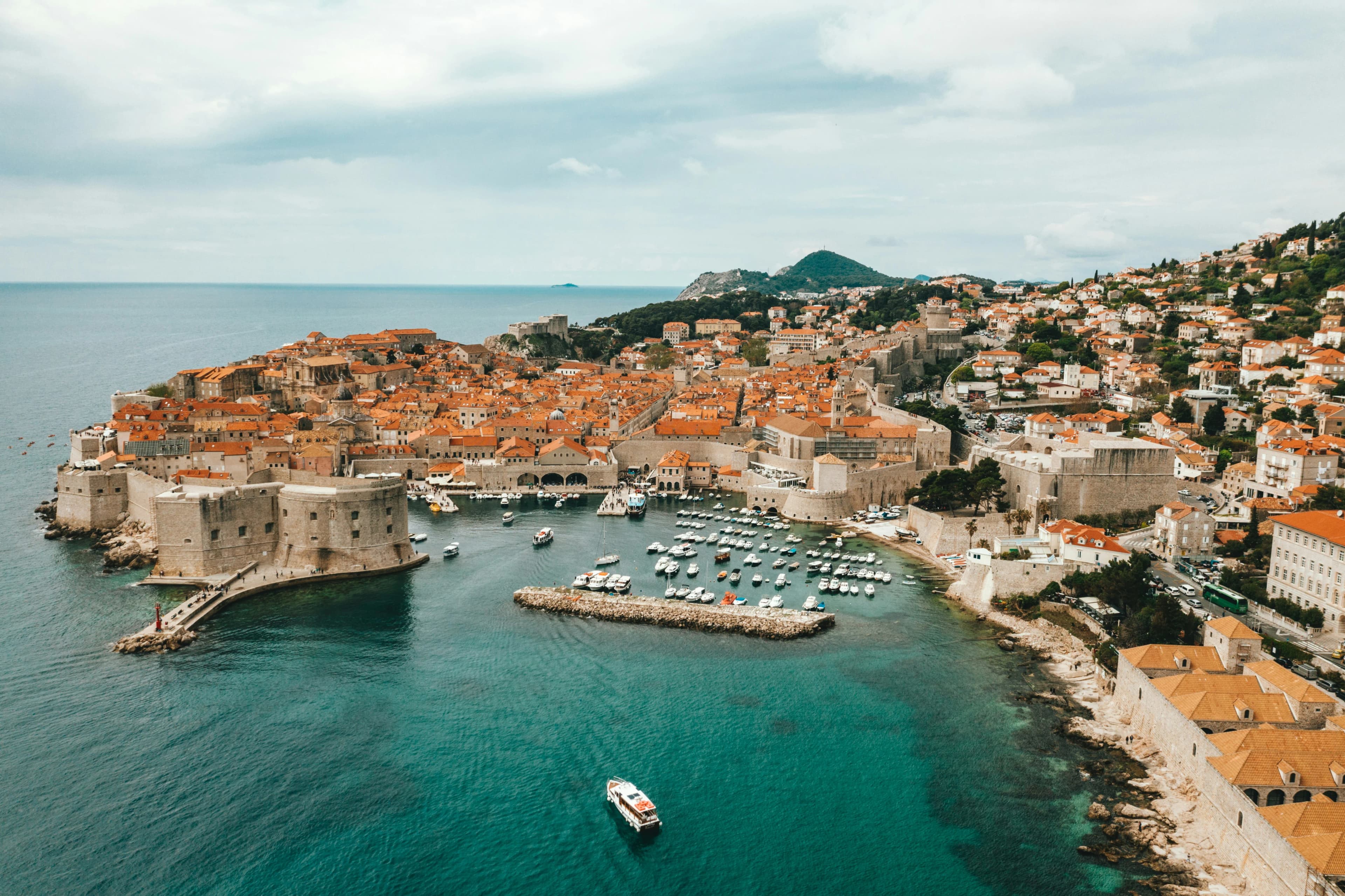
Boutique Hotel Stari Grad, Dubrovnik
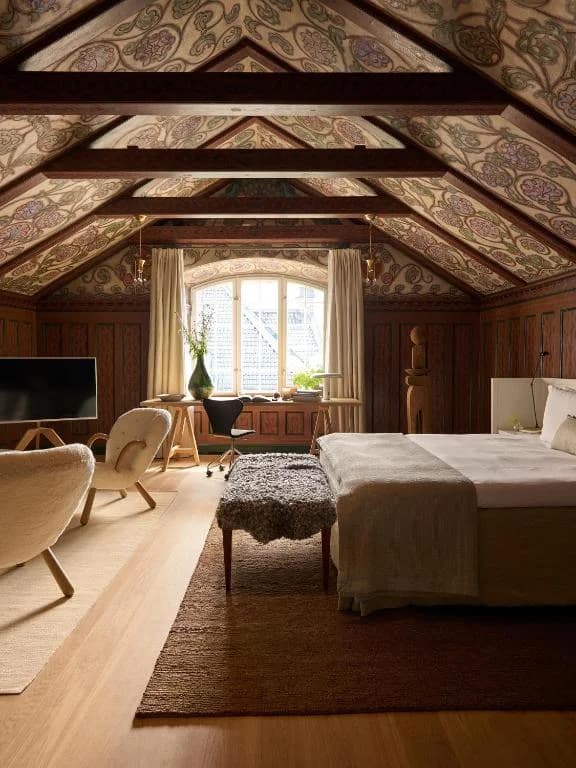
Fully renovated in the summer of 2013, Stari Grad is one of only 2 hotels within the Old Town walls of Dubrovnik. This historic residence offers 11 spacious guest bedrooms and 3 luxurious suites. Free

Dubrovnik is, by any architectural measure, one of the most formally composed cities on the Mediterranean. The Old Town, encircled by walls built between the 12th and 17th centuries, functions as a living civic monument. Its limestone streets, Baroque churches, and Renaissance fountains were designed for permanence, and that permanence is felt at every hour of the day. For the luxury traveler, this density of history creates both the appeal and the central challenge: how to experience it without being absorbed into its mass-tourism current.
13 hotels available

Fully renovated in the summer of 2013, Stari Grad is one of only 2 hotels within the Old Town walls of Dubrovnik. This historic residence offers 11 spacious guest bedrooms and 3 luxurious suites. Free

Located in Dubrovnik, a 11-minute walk from Bellevue Beach, City Hotel Dubrovnik provides accommodations with a terrace, private parking, a restaurant and a bar. The property is around 1.8 miles from

Located in Dubrovnik and with Beach Šulić reachable within a 3-minute walk, Heritage Hotel Lucia has concierge services, non-smoking rooms, a terrace, free WiFi throughout the property and a restauran

Located on the doorstep of Dubrovnik's Old Town, a UNESCO World Heritage Site, Hilton Imperial Dubrovnik features an indoor pool and a wellness center with saunas, a hammam, fitness and massage facili

Hotel Bellevue Dubrovnik is set on a spectacular cliff above Miramare Bay. Dubrovnik's old town is 0.7 mi away. Hotel Bellevue Dubrovnik offers a lovely pebbly beach with the Nevera beach restaurant.

Located in the Lapad Peninsula, Hotel Dubrovnik Palace offers a beach and a scuba diving center. All rooms now with sleek design and earthy colors, have a balcony and offer views of the Elaphite Islan

Located just 5 minutes’ walk from Dubrovnik’s Old Town, this beachfront 5-star hotel is a local landmark. It offers a luxurious 2789 ft² spa and 3 restaurants. Hotel Excelsior offers elegant rooms wi

Located in Dubrovnik, a 3-minute walk from Lapad Bay Beach, Hotel Sumratin has accommodations with a garden, private parking, a restaurant and a bar. This 5-star hotel offers room service, a 24-hour f

Set within the Royal Resort, Royal Ariston Hotel offers a private beach and a seaside swimming pool with panoramic views. Guided excursions to Elaphiti Islands are available. Free WiFi access is avail

Featuring a restaurant and a wine bar, The Pucić Palace is housed in an 18-th century baroque palace just steps away from the Stradun Promenade in Dubrovnik Old Town. This 5-star property combines mod

Providing free access to the large Balance Mediterranean Spa by Valamar with indoor and outdoor swimming pools, saunas, gym and beauty treatments, the Valamar Lacroma Hotel is located on the lush Bab

Located in Dubrovnik, a 5-minute walk from Banje Beach, Villa Argentina provides accommodations with a garden, free private parking, a terrace and a restaurant. This 5-star hotel offers room service,

Located in Dubrovnik, a 5-minute walk from Banje Beach, Villa Orsula provides accommodations with a garden, free private parking, a terrace and a restaurant. With free WiFi, this 5-star hotel offers r
The answer, in large part, is in the choice of where to stay. A well-positioned luxury hotel suite in Dubrovnik reframes the entire visit, offering seclusion when the gates open and the day-trippers arrive, and access when the city belongs to its quieter self, in the early morning and at dusk.
Staying within the walls is a specific experience. The properties here are limited in number and constrained by the architecture of centuries-old buildings. Suites within the Old Town tend to be intimate rather than expansive, with stone interiors, shuttered windows, and views over terracotta rooftops or into the Stradun, the city's main promenade. The trade-off is a complete immersion in the historic fabric, with the sounds of the city present at all hours.
Immediately east of the Old Town walls, the Ploce district sits on elevated terrain above the sea. This is where several of Dubrovnik's most architecturally serious hotels are positioned, offering suite-level accommodation with unobstructed views across the Adriatic toward the island of Lokrum. The elevation creates both visual and acoustic distance from the pedestrian core, while keeping the walls within walking reach.
Further from the Old Town, the Lapad Peninsula offers a quieter residential register. Hotels here tend to operate on a larger footprint, with pools, terraced gardens, and sea-facing suites that prioritize space and amenity over proximity to the historic center. For families or travelers who prefer a resort logic to their stay, this area functions as a considered alternative.
A short boat transfer from Dubrovnik's port connects to the Elaphiti Islands, including Sipan, Lopud, and Kolocep. Some travelers use a property on these islands as their primary base, returning to Dubrovnik for day visits. This approach privileges silence and isolation above all else, and suits those for whom the city itself is one element of a broader Adriatic itinerary.
The Dubrovnik Summer Festival, held annually from July through August, draws theatre, music, and dance performances into the open spaces of the Old Town, including the Rector's Palace and the city's historic fortresses. This period represents peak demand for every luxury hotel in Dubrovnik, and suite availability narrows significantly. Booking several months in advance is not a precaution but a requirement.
May and June offer a more composed version of the city. The heat is manageable, the sea is warm enough for swimming by late May, and the crowds have not yet reached their summer density. September and early October follow a similar logic, with the additional advantage of lower light angles that render the limestone city walls in a particularly specific amber tone in the late afternoon.
Winter in Dubrovnik is a different proposition entirely. The cruise ships are absent, the Old Town reverts to something closer to its year-round civic character, and a small number of hotels remain open with significantly adjusted rates. For travelers who prioritize atmosphere over warmth, this period has a distinct appeal.
Croatia does not operate a formal palace hotel classification in the French tradition, but Dubrovnik's luxury hotel market has evolved considerably over the past two decades. The leading properties compete on the strength of their views, their architectural positioning, and the precision of their service rather than on institutional heritage alone.
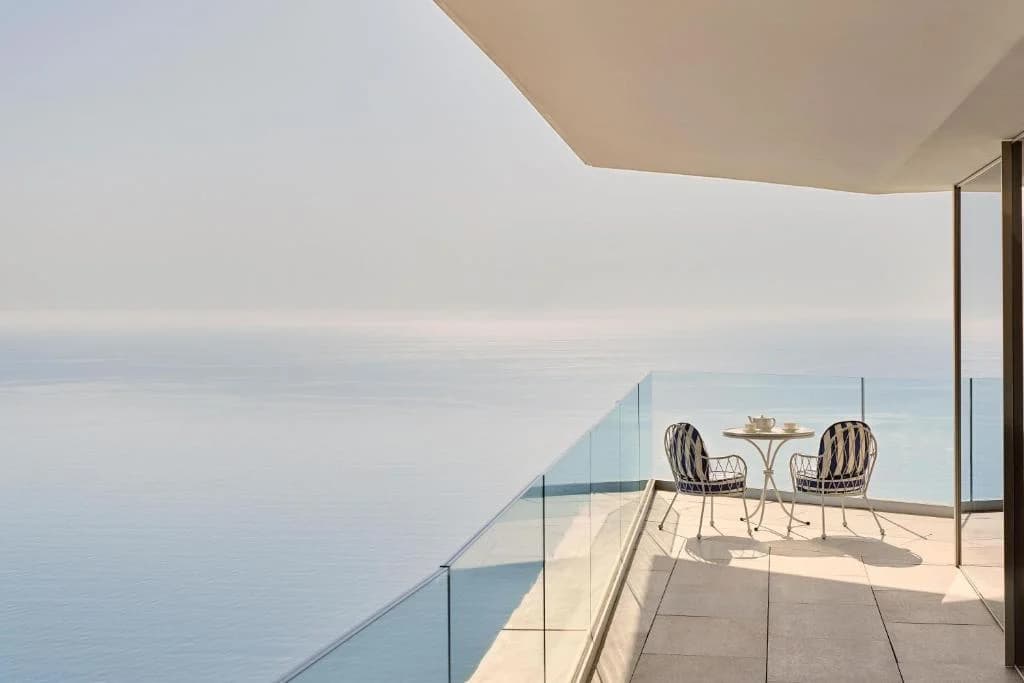
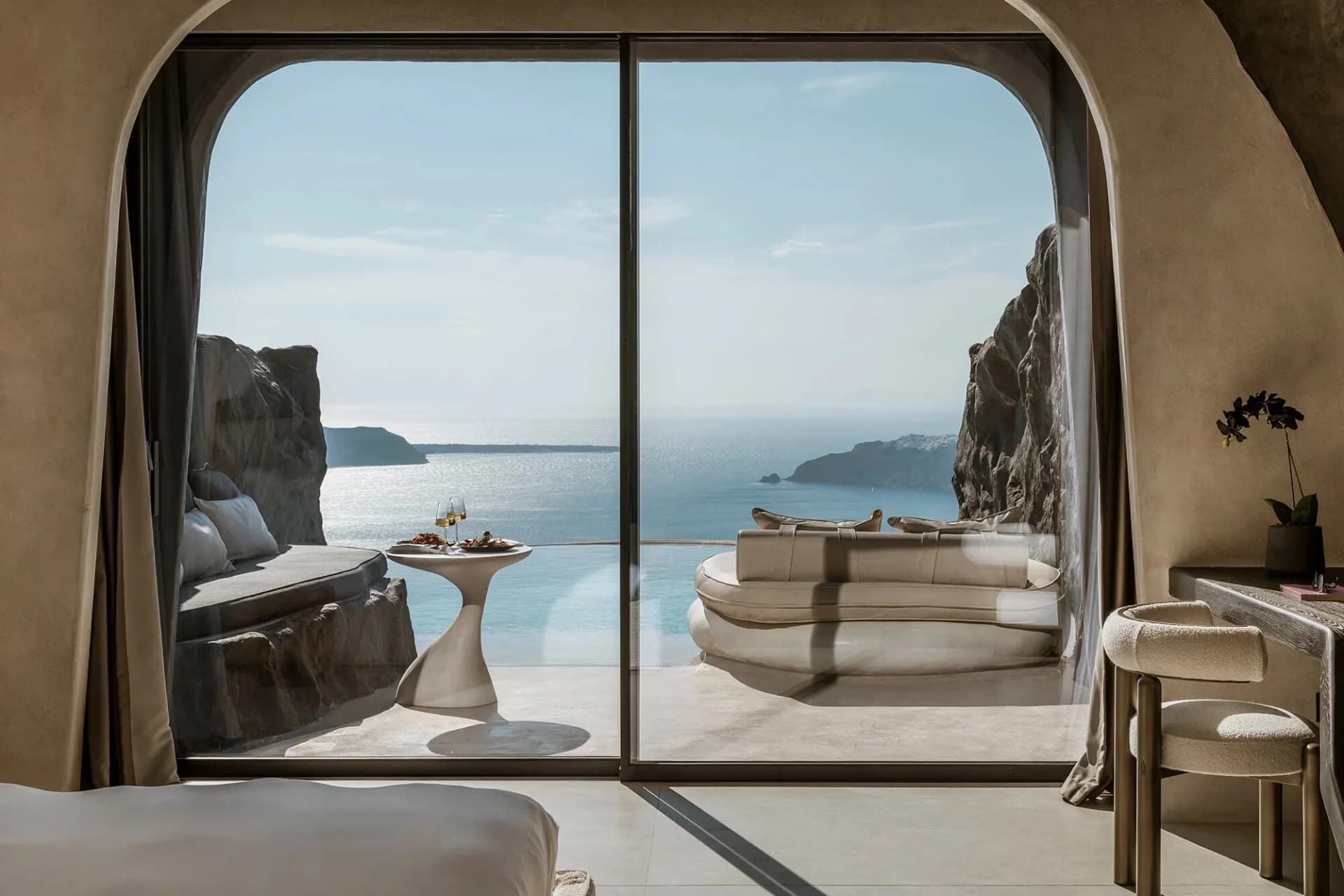
Expect suites at the upper end of the Dubrovnik market to feature private terraces or balconies with direct sea views, stone or marble interior finishes, and considered contemporary design that references the Adriatic palette without replicating it literally. Infinity pools positioned above the sea, private boat transfer arrangements, and in-suite dining with locally sourced Dalmatian ingredients are standard markers of the category.
The Dalmatian culinary tradition is itself a form of quiet luxury: olive oil produced on the islands, fresh fish from the Adriatic, and wines from the Peljesac Peninsula just north of the city. A well-appointed suite experience in Dubrovnik will integrate this into the stay without reducing it to a menu exercise.
The primary decision is positional. A suite inside the Old Town walls offers historical immersion but limited space and, in summer, ambient noise until late evening. A suite on the cliff edge east of the walls offers views, quiet, and a sense of elevation that changes the psychological relationship to the city below. A suite on Lapad offers resort amenity and sea access but requires transport to reach the historic center.
The second consideration is the nature of the view itself. In Dubrovnik, the Adriatic-facing orientation is almost always preferable to the landward alternative. The quality of light on the water at dawn and at dusk is one of the defining sensory experiences of the city, and a suite without access to it, whether through a terrace, a window, or a pool, foregoes the central argument for being here at all.
Travelers visiting in summer should also consider the acoustic environment of their suite. Stone buildings transmit sound differently from modern construction, and proximity to the Stradun or the city's bars and restaurants will affect the quality of sleep in a way that is difficult to reverse once you have arrived.
Dubrovnik's hotel market is small enough to appear comprehensible at a glance, but the variation in quality, positioning, and experience between properties at the same price point is considerable. The difference between a suite with a genuine Adriatic view and one with a partial courtyard outlook, or between a property with intelligent design and one with generic five-star finish, is not always legible from a booking platform.
La Suite applies an editorial standard to every property in its selection, filtering for the specific criteria that define a suite-level experience in this context: the quality of the view, the precision of the architecture, the coherence of the service, and the degree to which the stay amplifies rather than competes with the destination itself. In a city as formally composed as Dubrovnik, that level of curation is not a luxury. It is the point.

The Ploce district, east of the Old Town walls, is generally considered the most desirable position for luxury hotel suites in Dubrovnik. It combines proximity to the historic center with elevated sea views and a degree of separation from the daytime crowds. The Old Town itself offers immersive historic stays, while Lapad suits those who prioritize resort space over centrality.
May, June, and September offer the most favorable conditions for a luxury stay in Dubrovnik: manageable crowds, warm Adriatic temperatures, and better suite availability than peak summer. If visiting during the Dubrovnik Summer Festival in July and August, suites at leading hotels should be reserved several months in advance, as availability at that level becomes very limited.
Suite rates at the top hotels in Dubrovnik vary significantly by season and positioning. In peak summer, a well-positioned suite with Adriatic views can range from approximately 1,000 to several thousand euros per night. Rates in May, June, and September are generally more accessible, and a small number of properties remain open in winter at considerably lower prices.
Yes, a limited number of boutique properties within the Old Town walls offer suite-level accommodation. These tend to be architecturally intimate, with stone interiors and views over the historic streetscape rather than the open sea. The experience is one of full immersion in the medieval fabric of the city, though summer noise and limited space are factors to weigh against the historic appeal.
Leading suites in Dubrovnik typically feature private terraces or balconies with direct sea views, marble or stone interior finishes, infinity pools, and in-suite dining incorporating Dalmatian produce such as local olive oil, Adriatic seafood, and wines from the nearby Peljesac Peninsula. Private boat transfers to the Elaphiti Islands are offered by some properties at this level.
September and October offer a particularly refined version of Dubrovnik: the cruise ship traffic subsides, the light on the limestone walls is exceptional in the late afternoon, and suite rates decrease relative to peak season. Winter, while quiet and cooler, has its own appeal for travelers who value the city's architectural character without the overlay of mass tourism. A small number of hotels remain operational year-round.
A well-positioned luxury suite in Dubrovnik provides a retreat from the density of the Old Town during peak hours, while keeping the historic center accessible at quieter times of day. The elevated positions favored by leading properties offer direct engagement with the quality of Adriatic light that defines the city visually, and the privacy of a suite-level stay changes the psychological register of the entire visit.
Dubrovnik's distinction lies in the formal coherence of its Old Town, a UNESCO-listed medieval city with intact 14th to 17th century walls, Baroque architecture, and a limestone streetscape that has no direct equivalent on the Adriatic coast. Combined with proximity to the Elaphiti Islands and the wine-producing Peljesac Peninsula, it offers a layered cultural and geographic proposition that purely coastal destinations do not replicate.
Yes. The Elaphiti Islands, including Lopud, Sipan, and Kolocep, are accessible by regular ferry from Dubrovnik's Gruz port, with journey times ranging from roughly 30 minutes to just over an hour depending on the island. Several luxury hotels also arrange private boat transfers for guests. Some travelers choose to stay on the islands themselves and visit Dubrovnik on day trips for a quieter alternative base.
Historic suites within or immediately adjacent to the Old Town offer stone architecture, ambient city character, and maximum proximity to the UNESCO-listed monuments. Modern or recently renovated properties on the cliff edges tend to prioritize sea views, contemporary design, and resort amenities. The choice depends on whether you are drawn primarily to the architectural experience of the city itself or to the visual relationship with the Adriatic that surrounds it.