Understanding Versailles as a luxury destination
Best areas to stay in Versailles
Around the chateau and the Grandes Ecuries
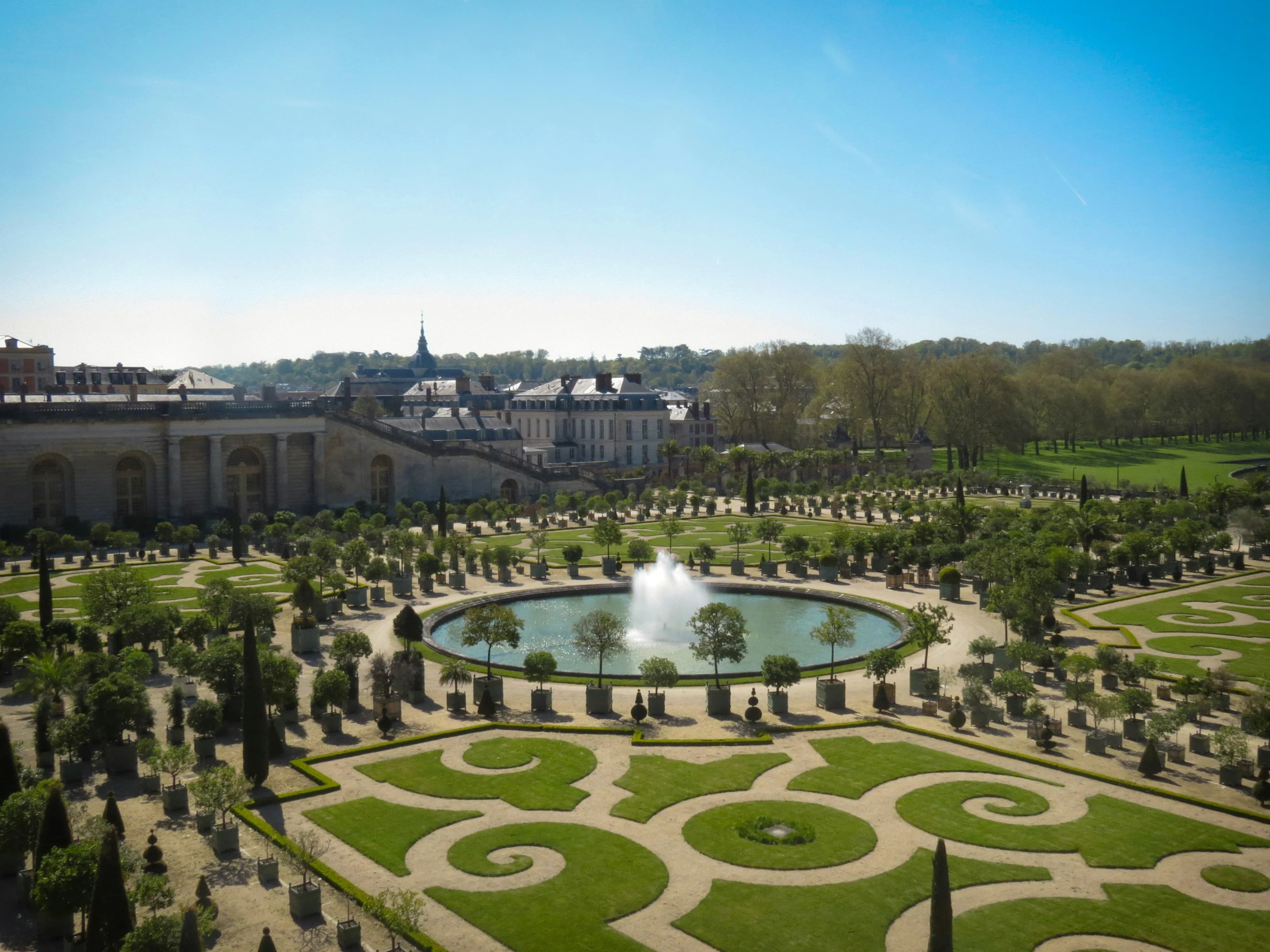
The area immediately adjacent to the Palace of Versailles and its former royal stables offers the highest density of prestige addresses. Properties here benefit from direct sightlines to the palace architecture and walking access to the main parterre gardens. For travelers whose primary interest is the chateau, its galleries, and the Grand Trianon, proximity matters in practical terms: early morning entry before general admission opens, and access to the gardens in the late afternoon once tour groups have departed, are genuine privileges of staying nearby.
The Saint-Louis quarter
Built in the early eighteenth century to house the court and its administrative apparatus, the Saint-Louis quarter is architecturally coherent in a way that few French urban districts still are. The streets follow a strict grid, the facades are consistent in height and material, and the overall effect is of a place designed as an ensemble rather than accumulated over centuries. Boutique properties and smaller luxury hotels in this area offer a more residential atmosphere while maintaining direct access to the palace grounds and the town's commercial streets.
Versailles-Rive Droite and the northern approaches
The northern side of Versailles, served by its own rail station, connects more directly to Paris Saint-Lazare and offers a slightly different entry point into the city. Properties in this area tend toward the contemporary and suit travelers who want proximity to Versailles as a cultural destination while also moving fluidly between the city and the capital. The pace here is calmer, the architecture less monumental, and the overall character closer to an affluent Parisian suburb than to the court city that defines the southern districts.
When to visit Versailles for a luxury stay
Versailles operates on a rhythm defined largely by the school calendar and by the summer visitor peaks. The gardens are at their most controlled and formally legible in late spring, when the parterres are fully planted and the fountains run on their regular schedule. The Grandes Eaux Musicales, a seasonal programme of musical fountain displays in the gardens, runs from April through October on specific days and represents one of the most distinctive experiences the site offers. Autumn brings cooler temperatures, reduced crowds, and a quality of light that suits the stone and statuary of the exterior spaces particularly well. Winter visits, while quiet, offer unobstructed access to the palace interiors and a clarity in the gardens that peak season obscures. Suite availability at the limited number of prestige properties tends to be tightest in June and September, when demand from both leisure and corporate travelers peaks.
Local luxury standards and what to expect from top suites in Versailles
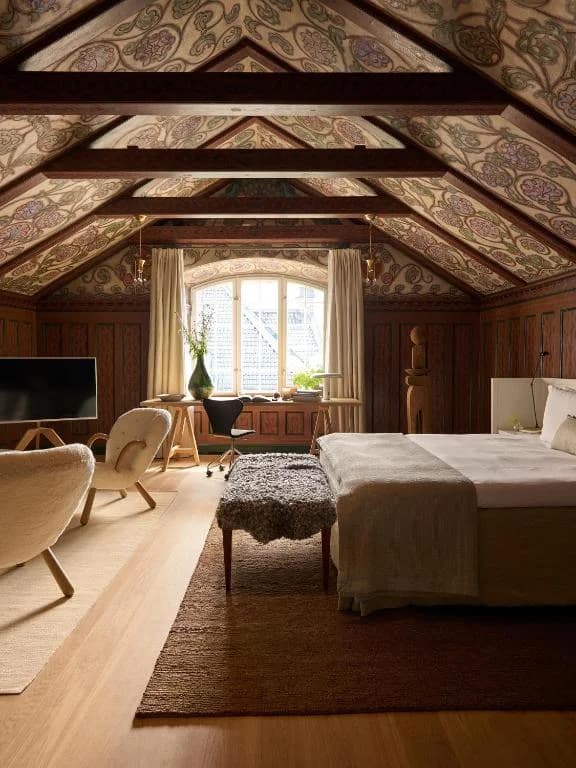
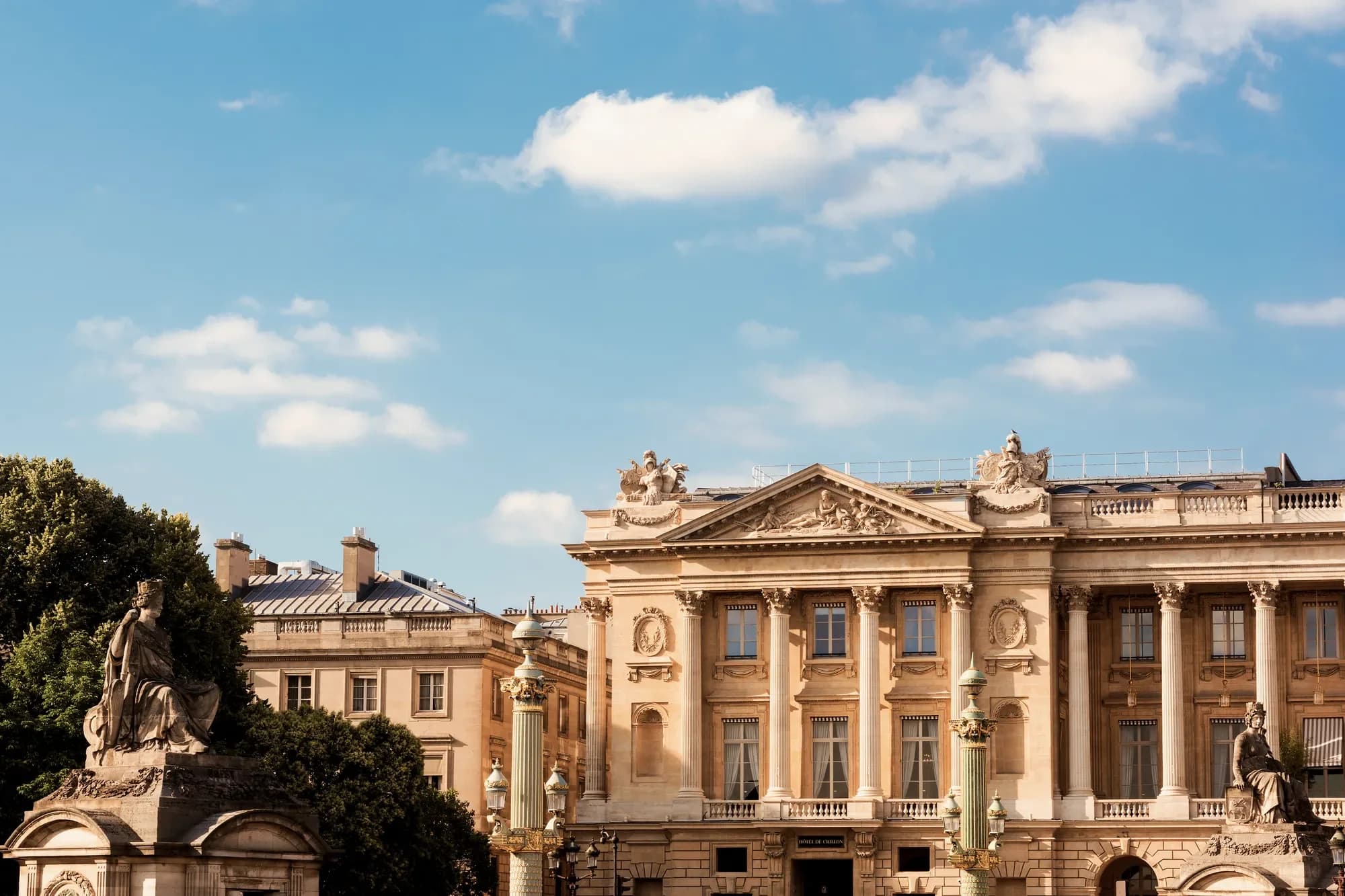
France maintains a formal classification system for its most distinguished hotel properties, with the Palace designation sitting above the conventional five-star category. A Palace-classified hotel in France is assessed against criteria that include the quality of its architecture, the calibre of its food and beverage operation, the depth of its service staff training, and the availability of personalised guest services around the clock. In Versailles specifically, the most distinguished properties draw directly on the city's architectural heritage, with interiors that reference the Louis XIV through Louis XVI periods in ways that range from scholarly restoration to contemporary reinterpretation. A luxury hotel suite in this context often means period proportions, high ceilings, and a material palette of stone, boiserie, and silk rather than the poured concrete and backlit resin that define contemporary luxury in other markets. Guests should expect concierge services calibrated to the cultural density of the destination: guided access to the palace's private apartments, introductions to the curators of the chateau's collections, and dinner reservations at the handful of serious restaurants operating in and around the town.
How to choose the right suite in Versailles
The question of architectural register matters more in Versailles than in almost any other French city outside Paris. A suite positioned in a converted eighteenth-century townhouse will deliver a fundamentally different sensory experience from one in a purpose-built contemporary property, even if both carry equivalent star ratings. Consider whether your preference leans toward historical authenticity, with original cornicing, restored floors, and period furniture, or toward a more edited contemporary approach that uses the city's visual language as a backdrop rather than a primary material. Views are a relevant variable: a room facing the Avenue de Paris or the chateau axis carries a different quality of morning light and visual context from one oriented toward an interior courtyard. Suite size in Versailles properties tends to be generous by French standards, reflecting the architectural scale of the city's original residential buildings, but it is worth confirming whether the suite includes a separate salon, as this affects the practical comfort of an extended stay significantly.
Why curation matters in a city with few prestige properties
Versailles presents a specific challenge for the informed luxury traveler: the destination's prestige is very high, but the number of hotels operating at a genuinely distinguished level is small. The risk is not choosing badly from among many options; it is defaulting to a property that markets itself on proximity to the palace without delivering on the interior standards that the setting implies. La Suite's curated selection for Versailles is built around direct editorial assessment rather than algorithmic aggregation. Each property is evaluated against criteria specific to this city: architectural coherence, suite quality relative to the local standard, service depth, and the ability to facilitate genuine access to the cultural and historical resources the destination offers. For a city where the gap between expectation and delivery can be significant, that curatorial precision is the most practical tool available to the traveler who intends to do Versailles properly.