Understanding Cognac as a luxury destination
The distinct areas of the Cognac region
The town center and riverside
The historic core of Cognac, concentrated around the old town and the Charente embankment, offers the most immediate access to the négociant houses and their visitor experiences. Properties in this zone tend to occupy converted merchant residences or former warehouses, with interiors that balance industrial heritage and contemporary finish. Suites here face the river or the narrow limestone streets, and the proximity to the maison cellars is a genuine differentiator for guests with a focused interest in the spirit.
The surrounding Charente countryside
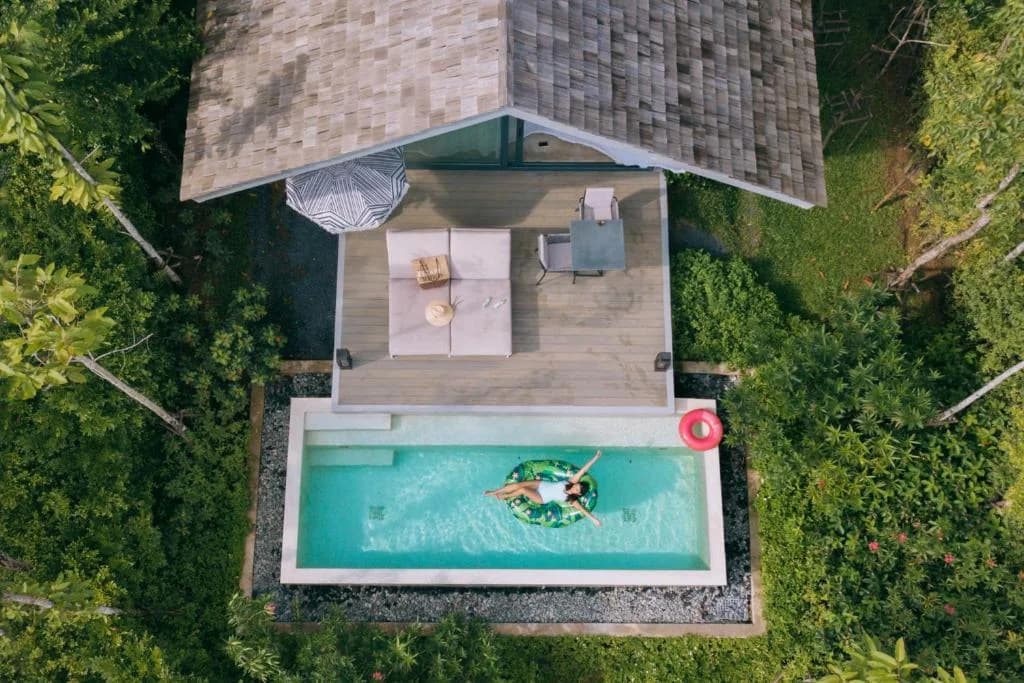
The six crus of the Cognac appellation, Grande Champagne, Petite Champagne, Borderies, Fins Bois, Bons Bois, and Bois Ordinaires, extend across a broad agricultural landscape of chalky soils, vineyard rows, and isolated domain properties. Staying within this rural perimeter, rather than in the town itself, offers a fundamentally different experience: longer sightlines, deeper quiet, and a sense of removal from any urban cadence. Luxury properties in this zone tend to be smaller and more architecturally singular, often converted from farming estates with considerable land.
Cognac and the broader Charente corridor
The Charente river connects Cognac to Angoulême to the east and Saintes to the west, both towns of distinct historical character. Guests who base themselves in the Cognac area and move along this corridor gain access to Romanesque architecture, Roman heritage, and an unhurried version of southwestern French cultural life. Properties positioned within this wider radius offer greater flexibility for guests whose itinerary extends beyond the spirit trade.
When to visit Cognac for a luxury stay
The optimal window for a high-end stay in Cognac runs from late April through October. The spring months bring mild temperatures and the beginning of tourist season, with the négociant houses fully operational and the countryside in a precise, clean state before the summer heat settles in. July and August are warm and active, though the town itself remains relatively composed compared to coastal Charente-Maritime destinations. September is arguably the most atmospheric month: the grape harvest begins across the Charente vineyards, the light acquires a particular golden density, and the distillation cycle prepares to restart. For guests with a serious interest in the production process, the autumn harvest period is the definitive time to visit. October and November bring the beginning of distillation season, a period of practical interest to anyone who wishes to observe the copper alembics in operation at the maison facilities.
Local luxury standards in Cognac
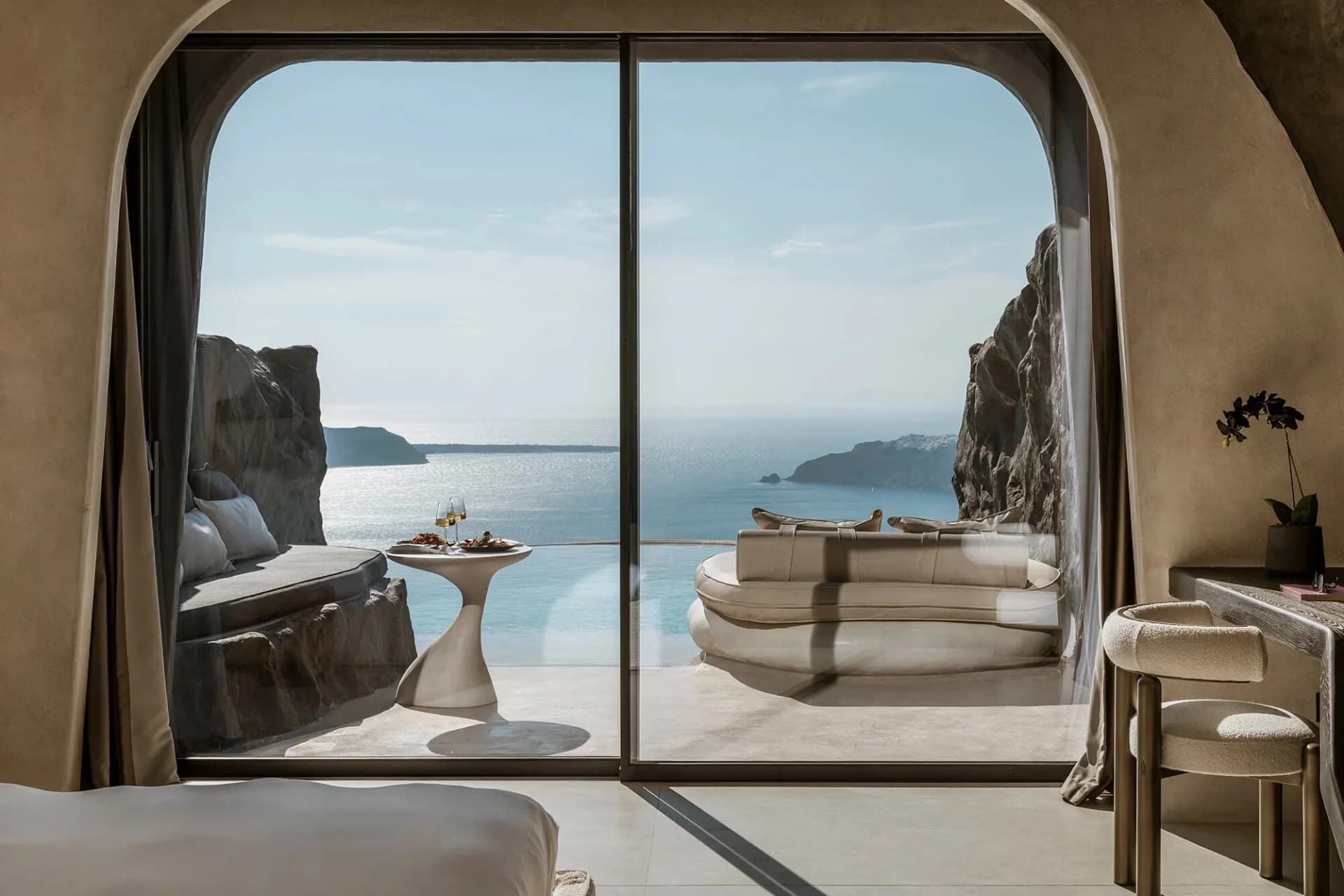
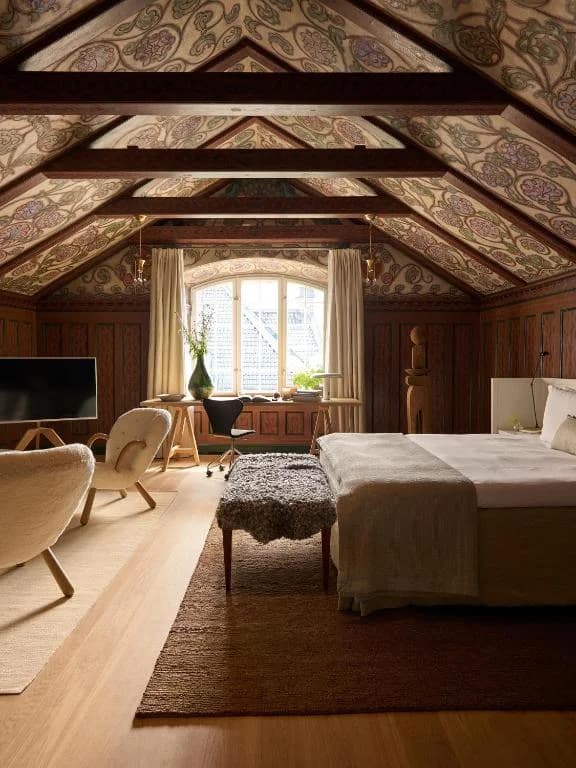
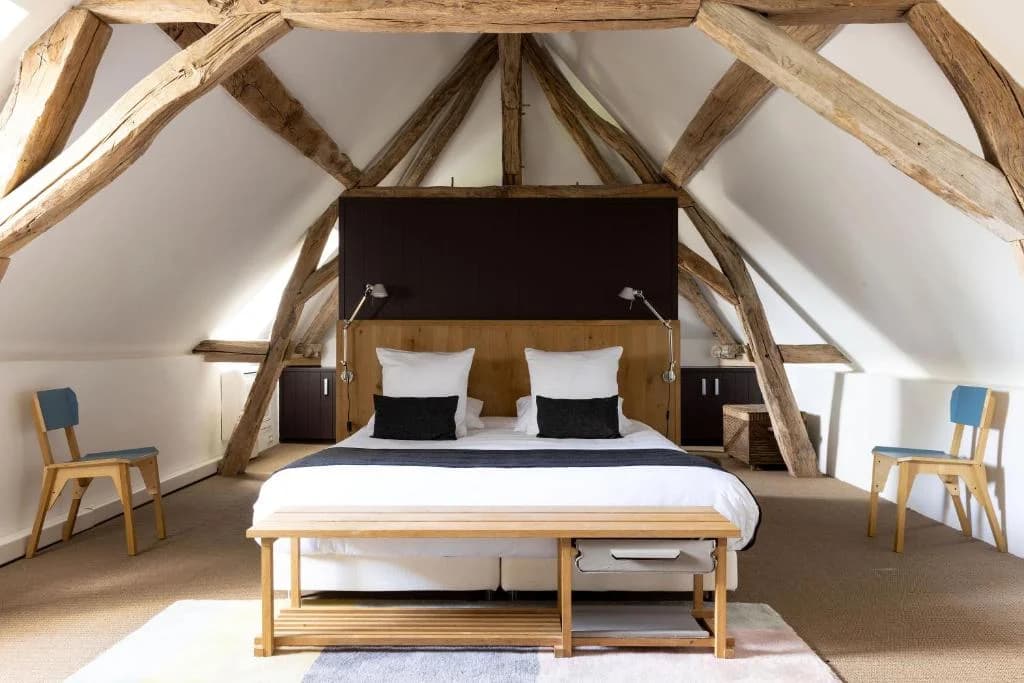
France operates a formal classification for its highest-tier hotel properties: the Palace designation, awarded by Atout France, recognizes establishments that exceed the five-star standard across a precise set of architectural, service, and experiential criteria. Cognac itself does not currently hold a Palace-designated property, which reflects the town's scale rather than any deficit of quality. What the region offers instead is a category of intimate, architecturally grounded properties where personalization and discretion replace the infrastructural breadth of a grand urban hotel. Suites in this context are often individual in character rather than formulaic, defined by the specific building they occupy: vaulted ceilings from a former chai, floor-to-ceiling windows in a restored merchant house, or private terraces over working vineyard parcels. The service standard in this region tends toward the personal rather than the ceremonial. Guests should expect attentive, knowledgeable hosts with direct relationships to the négociant houses, capable of arranging private cellar visits and bespoke tasting experiences that are not available through standard public booking channels.
How to choose the right luxury suite in Cognac
The primary decision in Cognac is architectural and positional: town or countryside. A suite within the town center prioritizes access and atmosphere, placing the guest within walking distance of the historic maisons and the Charente embankment. A property in the countryside prioritizes space, silence, and a more immersive relationship with the appellation landscape. Neither is superior in absolute terms; the choice depends on how the guest intends to structure their time.
A second consideration is the degree of hospitality integration. Some properties in the Cognac area have formal agreements with the grandes maisons, providing guests with access to private tours, archive visits, and master blender appointments that constitute a meaningfully different experience from the standard visitor program. When selecting a suite, it is worth confirming what relationships the property maintains with the local houses.
A third factor is seasonality and duration. A one-night stay absorbs the immediate atmosphere of the town and a single cellar visit. A three-to-five-night stay allows for a structured progression through several houses, a drive through multiple crus, and a genuine familiarity with the regional pace. Suites with kitchen facilities or private dining arrangements support longer stays more effectively than rooms designed for single-night occupancy.
The value of a curated selection in Cognac
Cognac's hotel offer is not extensive. The town's scale and the relatively specialized nature of its appeal mean that the total number of properties meeting a genuine luxury standard is small, and the distinction between a well-positioned suite and a generalist accommodation is significant. In a market where volume is limited, curation becomes more consequential, not less. La Suite applies a consistent editorial framework to its Cognac selection, evaluating properties on architectural integrity, suite specification, service capability, and contextual relevance to the destination. The result is a focused inventory that removes uncertainty from the selection process and ensures that each property on the platform has been assessed against criteria appropriate to high-end travelers. For a destination as specific and context-dependent as Cognac, that level of editorial precision is the most practical tool a traveler can use.