Understanding Nîmes as a luxury destination
Where to stay in and around Nîmes
The historic centre
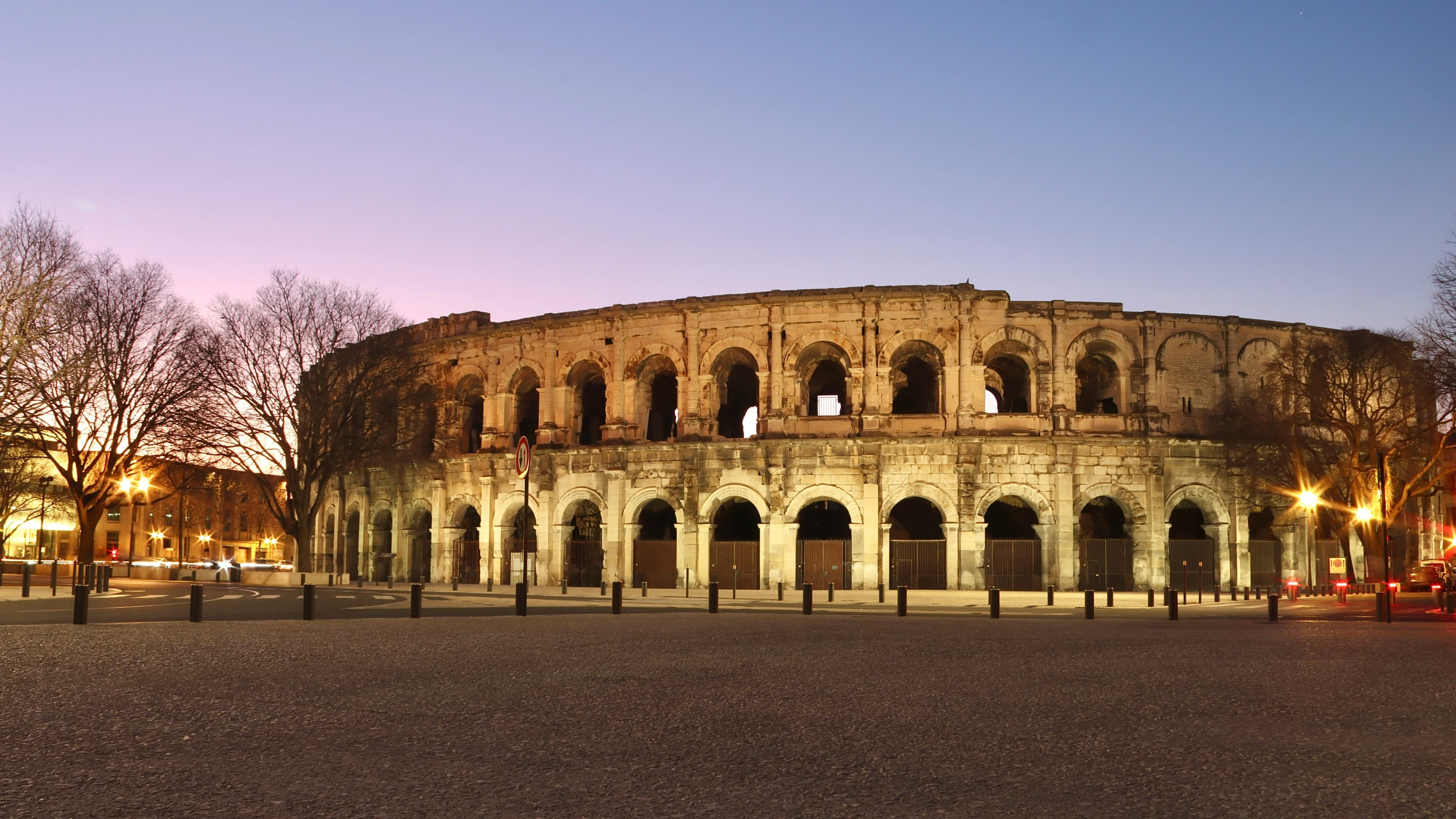
The area immediately surrounding the Arènes de Nîmes and the Maison Carrée constitutes the most architecturally coherent part of the city. Hotels in this zone place guests within walking distance of monuments that date to the first and second centuries. The streets here are tight and the scale is human. A suite in this quartier means waking to the same spatial logic the Romans imposed, a consistency of proportion that the rest of the city still respects.
The Écusson district
The old walled centre, known as the Écusson, extends beyond the principal monuments into a denser residential and commercial fabric. This neighbourhood rewards slower exploration: courtyards, fountains, the remains of medieval overlays on Roman foundations. Suites in boutique properties here tend toward intimate scale, with the kind of architectural detailing (vaulted ceilings, exposed stonework) that larger hotels cannot replicate.
The peripheral countryside and Pont du Gard proximity
Within thirty minutes of Nîmes, the landscape opens into garrigue, vineyard, and the valley of the Gardon river. The Pont du Gard, one of the most complete Roman aqueducts in existence, sits just outside Vers-Pont-du-Gard. Travelers staying in Nîmes with access to a vehicle can base themselves in the city and reach this monument, alongside the wine appellations of Costières de Nîmes and the Camargue to the south, with ease. Some properties on the fringes of the city offer suite accommodation within converted historical structures, providing both urban proximity and spatial calm.
When to visit Nîmes
The city operates on a Mediterranean rhythm: long, dry summers with intense heat, mild and relatively short winters, and two shoulder seasons that offer the most comfortable conditions for exploration on foot. May and June are widely considered the most balanced months: temperatures are manageable, the light is sharp, and the city's principal cultural events are approaching. September and early October bring the vendange in the surrounding vineyards and a return of the city to its residents after the summer influx.
The Feria de Nîmes, held twice annually in the spring and September, transforms the city into a corrida capital. These events (among the largest taurine festivals in Europe outside Spain) fill the Arènes and create a city-wide atmosphere of concentrated intensity. Suite availability during feria periods is constrained well in advance; travelers specifically seeking this experience should plan accordingly. Those who prefer Nîmes at its most composed will find the off-season months from November to March genuinely tranquil, with the monuments largely uncontested.
Local luxury standards: what to expect from top-tier suites in Nîmes
France operates a formal hotel classification system with five stars at the apex, and a separate designation (the Palace label) awarded by Atout France to a small number of exceptional properties nationwide. Nîmes does not currently hold a Palace-designated property, but the city supports a category of five-star and high-end boutique hotels whose suite offerings reflect the specific architectural character of the region.
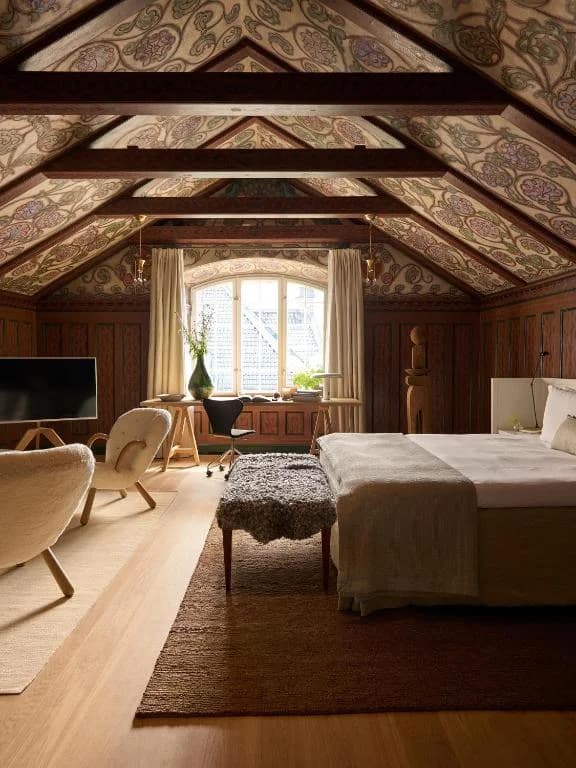
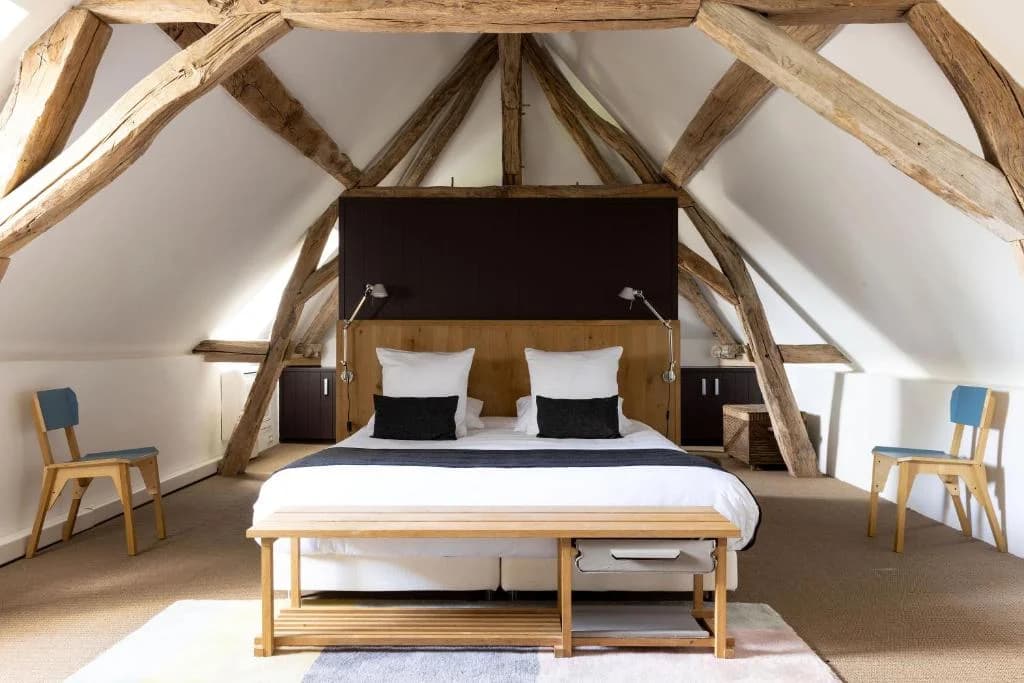
The most distinctive suites in Nîmes tend to feature stonework and structural elements drawn from the local building tradition: limestone, terracotta, and the ochre and cream palette of the Languedoc. Properties converted from historical hôtels particuliers (private urban mansions) are particularly relevant here, offering suite-level space within genuinely old envelopes. Expect high ceilings, considered natural light, and a restraint in decoration that mirrors the city's own aesthetic tone. Air conditioning is standard in summer-facing suites; outdoor terrace or courtyard access is a premium feature in the historic centre.
How to choose the best suite in Nîmes
Historical architecture versus contemporary design
The choice between a converted historical property and a contemporary hotel is more pronounced in Nîmes than in many cities. The former offers the experience of occupying a building with genuine age and material specificity; the latter typically offers more consistent technical standards and design coherence. Neither is categorically superior. The traveler who prioritises tactile and spatial experience will generally favour historical properties. Those who require predictable lighting, contemporary bathroom fittings, and acoustic insulation may find modern construction more reliable.
Scale and privacy
Nîmes is a mid-sized city and its luxury hotel stock reflects that scale. The largest properties are boutique by international standards. This works in the suite traveler's favour: service ratios are typically high, and the gap between a standard room and a suite is significant in terms of both space and attention. Travelers accustomed to anonymous large-format hotels will find Nîmes properties generally more personal in their service orientation.
Proximity to monuments
In a city where the primary value is architectural, location matters considerably more than in a resort destination. A suite within five minutes' walking distance of the Arènes and the Maison Carrée provides a qualitatively different experience from one requiring a taxi. Early morning access to the monuments, before group visitors arrive, is one of the specific pleasures Nîmes offers, and it is accessible only on foot from within the historic centre.
The value of a curated selection in Nîmes
Nîmes is not overloaded with luxury hotel options, but the differential in quality between properties is significant. The city's hotel stock ranges from chain hotels oriented toward business travelers to genuinely exceptional boutique properties whose suite offerings merit serious consideration. Identifying the latter without local or editorial knowledge requires time and risks poor decisions. La Suite approaches Nîmes with the same curatorial framework applied across all destinations: each property is assessed for the quality of its suite category specifically, not its general reputation or star count. For a city of this scale, a curated selection by La Suite removes the ambiguity and surfaces the options that justify the stay.