Where to stay in Avignon for a luxury suite experience
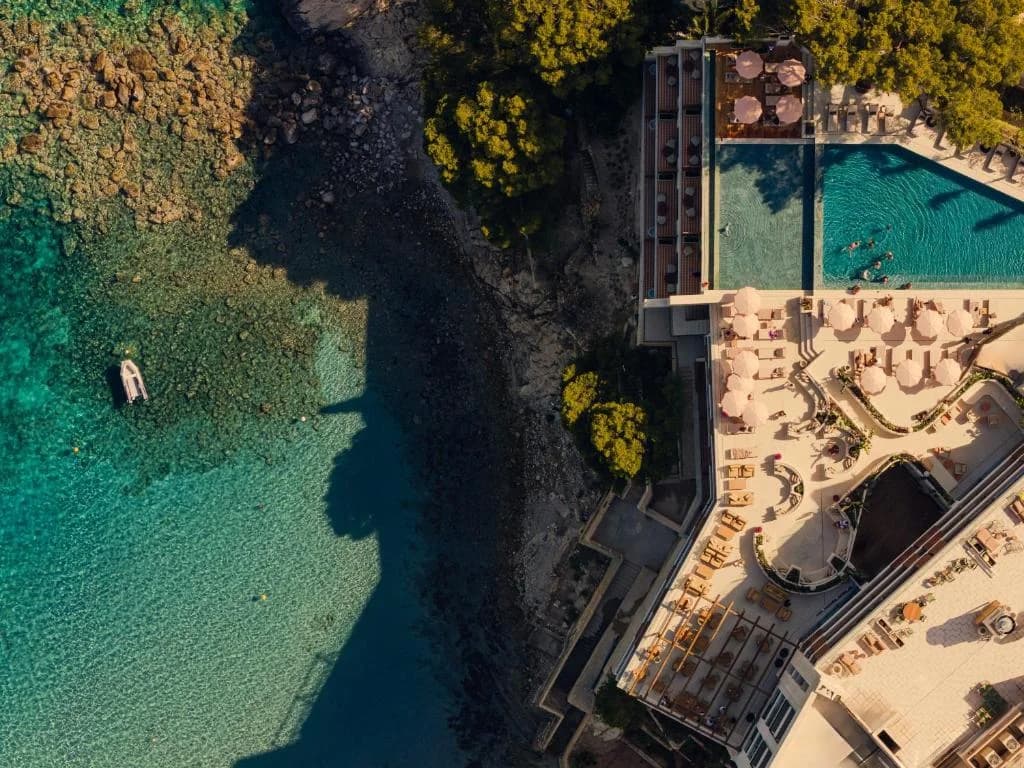
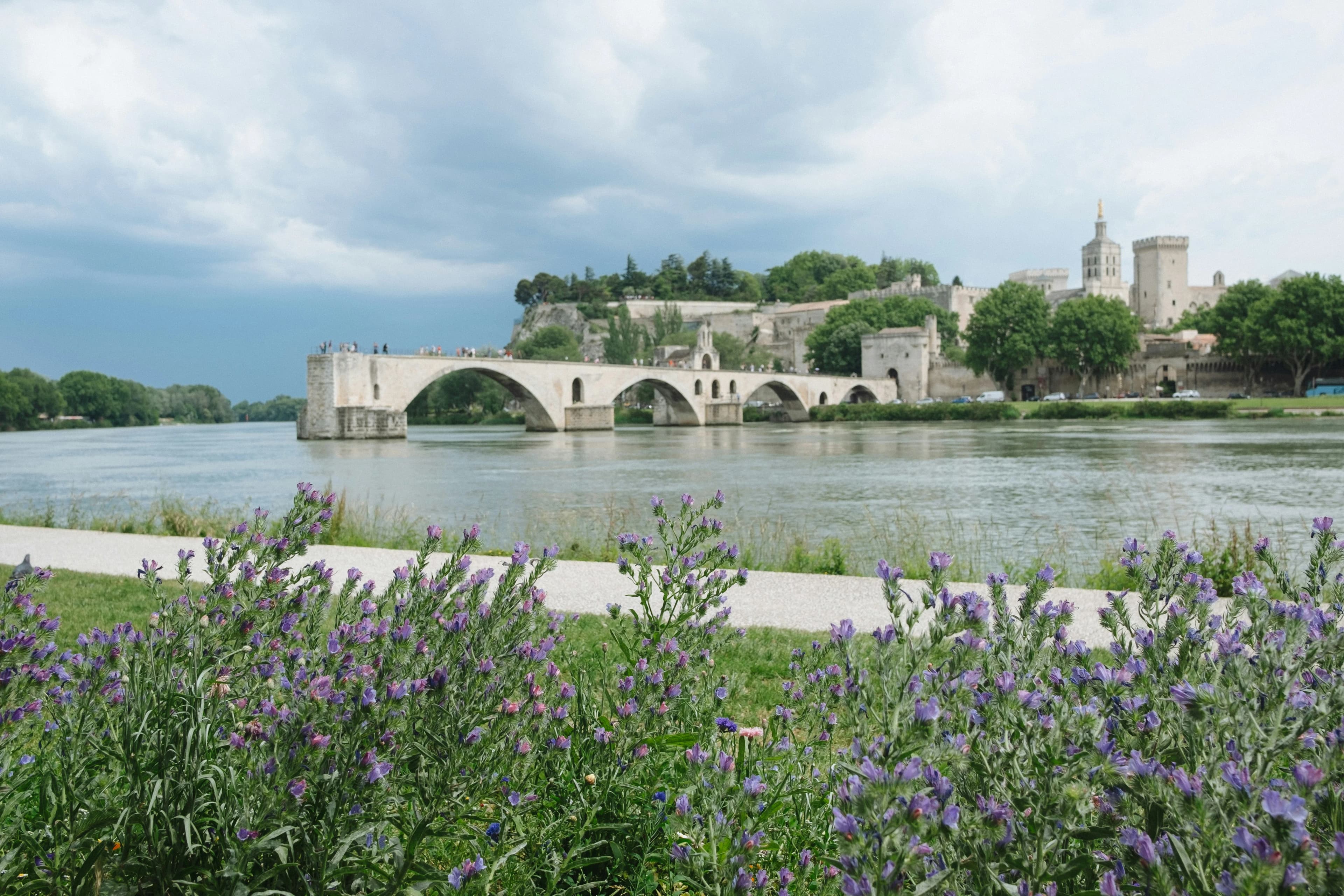
Across the Rhône, the commune of Villeneuve-lès-Avignon offers a quieter counterpoint. Historically a residence for cardinals who preferred distance from the papal court, it retains a certain discretion. Properties here often come with more outdoor space, garden terraces, and views back across the river toward the ramparts. For travelers prioritising privacy and a slower Provençal register, this side of the river is worth considering.
The Luberon and the Alpilles, both within an hour's drive, represent the broader Provençal context that many visitors use Avignon as a base to access. A suite in the city itself provides the cultural and logistical anchor for excursions into the countryside.
When to visit Avignon for a high-end stay
The city operates on a dual seasonal logic. July is defined by the Festival d'Avignon, one of the oldest and most respected performing arts festivals in Europe, running since 1947. During this period, the city reaches maximum cultural intensity. Hotel suites book well in advance, rates reflect demand, and the public spaces of the intra-muros fill with an international creative audience. For travelers who engage with contemporary theatre, dance, and performance, this is the most concentrated cultural proposition the city offers.
Outside festival season, the rhythms shift considerably. Late spring, from April through June, brings mild temperatures, open terraces, and the beginning of the lavender cycle in the surrounding countryside. September and October offer post-harvest light, wine country access during vendange, and a city that has returned to its residents. Suite availability is generally stronger in these shoulder months, and the pace of a stay becomes more considered.
Winter in Avignon is cold and quiet. The mistral, the regional north wind, can be forceful between December and February. For travelers who prefer a city largely to themselves, it presents an austere and architecturally legible version of the destination.
Understanding luxury standards in Avignon
France maintains a formal classification system for its most prestigious hotels under the Palace designation, awarded by Atout France, the national tourism authority. This classification sits above the five-star category and applies to a very small number of properties nationally. In Avignon and its immediate surroundings, the top tier of hotels operates within the five-star category, with some properties carrying regional prestige that reflects their architectural heritage, culinary positioning, and service standards.
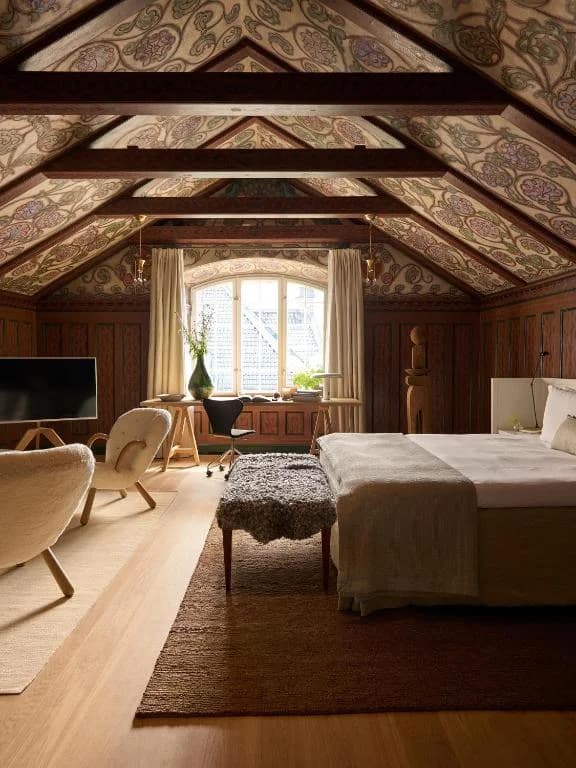
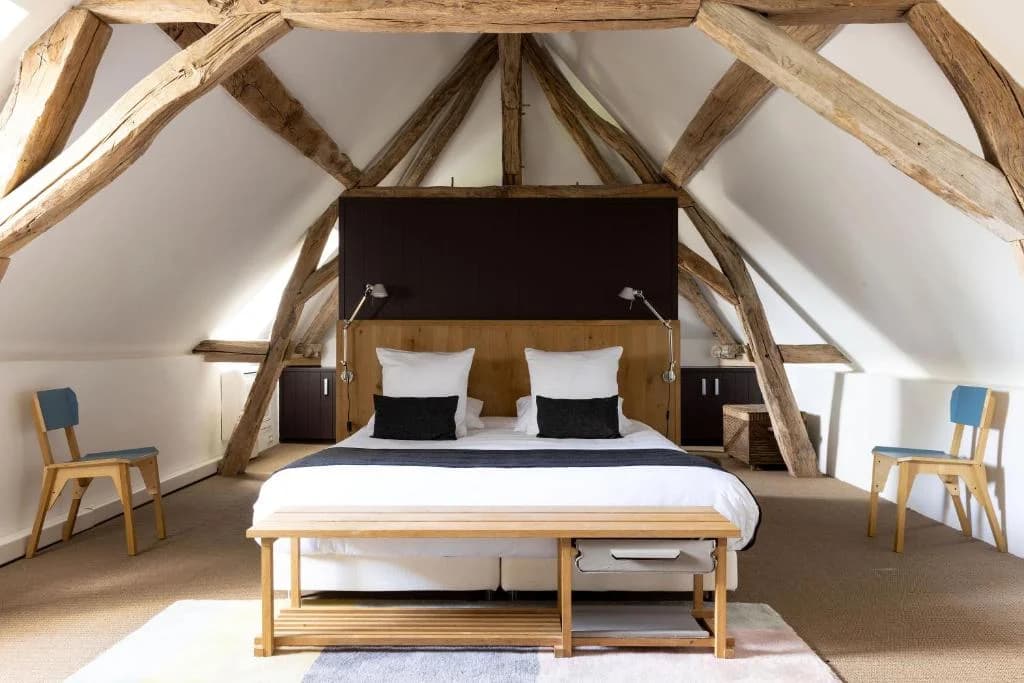
In this part of Provence, the concept of the luxury hotel suite extends beyond thread count and surface area. What distinguishes a genuinely high-calibre suite in Avignon is the relationship between the interior and the surrounding built environment. Exposed stone, vaulted ceilings, and historically informed restoration work are markers of quality here in a way that generic modern luxury is not. A suite that places you in dialogue with the city's medieval fabric offers an experiential register that a newly constructed property cannot replicate.
Cuisine is integral to any assessment of Avignon's luxury offer. The city sits at the centre of a serious food culture: the Rhône Valley wine appellations including Châteauneuf-du-Pape, Gigondas, and Vacqueyras are immediately accessible, and the local market tradition, centred on Les Halles, supplies some of the finest produce in the south of France. Top-tier hotels here are expected to engage seriously with this regional context, and the best suites are designed to make that engagement effortless.
How to choose the best luxury hotel suite in Avignon
The primary decision for a traveler choosing a suite in Avignon is architectural: historic conversion or contemporary positioning. Properties within the ramparts tend to offer the former, with interiors that work with existing stone structures, irregular layouts, and an inherent sense of place. This comes with practical considerations. Rooms may be non-standard in proportion, and outdoor space within the walls is limited.
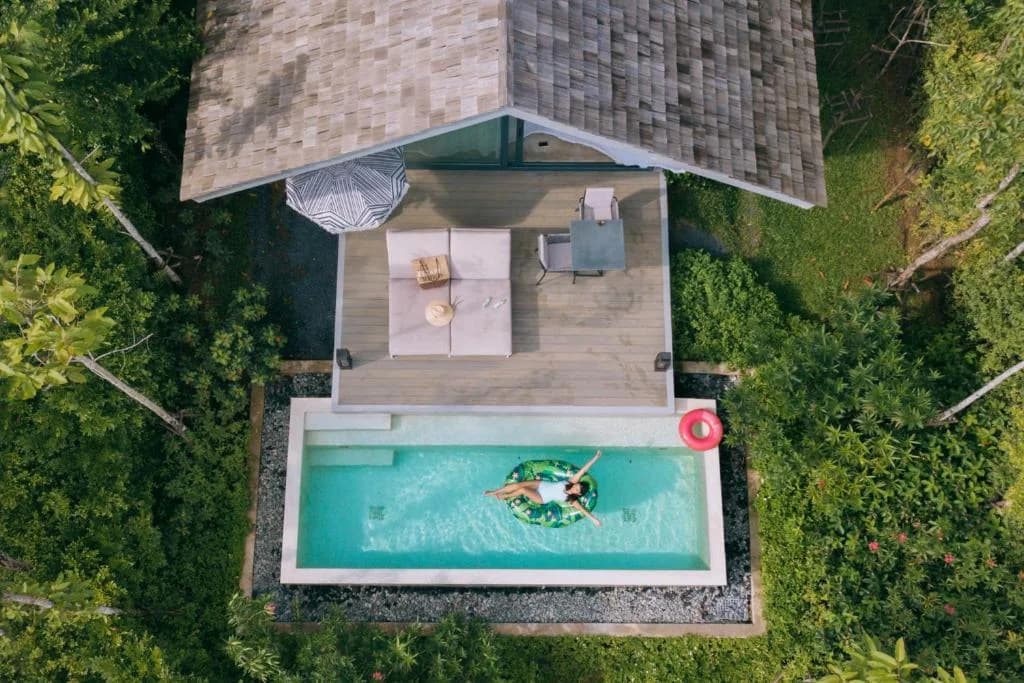
For travelers who require a terrace, a private pool, or significant garden access, properties on the periphery or across the river tend to be more viable. This trade-off between central cultural access and spatial generosity is a genuine one, and the right answer depends on the nature of the trip.
During the Festival d'Avignon, suites should be reserved several months in advance. The city's hotel stock is finite, and the demand concentration in July is significant. Outside this window, lead times are shorter, though the best suites in the most architecturally distinctive properties fill early in the spring-to-autumn season.
Consider also the culinary infrastructure attached to a given property. A suite with direct access to a kitchen team working with regional produce adds a dimension to the stay that goes beyond accommodation. In a city this close to its agrarian and viticultural surroundings, that proximity is worth factoring into the selection process.
Why a curated selection matters in Avignon
Avignon has one of the most clearly defined luxury hotel profiles of any city in southern France, but the number of properties operating at genuine top-tier level is small. In a market this concentrated, the quality of curation matters more than volume. The difference between a well-positioned suite in a historically sensitive conversion and a generic five-star room in a modern property is significant, and that distinction is not always legible from standard booking interfaces.
La Suite applies editorial and experiential criteria to its selection process, identifying the suites in Avignon that meet a precise threshold for space, design, service, and contextual relevance. The result is a concise, considered list rather than an exhaustive directory. For travelers who make suite selection a deliberate part of trip architecture, this compression is the point.