Why the Eiffel Tower district commands attention for luxury suite stays
Areas within the Eiffel Tower neighborhood worth understanding
The Champ-de-Mars axis
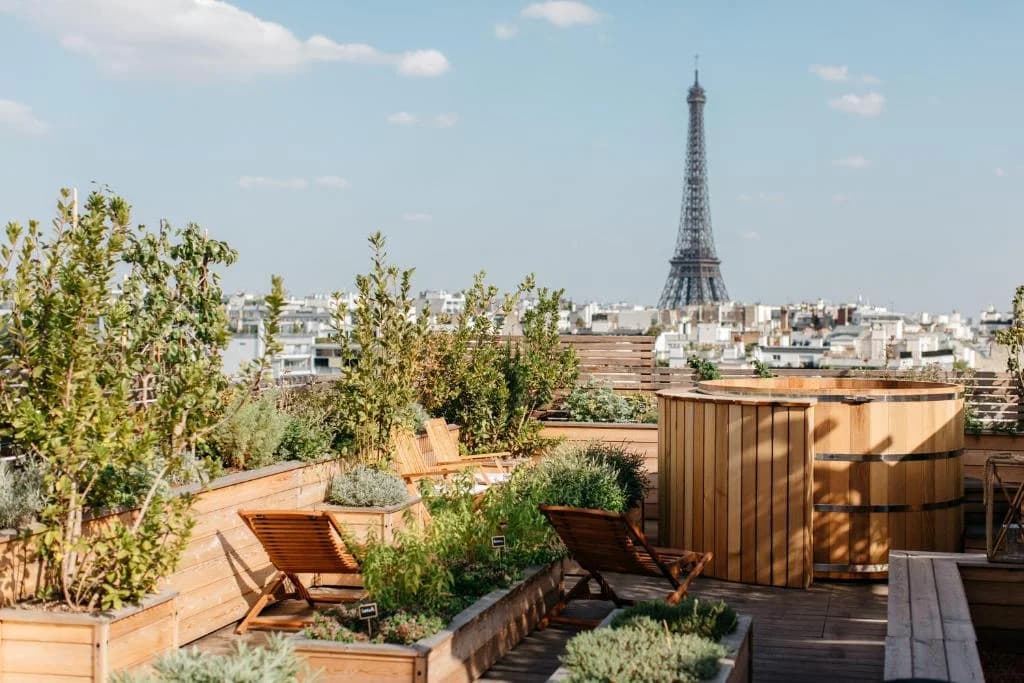
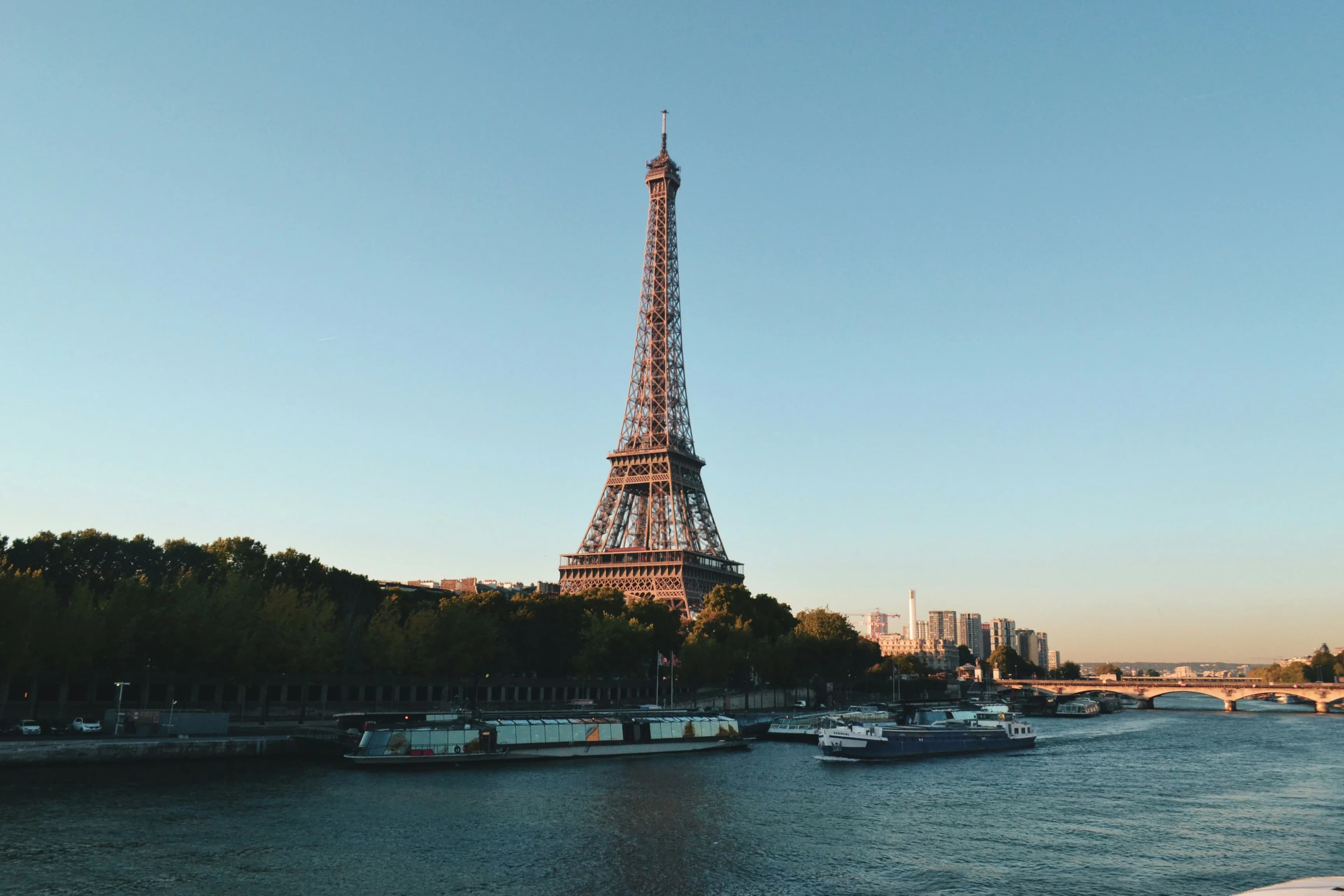
The formal garden stretching southeast from the tower toward the École Militaire provides the neighborhood's defining open space. Hotels positioned along or adjacent to this axis offer suite configurations that can capture direct iron-lattice views at varying elevations. This is the zone where a corner suite with a northwest-facing terrace becomes an architectural proposition in its own right. The residential character of the surrounding streets keeps ambient noise low, a factor that matters when selecting a suite for extended stays.
Trocadéro and the 16th arrondissement
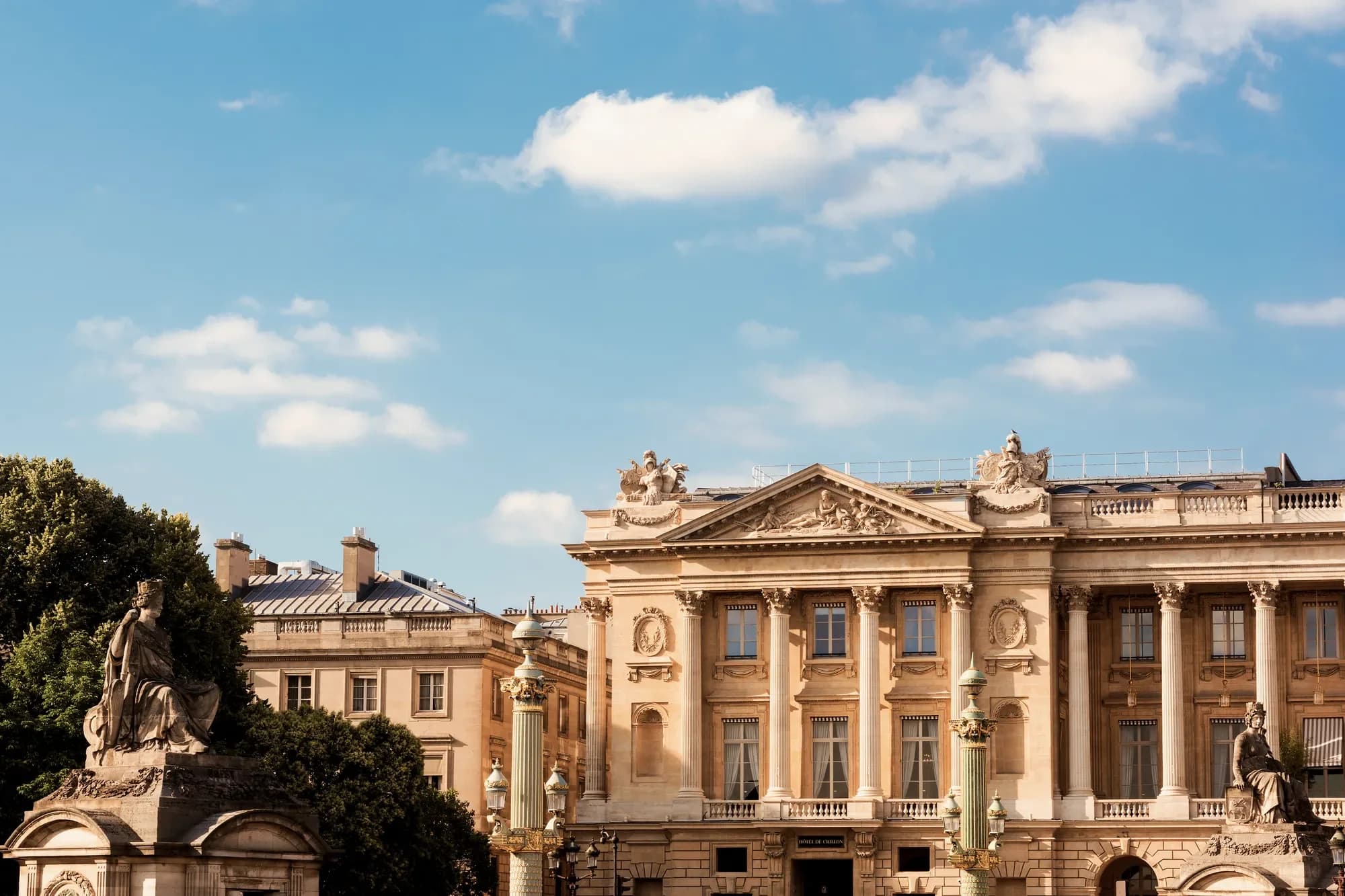
Across the Seine to the north, the Trocadéro plateau sits at a slightly elevated position, giving it a frontal perspective on the tower that many consider the most resolved. The 16th arrondissement here is quieter still, with wide avenues and a clientele that skews toward old Parisian money and international diplomatic households. Luxury hotels in this pocket tend toward classicism in their architecture and discretion in their service culture. Suite sizes in the 16th often exceed those available in more central arrondissements, reflecting the larger building footprints of the period.
Rue de l'Université and the interior 7th
Moving away from the tower's immediate perimeter, the interior streets of the 7th, particularly around Rue de l'Université and the Rue du Bac, offer a different character. Here, boutique properties converted from private mansions present suite accommodations with double-height ceilings, original parquet, and interior courtyards. The views shift from the tower itself to the architectural texture of Paris at street level. For travelers who value the city's material culture over panoramic sightlines, this corridor is worth specific attention.
When to stay near the Eiffel Tower
Paris operates on a rhythm that rewards informed timing. The spring window from late March through May brings moderate temperatures, extended evening light, and the seasonal reopening of hotel terraces. This is when suites with outdoor space deliver their full value. June through August brings the highest occupancy across the city, and the Eiffel Tower district, given its tourist density, can feel pressured during this period. September and October represent a considered alternative: cultural season resumes, temperatures remain agreeable, and suite availability improves markedly. The winter months carry their own appeal for travelers who prefer the city at reduced volume. The tower's illumination against a dark December sky is a different kind of spectacle, and hotel rates reflect the season accordingly.
Understanding luxury standards in Paris
The Palace designation
France operates a formal tier above the standard five-star classification: the Palace label, administered by Atout France and reviewed every five years. Properties holding this designation must meet criteria across architecture, service ratios, suite square footage, culinary standards, and cultural programming. In practical terms, a Palace suite near the Eiffel Tower will offer a level of spatial and operational refinement that a conventional five-star cannot replicate. The distinction matters when selecting accommodation at this price point.
What top-tier suites in this district actually offer
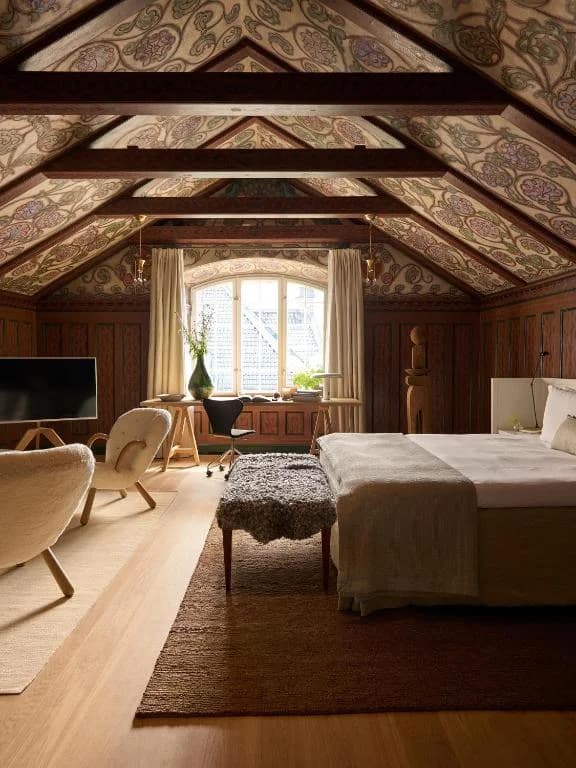
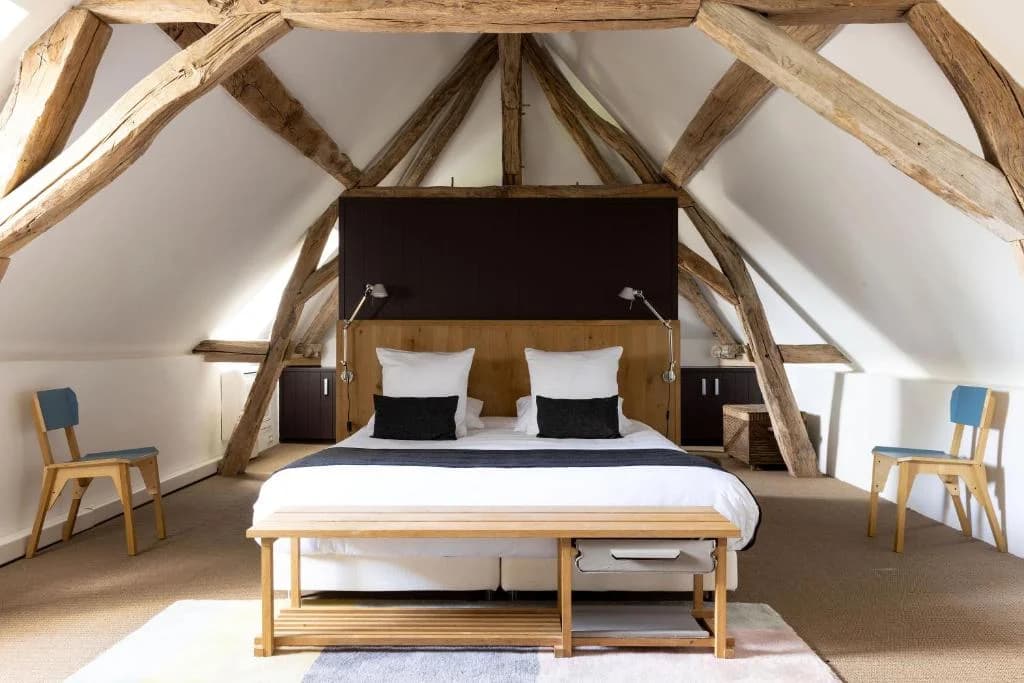
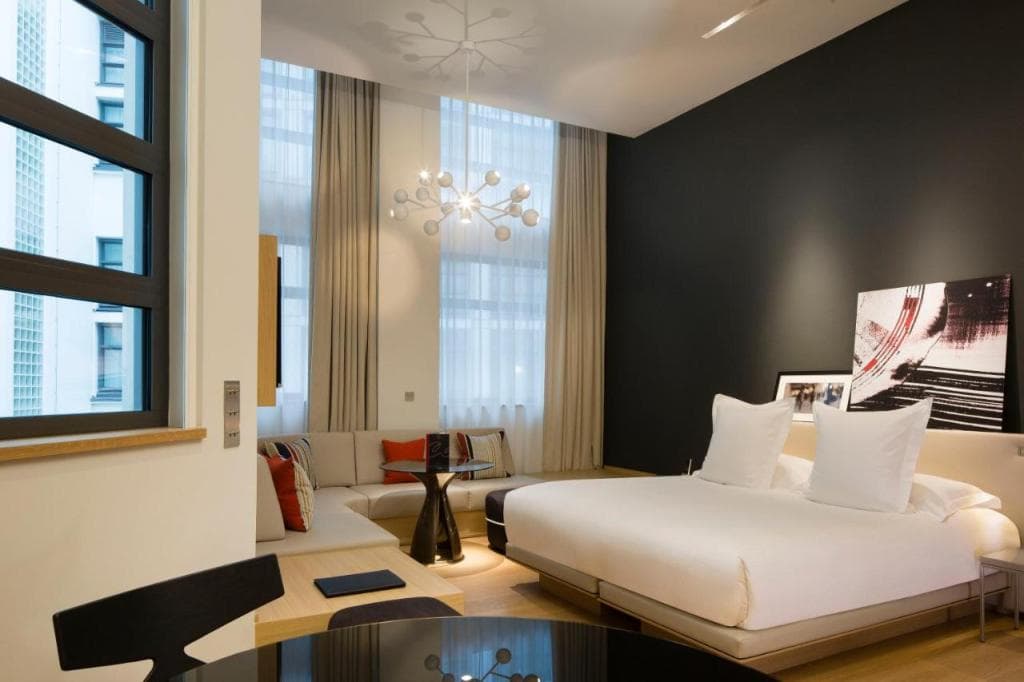
The finest luxury hotel suites in the Eiffel Tower area share several consistent characteristics. Ceilings tend to be high, reflecting the Haussmann construction standard. Bathrooms are typically finished in natural stone, often Carrara marble or French limestone. Butler service is standard in leading properties, as is access to in-suite dining drawn from kitchens with serious culinary credentials. Many suites in this district have been individually designed rather than replicated across floors, meaning the selection of a specific room number carries genuine consequence. The tower-view premium is real: suites with direct sightlines command meaningfully higher rates and require advance planning, particularly for peak dates.
How to choose the right luxury suite near the Eiffel Tower
Several practical considerations apply specifically to this neighborhood. First, determine whether a tower view is a requirement or a preference. Properties that front the Champ-de-Mars or the Trocadéro gardens deliver direct perspectives, while interior-facing suites in the same buildings offer more architectural intimacy and often better acoustic conditions. Second, consider the question of walking access versus transfer logistics. The Eiffel Tower district is well served by the RER C line and several Métro connections, but the quarter's character is fundamentally pedestrian. A suite within reasonable walking distance of the tower, the Musée d'Orsay, and the Seine embankment covers the majority of the district's cultural circuit without requiring ground transport. Third, assess the building's construction period in relation to your spatial preferences. Pre-Haussmann properties in the interior 7th tend to have more irregular room configurations. Haussmann-era buildings deliver consistency in ceiling height and natural light. Contemporary insertions within period facades are rarer here than in the Marais or the 9th, but they exist and carry different sensory qualities.
Why curation matters in this specific district
The Eiffel Tower is one of the most commercially saturated tourist destinations on the planet. The density of accommodation options in its vicinity ranges from international chain hotels with minimal design consideration to genuinely exceptional properties that happen to occupy the same postcode. Without a reliable filter, the selection process defaults to brand recognition and online review aggregates, neither of which reliably identifies suite-specific quality. La Suite applies a curation layer that addresses this directly. The properties presented in the La Suite selection for this neighborhood have been assessed on suite configuration, material quality, service architecture, and sightline accuracy. The result is a reduced set of options where each entry justifies the investment. For a district where the gap between the average and the exceptional is as wide as anywhere in Paris, that filter carries practical value.