What makes the Latin Quarter a considered choice for luxury suite travelers
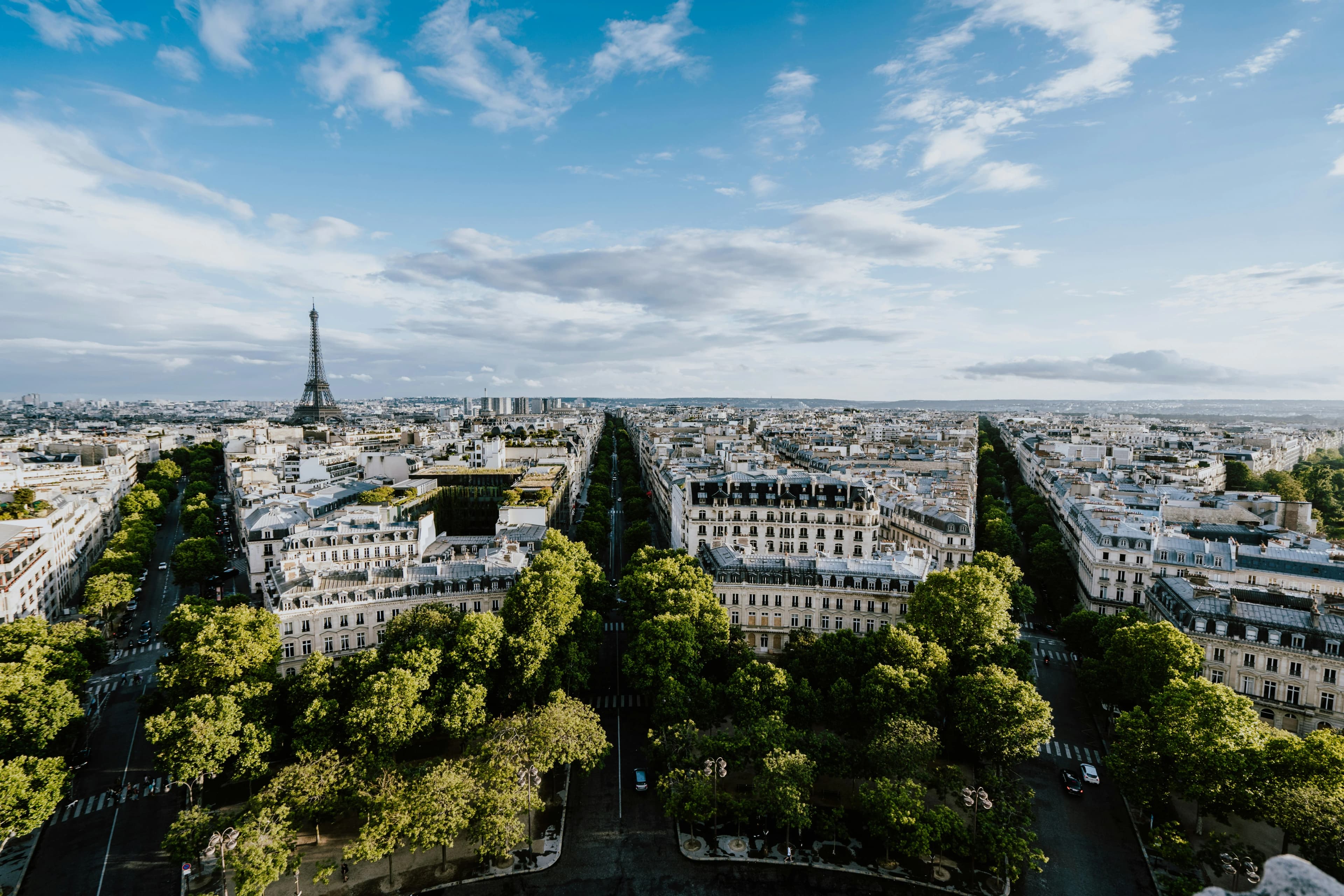
Luxury in the Latin Quarter operates differently from the grand hotel corridors of the 8th arrondissement. The prestige here is quieter, more architectural, rooted in the proportions of Haussmann-era and pre-Haussmann buildings rather than in sweeping lobbies. A luxury hotel suite in this neighborhood typically offers a different register of refinement: parquet floors, sculpted moldings, views onto enclosed gardens or ancient facades, and a proximity to the street that feels intimate rather than exposed.
Areas within the Latin Quarter and their distinct character
Around the Panthéon and Rue Soufflot
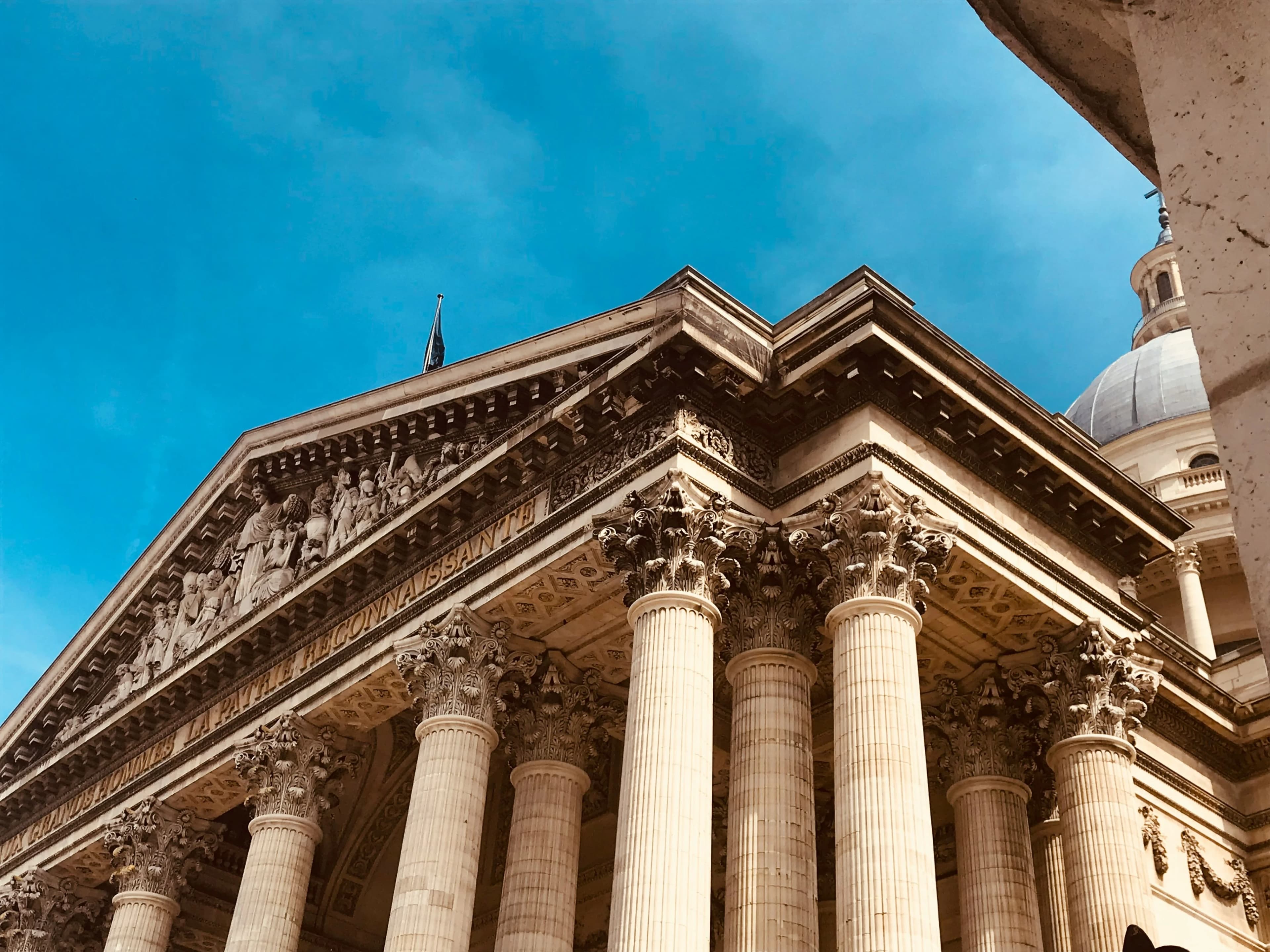
The elevated plateau around the Panthéon is one of the most architecturally coherent corners of central Paris. The neoclassical dome visible from multiple angles provides a constant spatial anchor. Hotels in this zone tend to occupy mid-19th-century buildings with tall ceilings and formal proportions. The relative calm of the surrounding streets, combined with the proximity to the Luxembourg Gardens, makes this area particularly suited to travelers who value both privacy and access to one of Paris's finest green spaces.
Saint-Michel and the riverfront
The northern edge of the Latin Quarter, bordering the Seine and the Île de la Cité, offers something specific: the experience of waking within sight of Notre-Dame de Paris. As the cathedral progresses through its restoration, this corridor is regaining its historic weight. Suite-level accommodations along the Quai Saint-Michel or within a few streets of it carry a view premium that is difficult to replicate elsewhere in the city. The trade-off is the presence of tourist foot traffic on the main boulevard, which well-positioned upper-floor suites largely filter out.
Rue Mouffetard and the lower 5th
Further south, the slope toward the Rue Mouffetard and the Place de la Contrescarpe reveals a quieter, more residential register. The street market on Mouffetard is one of the oldest in Paris, and the surrounding blocks retain a neighborhood pace that contrasts with the more institutional northern section of the arrondissement. Boutique hotels in this zone tend toward the intimate end of the scale, with suites that prioritize character over volume.
When to stay in the Latin Quarter
Paris operates on a year-round luxury calendar, but the Latin Quarter has its own seasonal rhythms. Spring, from late March through May, brings optimal conditions: mild temperatures, the reopening of terraces along the Rue de la Huchette and the smaller side streets, and the philosophical conferences and academic events tied to the Sorbonne's calendar. The Luxembourg Gardens, a few minutes' walk, reach their full beauty in April and May.
September and October represent a second peak. The academic year restarts, lending the neighborhood its characteristic intellectual energy. Literary events associated with the Paris autumn season and gallery openings in the adjacent Saint-Germain-des-Prés bring an additional layer of cultural programming. Hotel suite availability in this period requires planning several months in advance, particularly for properties facing the gardens or the major institutions.
July and August see the departure of much of the Parisian population, which paradoxically creates a quieter version of the neighborhood, with shorter queues at institutions such as the Musée de Cluny and easier access to the best restaurants. Winter, from November through February, suits travelers drawn to the contemplative, grey-lit version of Paris that photographs and literature have long favored.
Understanding Parisian luxury hotel standards in this district
France operates a formal classification system for its most prestigious hotels: the Palace designation, awarded by Atout France, identifies establishments that exceed the five-star standard across a defined set of criteria including architecture, service, and gastronomy. While the Latin Quarter does not currently concentrate Palace-designated hotels in the way the Triangle d'Or does, the 5th and 6th arrondissements contain properties that represent the highest standard of boutique luxury in Paris. These are hotels where suite design is the result of collaboration with named architects and interior designers, where room counts remain deliberately low, and where the experience of the building itself forms part of the offer.
Within this neighborhood, the concept of character supersedes pure scale. A suite of 60 square meters overlooking a 17th-century courtyard in Saint-Germain-adjacent streets carries a different kind of prestige from a 120-square-meter suite in a glass tower. The Latin Quarter traveler generally understands this distinction and chooses accordingly.
How to choose the right luxury suite in the Latin Quarter
Several practical considerations apply specifically to this district. First, the question of view: suites facing the street in the lower floors of older buildings can be affected by the noise of narrow, echo-prone passages. Requesting upper floors or courtyard-facing rooms is advisable for light sleepers. Second, the question of access: many of the most characterful buildings in the arrondissement have no lift or a single small lift, which affects practical comfort for extended stays with significant luggage. Third, the question of proximity to major sites: being within walking distance of the Panthéon, the Jardin des Plantes, or the Seine is a genuine differentiator, since the Latin Quarter rewards a pedestrian pace above all.
Travelers combining a Latin Quarter base with visits to the Louvre, the Musée d'Orsay, or the Marais should note that the arrondissement sits at a logical geographic midpoint, accessible on foot or by a short taxi ride to most of the city's principal cultural institutions.
Why curation matters for Latin Quarter suite selection
The Latin Quarter contains a dense and often confusing landscape of accommodation, from student-adjacent budget options to properties of genuine architectural and hospitality distinction. The signal-to-noise ratio, when searching through conventional booking platforms, is poor. La Suite applies a specific editorial lens to this neighborhood: only properties where the suite itself, as a physical space and as an experience, meets a defined threshold of quality are included in the selection.
For a district where the difference between a suite with genuine 17th-century beams and one with decorative reproduction elements matters to the traveler, that curatorial precision is not a convenience. It is the point. The Latin Quarter rewards those who have done the reading. La Suite has done it for you.