What makes Place de la Concorde a reference point for luxury suite travel in Paris
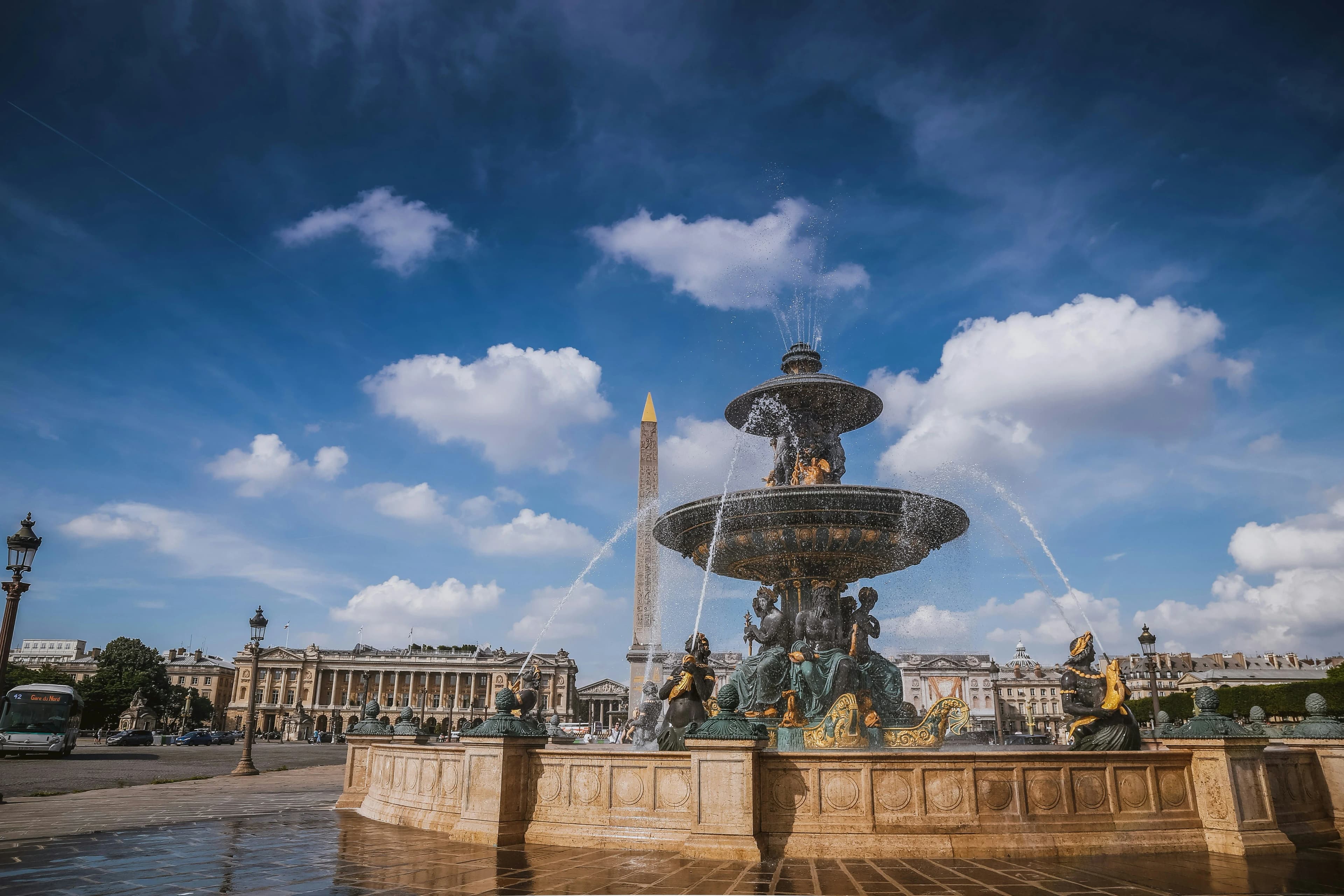
For the traveler choosing a luxury hotel suite in Paris, this neighborhood offers something that no other district quite replicates: the sensation of being at the geometric and historical center of the capital. The 8th arrondissement presses in from the northwest, the 1st from the east. The result is a pocket of Paris where institutional grandeur and discreet residential calm coexist within a few minutes' walk of one another.
The architectural and sensory character of the area
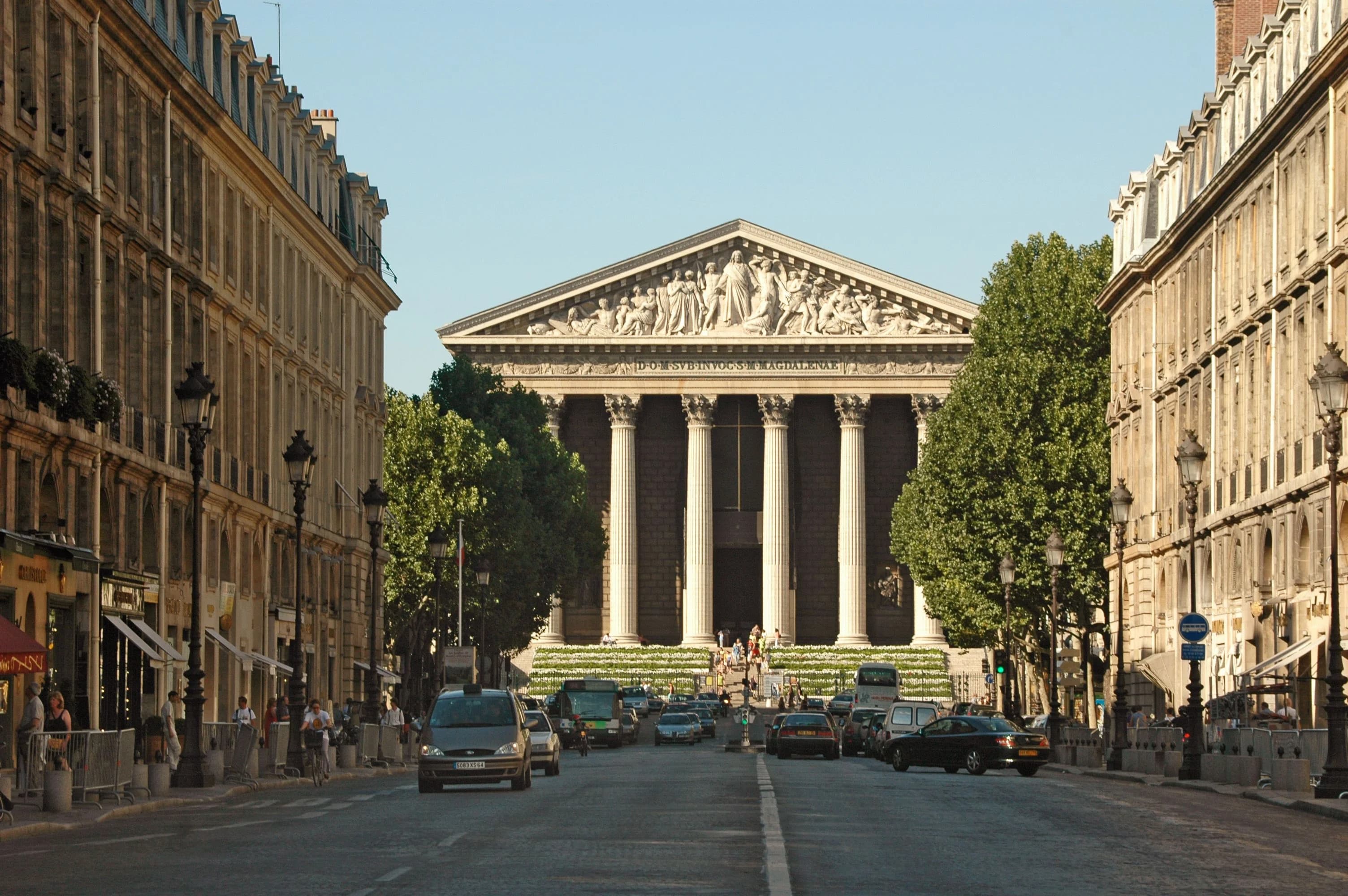
The buildings surrounding Place de la Concorde follow a strict neoclassical register. Colonnaded facades, stone detailing, and proportions calibrated for civic dignity define the visual language. Hotels in this category do not announce themselves with neon or spectacle. Their presence is communicated through restraint: a uniformed doorman, a stone threshold, a lobby where noise dissipates the moment the door closes behind you.
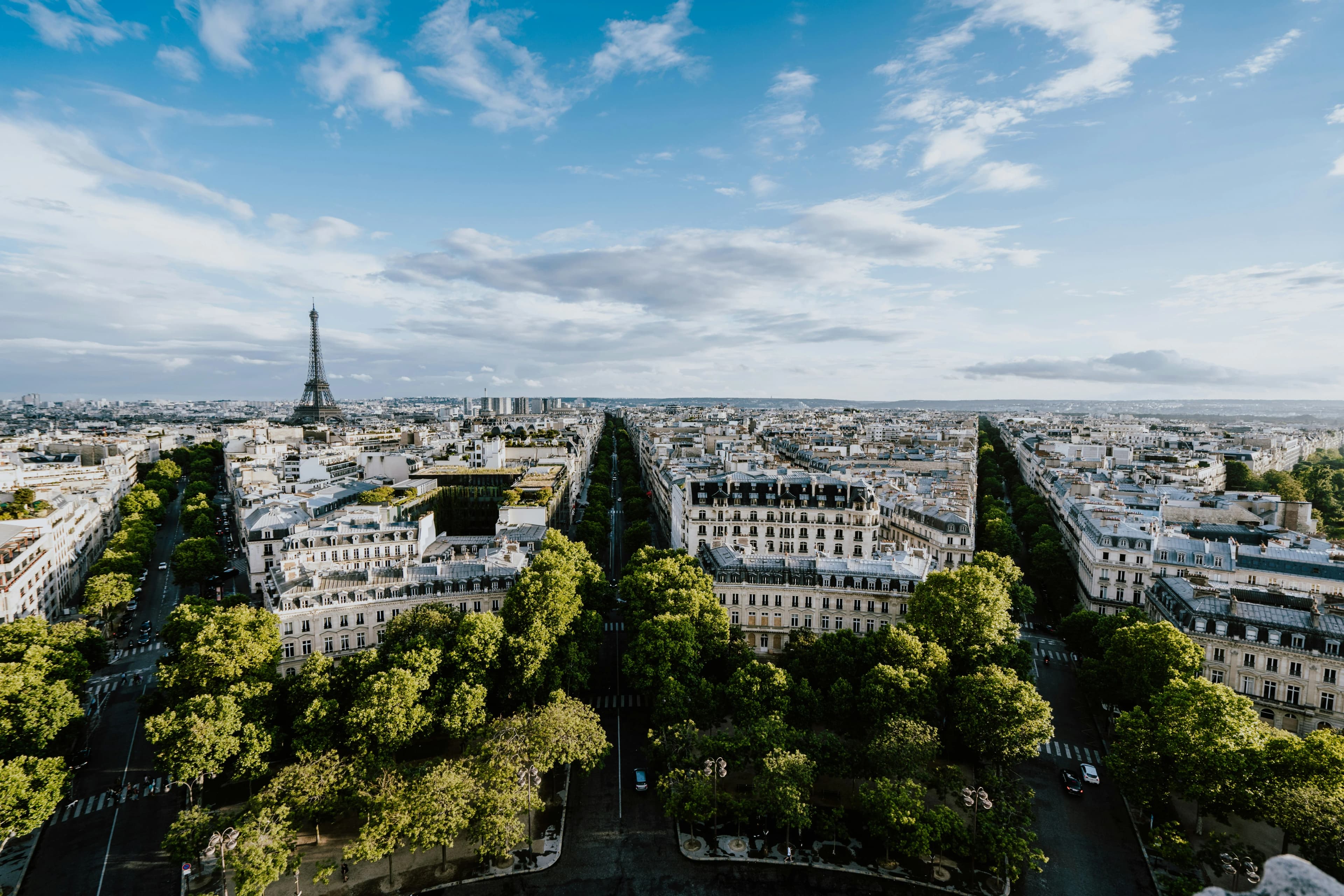
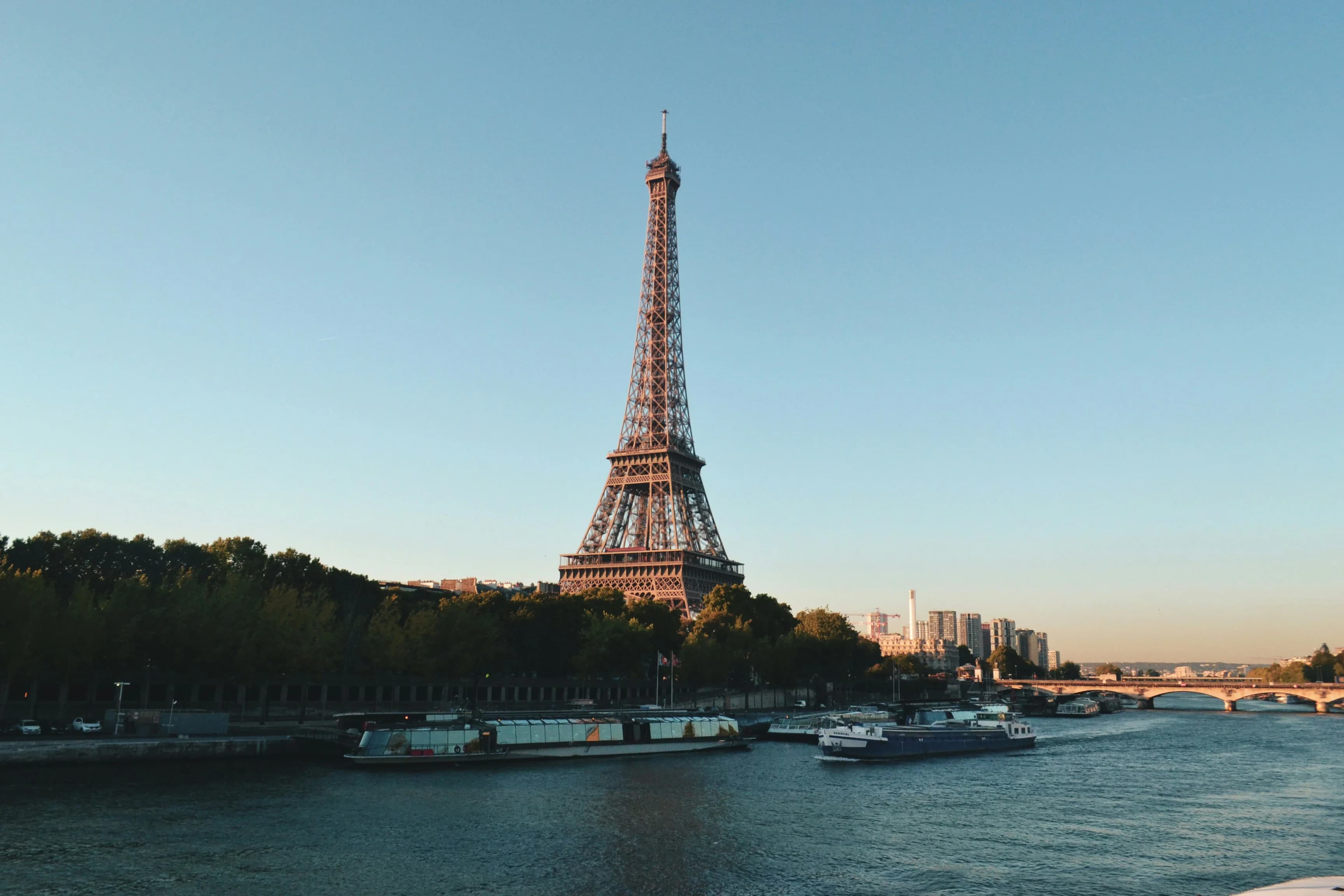
The Seine is close. Walk south from the square and within minutes you reach the Pont de la Concorde, with views east toward the Musée d'Orsay and west toward the Eiffel Tower. The Tuileries Garden extends immediately to the east, offering a rare green buffer between this address and the density of the first arrondissement. These are not incidental amenities. They are part of the spatial logic that makes a suite in this neighborhood feel both central and composed.
When to stay near Place de la Concorde
Paris does not have a single best season, but the rhythm of the year matters when choosing a suite in this part of the city. Spring, from late March through May, brings the Tuileries into full leaf and the city's cultural calendar into peak activity. This is when the major art fairs, fashion presentations, and institutional openings concentrate. Rooms at the top hotels in this area are in high demand from April onward, and suite availability at preferred room categories narrows quickly.
September and October represent the other peak. The rentree brings Parisians back to the city, the weather stabilizes, and the light takes on the particular quality that has made it a subject of painting for three centuries. For travelers who prefer fewer tourists and more considered service, late autumn and the quieter weeks of January and February offer genuine advantages, including greater flexibility on suite selection and more attentive staffing ratios.
The Paris Marathon, Bastille Day on July 14th, and the city's major cultural openings in January and October are calendar points worth noting. Place de la Concorde itself serves as the finish line for the marathon, which closes surrounding streets and affects hotel access for one weekend each spring.
Understanding luxury hotel standards in this part of Paris
France operates a formal classification for its most exceptional hotels: the Palace designation, awarded by Atout France, the national tourism development agency. It sits above the five-star category and is reviewed every five years. To hold a Palace label, a hotel must demonstrate exceptional architectural and heritage qualities, a consistent level of personalized service, a minimum number of suites relative to total rooms, and 24-hour concierge and room service among other criteria.
Several of the most historically significant Palace hotels in France are located within walking distance of Place de la Concorde. This concentration is not accidental. The area has been associated with diplomatic residences, aristocratic townhouses, and state functions for over two centuries. The hotel infrastructure that developed here did so in direct response to that institutional gravity.
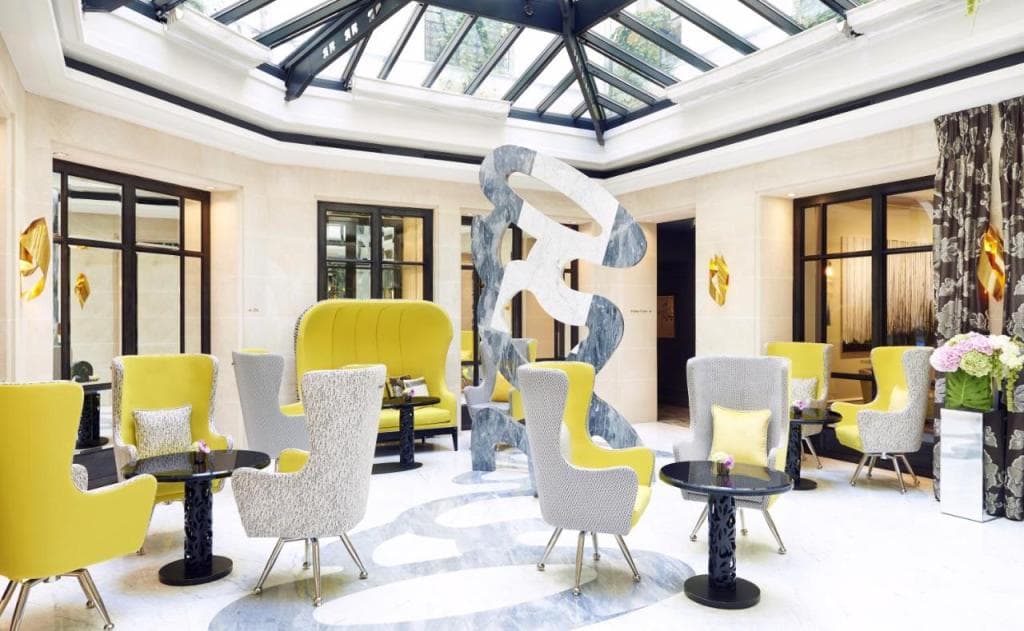
Within the Palace category, suites are not uniform. A suite at a recently renovated property may emphasize contemporary art and architectural intervention. A suite in a hotel that has operated continuously since the nineteenth century may prioritize historical detail, hand-painted ceilings, and furniture from named periods. Both are legitimate expressions of the category. The choice depends on what the traveler is seeking from the stay itself.
How to choose the right suite near Place de la Concorde
The first consideration is orientation. Suites facing the square itself offer a view that is architecturally commanding but not necessarily quiet. The scale of the space means that traffic noise is diffused, but it is present. Suites oriented toward interior courtyards or toward the Tuileries side tend to be more acoustically contained. For travelers arriving after long-haul flights or for those who prioritize sleep quality, this distinction matters.
The second consideration is scale. Palace-category suites in this neighborhood range from approximately 60 square meters for a classic junior suite to well over 300 square meters for the flagship accommodation at the most significant addresses. Floor plans, ceiling heights, and the presence or absence of a separate dining space vary considerably. For extended stays or for travel with an assistant, a family member, or a need for in-suite working space, the distinction between a well-appointed junior suite and a full suite with a separate salon is functionally significant.
Third: service architecture. The best hotels in this area operate with dedicated floor butlers, in-suite dining that mirrors the restaurant menu in full, and direct lines to concierge teams who maintain relationships with the city's most difficult reservations. If the purpose of the stay includes access to cultural institutions, private viewings, or restaurant bookings at addresses with multi-month waiting lists, the quality of this infrastructure is as important as the room itself.
Why curation matters in this neighborhood
Place de la Concorde and its immediate surroundings contain some of the most written-about hotels in the world. The volume of content about this area is not a guide to quality. It is a guide to visibility. Properties with long-established press relationships and high marketing budgets dominate generic searches. The hotels that offer the most precise experience for a specific traveler are not always those with the highest digital footprint.
La Suite approaches this neighborhood as it approaches every territory in Europe: with direct knowledge of the properties, a clear framework for evaluating suite quality, and no commercial relationship that distorts the selection. The curated selection by La Suite reflects what is actually available, what is genuinely exceptional, and what aligns with the stated priorities of a particular traveler. In a neighborhood this concentrated and this competitive, that specificity is the difference between a good stay and the right stay.
Practical details for suite travelers arriving in this area
Charles de Gaulle airport is approximately 30 kilometers northeast of Place de la Concorde. Transfer by private car takes between 35 and 75 minutes depending on traffic, with the worst congestion typically on weekday mornings and Friday evenings. Orly airport is closer in distance but can present comparable transfer times during peak hours. The RER B from CDG to Chatelet-Les Halles, followed by a short taxi transfer, is a faster option during heavy traffic periods if traveling without substantial luggage.
Parking in the immediate vicinity of the square is limited. Most hotels in this category manage guest vehicles through valet arrangements. If arriving by car, coordinating directly with the hotel concierge in advance avoids the considerable difficulty of navigating the square's traffic during peak hours.