Staying in Montmartre: what the neighborhood offers the suite traveler
Distinct zones within the neighborhood
Montmartre is not a uniform district. Its character shifts considerably depending on the specific block. Three zones are worth understanding before selecting a property.
The summit and its immediate surroundings
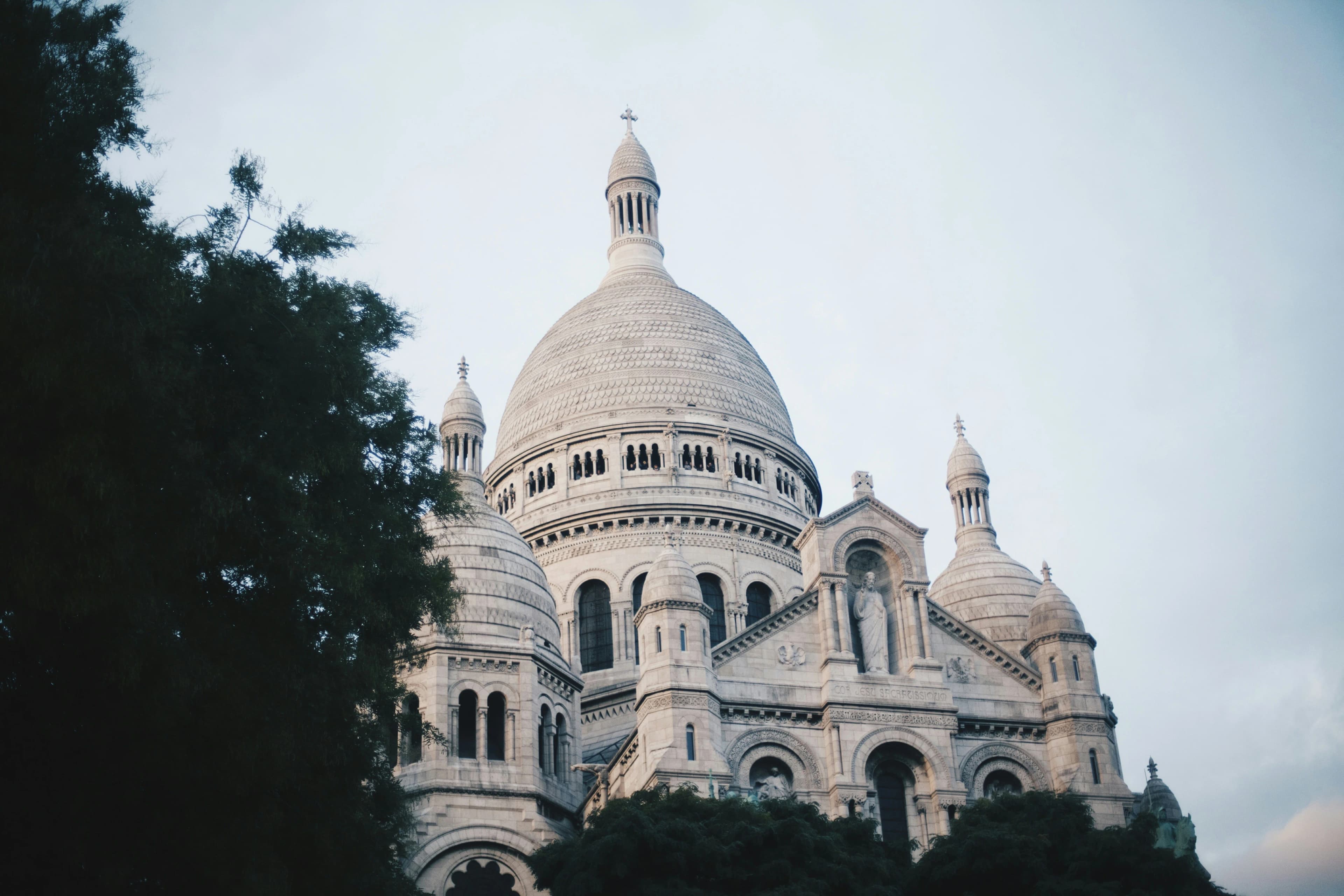
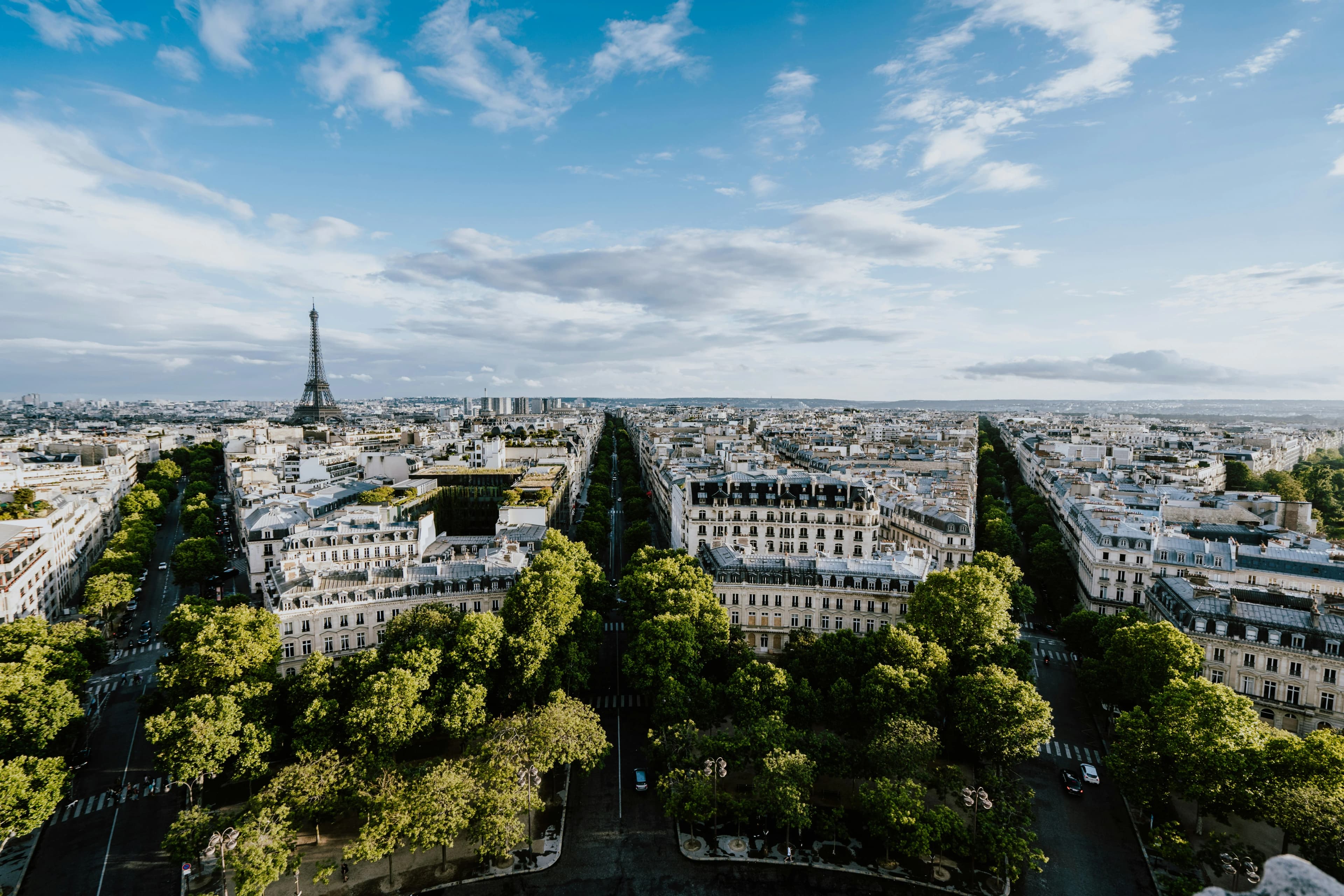
The area directly around Sacré-Coeur is the most visited and, during peak hours, the most congested. Hotels here trade on proximity to the basilica and panoramic views over Paris. Properties positioned at or near the summit can offer suite guests a perspective over the city that no other neighborhood replicates. The trade-off is foot traffic, particularly in summer, which requires properties with serious acoustic insulation and private access to function at a luxury standard.
The village core: Place du Tertre to Rue Lepic
The interior streets between Place du Tertre and the lower section of Rue Lepic retain the density and scale of a 19th-century Parisian village. This is where the neighborhood's creative history is most tangibly present: studios, former artist residences, and a built fabric that has changed relatively little since the late 19th century. Suite travelers who prioritize texture and historical resonance over panoramic views tend to gravitate toward this zone. The sensory experience here is more interior: a courtyard, the sound of a fountain, stone walls that read as genuinely old rather than restored.
The southern slope toward Pigalle and the 9th
The lower slopes of Montmartre, descending toward the Boulevard de Clichy and the 9th arrondissement, represent a different proposition. This zone is more urban, more connected, and in recent years has absorbed a significant amount of boutique hotel investment. The transition from the hill's historic quietude to the energy of the grands boulevards happens within a few hundred meters. Properties here offer easier access to central Paris while retaining a Montmartre address.
When to visit Montmartre as a suite traveler
Paris operates on a clear seasonal logic, and Montmartre is no exception. The peak tourist period runs from June through early September, when the neighborhood's outdoor spaces and panoramic terraces are under maximum pressure. Suite travelers who prioritize discretion and access typically favor late spring (April and May) or early autumn (September and October). During these periods, the quality of light is at its most photogenic, the café terraces are functional without being overcrowded, and hotel occupancy allows for more considered negotiation on room selection and upgrade availability.
Paris Fashion Week, held twice annually in late February and early September, generates a concentrated demand spike across the city's premium properties. Travelers with flexible dates often find that arriving immediately after the main Fashion Week dates secures better availability at comparable rates. The Christmas and New Year period draws a different traveler profile and creates strong demand in the 1st through 8th arrondissements; Montmartre, being slightly off the central circuit, can offer more availability during this window for those who do not require proximity to the grandes maisons on the Rue du Faubourg Saint-Honoré.
Local luxury standards: what distinguishes a high-grade suite in Paris
France operates a formal hotel classification system in which the designation