The distinct areas of Provence-Alpes-Côte d'Azur for a luxury stay
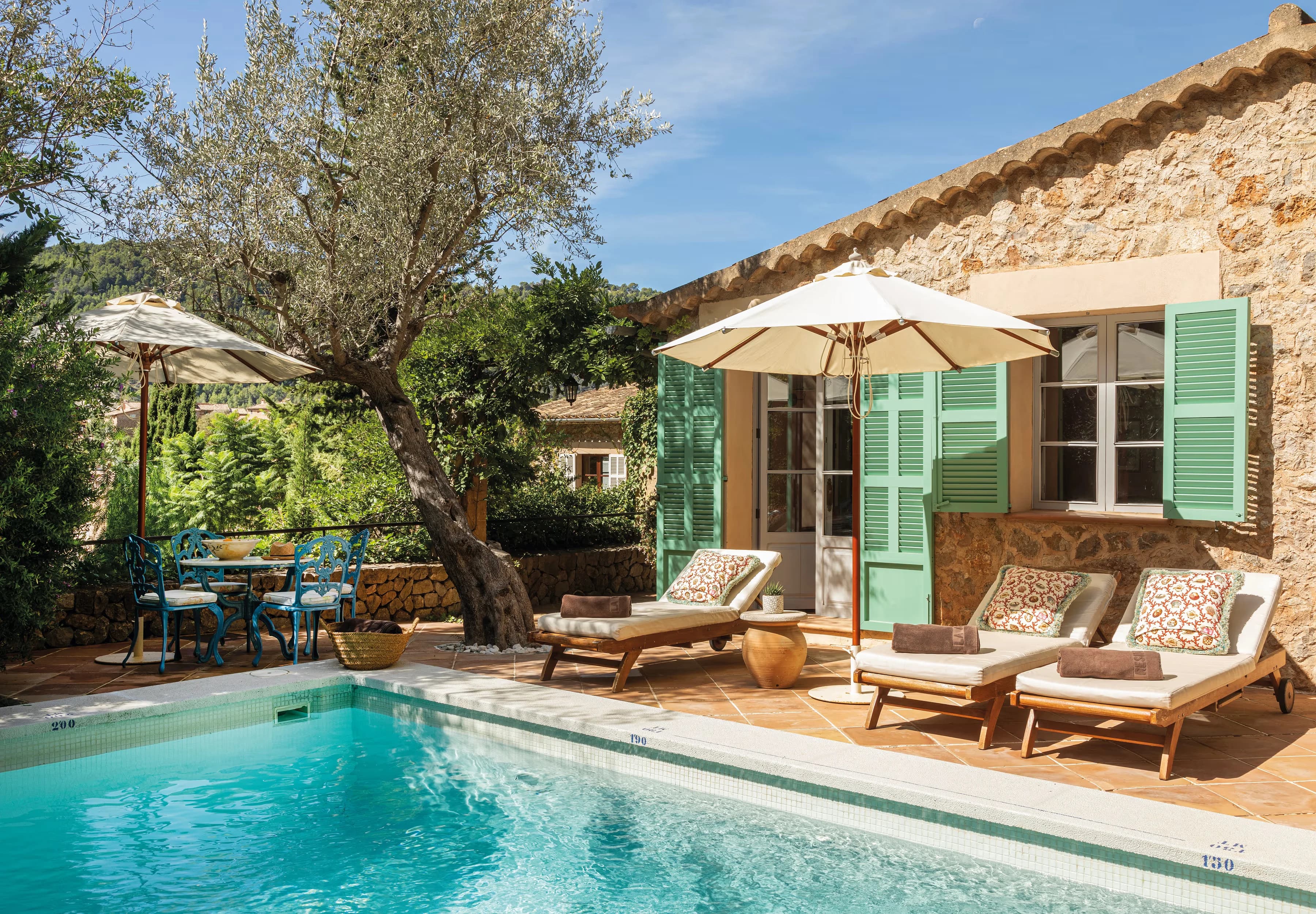
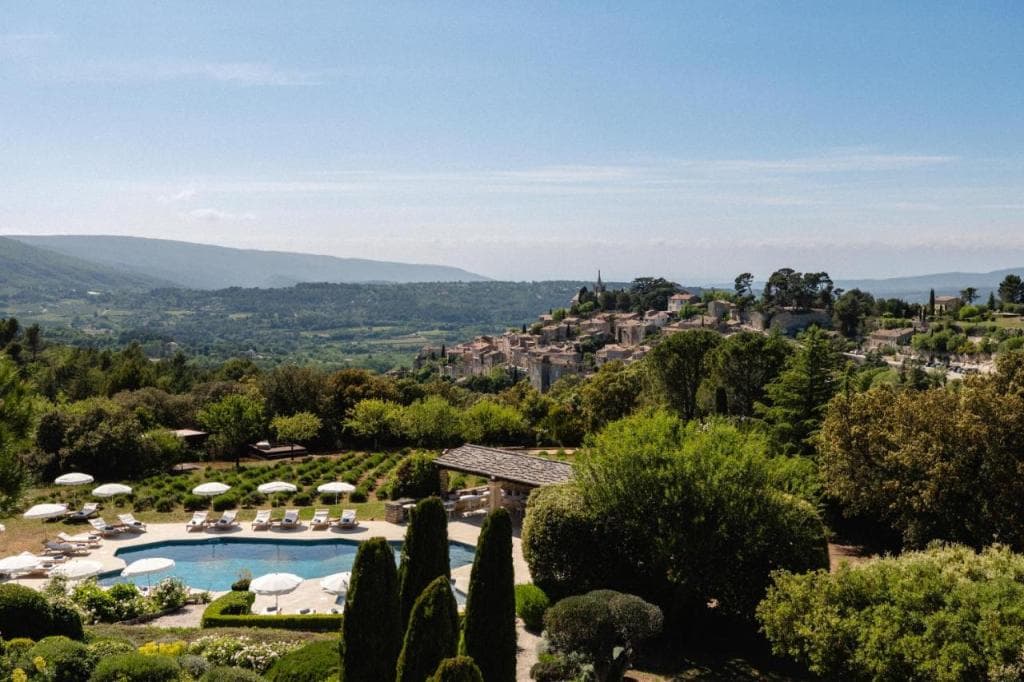
The interior of the region operates at a different pace. Villages of ochre stone, dry-stone walls, and terraced orchards define the landscape of the Luberon and the Alpilles. Properties here tend toward the mas or bastide typology: thick walls, shaded terraces, and gardens planted with lavender, rosemary, and olive. The luxury is spatial and quiet. Privacy is structural, not performed.
The Var and Verdon hinterland
Between the coast and the alpine foothills, the Var offers a less frequented version of Provençal luxury. The Gorges du Verdon, one of Europe's deepest canyons, anchors the northern part of this zone. The landscape here is dramatic without being theatrical. Stays in this corridor suit travelers seeking altitude, physical engagement, and distance from the coastal rhythm.
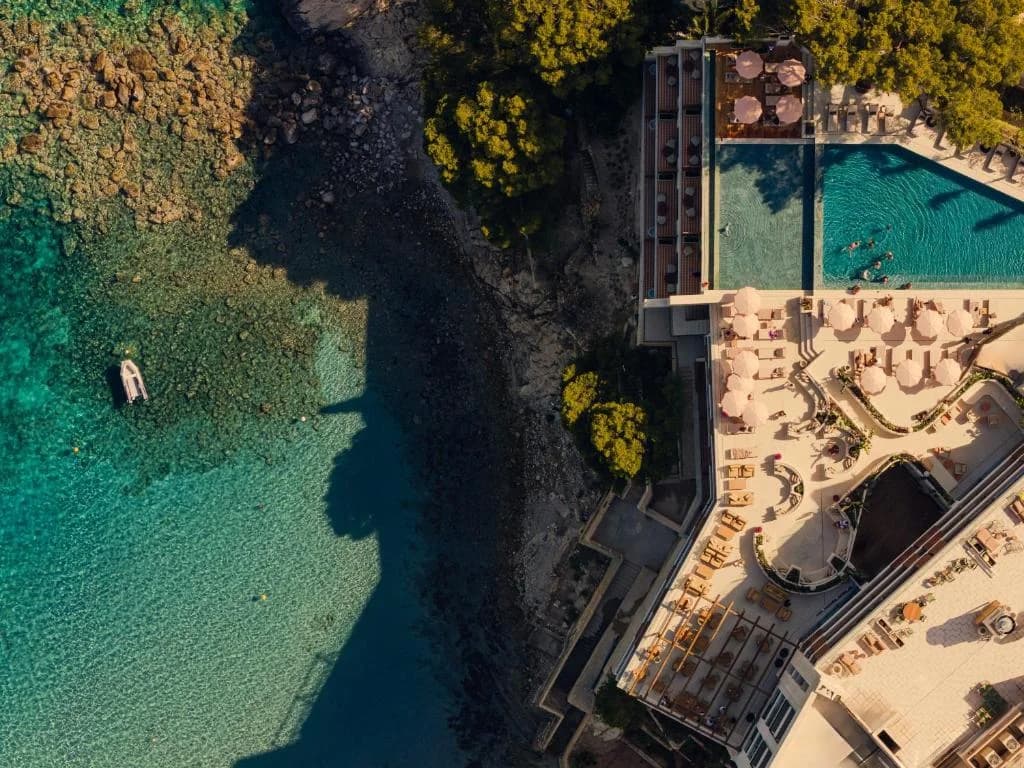
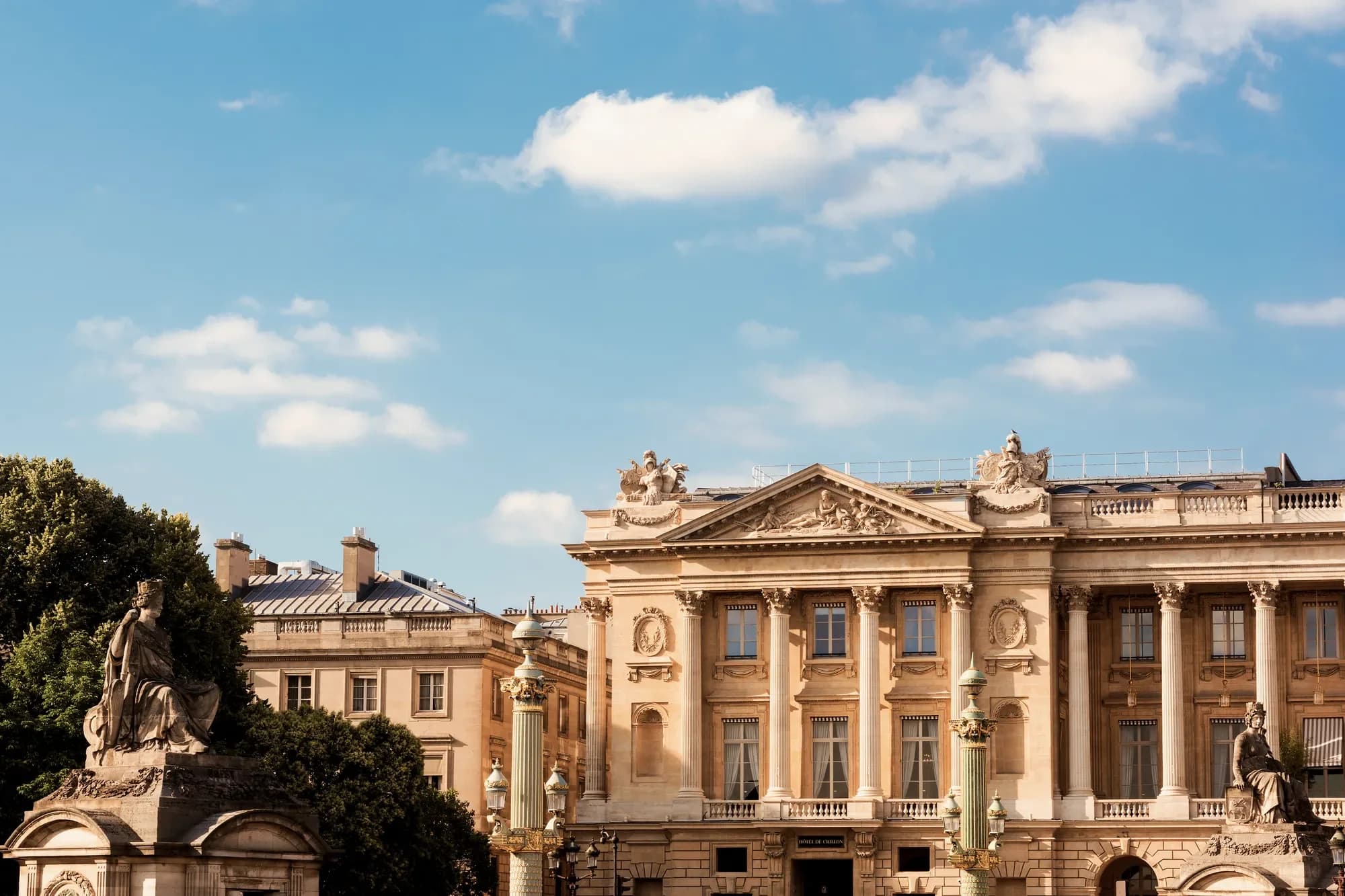
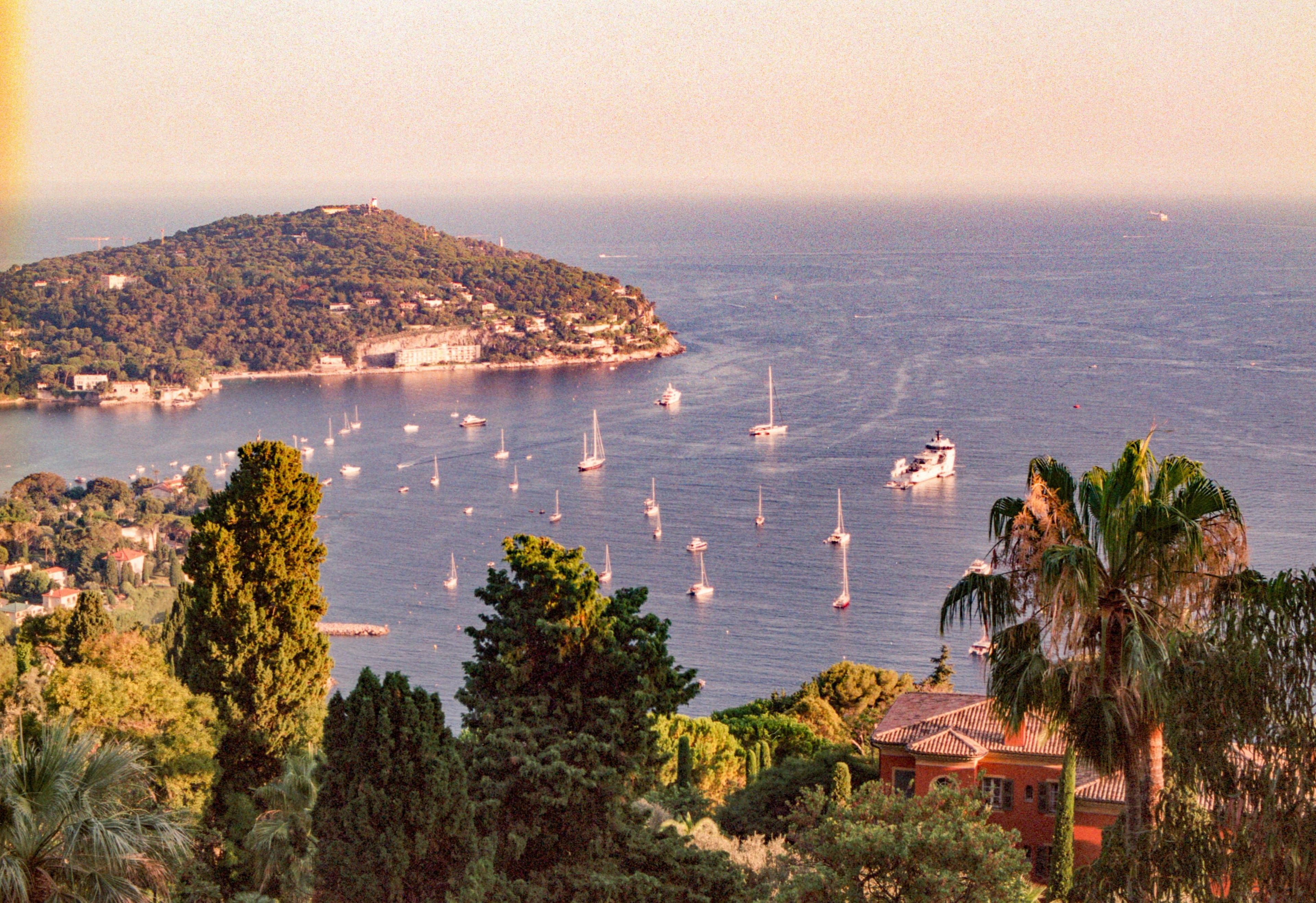
The coastline from Saint-Tropez to the Italian border is among the most studied stretches of Mediterranean shore in the world. The architecture shifts from the Italianate eclecticism of Nice's Belle Époque to the modernist geometry of Cap Moderne near Menton. Luxury hotels along this corridor range from grand palace properties in Cannes and Nice to discreet cliff-side retreats on the Cap d'Antibes and Cap Ferrat. A luxury hotel suite here positions the guest within a cultural geography that has been shaping ideas of leisure since the nineteenth century.
Explore our guide to Saint-Tropez, or discover our selection of the most beautiful suites in Saint-Tropez! Fancy experiencing Les Voiles de Saint-Tropez? Discover our selection of the most beautiful suites overlooking the Bay of Saint-Tropez!
When to visit Provence-Alpes-Côte d'Azur for a suite stay
The region is accessible year-round, but the quality of each season differs significantly.
Spring (April to June) is widely considered the most resolved period. Temperatures are measured, the lavender fields are not yet in bloom but the countryside is green and cool, and hotel availability remains reasonable before the summer peak. This is the season for driving the Routes des Gorges, visiting the markets of Apt or L'Isle-sur-la-Sorgue, and engaging the landscape without the thermal pressure of July.
Summer (July and August) concentrates the international visitor population. The Côte d'Azur becomes one of the world's most densely attended coastal zones during this period. Suite rates at premium properties reach their annual maximum, and availability at well-regarded luxury hotels must be anticipated well in advance. The Festival d'Avignon (July) and the theatre of the Riviera social calendar make this period culturally dense, if logistically demanding.
Autumn (September to November) is a second optimal window. The light in Provence in September has a quality that painters from Cézanne to Matisse documented obsessively. The harvest season across the Luberon and the Alpilles animates the local food economy. Coastal properties begin to empty of summer visitors, and rates adjust accordingly.
Winter on the coast is mild by northern European standards, and several high-end properties maintain year-round operations. The alpine zones of the Hautes-Alpes, including the area around Vars and Risoul, operate as a ski corridor distinct from the main luxury hotel circuit of the coast and interior.
Luxury standards and local classifications in the region
France operates a national hotel classification system scaled from one to five stars, with the designation Palace reserved for a select group of properties meeting criteria that exceed the standard five-star threshold. The Palace label, awarded by Atout France, evaluates architecture, service ratio, suite programming, culinary offer, and cultural anchorage. Several properties along the Côte d'Azur carry this designation, and it functions as a reliable indicator of the highest tier of hospitality the country produces.
In the interior of Provence, the relevant typology is the mas or bastide converted into a hotel. These are farmhouse or country-house structures, often of significant age, that have been adapted for contemporary hospitality use. The quality of these conversions varies considerably. The distinction between a property that has preserved the spatial and material integrity of its original structure and one that has merely applied cosmetic renovation is architecturally legible to an attentive guest.
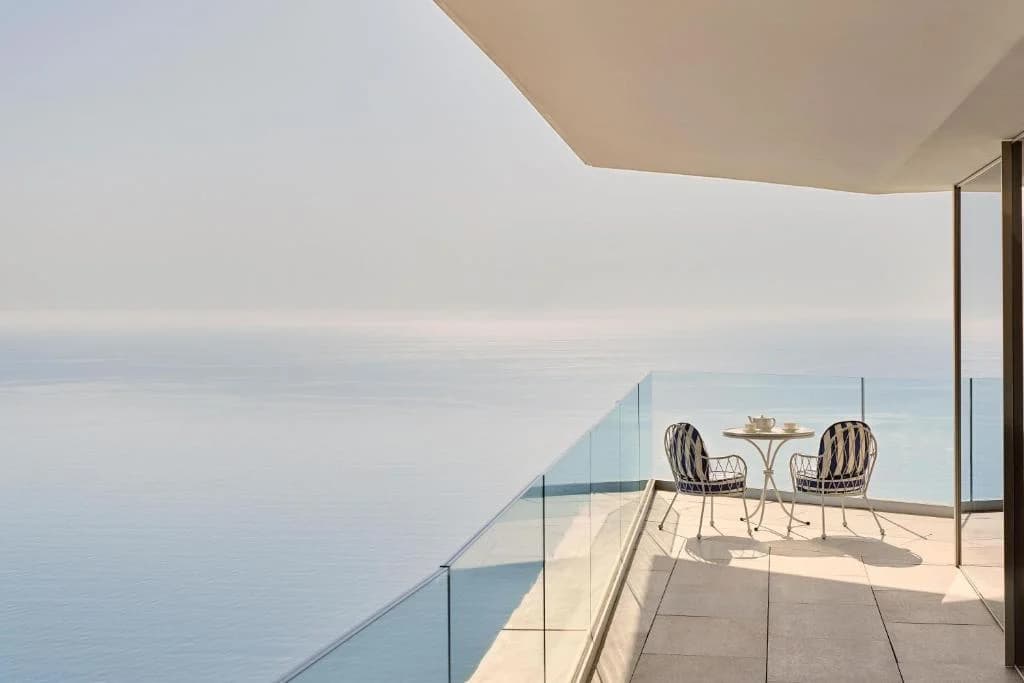
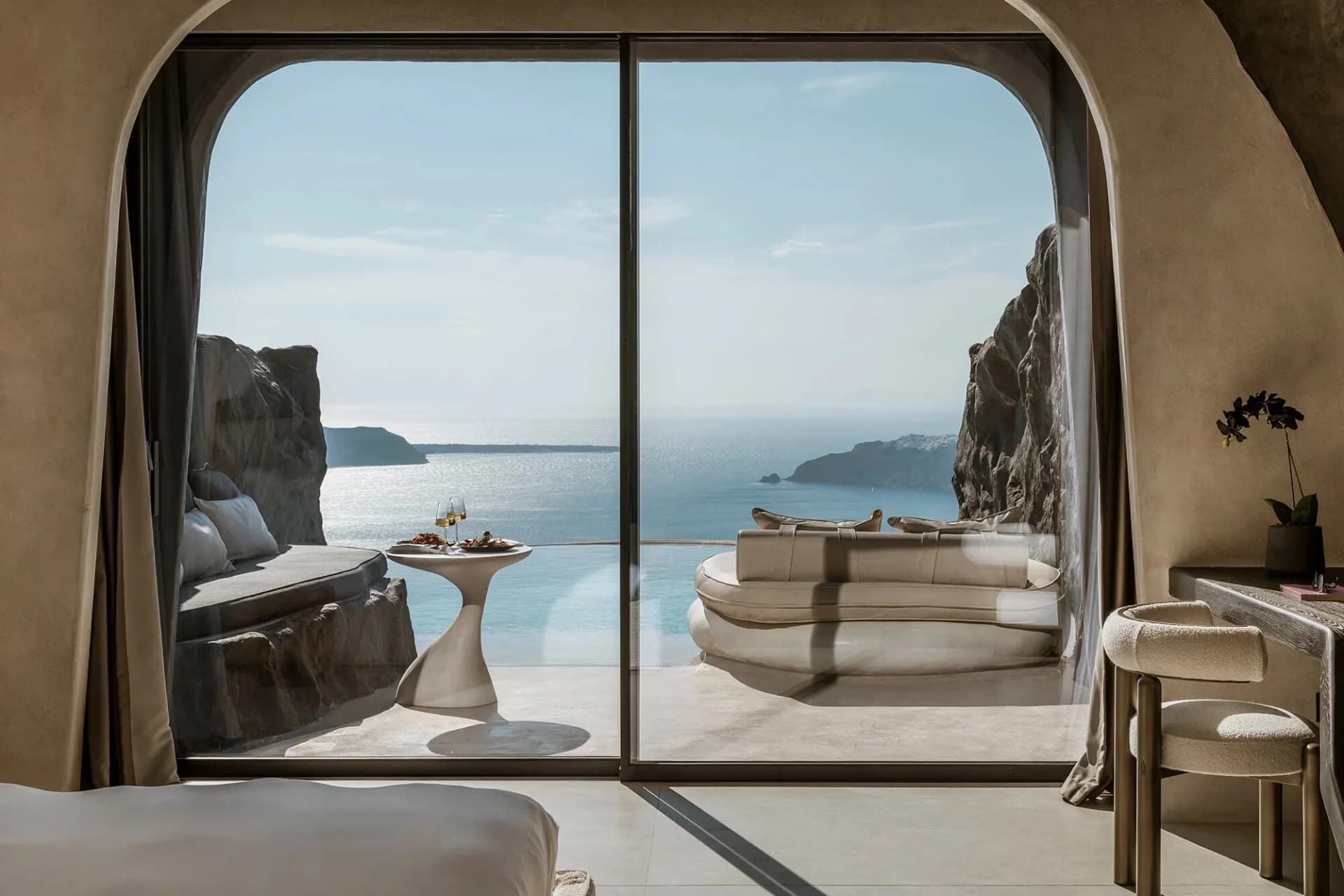
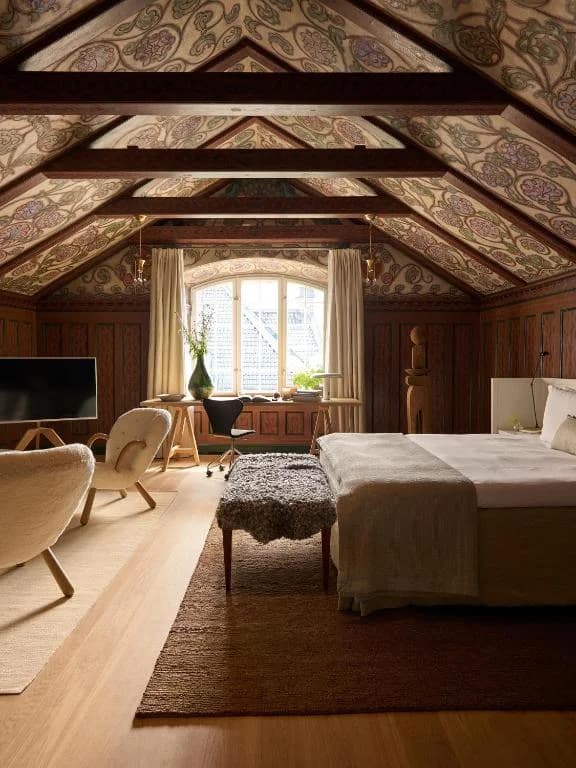
A luxury suite in this region typically offers stone or parquet flooring, high ceilings where the architecture permits, direct garden or sea access, and a level of finish consistent with the property's positioning. The best suites in the region engage the landscape directly: framing views of the Alpilles, opening onto lavender terraces, or positioning the guest above the Mediterranean with an unobstructed southern exposure.
How to choose the right luxury suite in Provence-Alpes-Côte d'Azur
The choice of suite in this region requires clarity about what the trip is actually for.
For travelers oriented toward the cultural and culinary density of the coast, a luxury hotel suite in Nice, Cannes, or the Cap d'Antibes peninsula places them within reach of the major institutions: the Fondation Maeght in Saint-Paul-de-Vence, the Musée Matisse and Musée Chagall in Nice, the Picasso museum in Antibes. The architecture of the properties themselves is often of historical significance.
For travelers seeking a more introverted experience, the inland properties offer a different grammar. Proximity to the Luberon's village circuit (Gordes, Bonnieux, Ménerbes, Lacoste) and the produce markets of the Vaucluse supports a program built around food, landscape, and slow movement. Suites in mas-type properties tend to be larger and more private than their coastal equivalents at equivalent price points.
Practical considerations include: access by vehicle is essential in the interior, where distances between points of interest require a car; coastal properties are more accessible by train via the TGV network from Paris (approximately three hours to Marseille or Nice); and altitude properties in the Alpes-de-Haute-Provence require planning around seasonal road access.
Scale matters. A suite in a large palace hotel operates within an infrastructure of staff, restaurants, and programming. A suite within a ten-room mas operates within a different social economy, closer to the logic of a private residence. Both are valid; neither is superior by default.
Why a curated selection matters in this destination
Provence-Alpes-Côte d'Azur generates an enormous volume of hospitality marketing. The region is one of the most photographed and most written-about destinations in France, and the gap between a property's visual representation and its actual spatial and experiential quality can be considerable.
La Suite approaches this territory as an editorial exercise, not an aggregation exercise. The three properties currently listed in this region have been selected on the basis of architectural coherence, suite quality, and the integrity of the experience they deliver relative to their positioning. The selection is deliberately small. A curated selection by La Suite is not a directory. It is a considered position.
For a traveler who has already decided that Provence or the Côte d'Azur is the right destination, the remaining question is which property will actually deliver on the promise of the place. That is precisely the question La Suite is built to answer.