Best areas to stay in Budapest for a suite experience
Pest, on the eastern bank, contains the bulk of the city's grand hotel stock, particularly along Andrássy Avenue and around the Inner City. This is where Budapest's 19th-century confidence is most legible: wide boulevards, monumental facades, and an unbroken sequence of cultural institutions. Suites in this corridor often occupy buildings of genuine architectural significance, with interiors that reflect the full weight of that heritage.
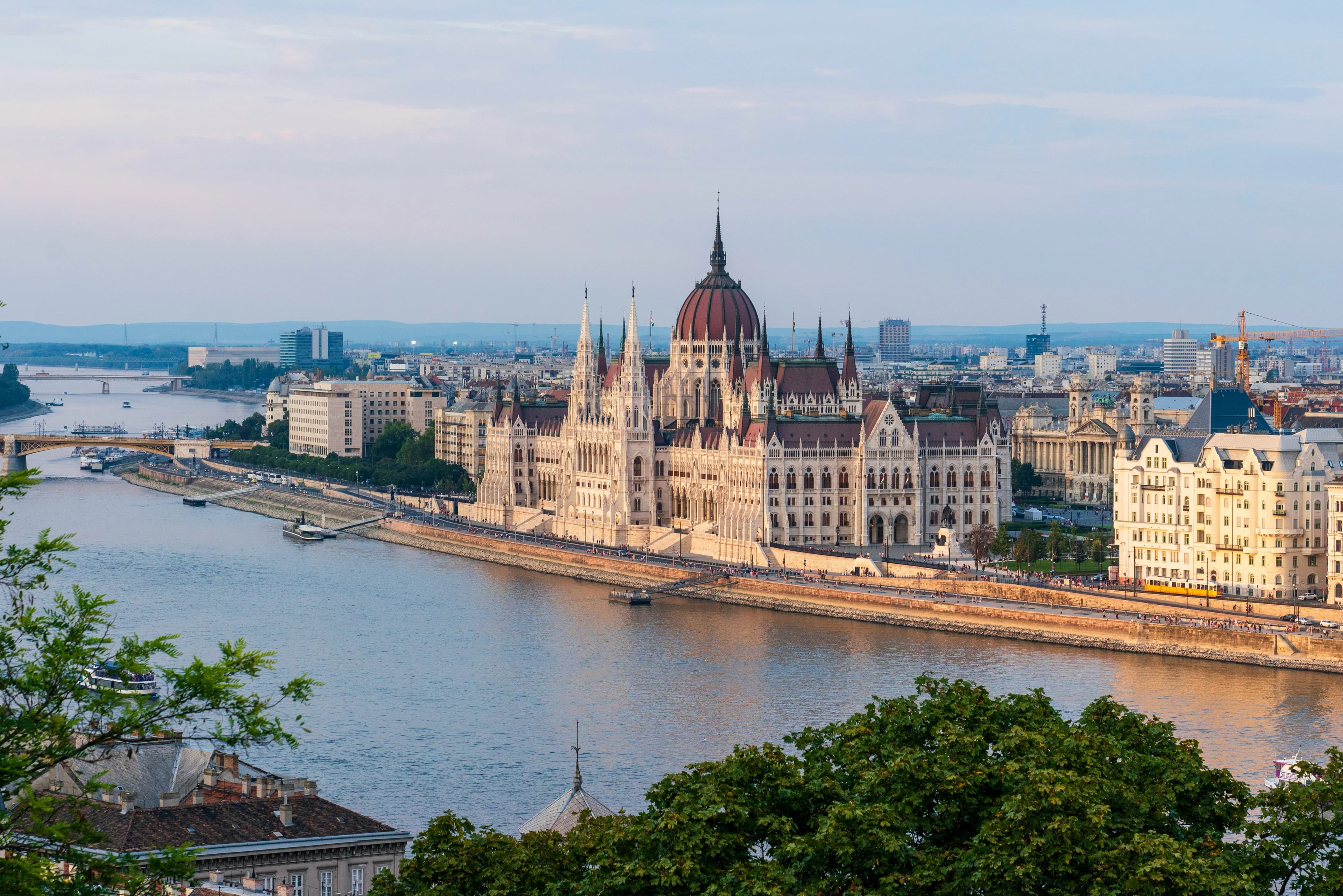
The area around the Parliament building and the Danube embankment on the Pest side is among the most formally prestigious addresses in the city. Suites here offer direct views of the illuminated riverscape, one of the most architecturally coherent night panoramas in Central Europe. For travelers who prioritise visual and spatial context, this zone is the natural reference point.
When to visit Budapest for a luxury suite stay
Budapest operates year-round, but the experience shifts considerably across seasons. Spring, from late March through May, is the most composed period: moderate temperatures, low humidity, and the city's cultural calendar at full intensity, including the Budapest Spring Festival, which draws international classical music and opera programming to venues across the city.
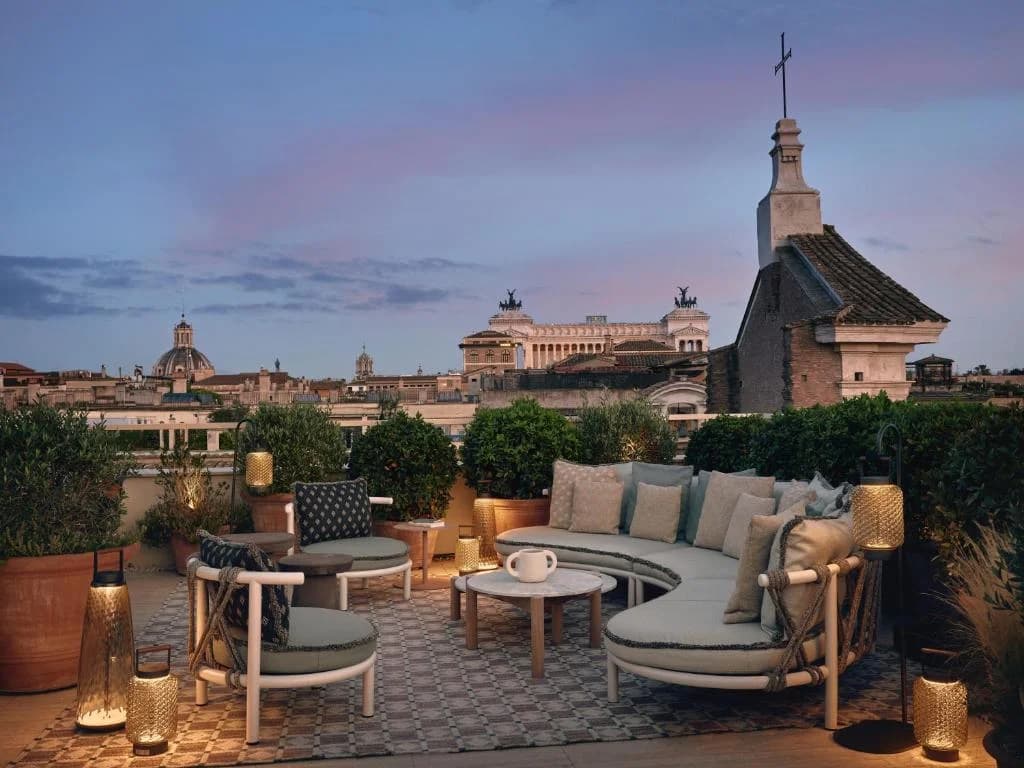
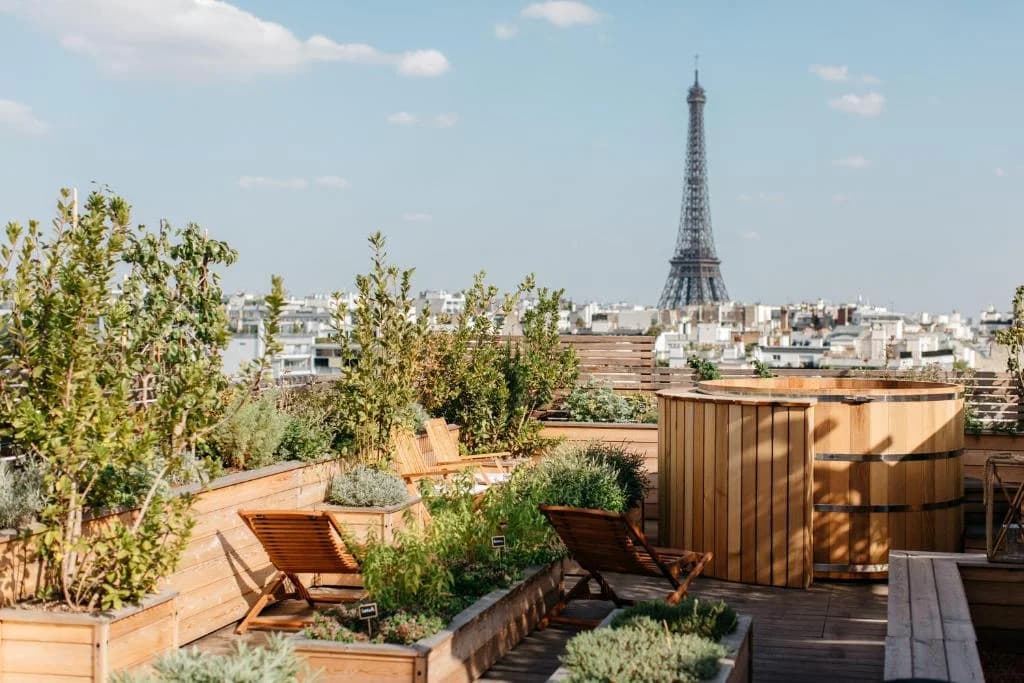
Summer brings warmer temperatures and longer evenings, which activate Budapest's rooftop and terrace culture. It is also the city's most visited period, meaning suite availability at top-tier properties tightens and advance planning becomes essential. The thermal bath culture, a defining characteristic of Budapest, operates throughout the year, but summer allows outdoor pools to function at full capacity.
Autumn, September through November, is widely considered the most refined travel window. The light is lower and more directional, the crowds thin, and the city's culinary scene, already among the most serious in Central Europe, reaches its seasonal peak with game, foraged ingredients, and an active wine calendar centred on Tokaj and Eger productions. Winter in Budapest carries a specific atmosphere: the Christmas markets along Vörösmarty Square and the thermal baths operating through cold air make it a credible choice for travelers who appreciate contrast and relative quiet.
Understanding luxury hotel standards in Budapest
Hungary does not operate a government-designated prestige label equivalent to France's Palace classification, but the city's top-tier properties are well-integrated into international luxury networks and carry the five-star ratings of global certification bodies. What distinguishes Budapest's finest hotels is not a local label but the calibre of architectural renovation. Many of the city's leading luxury hotels occupy buildings of genuine historic significance: former palaces, bank headquarters, and grand residential blocks, all converted with varying degrees of fidelity to their original fabric.
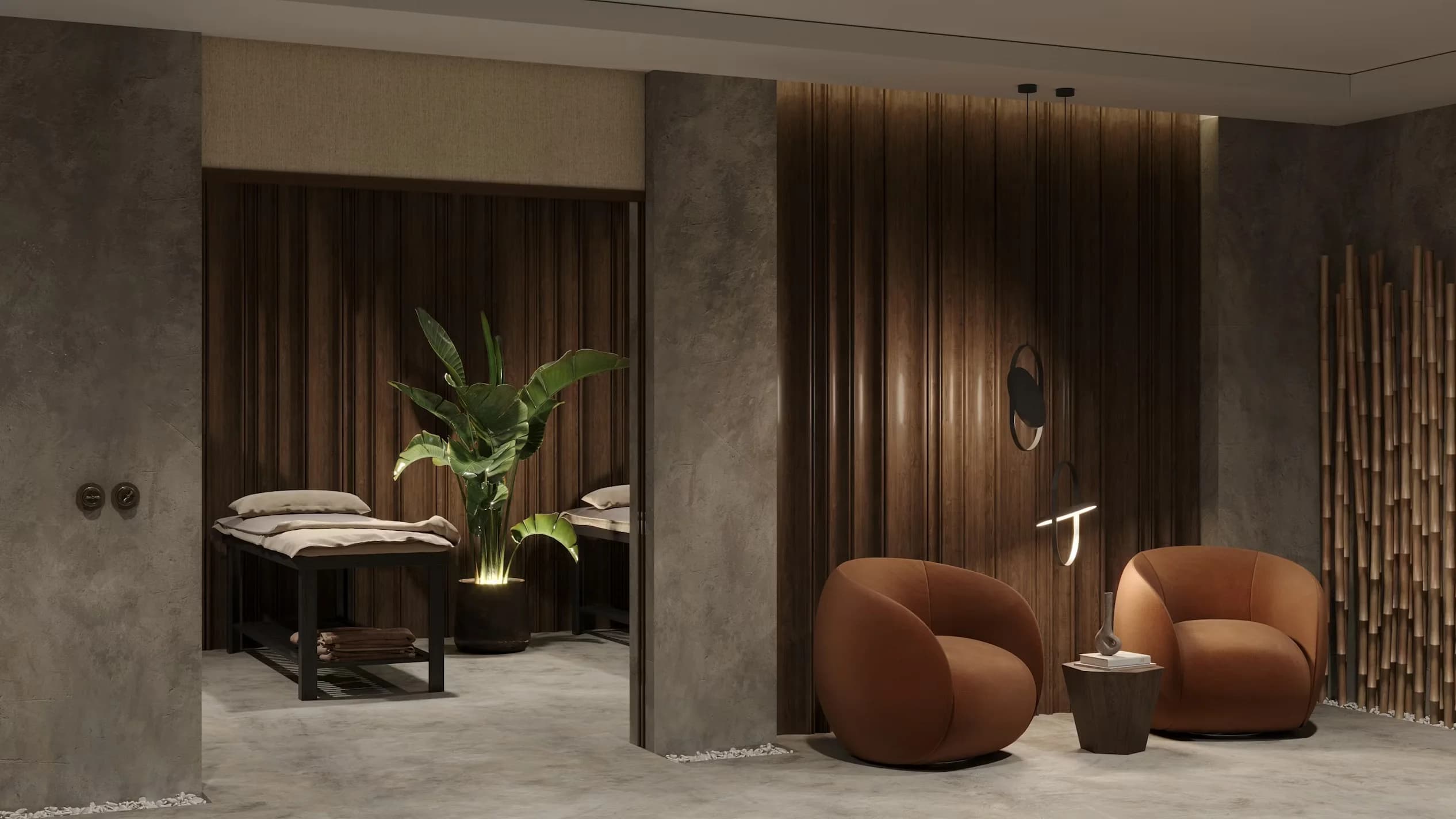
The thermal spa component is a structural differentiator in Budapest. Properties that incorporate serious thermal facilities, whether through access to historic bath complexes or through on-site thermal water installations, represent a category of their own. For a traveler choosing between suites of comparable size and finish, the presence of a functional thermal offering is a meaningful distinction rather than an amenity footnote.
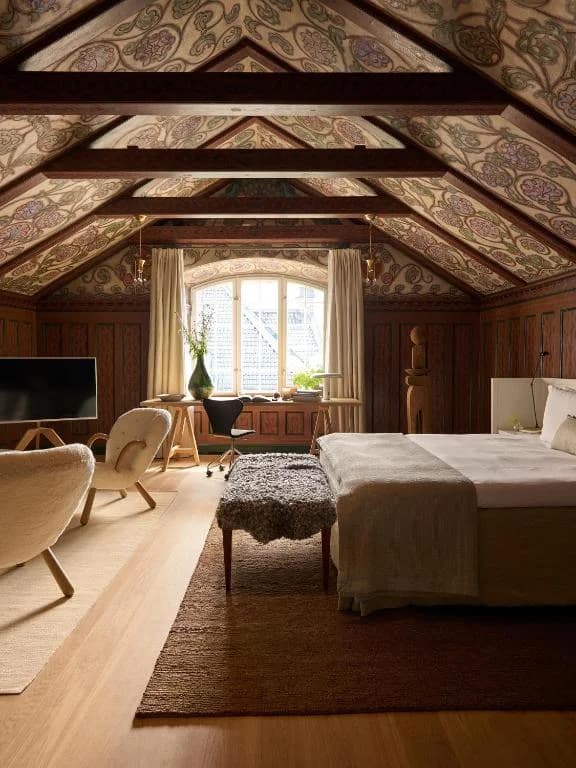
Suites in Budapest's best properties tend to run large by European urban standards. The city's architectural history produced rooms of generous proportion, and the best renovations have respected those dimensions rather than subdividing them. Corner suites with Danube or Parliament views are the most sought-after configurations and should be booked well in advance, particularly for spring and autumn travel.
How to choose the best suite in Budapest
The first decision is architectural orientation: historic renovation versus contemporary construction. Budapest's luxury hotel stock skews heavily toward the former, and travellers who value spatial authenticity, original moldings, high ceilings, and layered patina, will find that the city's heritage properties consistently deliver. Contemporary luxury in Budapest is less represented, though a small number of design-forward properties have emerged in the ruin district and along the Danube's southern edge.
View configuration is the second consideration. Danube-facing suites carry a premium for good reason: the river, flanked by the Castle on one side and the Parliament on the other, provides a visual context that few European cities can equal. However, courtyard-facing suites in the city's converted palaces offer a different register of luxury, trading panorama for enclosure, quiet, and a more introspective sense of place.
Floor level matters more in Budapest than in many other cities. The city's building heights are regulated and relatively uniform, which means that upper-floor suites in even five or six-storey buildings often achieve unobstructed views across the roofscape. Request specific floor and orientation information before confirming, and verify that windows can be opened, a detail that matters significantly in a city with such a strong pedestrian culture and ambient street life.
Thermal access should be confirmed in practical terms: whether the property has its own thermal water supply, whether the spa is accessible to suite guests at all hours, and whether private bath experiences can be arranged. These are not minor questions in a city whose entire identity is built around thermal culture.
Why a curated selection by La Suite matters in Budapest
Budapest's luxury hotel market has expanded rapidly over the past decade, and the range of properties presenting themselves as five-star or suite-level has grown accordingly. The gap between a genuine luxury suite in a carefully renovated historic building with serious spa infrastructure and a mid-tier room rebranded for commercial purposes is significant and not always legible from standard booking platforms.
La Suite applies editorial standards that filter for spatial quality, architectural integrity, service consistency, and the kind of suite-specific amenities that justify the category. In a market like Budapest, where heritage renovation projects vary enormously in depth and fidelity, that curation layer protects the traveler's investment and eliminates the friction of researching individual properties across dozens of incomplete listings. The curated selection by La Suite reflects properties where the suite experience is the core offering, not an afterthought.