Understanding Riga as a luxury suite destination
Unlike many European capitals that have homogenized under decades of international hotel development, Riga retains a strong local character. The luxury hotel market here is intimate by design. Properties that meet genuine international suite standards are relatively few, which makes considered curation essential rather than optional.
Best areas to stay in Riga for a luxury suite experience
Old Town (Vecriga)
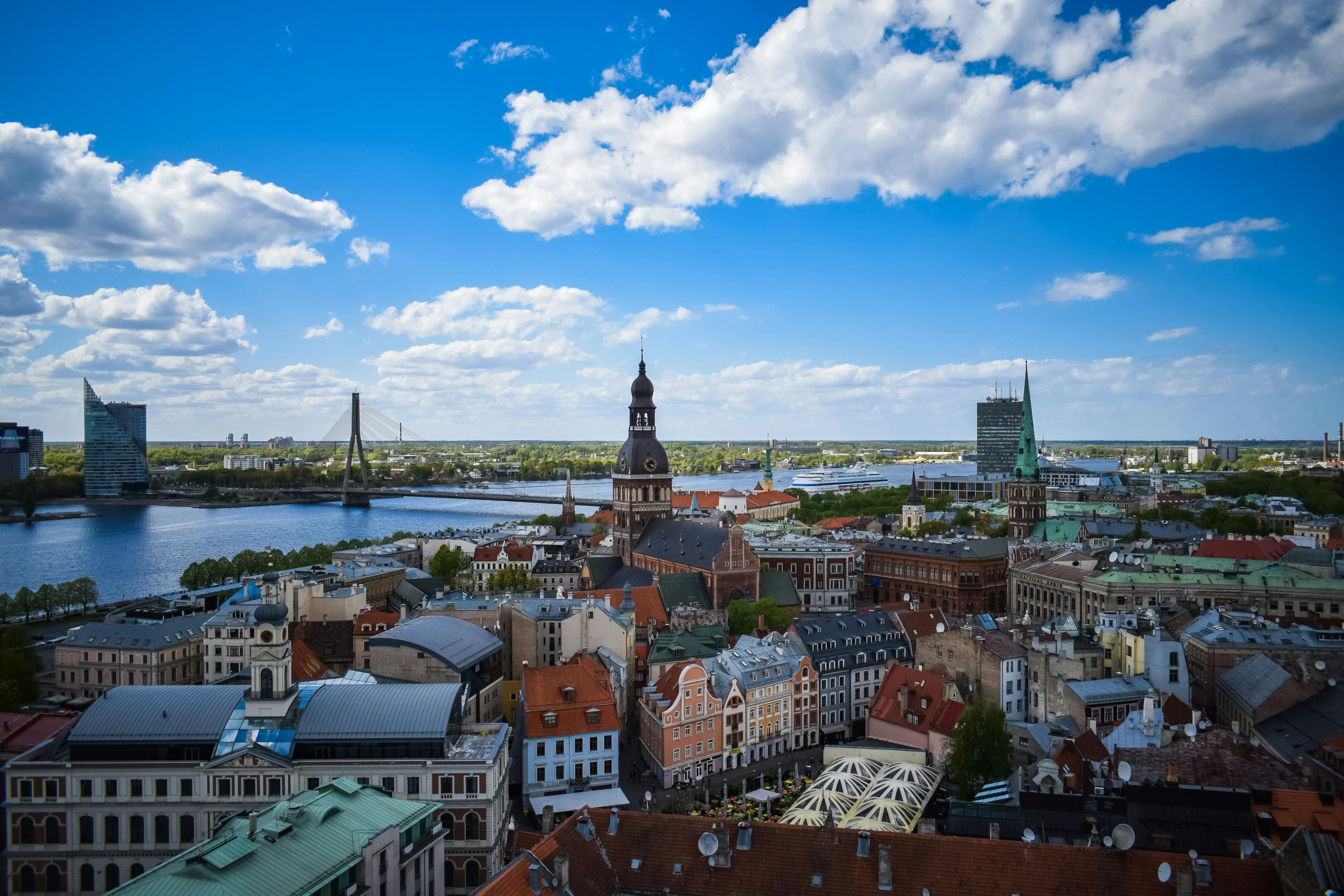
The Old Town is the historic core of Riga, a UNESCO World Heritage Site enclosed by the former city walls. Its cobblestone streets, medieval guild halls, and Gothic church spires create an atmosphere of architectural continuity rare in Eastern Europe. Staying here positions guests within immediate walking distance of the city's primary cultural institutions, including the Latvian National Opera and the Riga Cathedral. Suites in this area tend to occupy converted heritage buildings, where thick stone walls, high ceilings, and irregular floor plans give each room a singular character.
The Art Nouveau district
Concentrated along Alberta iela, Elizabetes iela, and Strelnieku iela, Riga's Art Nouveau district contains over 700 buildings in various Jugendstil, National Romantic, and eclectic styles. It is recognized as one of the finest urban Art Nouveau concentrations in the world. Hotels positioned near or within this district offer a different register of luxury: quieter, more residential in feel, closer to the city's intelligentsia and creative community. For design-literate travelers, proximity to this district is itself a meaningful amenity.
The quiet bank and Pardaugava
Across the Daugava River from the Old Town, the left bank of Riga (Pardaugava) offers a more local, less trafficked perspective on the city. While the concentration of luxury hotel infrastructure is lower here, the area provides access to parks, riverside promenades, and a calmer urban rhythm. Travelers who prioritize residential privacy over proximity to landmarks may find this quadrant compelling.
When to visit Riga for suite travel
Riga's climate is continental, with cold winters and mild to warm summers. The peak luxury travel window runs from late May through early September, when temperatures support outdoor dining, terrace use, and walking exploration of the architectural districts. July and August represent the fullest summer, but also the highest demand period across the city's limited premium inventory.
Late spring (May to early June) and early autumn (September) offer a considered alternative: cooler temperatures, lower pressure on availability, and a city that feels more like itself rather than a destination at full tourist capacity. The Riga Opera Festival, held annually in June, draws an international audience and tends to compress suite availability during its run. The Latvian Song and Dance Celebration, a major national cultural event held every five years, similarly affects accommodation across the city during its occurrence.
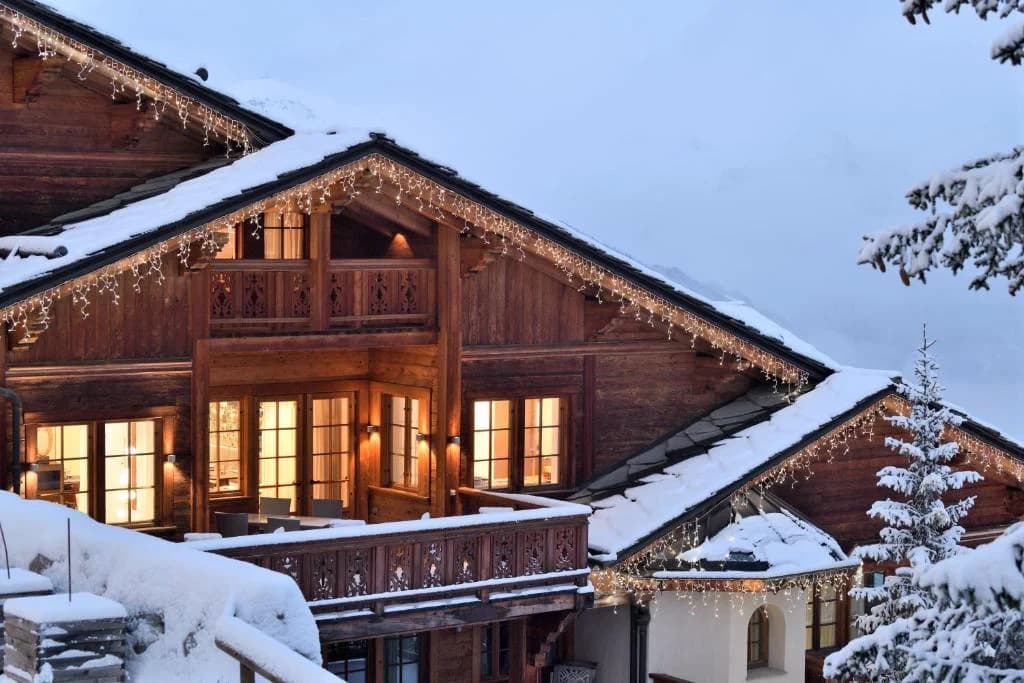
Winter travel to Riga carries its own logic. The city's Christmas market in the Old Town is historically significant (Riga has a credible claim to hosting one of the first decorated Christmas trees in recorded history, in 1510), and the low-season period from November through March offers the quietest conditions for travelers who prefer solitude over spectacle.
Local luxury standards: what to expect from top-tier suites in Riga
Latvia does not operate a formal national hotel classification equivalent to France's Palace designation. The Latvian Hotel Association oversees a star-rating system, and properties operating at the five-star level in Riga represent a small, defined group. Within that group, suites vary considerably in scale and character.
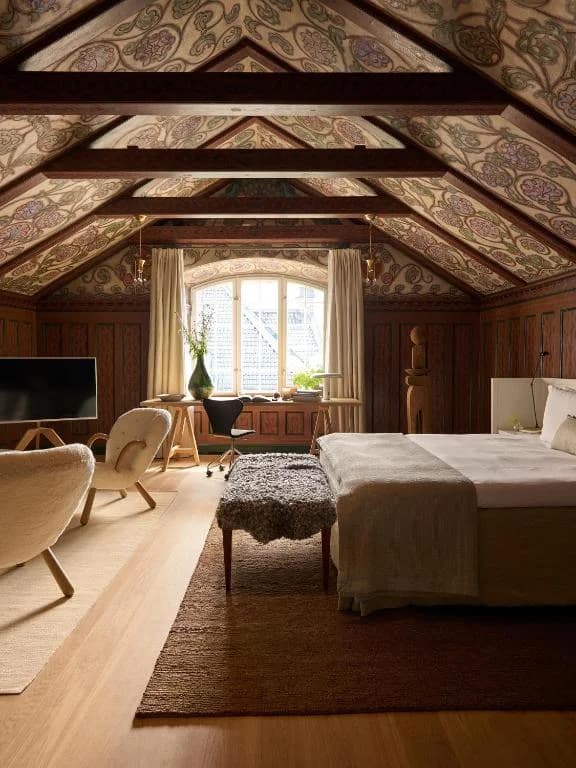
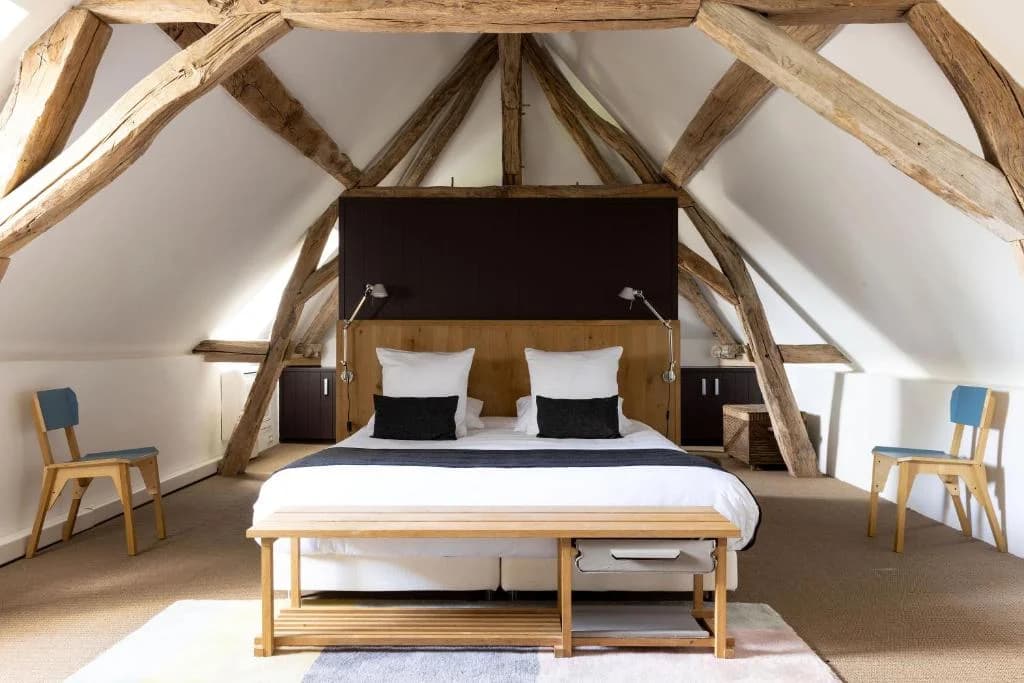
The most distinguished properties in the city tend to occupy either heritage-listed buildings (where the architecture itself becomes part of the suite experience) or purpose-built contemporary structures with an emphasis on spatial quality and service precision. Expect suite offerings that lean toward refined Baltic restraint rather than maximalist display: natural materials (linen, oak, stone), considered lighting, and a general preference for quality over ornamentation.
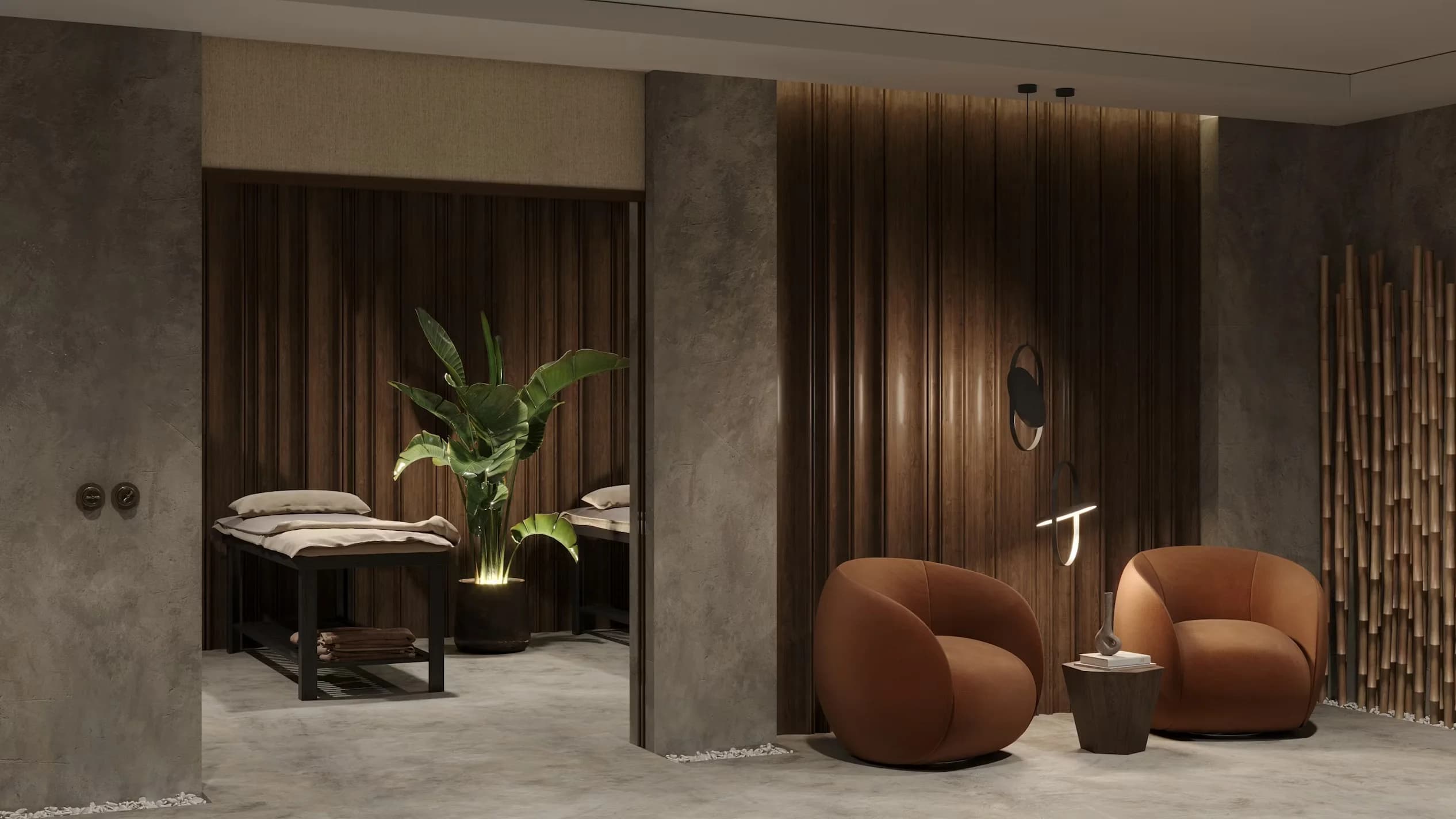
Room service, private check-in, and access to spa or wellness facilities are standard expectations at the top tier. The city's compact scale means that concierge access to the opera, private dining reservations, and bespoke cultural programming are achievable in ways that larger, more diffuse capitals make difficult.
How to choose the best suite in Riga
The primary distinction to consider in Riga is architectural context. Heritage properties in the Old Town offer historic fabric and a strong sense of place, but may involve trade-offs in room proportions or elevator access. Contemporary properties outside the UNESCO boundary offer more uniform spatial standards and typically more extensive amenity infrastructure.
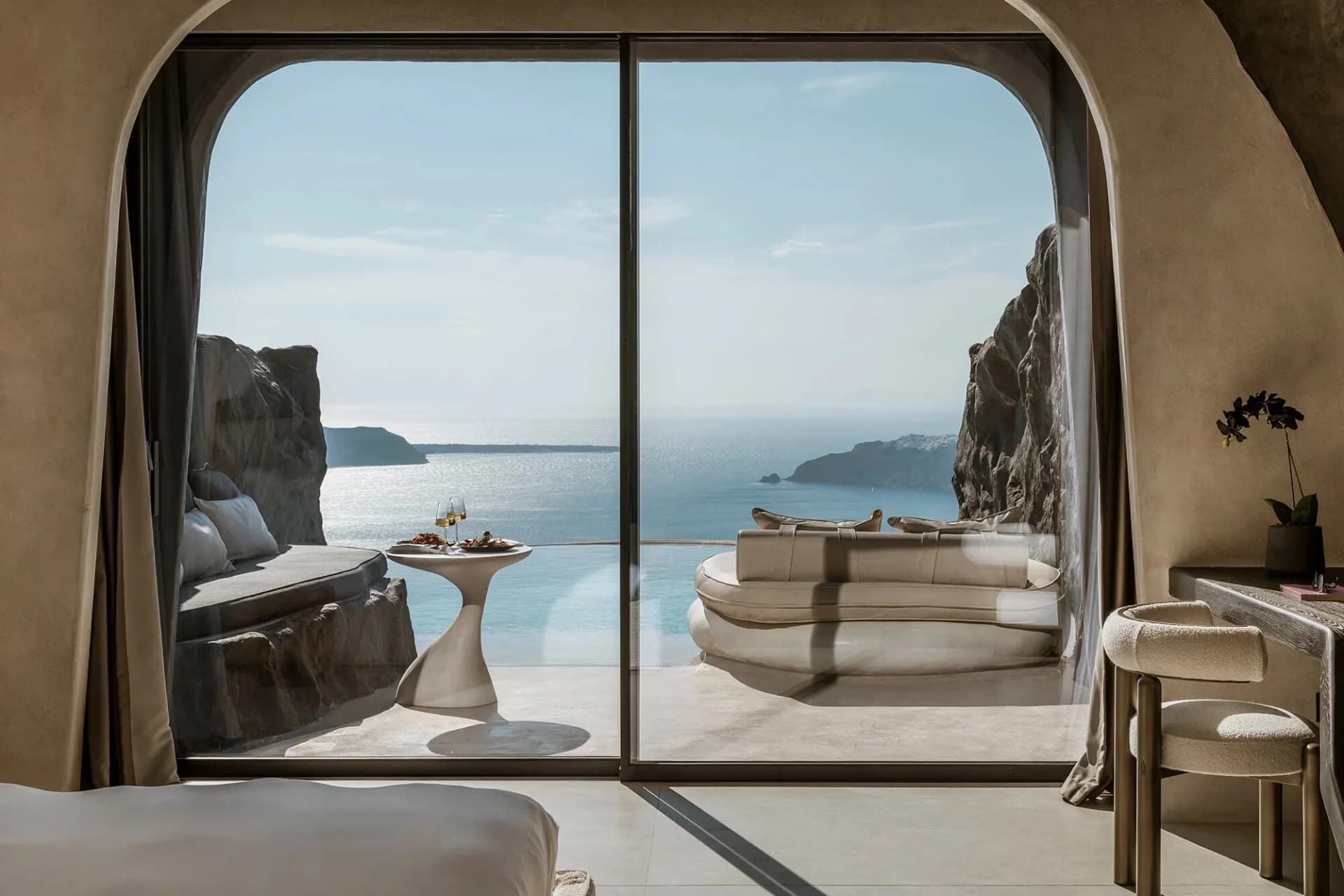
For travelers prioritizing views, river-facing or Old Town-facing suites represent the premium tier. For those prioritizing walking access to cultural institutions, proximity to the National Opera, the Latvian National Museum of Art, and the Art Nouveau district should be weighted against accommodation type.
Suite size in Riga's luxury tier ranges from generous junior suites (around 45 to 60 square meters) to larger signature suites with separate living and sleeping areas. Given the city's intimate hotel market, it is worth verifying suite floor plans and specific room configurations before confirming a reservation, as inventory is limited and the distinction between room categories can be less standardized than in larger markets.
Why a curated selection by La Suite matters in Riga
Riga's luxury hotel market is precisely the type of context where generalist booking platforms underserve the traveler. The number of properties operating at a genuine suite standard is small, the distinction between categories requires local knowledge, and the gap between marketing photography and actual suite quality can be significant in a market with limited price competition at the top tier.
La Suite applies the same editorial criteria to Riga that it applies to Paris, Tokyo, or Cape Town: spatial standards, service culture, architectural integrity, and the overall coherence of the guest experience. In a city where the right suite choice shapes the entire trip, that level of curation is not a convenience. It is the foundation of the decision.