Why Vilnius rewards a suite-level stay
The city also carries a distinct intellectual and creative energy. Vilnius has a strong gallery scene, a publishing culture rooted in its centuries-old book-printing heritage, and a restaurant landscape that has matured significantly since the mid-2010s. Experiencing this from a suite that offers genuine space and privacy changes the pace of engagement with it entirely.
Best areas to stay in Vilnius for a luxury suite
The Old Town (Senamiestis)
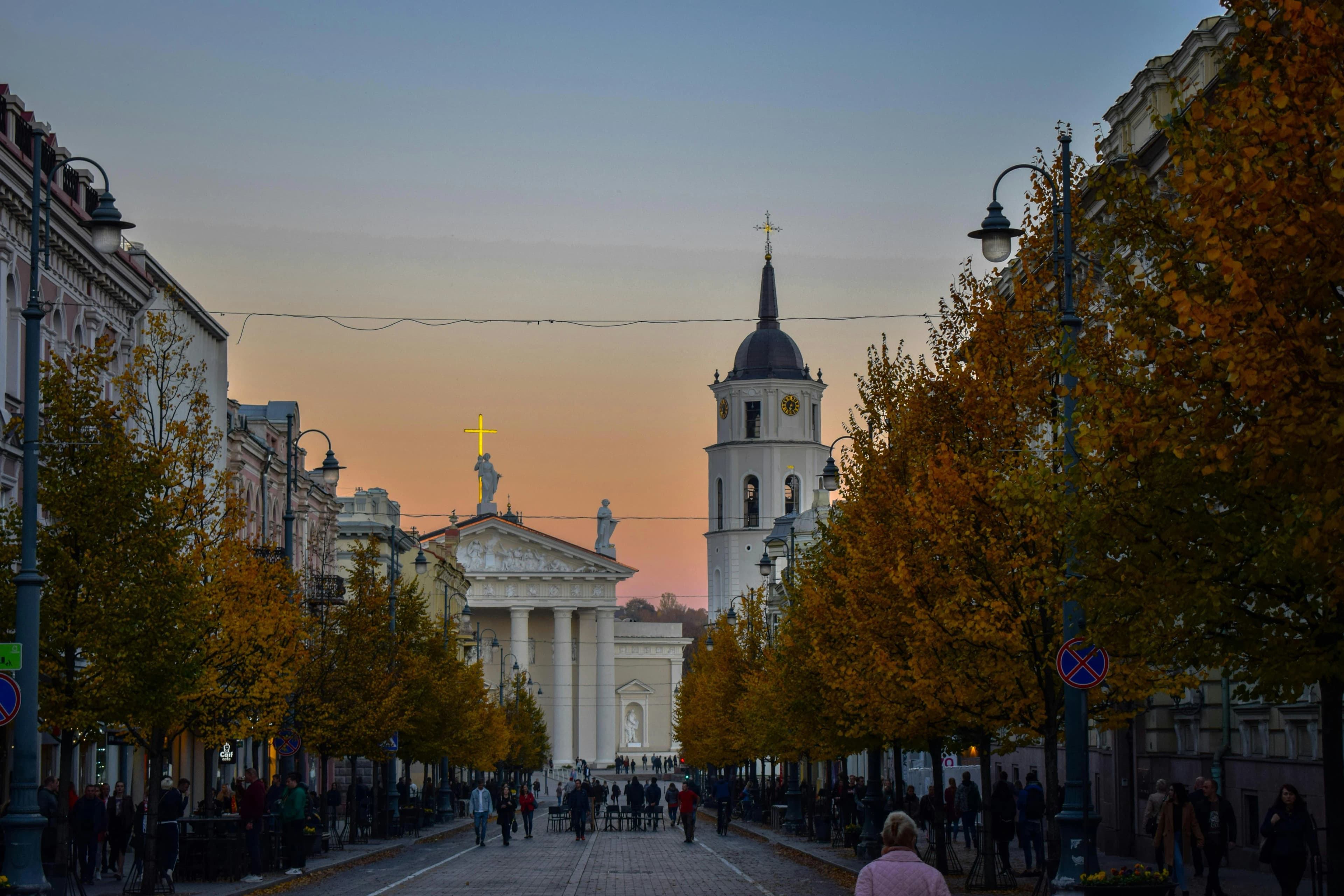
The historic core of Vilnius is the most architecturally compelling area for a luxury hotel stay. Properties here are often housed in buildings dating to the seventeenth and eighteenth centuries, with interiors that balance preservation requirements with contemporary comfort. Proximity to key landmarks, including the Cathedral Square, St. Anne's Church, and the Gates of Dawn, is a practical and aesthetic advantage. The Old Town is walkable and relatively quiet after dark, making it well-suited to travelers who prioritize atmosphere over nightlife.
Užupis
Separated from the Old Town by the Vilnelė river, Užupis is a bohemian district that declared itself an independent republic in 1997, complete with its own constitution and ambassador. It is now home to artists, galleries, and a growing number of boutique properties. Staying in this quarter offers a more unconventional entry point into Vilnius, with a street-level texture that contrasts instructively with the formality of the Baroque center.
Naujamiestis (New Town)
The late nineteenth and early twentieth century New Town contains a mix of Art Nouveau and Modernist architecture that appeals to design-literate travelers. Some of the city's more contemporary luxury hotel offerings are positioned here, with easier access to the main commercial and cultural institutions. The area is less atmospheric than the Old Town but more practical for extended business or cultural stays.
When to visit Vilnius for a luxury stay
Vilnius operates on a clearly defined seasonal rhythm. The summer months of June through August bring the longest daylight hours, with temperatures regularly reaching the high twenties Celsius. This period coincides with the Vilnius Festival, an outdoor classical and contemporary music programme that draws international performers, and with a general opening of rooftop terraces and courtyard dining across the city's better properties. Suite availability at top hotels tightens during late June and July, and advance planning of two to three months is advisable for premium room categories.
Late spring (April to May) and early autumn (September to October) offer a more measured version of the city: fewer visitors, cooler temperatures, and a cultural calendar that includes the Vilnius International Film Festival in March and various gallery seasons running through October. Winter in Vilnius is genuine and cold, with temperatures frequently below zero from December through February. The city's Christmas market in Cathedral Square is a well-regarded regional event, and the reduced tourist presence means that suite upgrades and negotiated rates are more accessible during this period.
Local luxury standards: what to expect from top suites in Vilnius
Lithuania does not have an official hotel classification equivalent to the French Palace designation, but the city's leading properties operate to internationally recognized five-star standards and are typically members of global luxury consortia such as Leading Hotels of the World or Preferred Hotels and Resorts. Suites in Vilnius's top hotels tend to prioritize spatial generosity and architectural authenticity over the kind of amenity maximalism found in newer Gulf or Asian luxury markets.
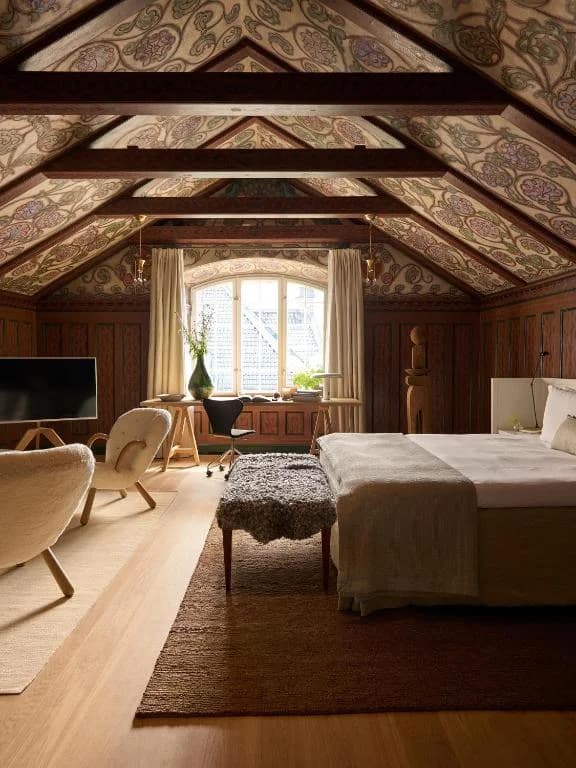
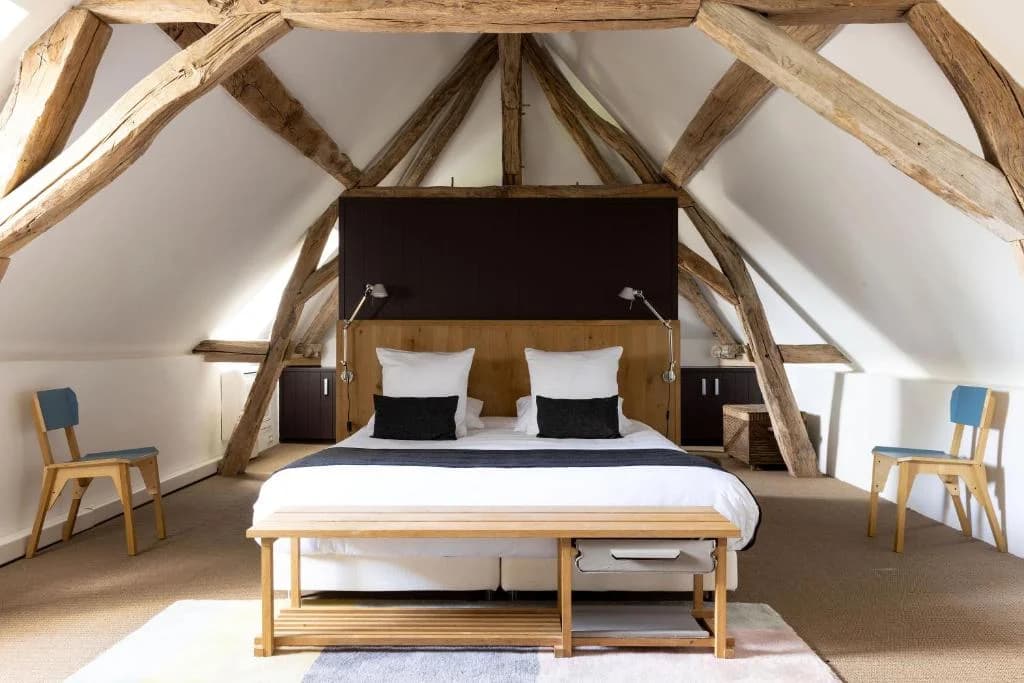
Expect exposed brick, restored parquet, and ceiling heights that reflect the building's original function. Many properties in the Old Town occupy former merchant residences, ecclesiastical buildings, or noble houses, and the best of them have integrated that provenance into the suite design rather than concealing it. Butler service and in-suite dining are available at the upper tier, and several properties have invested in serious spa facilities. The overall register is restrained and considered, which aligns well with what discerning travelers increasingly seek.
How to choose the right luxury suite in Vilnius
The primary choice in Vilnius is between a historic conversion property and a purpose-built contemporary hotel. The conversion properties offer irreplaceable architectural character: irregular floor plans, original stonework, and the particular quality of light that comes through seventeenth-century window apertures. The trade-off is occasionally in technical specification, particularly soundproofing and HVAC consistency, though the leading properties have addressed these issues through careful renovation.
Contemporary properties, typically positioned on the edges of the Old Town or in the New Town, offer more uniform suite specifications with better acoustic performance and newer fitness and wellness infrastructure. For travelers whose primary concern is sleep quality and technical consistency, these represent a more predictable proposition.
Travelers should also consider view orientation. Suites facing the Old Town's roofline and spires offer one of the most distinctive urban panoramas in Northern Europe. This is not a peripheral amenity in Vilnius. It is central to the experience of the city. Confirming specific room orientation at the time of reservation is worth the effort.
The value of a curated selection in Vilnius
The luxury hotel market in Vilnius is smaller than in comparable European capitals, but it is more varied than its size might suggest. A small number of genuinely exceptional properties sit alongside a larger number of four-star hotels marketed as luxury that do not meet the spatial and service criteria that define a true suite-level experience.
La Suite applies consistent editorial criteria across every property in its selection: suite size, architectural quality, service infrastructure, privacy provision, and the specificity of the local experience offered. In a city where the distinction between a well-designed boutique hotel and a genuine luxury suite property is not always legible from standard booking platforms, this curation is a practical tool. It reduces decision friction and ensures that the stay matches the intention of the trip.