Why Centrum defines the Amsterdam luxury suite experience
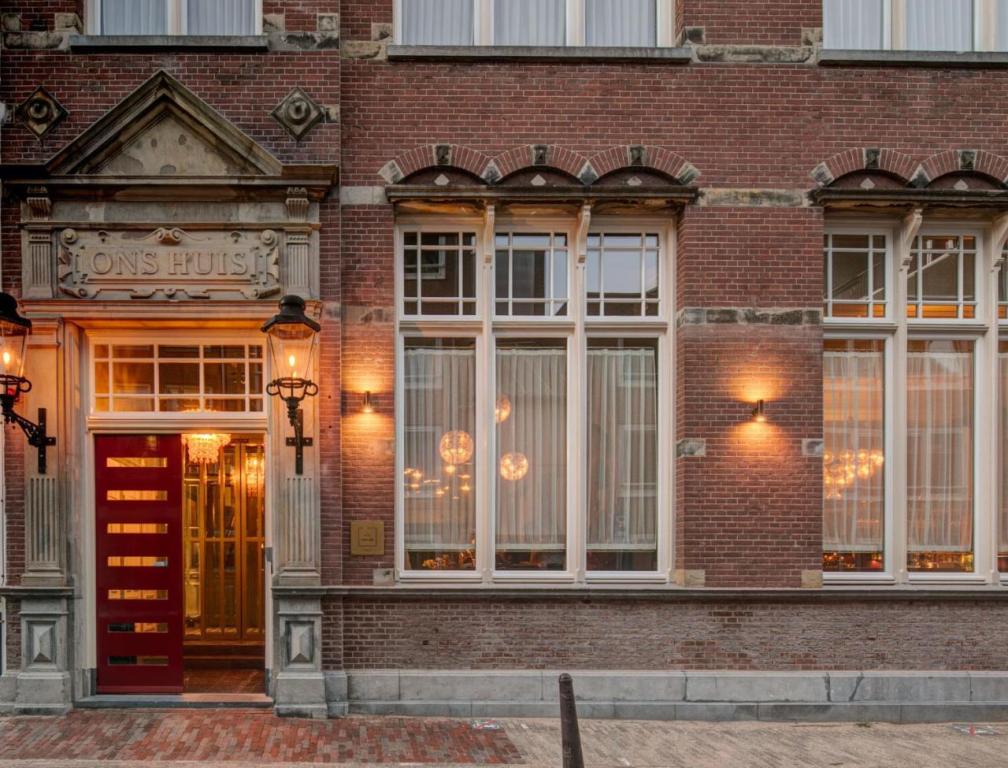
For travellers selecting a luxury suite in the Netherlands, Centrum remains the reference point. It concentrates the city's most significant institutions, from the Rijksmuseum's northern annexes to the Amsterdam Museum and the network of historic canal houses now operating as private cultural venues. The luxury hotel market here reflects this density, with properties occupying converted 17th and 18th-century buildings alongside purpose-built contemporary structures that engage carefully with their historic surroundings.
The distinct character of Centrum's sub-areas
The canal ring: Grachtengordel
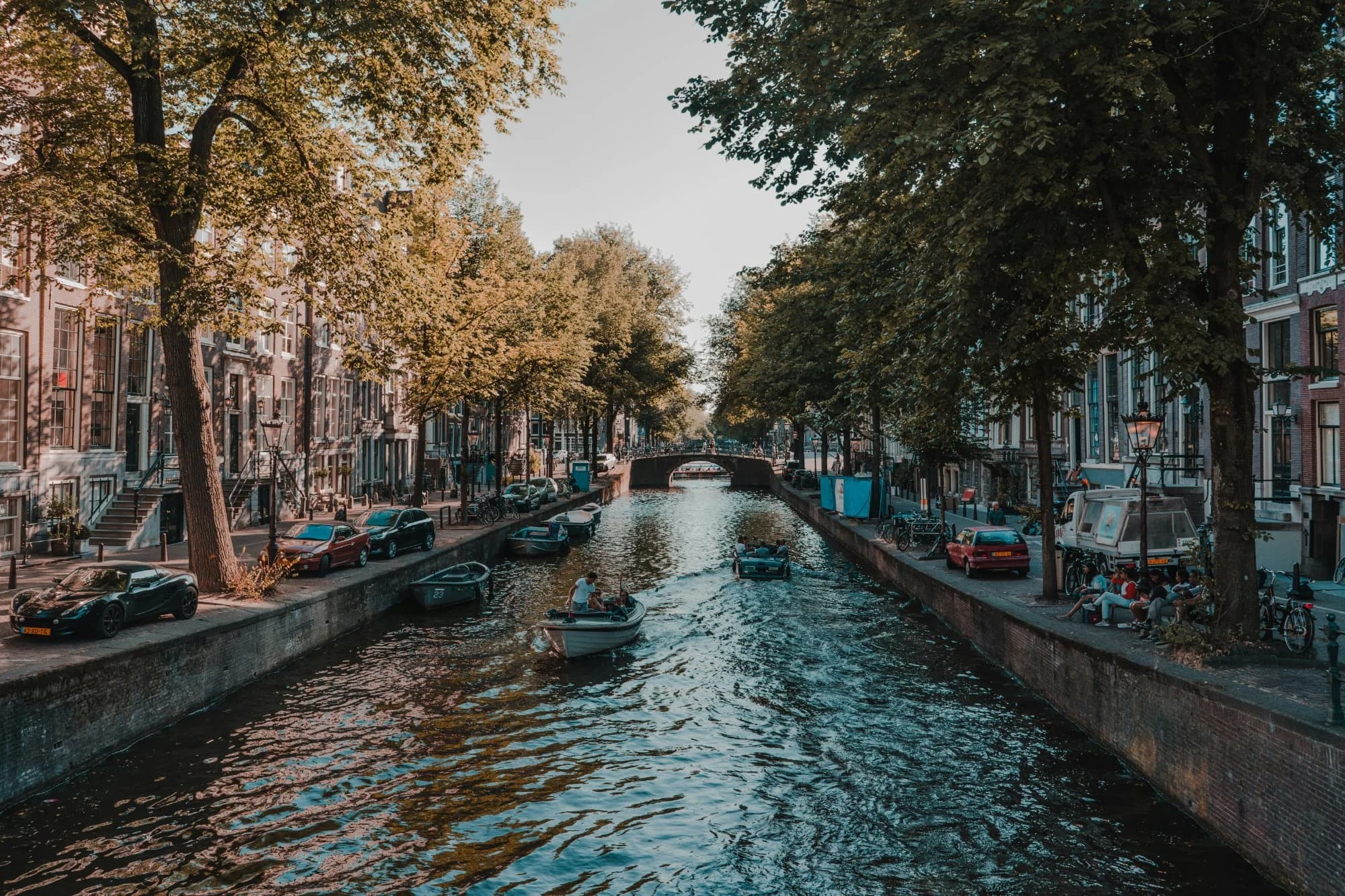
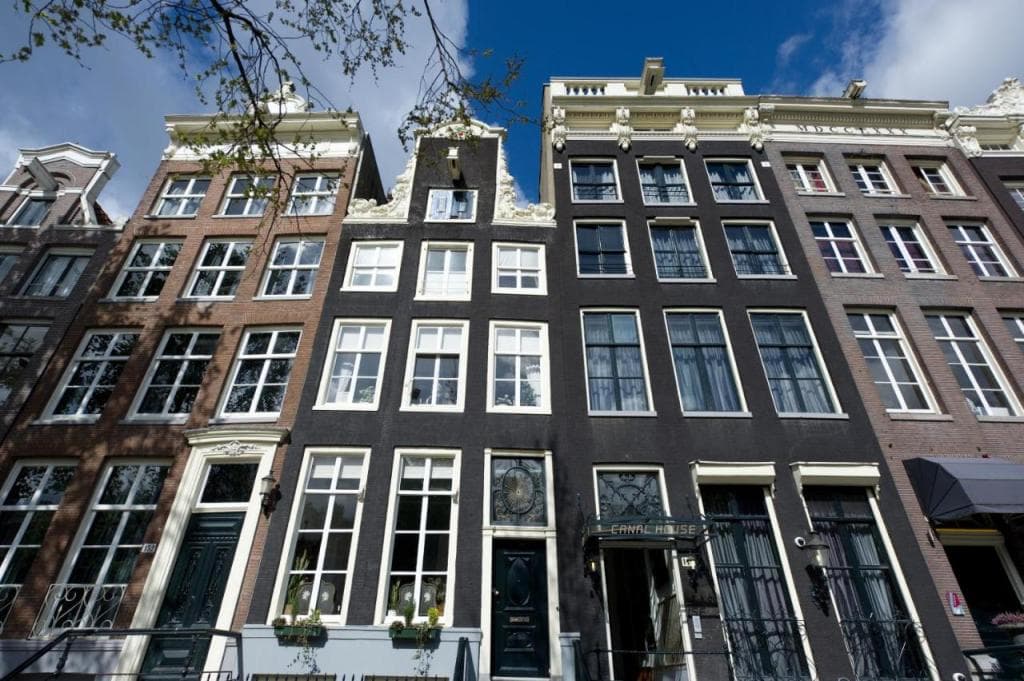
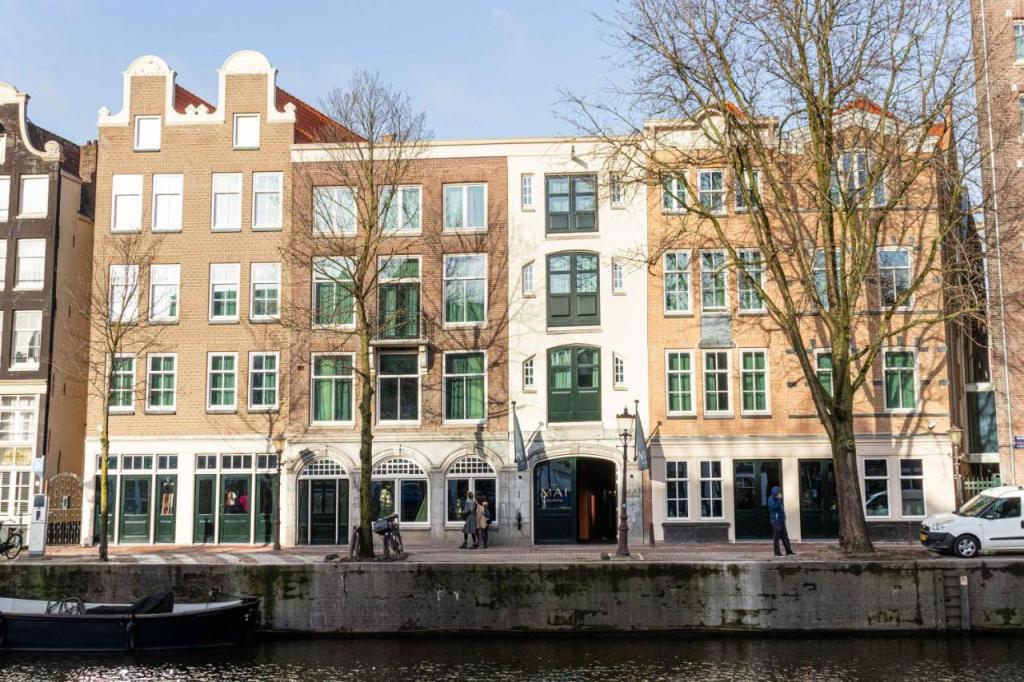
The Grachtengordel, the arc of four principal canals (Herengracht, Keizersgracht, Prinsengracht, and Singel), forms the most prestigious residential and hotel address in the district. Properties here tend to occupy former merchant residences with tall, narrow floor plans, high ceilings, and original oak beams. Luxury suites in these buildings often feature canal-facing windows that frame the city as a living composition. The premium is real, and it is earned: no other part of Amsterdam delivers this particular quality of light and urban texture.
The Old Centre: De Wallen and Nieuwendijk
The eastern section of Centrum, centred on the medieval core around Dam Square and the Oudezijds Voorburgwal, is the city's oldest inhabited area. Several significant luxury hotel conversions have taken place here, transforming former civic buildings and historic warehouses into contemporary properties with serious spatial ambitions. This area is denser and more active than the canal ring, making it more appropriate for travellers who want proximity to cultural institutions and the city's commercial arteries.
The Jordan border and Westerdok
The western edge of Centrum, where the district merges with the Jordaan, offers a quieter residential character. Streets narrow, foot traffic thins, and the canal infrastructure becomes more intimate. Luxury hotel properties in this transitional zone tend to offer larger footprints and more generous suite configurations, with an atmosphere that reads more as private residence than urban hotel.
When to visit Centrum for a luxury suite stay
Amsterdam's canal district operates well across all four seasons, but the character shifts considerably. Spring, from late March through May, brings the city's most photographed conditions: clear northern light, cycling culture at full intensity, and the tulip season in full expression at Keukenhof within easy reach. Suite availability at premium properties tightens significantly during this period, particularly around King's Day on the 27th of April, which transforms Centrum into a city-wide event of considerable scale.
Summer (June to August) delivers long daylight hours and warm temperatures. The district's outdoor terraces and canal-side dining come into full use, but the volume of visitors increases accordingly. For travellers prioritising quiet enjoyment of their suite and the surrounding streets, early autumn (September to October) is often the more considered choice. The light at this latitude in early autumn is particularly well-regarded by photographers and architects; the city reads with greater clarity when the peak tourist density has receded.
Winter in Centrum is underrated by conventional travel guidance. The canal houses lit against grey skies, the reduced street activity, and the Amsterdam Light Festival (typically running from November through January) make the district feel genuinely cinematic. Suite rates at several properties soften during this period, offering an opportunity for a more deliberate, unhurried stay.
Understanding luxury hotel standards in Centrum
Amsterdam does not operate under the French Palace designation system, but the city has its own hierarchy of hotel quality that serious travellers should understand. The highest-tier properties in Centrum typically hold membership in Leading Hotels of the World or similar consortia, and they are characterised by staff-to-guest ratios, suite sizes, and in-room material standards that distinguish them clearly from the broader five-star category.
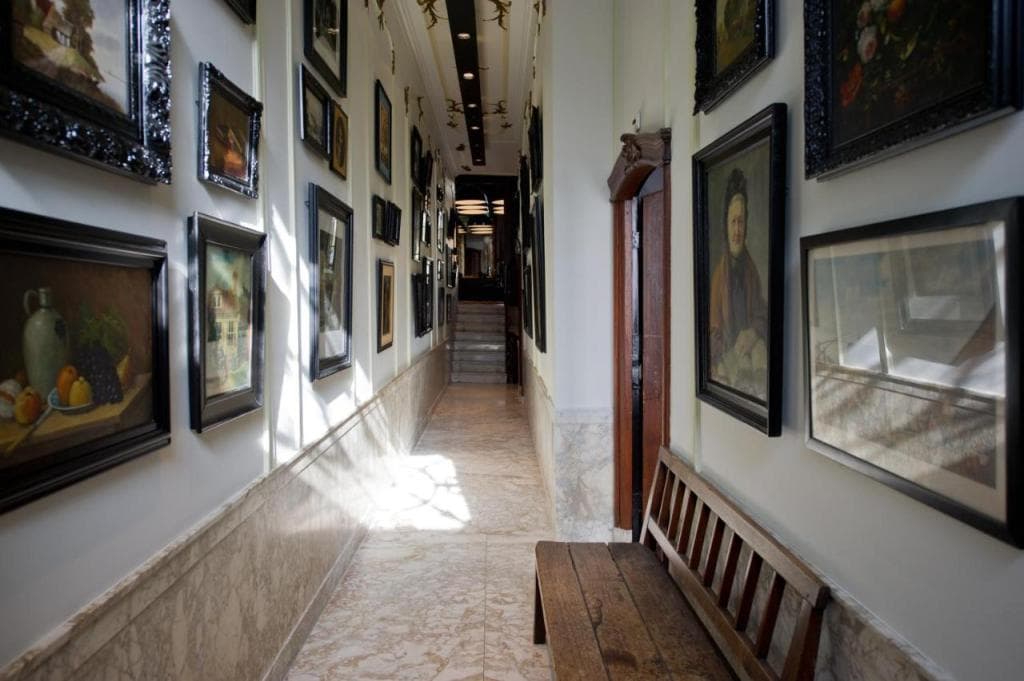
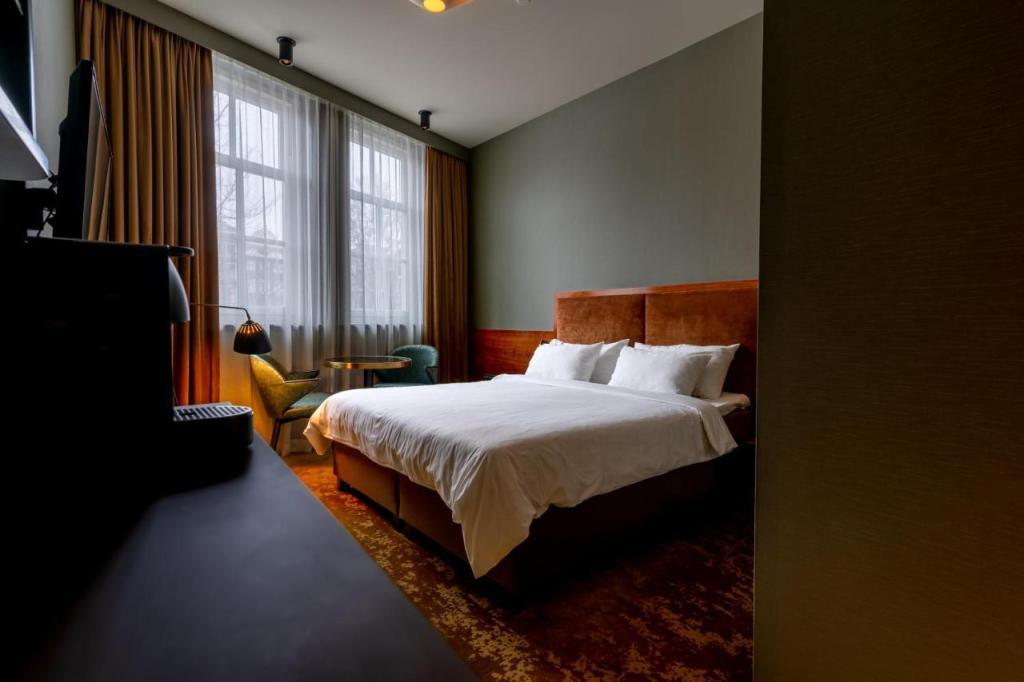
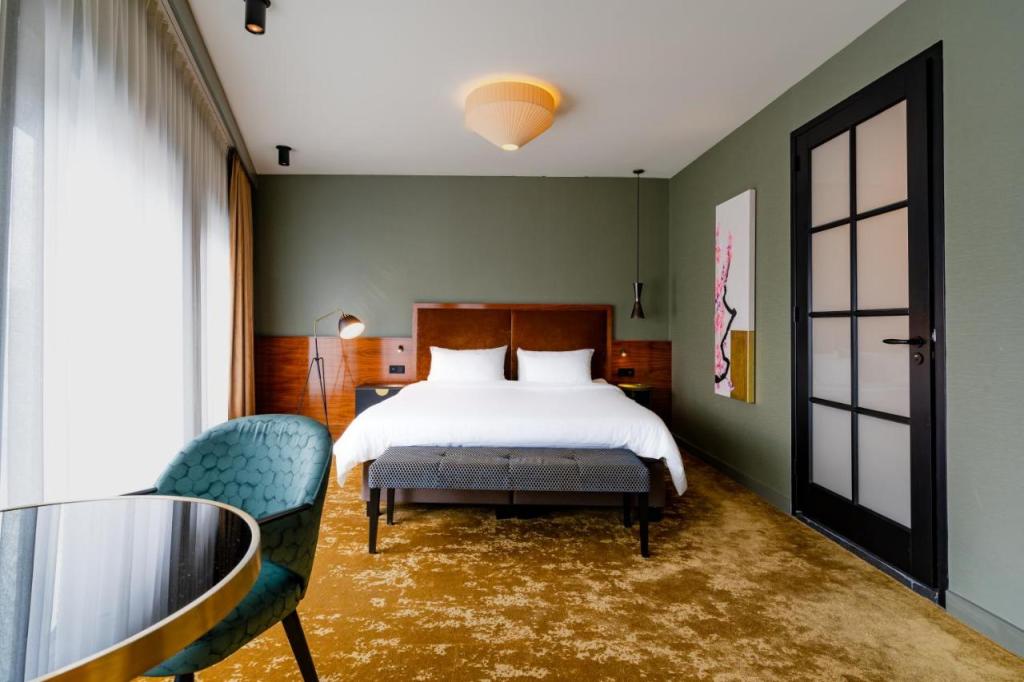
The architectural constraints of Centrum's historic buildings mean that luxury suites here rarely conform to the expansive floor plans available in newer hotel markets. What they offer instead is proportion, original material detail, and the kind of urban context that cannot be manufactured. A suite in a converted canal house will have lower ceilings than a comparable room in a modern tower, but it will also have original 17th-century panelling, hand-laid tile floors, and windows designed to admit the maximum northern light available at this latitude. These are considered trades, not compromises.
Canal-facing suites carry a meaningful premium over courtyard or street-facing equivalents. For European luxury travellers who know Amsterdam well, the canal view is the primary spatial criterion, and availability of these rooms at peak periods is genuinely limited.
How to choose the right luxury suite in Centrum
The first decision is architectural preference. Historic conversions offer material authenticity and a direct connection to the city's civic history. Contemporary properties, several of which have been developed within Centrum's boundaries in the past decade, offer larger bathrooms, more flexible suite configurations, and in some cases rooftop terraces with canal panoramas. Neither category is superior; the choice depends on the type of experience the traveller is building.
The second consideration is noise. Centrum is a working city neighbourhood, and certain streets, particularly those adjacent to the main tram lines on Damrak, Rokin, and Nieuwezijds Voorburgwal, carry significant sound at street level. Suites positioned on upper floors or set back from primary thoroughfares are considerably quieter. Any serious booking process for a luxury suite in Centrum should include specific enquiry about room orientation and floor position.
Private amenities matter differently here than in resort contexts. Centrum is a walking district, and the city's cultural infrastructure is the amenity. In-room features such as private terrace access, butler service, and dedicated check-in protocols tend to be more relevant than spa facilities, which are less consistently available in the district's converted historic properties.
The value of a curated selection for Centrum
The Amsterdam luxury hotel market is not opaque, but it is uneven. Several properties marketing themselves at the top of the market do not deliver suite quality consistent with their positioning, particularly in terms of soundproofing, material specification, and the coherence of the guest experience. The gap between the best properties in Centrum and the merely expensive ones is real and consequential for a stay of two or three nights.
La Suite applies consistent editorial standards to every property in its selection, prioritising suite-specific quality rather than overall hotel reputation. For Centrum specifically, this means evaluating canal-facing availability, room proportions within the constraints of historic buildings, and the quality of personalised service at the suite level. The curated selection by La Suite reflects these criteria directly, giving travellers a reliable starting point for a district where the choice, while rich, rewards careful navigation.