Understanding Grachtengordel as a luxury destination
The neighbourhood is best understood not as a tourist quarter but as a functioning residential and cultural district. Galleries, independent booksellers, specialist antique dealers, and private members institutions occupy ground floors beneath apartments and hotel rooms above. For the traveler seeking a luxury hotel suite with genuine urban texture, Grachtengordel offers something architecturally and socially coherent in a way that purpose-built hotel districts rarely achieve.
The distinct character of each canal belt
Herengracht: the prestige address
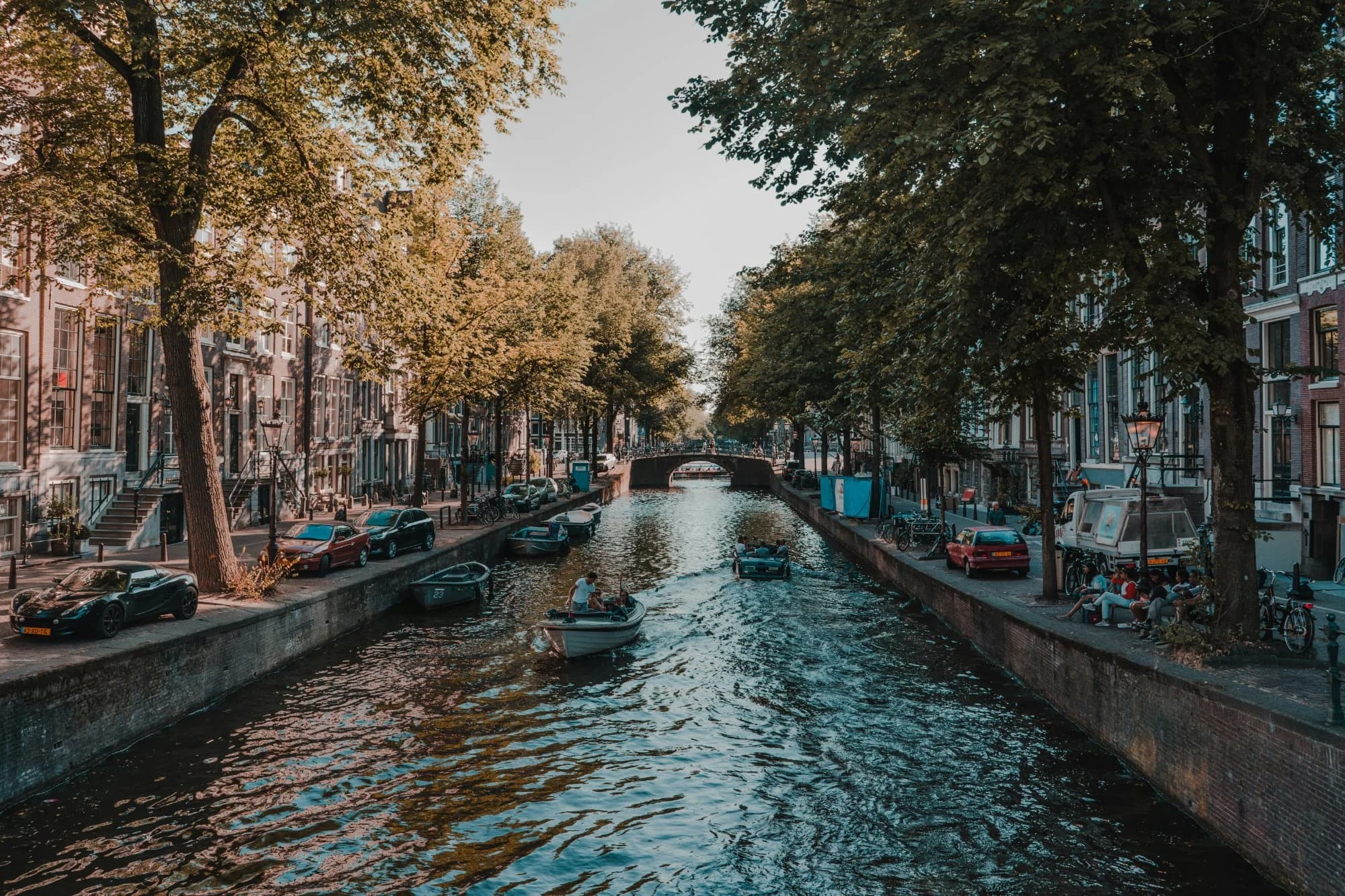
The Golden Bend, a curve of the Herengracht between Leidsestraat and Vijzelstraat, contains some of the widest plots in the entire ring. Houses here were permitted double-width facades as a mark of civic status, and the resulting streetscape is one of the most considered in Northern Europe. Hotels occupying these buildings inherit that proportional seriousness: high ceilings, generous room volumes, and an orientation towards quiet canal-side contemplation rather than social performance.
Keizersgracht: cultural density
The Emperor's Canal sits one ring outward from the Herengracht and has historically attracted cultural institutions, literary societies, and the kind of residents who value proximity to the Jordaan's gallery district. The scale here is slightly less formal, the gable variety more pronounced, and the pedestrian environment particularly well-suited to the kind of exploratory walking that defines a considered Amsterdam stay.
Prinsengracht: lived-in and literary
The outermost of the three principal canals, Prinsengracht borders the Jordaan neighbourhood and carries a more residential, less ceremonial character. It is the canal of the Anne Frank House and the Westerkerk. Luxury suites in this corridor offer proximity to some of Amsterdam's most significant cultural addresses while remaining genuinely embedded in everyday neighbourhood life.
When to stay in Grachtengordel
The canal ring reads differently across seasons, and the choice of when to visit materially affects the quality of a suite stay. Late spring, from mid-April through June, brings the most photogenic light conditions: long northern evenings, linden trees in leaf, and the canal surfaces at their most reflective. Hotel suite availability in this period tightens considerably, and rates reflect demand from both leisure travelers and the international business community convening for Amsterdam's spring conference cycle.
September and October offer a more temperate calculus. Cultural programming intensifies, including Amsterdam Dance Event in October, which draws a global creative industry to the city, and the principal galleries reopen after summer closures. Suite rates tend to soften slightly from peak summer levels while conditions for walking the canal streets remain comfortable.
Winter in Grachtengordel is an acquired taste and a rewarding one. The Jordaan's Christmas market, the particular atmosphere of canal fog, and the relative absence of casual tourism create the conditions for a more private engagement with the city. Suites with canal-facing windows offer a quality of interior comfort in this season that is difficult to replicate elsewhere in the Netherlands.
Local luxury standards: what distinguishes a canal-ring suite
Amsterdam does not operate a state-designated luxury classification equivalent to the French Palace label. Quality in Grachtengordel is therefore expressed through other means: the coherence of a building's restoration, the quality of local craft used in interiors, and the spatial intelligence applied to rooms that must often work within the constraints of historic Dutch building proportions.
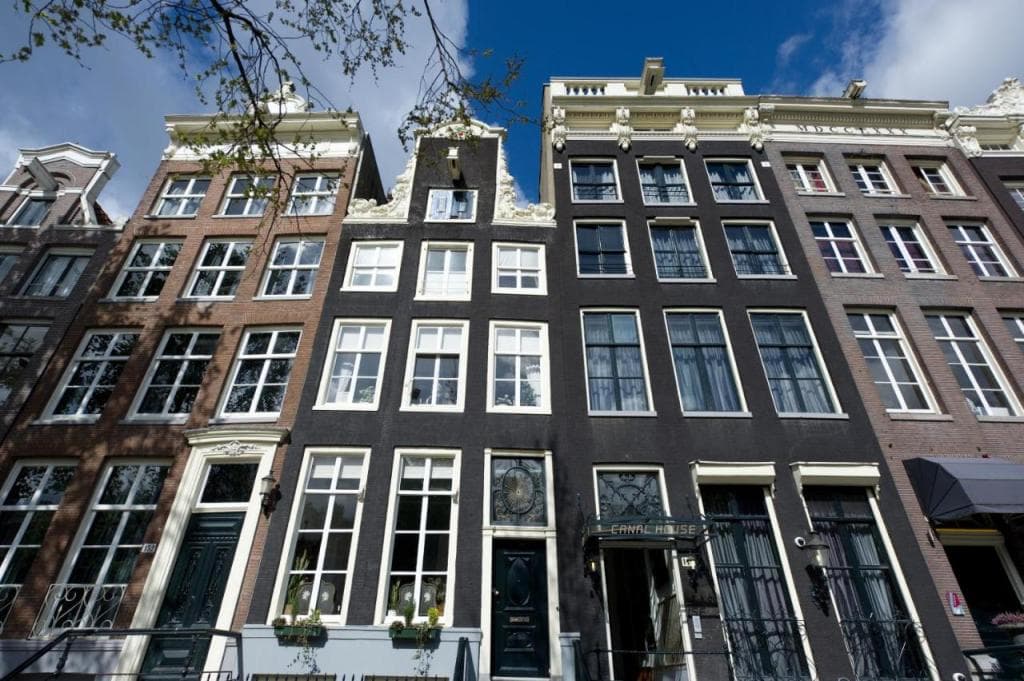
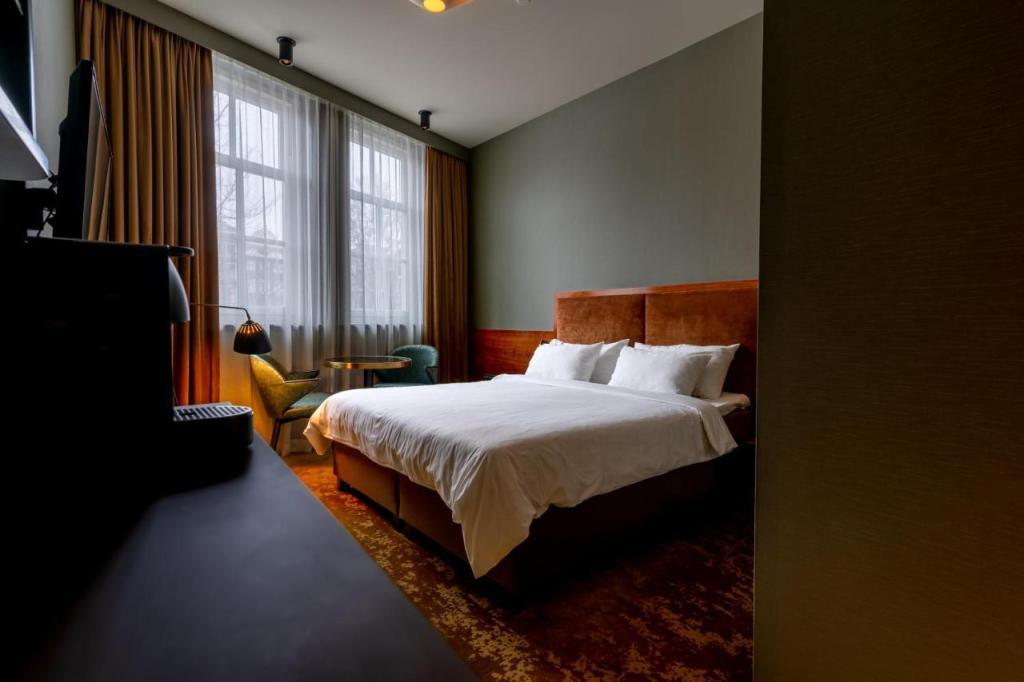
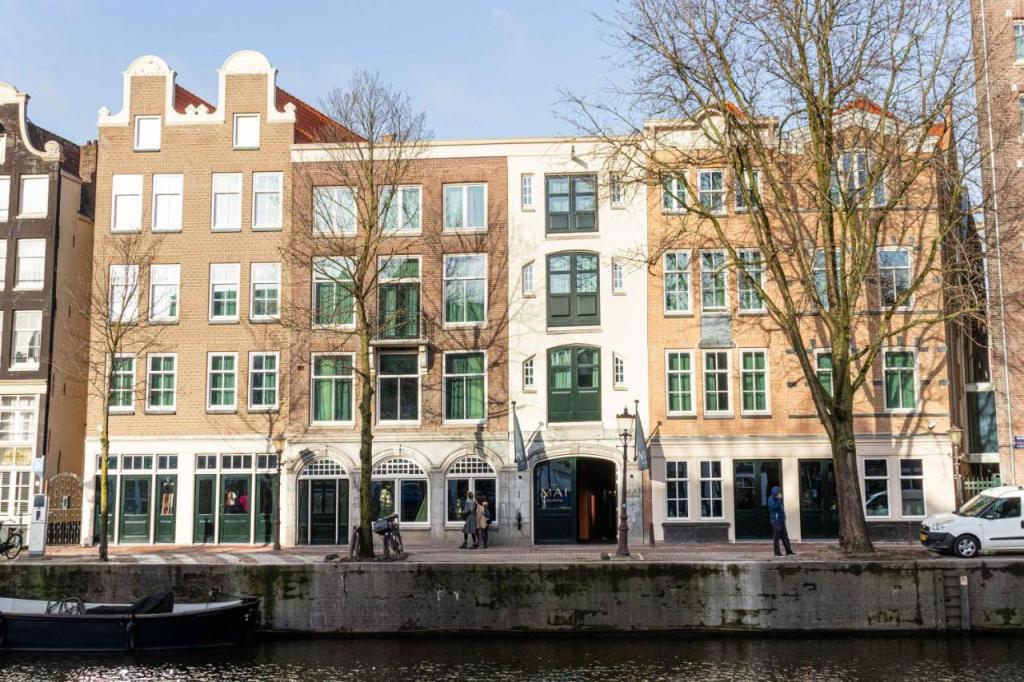
The characteristic Dutch canal house presents specific architectural realities. Floor plates are narrow, staircases are steep by contemporary standards, and ceiling heights vary dramatically between floors, with the piano nobile typically offering the most generous volumes. The finest hotels in the district have addressed these constraints creatively, treating them as defining characteristics rather than problems to be minimised. A suite on the bel etage of a restored Herengracht mansion carries an entirely different spatial logic from a suite in a purpose-built contemporary hotel, and discerning travelers come specifically for that distinction.
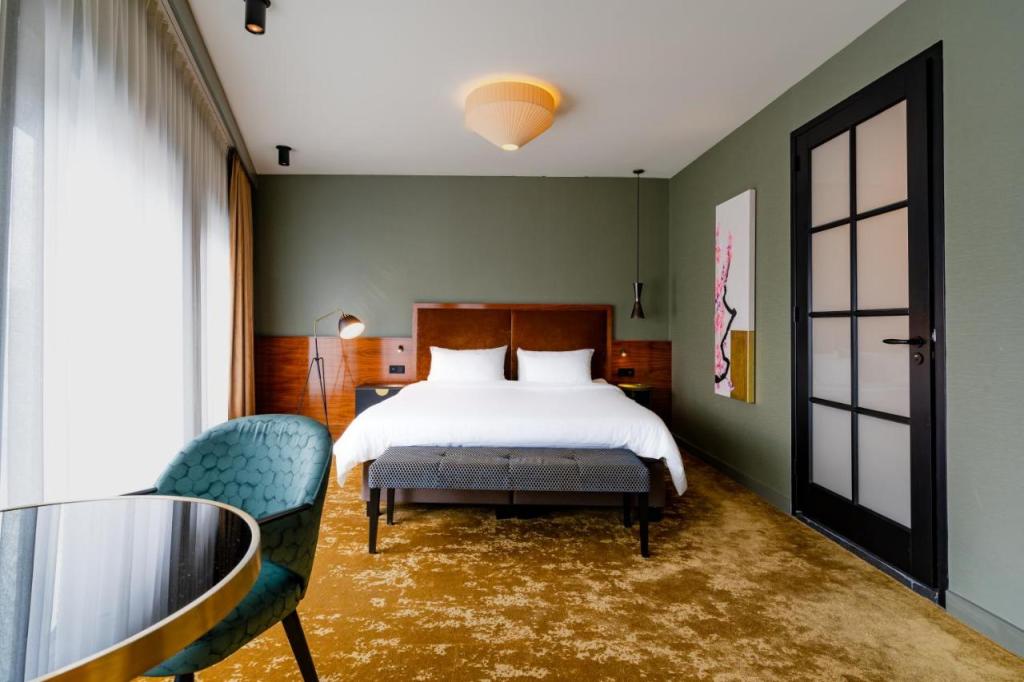
Dutch design culture also inflects the character of the best properties here. The Netherlands has a long tradition of applied design rigour, from Rietveld to Droog, and the most considered suites in Grachtengordel reflect that inheritance: restrained palettes, deliberate material choices, and an absence of decorative excess that reads as confidence rather than minimalism for its own sake. For those exploring the broader luxury landscape across Europe, the canal ring represents one of the continent's most architecturally specific suite experiences.
How to choose the right luxury suite in Grachtengordel
Canal view versus garden orientation
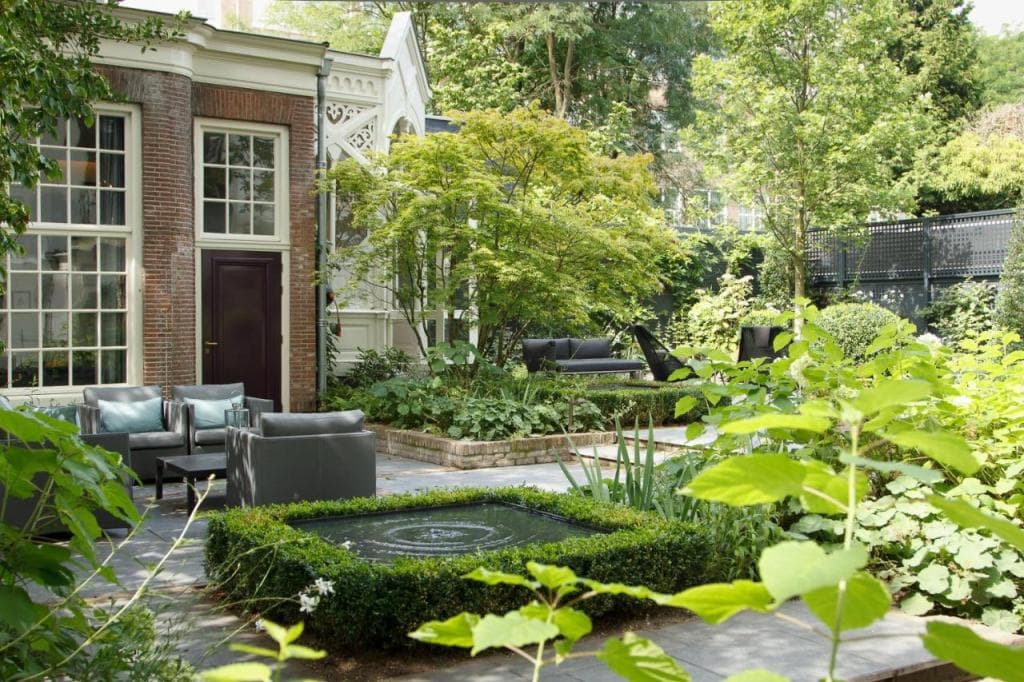
Properties on the principal canals offer two distinct orientations: canal-facing rooms, which provide the visual drama of water, bridges, and passing boats, and rear-facing rooms that overlook private canal-house gardens. The garden-side suite is often quieter and carries a more intimate domestic quality, while the canal side offers the neighbourhood's defining visual experience. The choice depends on whether you prioritise sensory theatre or reflective seclusion.
Historic fabric versus contemporary intervention
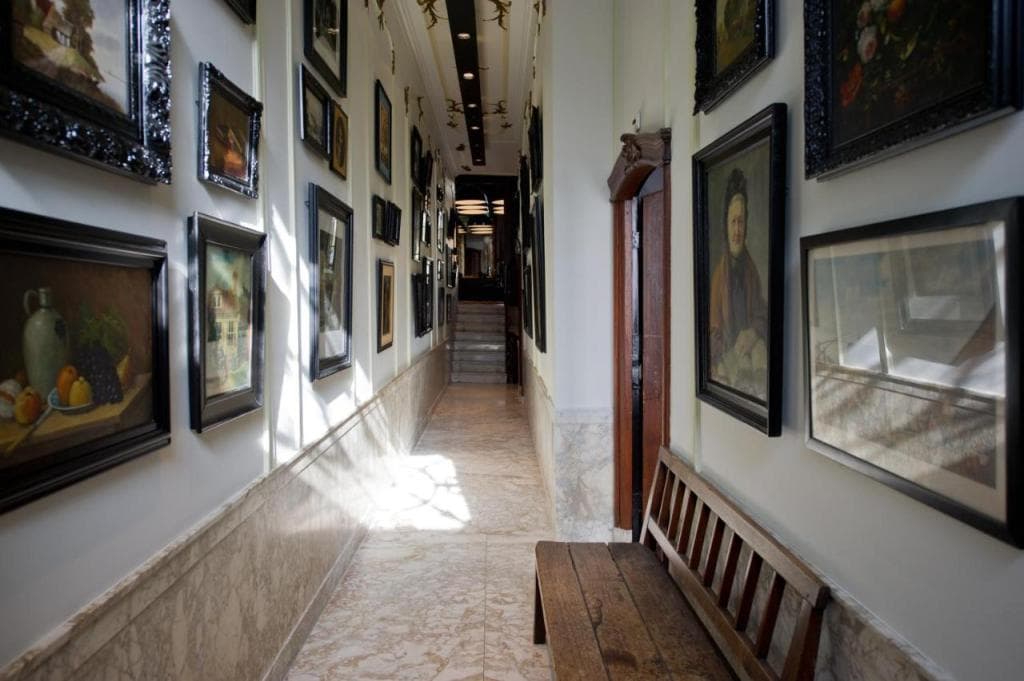
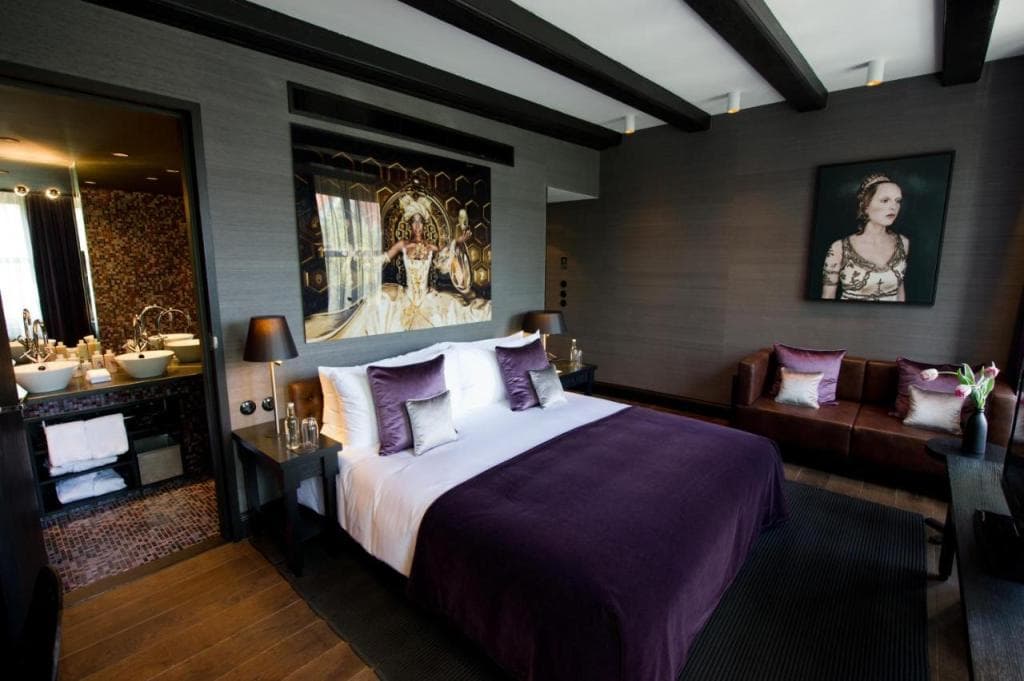
Some properties in Grachtengordel preserve near-intact historic interiors, including original tile work, painted wooden beams, and period staircases. Others have introduced contemporary design interventions within the historic shell. Both approaches can yield exceptional suite experiences, but they address fundamentally different traveler sensibilities. Understanding which category a property falls into before arrival saves disappointment and sharpens the decision.
Size and practicality
Canal-house suites are rarely large by the standards of resort or contemporary city hotels. The building type does not permit it. What they offer instead is proportion, character, and a quality of spatial experience that square footage alone does not capture. Travelers who require gym access, large meeting facilities, or extensive F&B options within the property itself may find the most historic properties limited. Those who prefer the neighbourhood itself as their amenity will find the constraints irrelevant.
Why curation matters in Grachtengordel
The canal ring contains a significant number of properties operating at varying standards beneath a broadly similar aesthetic register. The vocabulary of Dutch Golden Age architecture, exposed brick, tall windows, canal views, is available at price points ranging from budget guesthouses to genuinely exceptional luxury hotel suites. Without curation, the visual similarity of these properties makes meaningful differentiation difficult from a listing photograph alone.
La Suite applies editorial judgment to this market: assessing the quality of restoration, the coherence of interior decisions, the level of service architecture, and the spatial quality of individual suites rather than properties in aggregate. The curated selection by La Suite in Grachtengordel reflects only those properties where the suite experience justifies the premium and where the architectural context actively enhances the stay. For travelers arriving in Amsterdam with high expectations and limited time, that filter is the difference between a considered trip and an expensive approximation of one.