Le Jordaan and its place within Amsterdam's luxury landscape
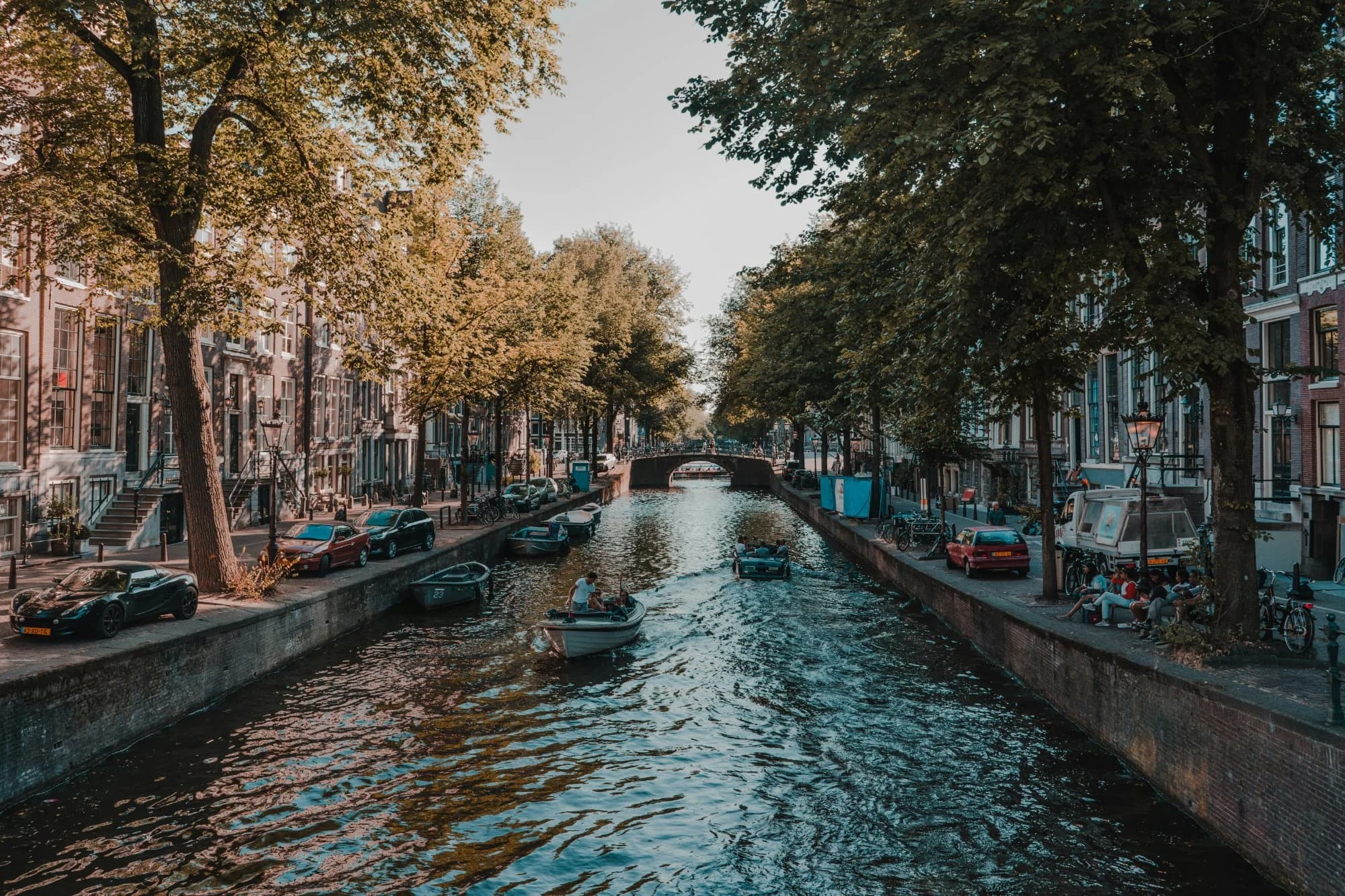
For the luxury traveler, Le Jordaan offers something that larger hotel districts cannot replicate: the sensation of living within the city rather than observing it from a distance. Canal-facing suites in converted 17th-century premises give guests direct access to the visual and acoustic texture of Amsterdam at its most preserved. The neighborhood rewards slow exploration, which is precisely the kind of travel a well-chosen suite enables.
The distinct areas within and around Le Jordaan
The northern Jordaan
The northern section of Le Jordaan, centered around the Noordermarkt and the Noorderkerk, is the more residential and culturally active part of the neighborhood. The Saturday farmers market and the Monday flea market at Noordermarkt attract a local, design-literate crowd. Properties in this zone offer proximity to some of the city's best independent coffee roasters, bookshops, and contemporary art spaces.
The southern Jordaan
Moving south toward the Elandsgracht and the Looiersgracht, the character shifts slightly toward antique dealers, specialist food merchants, and a denser gallery presence. This southern corridor connects naturally with the canal belt and is within comfortable walking distance of the Rijksmuseum and the Van Gogh Museum. For travelers who want cultural access alongside neighbourhood quietude, this is a particularly well-positioned base.
The canal belt interface
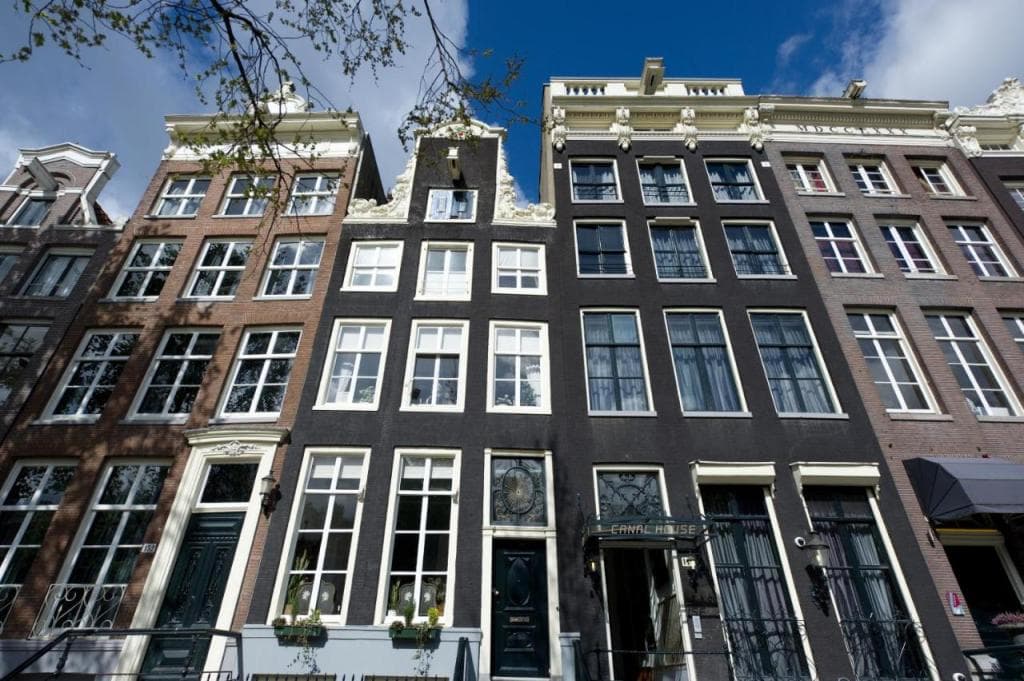
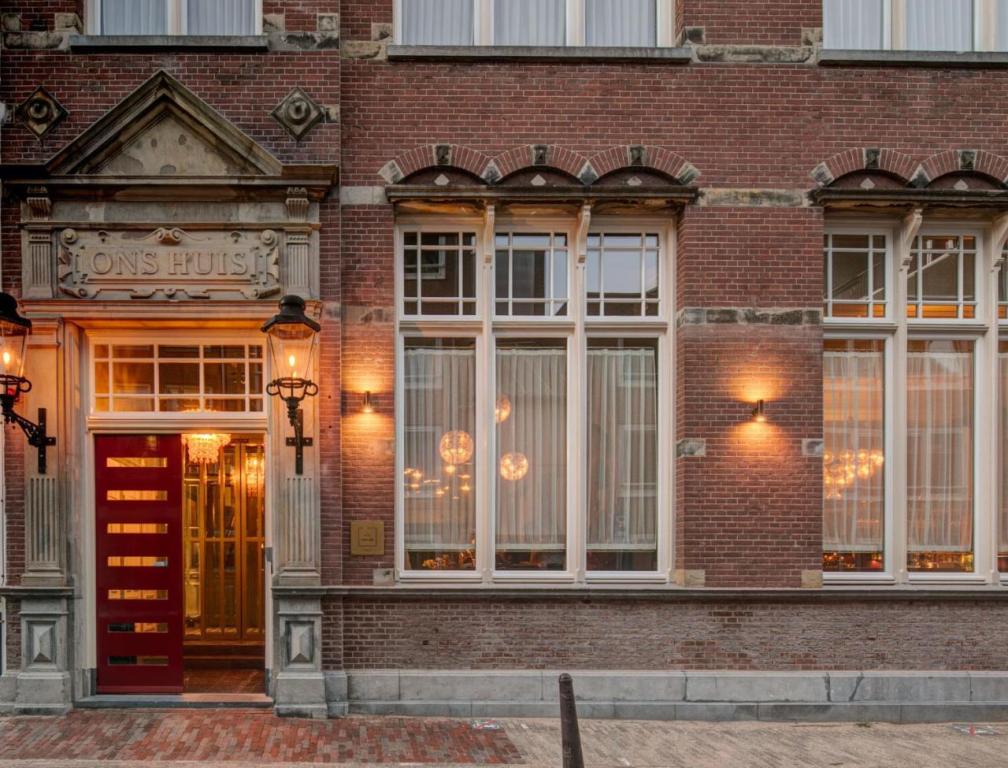
The eastern edge of Le Jordaan, along the Prinsengracht, sits at the boundary between the neighbourhood and Amsterdam's UNESCO-listed canal ring. Suites with canal views in this zone offer one of the defining visual experiences of the city: the symmetry of gabled facades reflected in still water, best observed at dawn or in the low winter light. This interface zone carries the highest architectural density and, accordingly, some of the city's most characterful accommodation options.
When to visit Le Jordaan
Amsterdam operates year-round, but Le Jordaan has its own seasonal logic. The spring months of April and May bring the most photogenic light conditions, with tulip season drawing visitors to the nearby Keukenhof. Summer occupancy is high across the city, and Le Jordaan's boutique properties book out quickly during the Holland Festival in June, one of Europe's major performing arts events. September and October offer a quieter, more considered experience: the summer crowds have thinned, gallery seasons are reopening after the summer break, and the light acquires the amber quality that made Dutch Golden Age painters so interested in it. Winter in Le Jordaan is genuinely atmospheric. The canal lights, the mist on the water, and the reduced foot traffic create conditions that larger, more touristic neighbourhoods cannot replicate.
Local luxury standards: what to expect from top-tier suites in Amsterdam
The Netherlands does not have an official palace hotel classification in the French sense, but Amsterdam has developed its own markers of top-tier hospitality. The city's most prestigious properties tend to operate within converted canal houses or monumental buildings from the Dutch Golden Age, and the constraint of protected historic architecture shapes what exceptional looks like here. Ceiling heights are variable, staircases are steep by international standards, and the most desirable suites often prioritize canal orientation over sheer square footage.
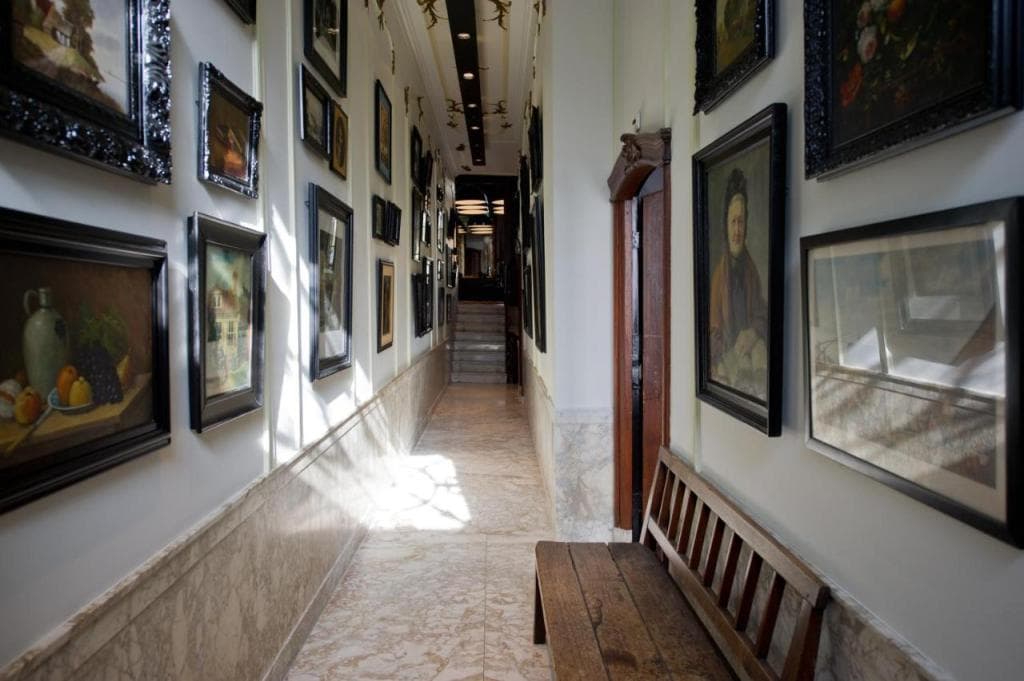
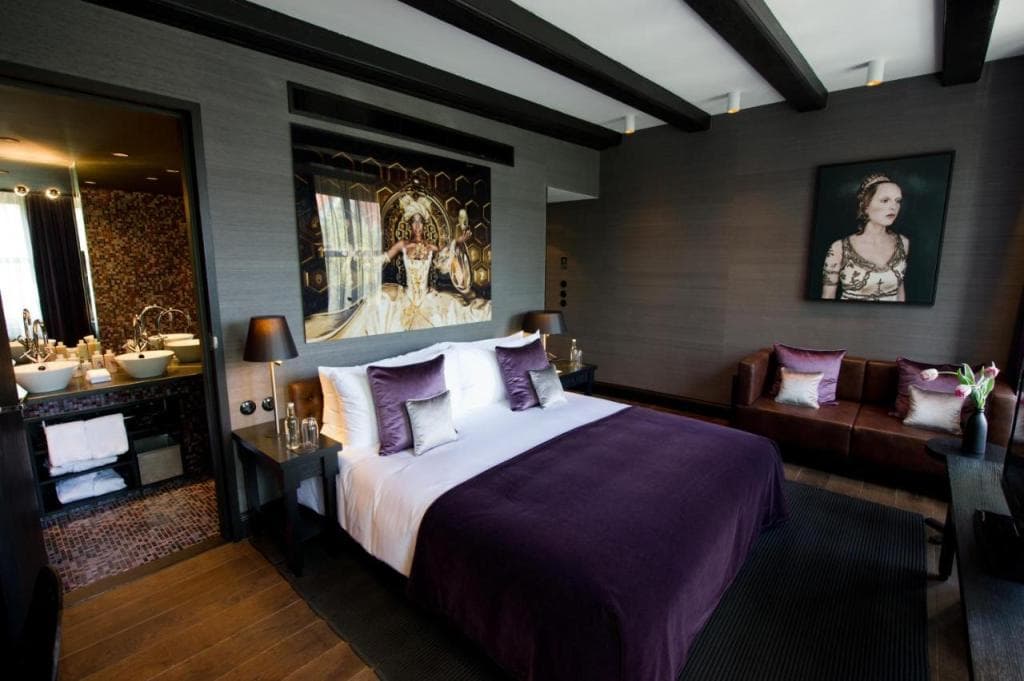
What distinguishes a genuinely high-quality luxury hotel suite in Le Jordaan is the integration of architectural heritage with considered interior design. Exposed beams, original brickwork, and period proportions are not obstacles here: they are the product. Guests should expect a more intimate scale than at a contemporary urban tower, and in return, a degree of spatial specificity that generic luxury cannot offer. Bathrooms in Amsterdam's best suites frequently incorporate freestanding tubs positioned to face the canal, a spatial decision that speaks directly to the primacy of the view.
How to choose the right suite in Le Jordaan
The first consideration is orientation. Canal-facing rooms at upper floors offer the most architecturally complete experience of the neighbourhood, but they come at a premium and are limited in number. A suite on a quieter cross-street will sacrifice the view in exchange for more silence and, often, more space.
The second consideration is access. Le Jordaan's streets are narrow and its bridges are frequent. Properties with direct canal access or those positioned near the Prinsengracht allow for the most organic experience of the neighbourhood on foot. For guests arriving with significant luggage, it is worth confirming the property's logistics in advance, as the compressed historic streetscape can make standard hotel arrivals operationally complicated.
Finally, consider the property's character relative to your travel purpose. Le Jordaan is not the right base for convention-adjacent travel or large-group logistics. It is, however, an exceptional base for cultural visits, design-focused itineraries, and any form of travel where the quality of the immediate environment matters as much as the room itself.
The value of a curated selection in Le Jordaan
Le Jordaan is a small neighbourhood with a limited number of properties that genuinely meet the standard a discerning traveler requires. The density of options across the wider Amsterdam market makes filtering difficult without specialist knowledge. La Suite's approach is to reduce that friction: to identify, assess, and present only the properties where the suite product, the architectural context, and the service standard combine into something worth the investment.
In a neighbourhood where the difference between an exceptional canal-house suite and a well-marketed disappointment can be a single floor or a single orientation, curation is not a convenience. It is the decision itself. Browse the curated selection by La Suite for luxury hotel suites in Amsterdam and find the right property for how you travel.