Where to stay in Bucharest for a luxury suite experience
Dorobanți and Floreasca, to the north, represent a quieter, more residential register of luxury. Tree-lined boulevards, private diplomatic residences, and a selective collection of boutique hotels define this zone. Travellers seeking space, calm, and proximity to the city's business district tend to gravitate toward this quarter. Suites in this area frequently occupy converted interwar villas or purpose-built contemporary structures set back from the main thoroughfares.
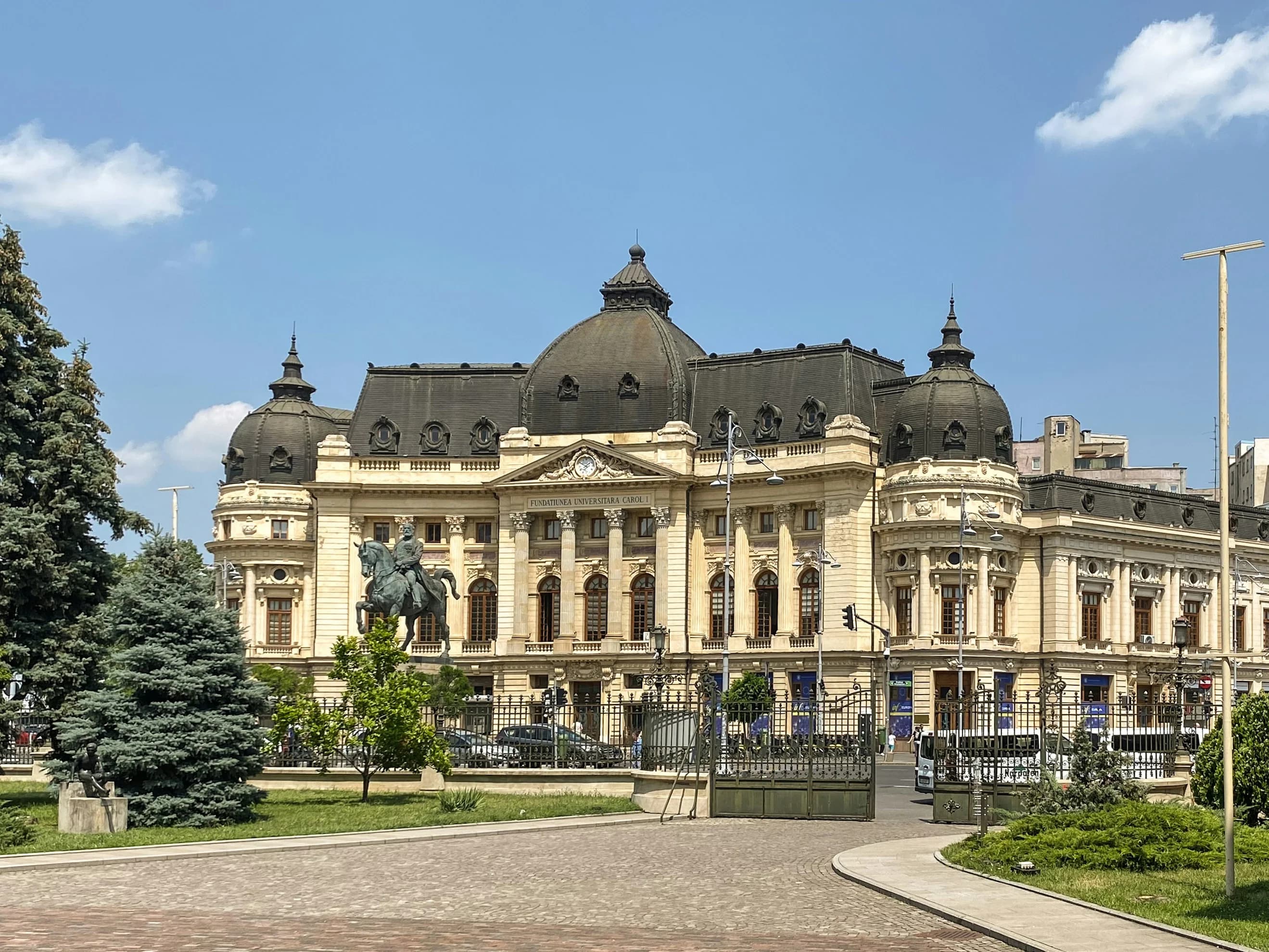
The area around Calea Victoriei, Bucharest's principal ceremonial avenue, functions as an architectural promenade. The Romanian Athenaeum, the CEC Palace, and a sequence of restored early 20th-century buildings establish a tone of considered civic grandeur. Staying within reach of this axis provides access to the city's primary cultural institutions and its most photographically coherent streetscapes.
When to visit Bucharest
Bucharest operates on a continental climate, with sharp seasonal contrasts that influence both the visitor experience and suite availability. Spring, from late March through May, is widely considered the most agreeable period. Temperatures are moderate, the city's parks, particularly Herăstrău (now officially Alexandru Ioan Cuza Park) and Cișmigiu Gardens, are at their most active, and hotel occupancy has not yet reached peak summer levels.
September and October constitute a secondary window of quality. The heat of summer has dissipated, cultural programming resumes after the August pause, and the city's restaurant scene returns to full capacity. The George Enescu International Festival, held in Bucharest every two years in September, is one of the most significant classical music events in Central and Eastern Europe, and it draws a sophisticated international audience that influences suite demand in its timing years.
Winter in Bucharest is cold and occasionally severe, but the city's interior culture, its galleries, concert halls, and private dining rooms, functions with full intensity. Travellers who prioritise cultural density over outdoor experience often find December and January surprisingly rewarding, with reduced rates and a more local atmosphere in the better hotels.
Understanding local luxury standards in Bucharest
Romania does not operate a formal palace hotel designation of the kind maintained by Atout France. The classification system follows the standard European star framework, with five-star properties forming the upper tier. Within this category, the quality range is broad, and the distinction between a genuinely exceptional suite and a merely adequate one is not always legible from the outside.
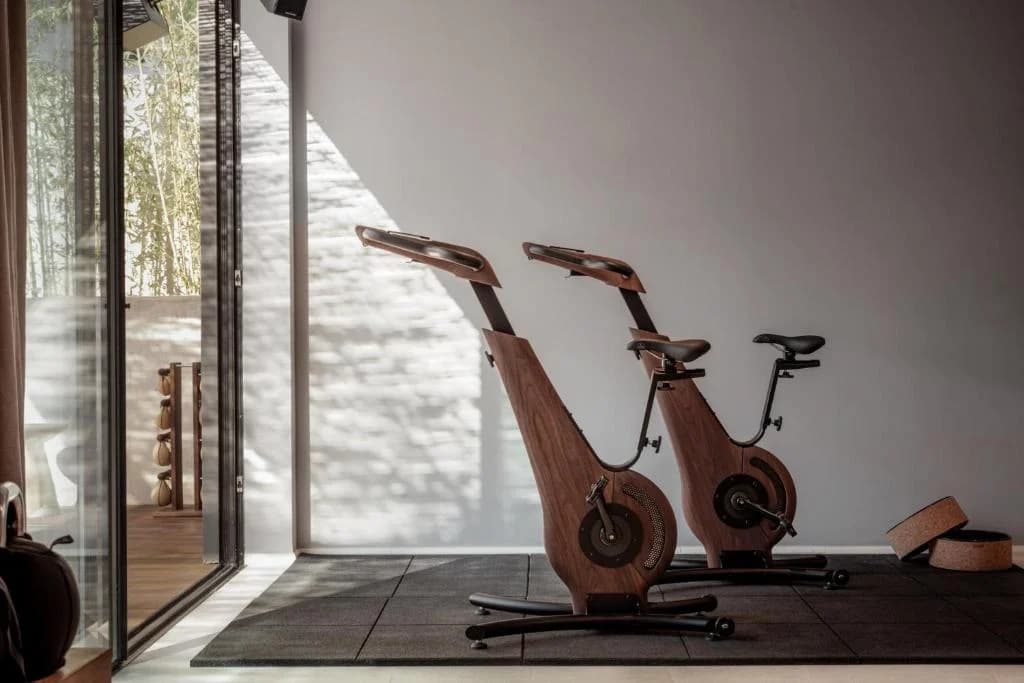
The most architecturally significant luxury properties in Bucharest tend to occupy one of two typologies. The first is the converted interwar mansion or early 20th-century commercial building, where high ceilings, original parquet, and preserved decorative detail create a spatial quality that new construction rarely replicates. The second is the contemporary international hotel, where technical precision, fitness infrastructure, and consistent service standards appeal to frequent business travellers.
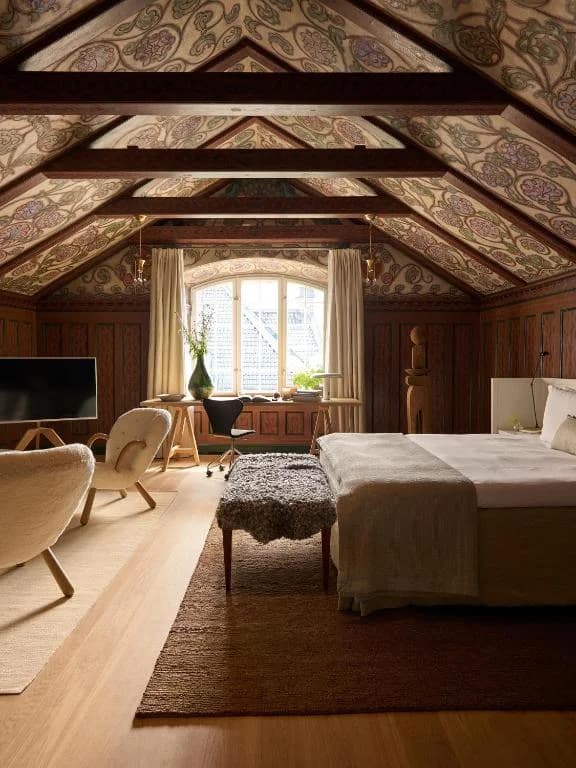
Suite configurations in Bucharest's better properties typically include a defined living area separate from the bedroom, city or garden views depending on orientation, and a bathroom specification that reflects the European luxury standard: soaking tubs, walk-in showers, and marble or stone finishes. Penthouse suites in the taller properties offer a perspective on the city that clarifies its unusual urban morphology, the way low-rise residential districts give way abruptly to communist-era tower blocks and then to contemporary glass structures.
How to choose the best luxury suite in Bucharest
Several practical considerations sharpen the selection process for Bucharest specifically. Architectural type is the first variable. A traveller drawn to the city's interwar character will find greater satisfaction in a property that has preserved or thoughtfully restored original fabric, even if the technical specification is slightly lower than a newer build. Conversely, a traveller whose priority is consistent service delivery and contemporary amenity may prefer a purpose-built international property.
Location relative to the city's primary axes matters more here than in cities with comprehensive metro networks. Bucharest's public transport is functional but not seamless for luxury travellers, and the traffic patterns in the centre can be unpredictable. A suite within a short walk of Calea Victoriei or in the Dorobanți district reduces dependency on transit and increases the quality of the street-level experience.
Noise is a relevant consideration in the historic centre, where the evening economy is concentrated and building insulation in older structures varies considerably. Suites on upper floors or those positioned away from primary pedestrian streets tend to offer a quieter environment. Any property worth serious consideration will make the acoustic specification of its upper-tier rooms available on request.
Service language is rarely an issue at five-star level in Bucharest. English is spoken fluently by staff in all major properties, and the city's hospitality workforce, shaped by a generation of international training, is generally attentive and well-calibrated to the expectations of European and American travellers.
Why a curated selection matters for Bucharest
Bucharest is not a city where the luxury hotel landscape is immediately legible to the outside traveller. The volume of options is not as large as Paris or London, but the range in quality within the nominal five-star category is significant. A property that presents well in photography may underdeliver in spatial quality, service consistency, or the more atmospheric dimensions of what a suite stay should provide.
La Suite applies a consistent editorial standard to every property it lists, prioritising suite-specific criteria: spatial generosity, architectural coherence, service individualisation, and the degree to which the property connects its guests to the specific character of the destination. For Bucharest, this means favouring properties that acknowledge the city's architectural history, that place their best rooms in conversation with the city's particular light and scale, and that operate at a level of attentiveness appropriate to the category.
The curated selection by La Suite removes the uncertainty from a market where independent research produces inconsistent results. For a first visit to Bucharest or a return trip with higher expectations, the platform provides a filtered starting point: properties that have been assessed against a shared standard and found to meet it.