Understanding Bratislava as a luxury destination
The city has undergone significant architectural investment since the early 2000s, with former palaces and aristocratic residences converted into boutique properties. At the same time, modern developments along the riverfront have introduced a different register of contemporary hospitality. Both traditions coexist, and the choice between them is largely one of personal architectural preference.
Best areas to stay in Bratislava
The Old Town and castle district
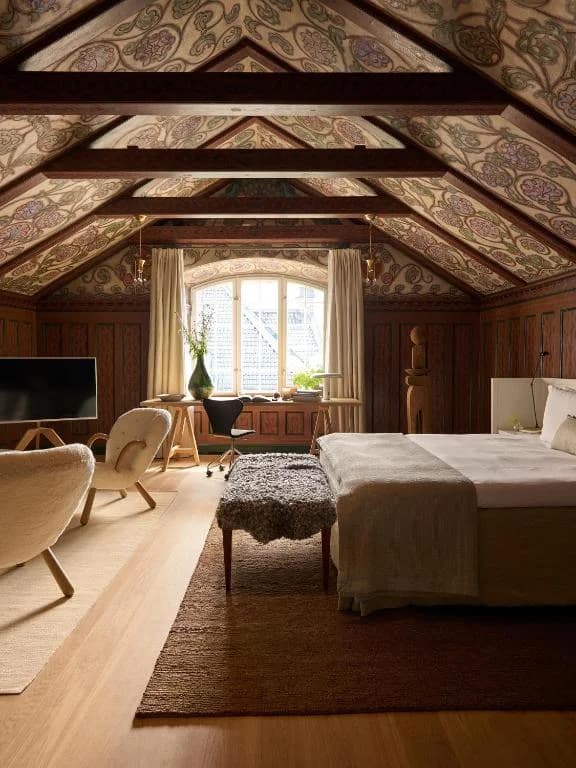
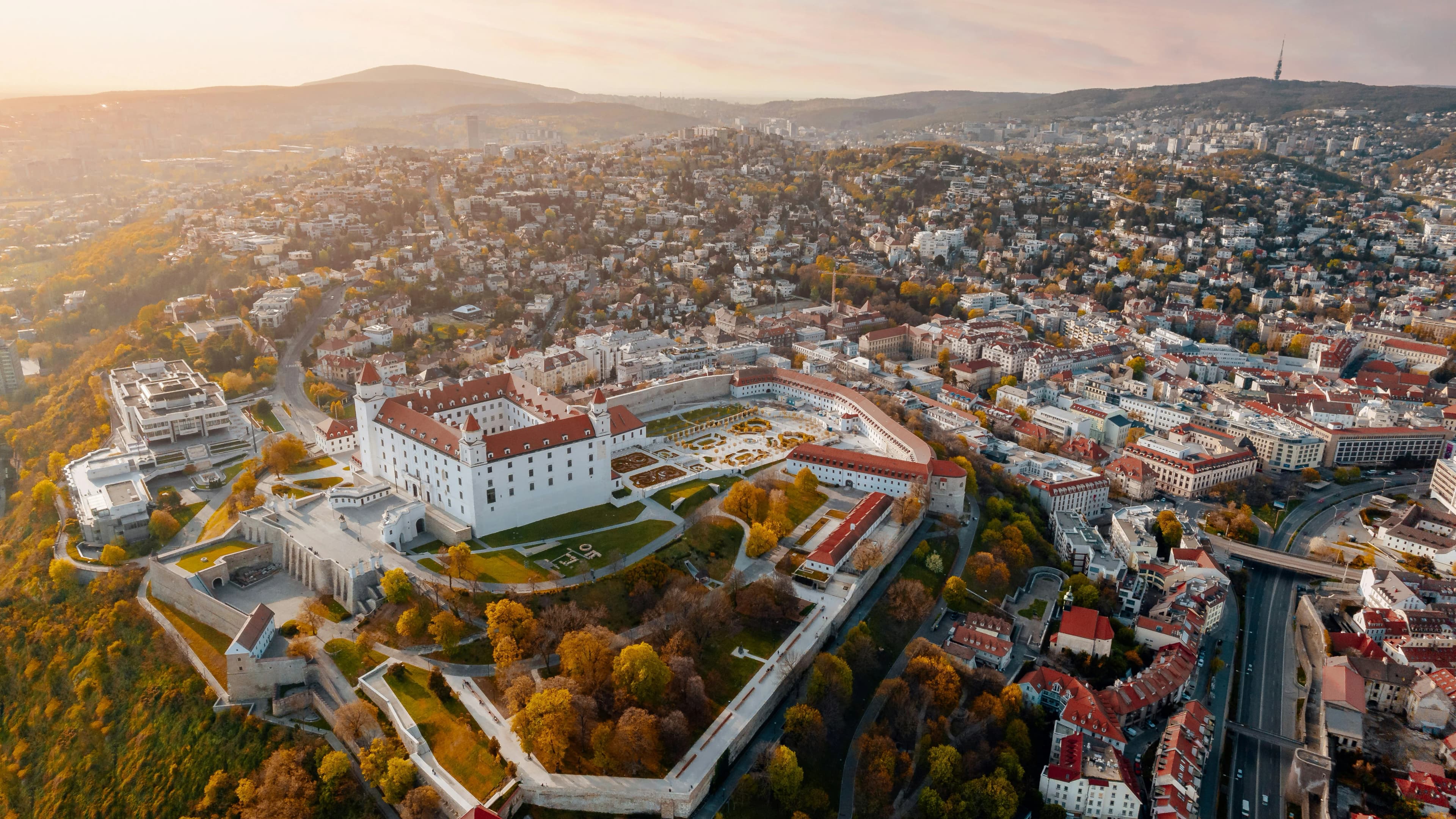
The historic core of Bratislava, known locally as Staré Mesto, remains the most culturally concentrated part of the city. Streets here are narrow and largely pedestrianized, with 18th-century facades, palace courtyards, and the Primatial Palace within easy reach. Luxury hotels in this area tend to occupy converted historic buildings, offering suites with high ceilings, period detailing, and occasional views toward the castle. This is the appropriate choice for travelers prioritizing architectural context and walkability.
The Danube riverfront
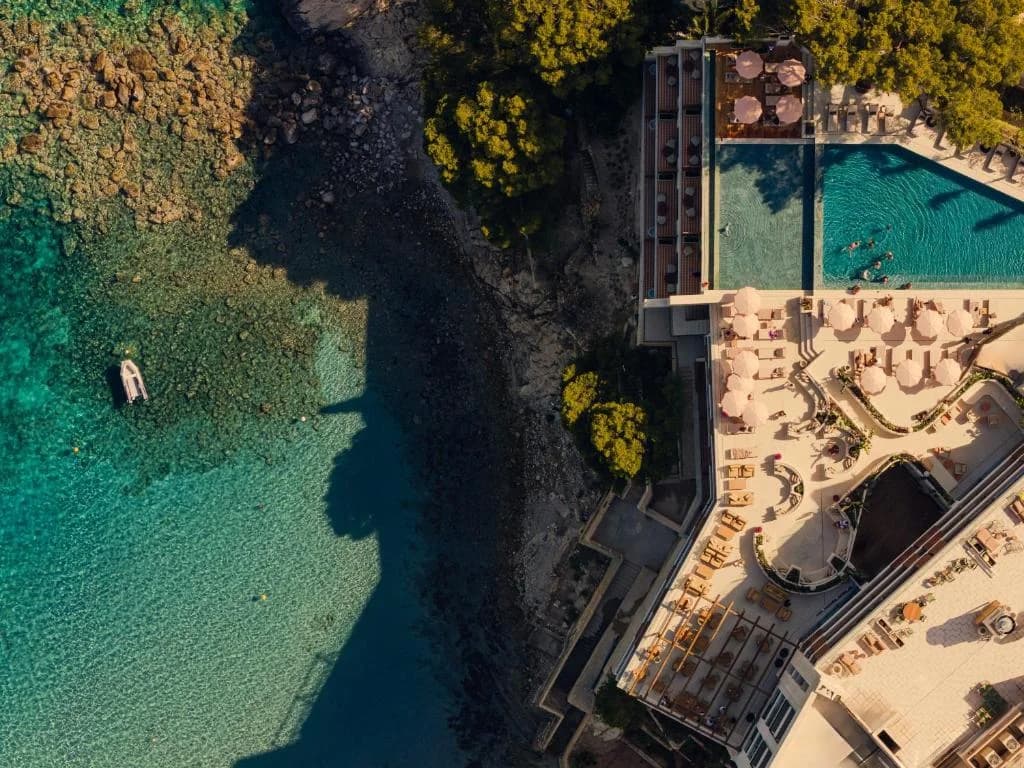
The southern edge of the city along the Danube has seen considerable development, including contemporary hotel properties with panoramic river views. Suites in this zone offer a different sensory register: broader sight lines, modern interiors, and a quieter setting than the Old Town. For travelers arriving by boat or preferring a more contemporary aesthetic, this area functions as a credible alternative.
The broader city periphery
Beyond the center, Bratislava extends into residential districts and, further out, forested hills that form part of the Little Carpathians. While luxury hotel supply here is limited, some properties in these areas offer a retreat-style experience with greater privacy and natural surroundings, suitable for travelers combining a city visit with time outside the urban core.
When to visit Bratislava
Bratislava has a continental climate, with warm summers, cold winters, and pronounced seasonal variation. The most comfortable periods for city exploration are late spring (April to June) and early autumn (September to October), when temperatures are moderate and the city's outdoor spaces, terraces, and markets are active without the peak-summer density of the broader Central European tourist circuit.
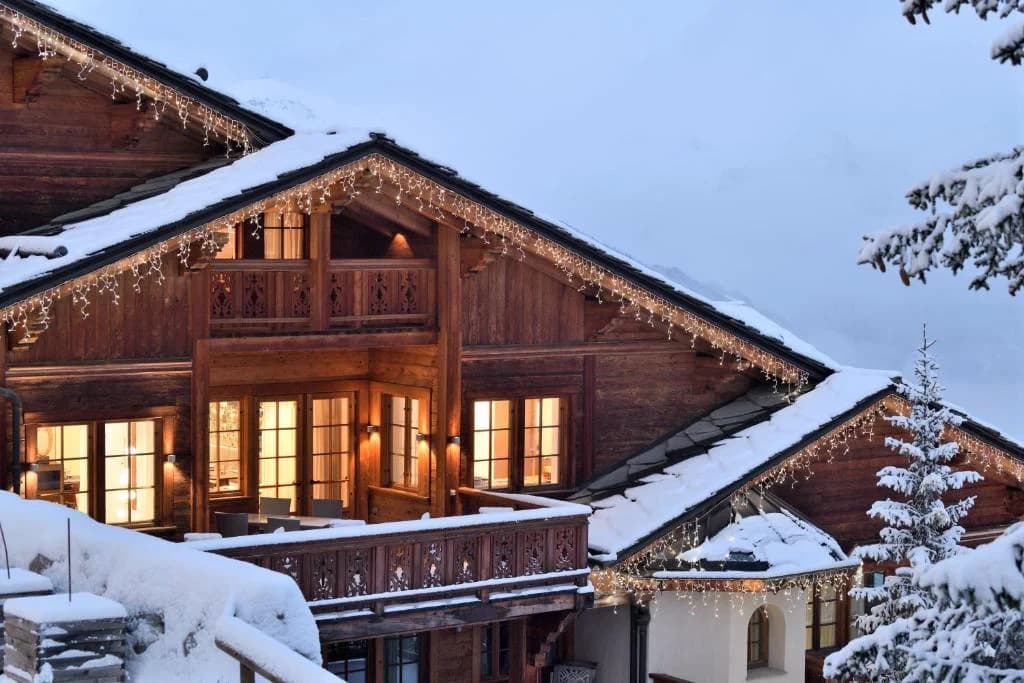
December brings a well-regarded Christmas market to the Old Town square, drawing significant visitor numbers. Suite availability during this period can be constrained, and advance planning is advisable. The summer months (July and August) are warm, occasionally humid, and correspond with the highest international visitor flow. For travelers seeking relative quiet and optimal suite choice, late September and October represent the most favorable combination of weather, availability, and cultural programming.
Bratislava also benefits from proximity to major events in Vienna, which is accessible by express train or riverboat in under an hour. Visitors attending the Vienna Philharmonic season or major events at the Wiener Konzerthaus sometimes base themselves in Bratislava as a deliberate counterpoint, using the Slovak capital as a quieter residential base.
Local luxury standards in Bratislava
Slovakia does not operate a formal national hotel classification equivalent to the French Palace designation, but the highest-tier properties in Bratislava are typically members of international groups or operate under boutique positioning with international service standards. The concept of the historic palace hotel, where a former aristocratic residence has been converted for contemporary hospitality use, is the dominant typology at the upper end of the Bratislava market.
Suite travelers should expect that the finest suites in Bratislava will offer generous square footage relative to the city's average, with architectural features retained from the original building where applicable. Service standards in leading properties have risen considerably over the past decade, with concierge teams now equipped to manage the kind of discretionary requests, including private cultural access, bespoke itinerary construction, and off-menu dining arrangements, that are standard in more established luxury capitals. The city's relative compactness makes this kind of personalized service logistically straightforward.
How to choose the best suite in Bratislava
Historic versus contemporary
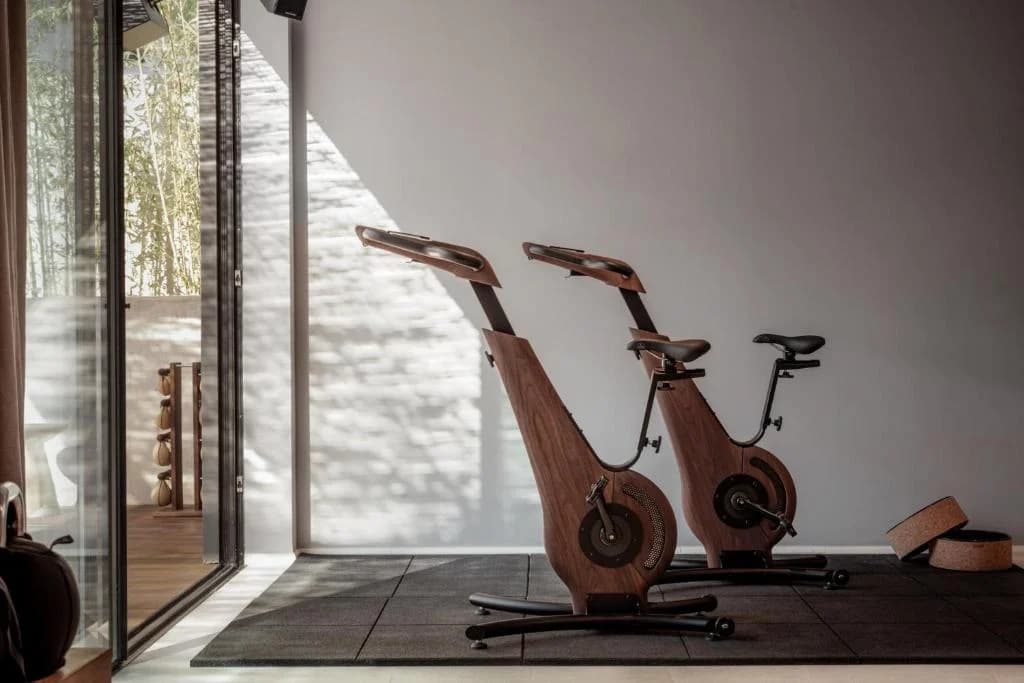
The core decision for suite selection in Bratislava is architectural register. Historic properties in the Old Town tend to offer suites with period character: coffered ceilings, original stonework, and rooms shaped by the logic of an earlier building typology. Contemporary properties, particularly those along the Danube or in newer developments, offer the opposite: clean geometry, floor-to-ceiling glazing, and a more minimalist interior language. Neither is objectively superior; the choice depends on whether the traveler is seeking immersion in the city's historical layering or a clean visual separation from it.
Views and orientation
In a city this compact, view considerations are specific. Castle-facing suites in the Old Town offer one of the city's most distinctive internal perspectives. River-facing suites on the Danube provide horizontal depth and light. Both are valid. Suites oriented toward internal courtyards offer quiet at the cost of outward prospect. For shorter stays, view orientation is worth specifying at the point of inquiry.
Space and functionality
Bratislava's luxury hotel market is smaller than that of Prague or Vienna, which means suite inventory is limited. Travelers with specific spatial requirements, including separate living and sleeping areas, in-suite dining capacity, or private terrace access, should verify these details before confirming. The curated selection by La Suite includes verified suite specifications, reducing the friction of direct inquiry.
Why a curated selection by La Suite matters in Bratislava
Bratislava's luxury hotel landscape is less immediately legible than that of more internationally profiled cities. The volume of properties is smaller, the distinctions between categories less obvious to the outside traveler, and the gap between marketed claims and actual suite quality more variable. This is precisely where curation adds measurable value.
La Suite applies consistent editorial and experiential criteria across all listed properties, ensuring that what appears in the selection has been assessed against the standards that matter to the traveler for whom space, design, and service quality are non-negotiable. In a city where the right suite is genuinely transformative and the wrong one merely adequate, that distinction is worth making clearly.