Where to stay in Ljubljana for a luxury suite experience
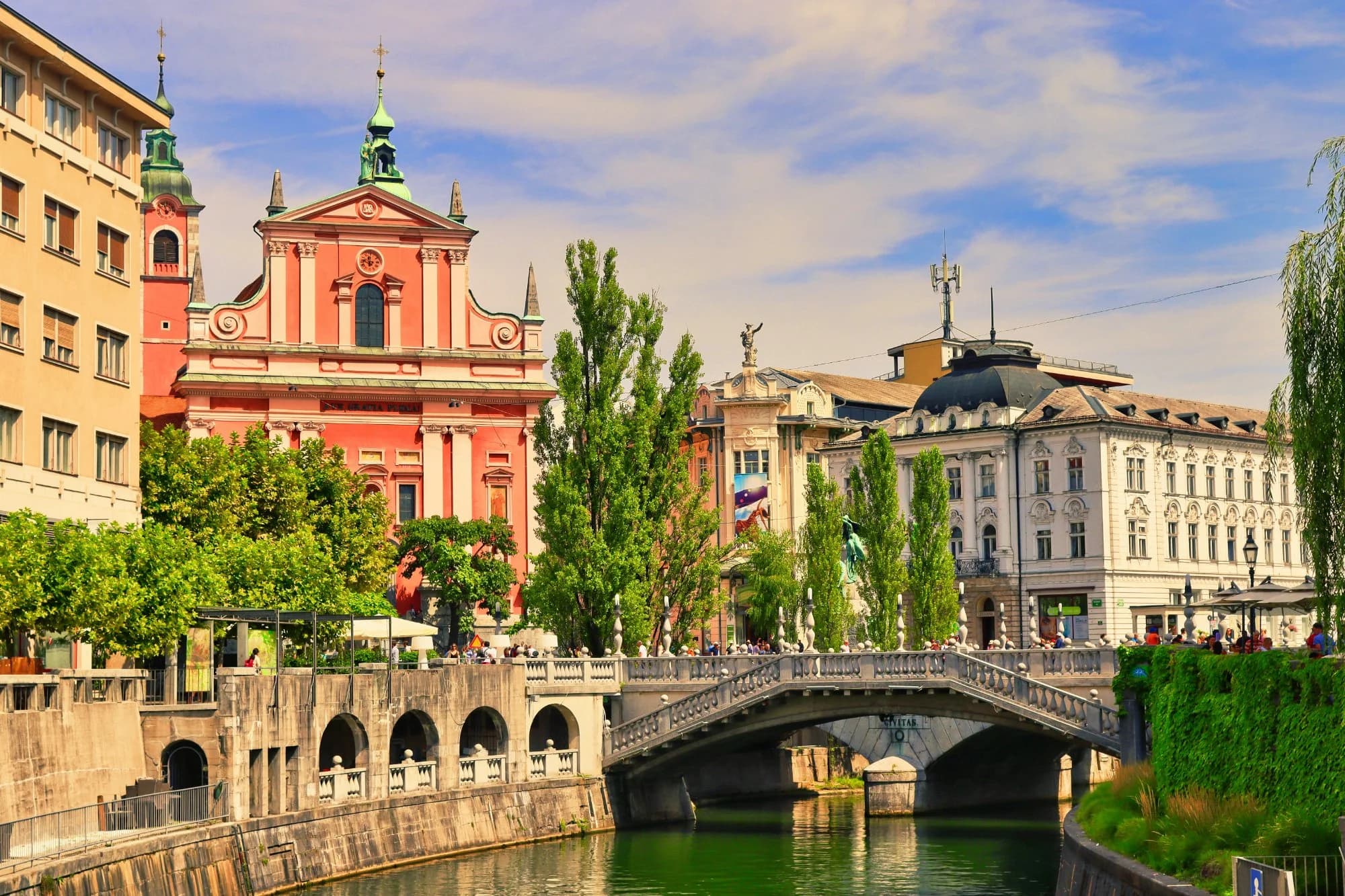
The area around Congress Square and Prešeren Square functions as the formal heart of the city and is where the most established hotel addresses tend to sit. Properties on or adjacent to these squares benefit from central positioning without the noise levels typical of larger European capitals. For travelers seeking a slightly quieter residential character, the Krakovo and Trnovo districts, both within walking distance of the center, offer a more measured atmosphere.
When to visit Ljubljana for a high-end stay
Ljubljana's climate follows a continental pattern with warm, dry summers and cold winters. The period between May and September represents peak season, with the highest suite rates and the greatest activity along the riverfront terraces and open-air venues. June and July are particularly active, with the Ljubljana Festival bringing classical music, opera, and theater to outdoor stages across the city.
April and October offer a more selective experience: shoulder-season pricing, fewer visitors, and a city that operates at its own pace rather than for tourist consumption. Winter, from December through February, brings a particular quality of light and quiet that suits the city's architectural character. Christmas markets around Congress Square and along the river add a specific cultural texture without the scale of those in Vienna or Prague.
For travelers prioritizing suite availability and considered service, the shoulder seasons consistently offer the most favorable conditions.
Understanding luxury hotel standards in Ljubljana
Slovenia does not operate a formal designation equivalent to France's Palace classification or Italy's Leading Hotels distinction. The country uses a standard European star-rating system, and properties at the five-star level represent the ceiling of available quality. Within that category, the gap between a standard room and a suite is particularly significant in Ljubljana, where room sizes in historic buildings can be constrained by the original architecture.
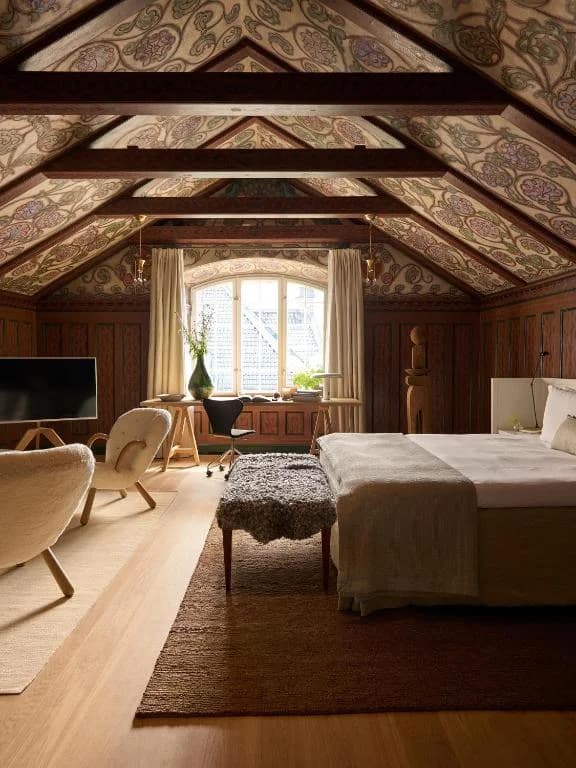
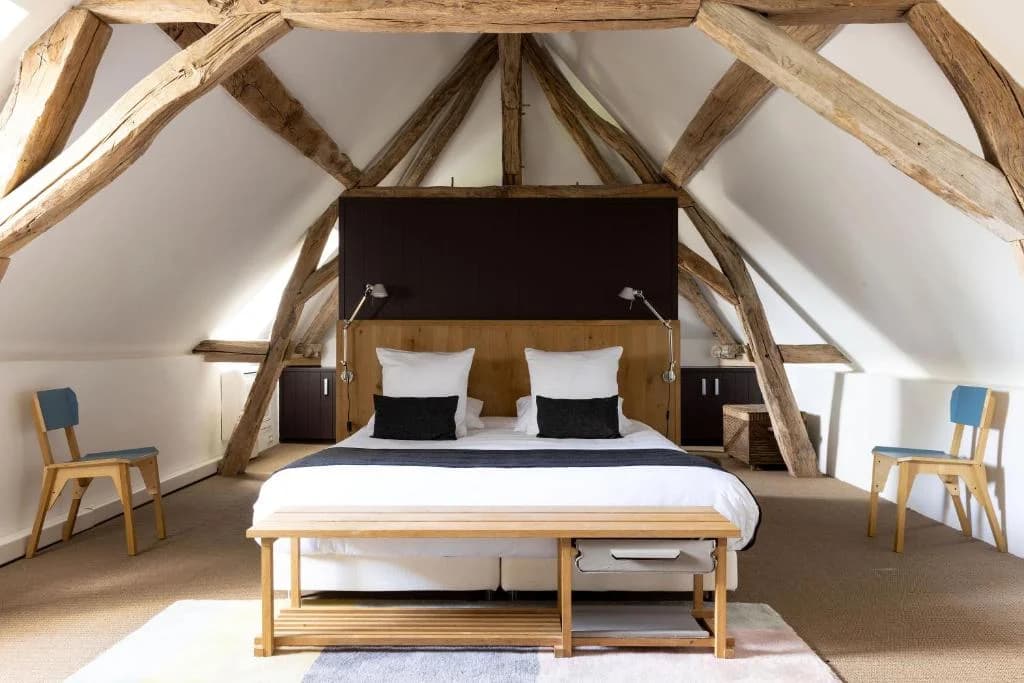
Top-tier suites in Ljubljana tend to emphasize craftsmanship and local material: Slovenian stone, oak joinery, and textiles referencing the country's weaving traditions appear across the better properties. Bathrooms in leading suites are typically finished to a standard comparable with equivalent addresses in Vienna or Budapest, with particular attention paid to thermal culture, which is deeply embedded in Slovenian daily life.
Service ratios at Ljubljana's best properties are high relative to room count, a function of the city's smaller hospitality market. This translates to attentive, personalized attention that larger urban hotels in Western Europe rarely replicate at the same price point.
How to choose the right suite in Ljubljana
The primary distinction to consider is architectural context. Ljubljana's luxury properties divide broadly into two categories: historic buildings adapted for contemporary hospitality, and purpose-built modern hotels. The former typically offer higher ceilings, more irregular floor plans, and a specific sense of place. The latter offer technical consistency, larger bathrooms, and more predictable layouts.
River-facing suites, where available, provide a specific visual reference: the Ljubljanica at night, lit by the city's characteristic warm-toned lighting, is one of the more composed urban views in Central Europe. Castle-facing rooms offer a different orientation, toward the medieval fortification on the hill above the old town.
Travelers arriving by private transfer or with significant luggage should confirm vehicular access in advance. The pedestrianized historic core, while navigable, requires coordination for luggage delivery at some addresses. For those combining Ljubljana with a broader itinerary through Slovenia, including the Julian Alps or the Karst region, a centrally located suite functions as a practical anchor point as well as an aesthetic one.
It is also worth assessing what the suite includes in terms of private dining capacity. Ljubljana's restaurant culture is strong, with multiple Michelin-recognized addresses operating within the city. However, for guests who prefer in-suite dining or private breakfast arrangements, confirming these logistics directly with the property before arrival avoids ambiguity.
Why La Suite's curation matters for Ljubljana
Ljubljana is not a city where volume of choice creates a selection problem. The city's luxury hotel market is intentionally small, and the number of suites meeting a genuine editorial standard is limited. This is precisely the context in which curation adds the most value.
La Suite's approach to Ljubljana is not to list every five-star property but to identify the specific suite categories within the best properties that align with the platform's standards: spatial quality, design coherence, service reliability, and a sense of place that makes the suite itself a reason to stay. For a city of Ljubljana's scale and character, this editorial precision is more useful than a broad directory.
Travelers planning a stay in Ljubljana as part of a wider Central European itinerary will find La Suite's curated selection a reliable reference point, one that saves the research time required to distinguish between properties that present well photographically and those that perform well in practice.