Understanding Barri Gòtic as a luxury base in Barcelona
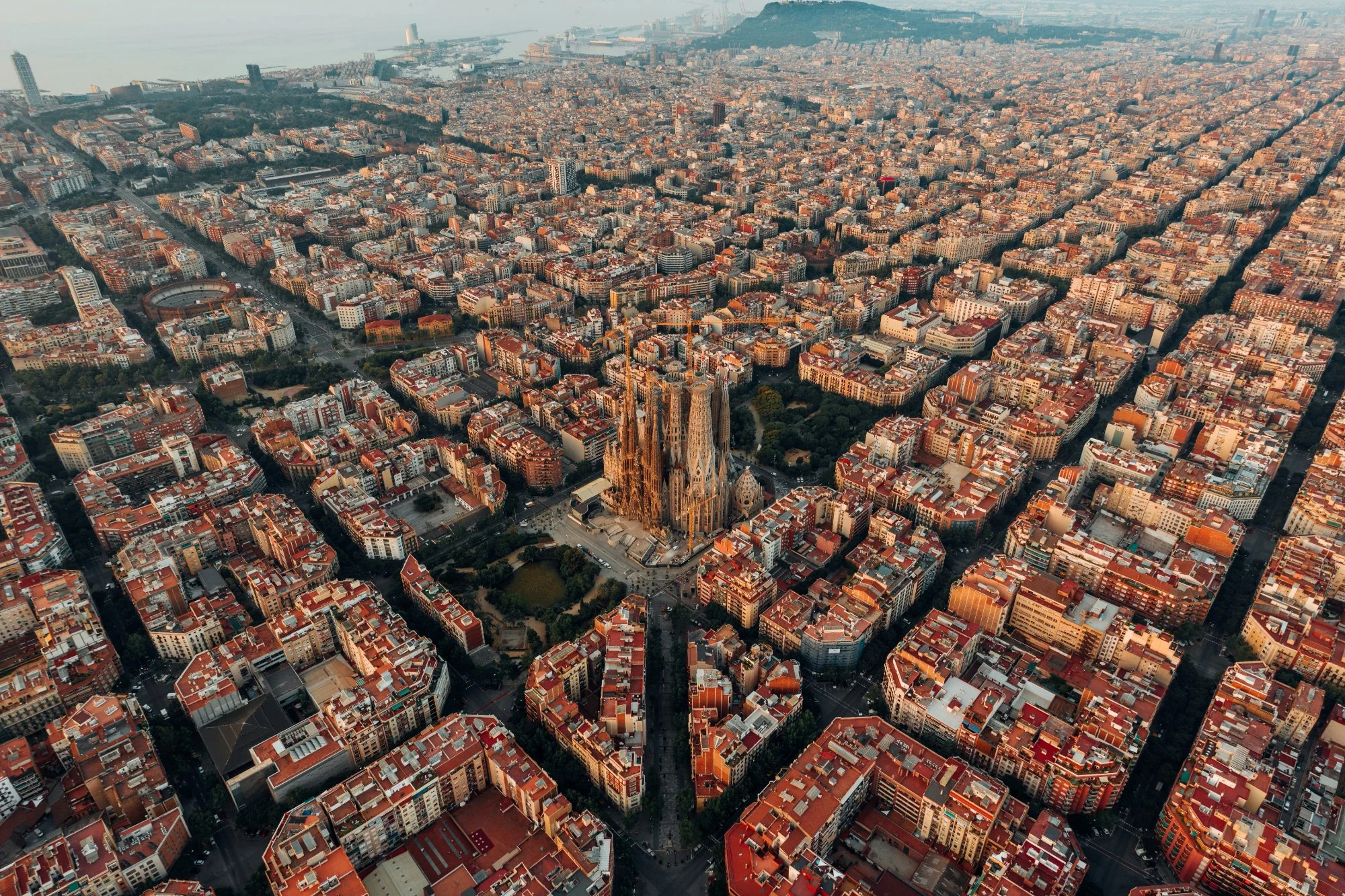
The scale of the neighbourhood is deliberately human. Most streets are too narrow for significant vehicular traffic, which creates an unusual urban quietness for a city centre location. This is a meaningful consideration when choosing a suite: proximity to the Gothic Cathedral or the Plaça Reial does not translate into noise in the way that proximity to a main boulevard would in other European capitals. The sensory register here is specific to stone, footsteps, and the occasional bell.
Distinct areas within Barri Gòtic
The cathedral quarter
The area immediately surrounding the Catedral de Barcelona and the Plaça de la Seu represents the historic and symbolic core of the neighbourhood. Properties here position guests within direct walking distance of the cathedral's Gothic cloister, the Roman temple of Augustus, and the Museu d'Història de Barcelona. The density of cultural infrastructure is exceptional. Suites in this sub-area tend to occupy buildings with significant historical pedigree, and the architectural character of the accommodation often reflects the neighbourhood's medieval inheritance directly.
Plaça Reial and the southern quarter
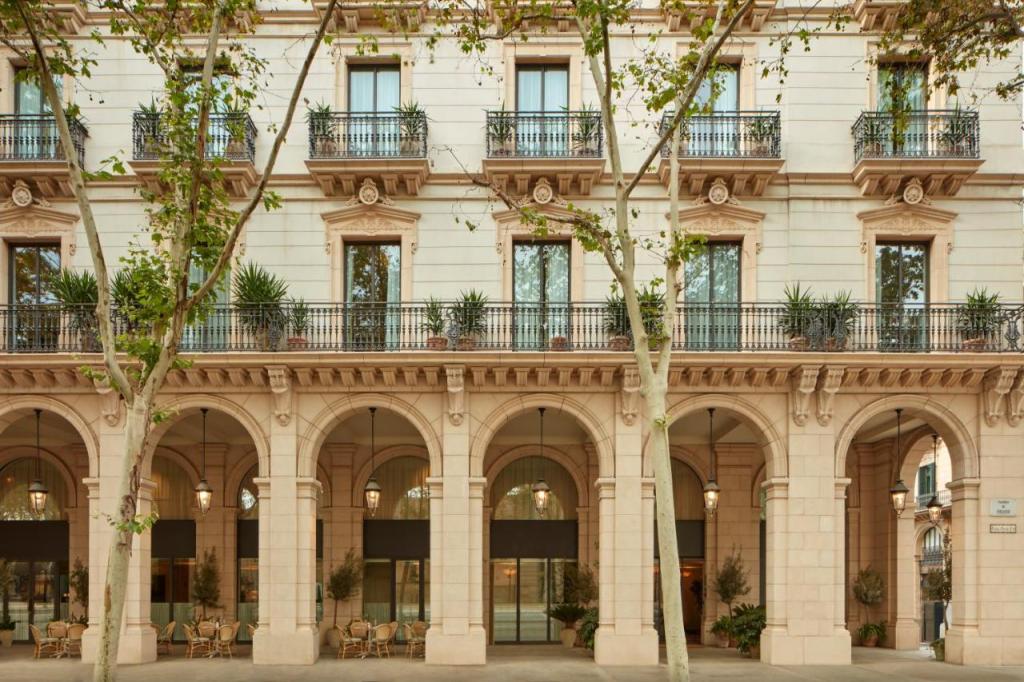
The southern section of Barri Gòtic opens onto Plaça Reial, a nineteenth-century neoclassical square with arcaded facades and a notably different spatial logic from the rest of the neighbourhood. This area connects directly to La Rambla and carries a more animated evening character. Hotels positioned near this square offer a balance between historical context and proximity to Barcelona's broader cultural and gastronomic activity. For travellers who want the architectural depth of the Gothic quarter alongside ease of access to the wider city, this sub-area is a considered choice.
The Jewish quarter (El Call)
El Call, the medieval Jewish quarter embedded within Barri Gòtic, is one of the best-preserved of its kind in Spain. Its streets are among the narrowest in the neighbourhood, and the spatial experience is correspondingly intimate. Properties in or adjacent to El Call offer a level of urban seclusion that is rare in a city centre context. The area is primarily residential in character, which contributes to its quietness and its sense of remove from the tourist infrastructure of the broader neighbourhood.
When to visit Barri Gòtic
Barcelona's climate means that Barri Gòtic is a viable destination across most of the year. The months of April, May, September, and October combine moderate temperatures with reduced visitor density relative to peak summer, and they represent the most considered window for a suite stay in the neighbourhood. The stone streets and enclosed courtyards of the Gothic quarter retain heat in July and August, which can make the spatial experience less comfortable during the hottest hours of the day.
The festival of La Mercè, held each September, is Barcelona's principal civic celebration and has a particular presence in the old city. Castellers, giants, and open cultural programming take place in the squares and streets of Barri Gòtic itself, making this a period of direct neighbourhood engagement rather than simply a city-wide event. Semana Santa in spring also carries a specific weight in the historic centre, with processions that pass through the quarter's medieval streets.
Suite availability in the neighbourhood's most sought-after properties tightens considerably from June through August and during major trade and cultural events at the broader Barcelona level, including Mobile World Congress in late February and Sónar in June. Booking lead times of two to four months are appropriate for these periods.
Local luxury standards: what to expect from top-tier suites in Barri Gòtic
Spain's hotel classification system uses the standard European star rating, but within the luxury segment, the distinctions that matter most are those of spatial quality, architectural integration, and service culture rather than official category alone. In Barri Gòtic specifically, the most considered properties are those that have engaged seriously with the historical fabric of their buildings rather than imposing a generic luxury hotel language over it. Exposed stone, original vaulted ceilings, and internal courtyards are architectural features that distinguish a suite in this neighbourhood from one in a modern tower elsewhere in the city.
Service expectations at the top end align with European five-star standards: attentive without being intrusive, multilingual, and oriented toward the specific needs of a guest who has chosen this location for reasons beyond convenience. Concierge capability in the Gothic quarter is particularly relevant, given the neighbourhood's complexity and the density of cultural resources that benefit from informed navigation.
How to choose the best suite in Barri Gòtic
Historical architecture versus contemporary interior design
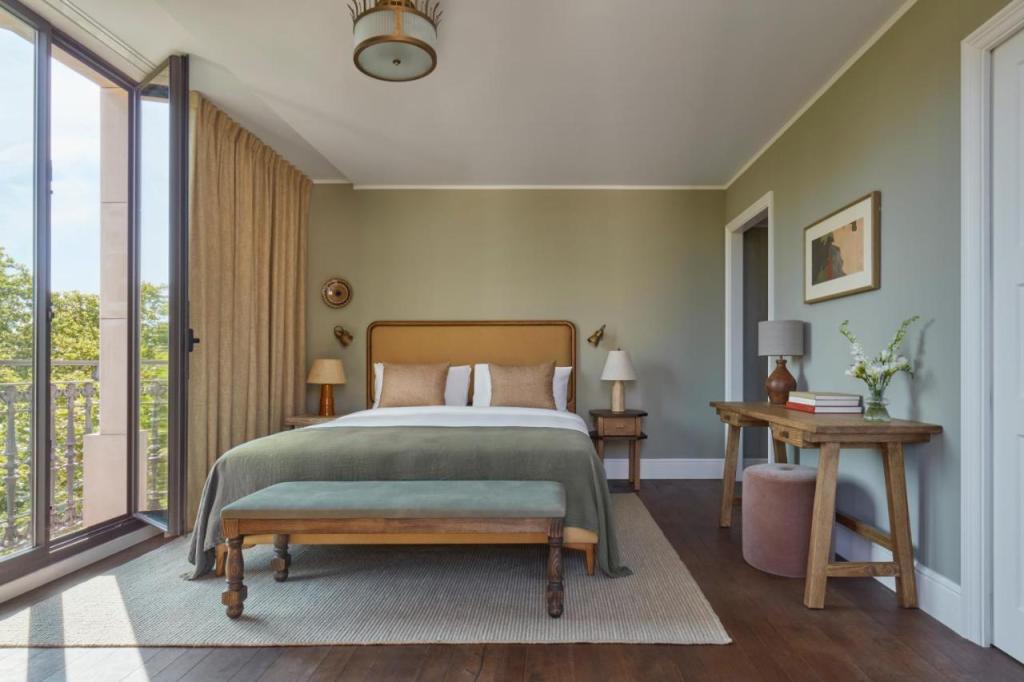
The central question for a suite selection in Barri Gòtic is how the property relates to its building's historical character. Some hotels in the neighbourhood use original architectural elements as the primary design language of their suites, with contemporary interventions limited to service infrastructure and technical specification. Others impose a more contemporary interior design approach onto historical shells. Neither is categorically superior, but the distinction matters for a guest whose choice of Barri Gòtic is itself an architectural and cultural decision.
Courtyard and terrace access
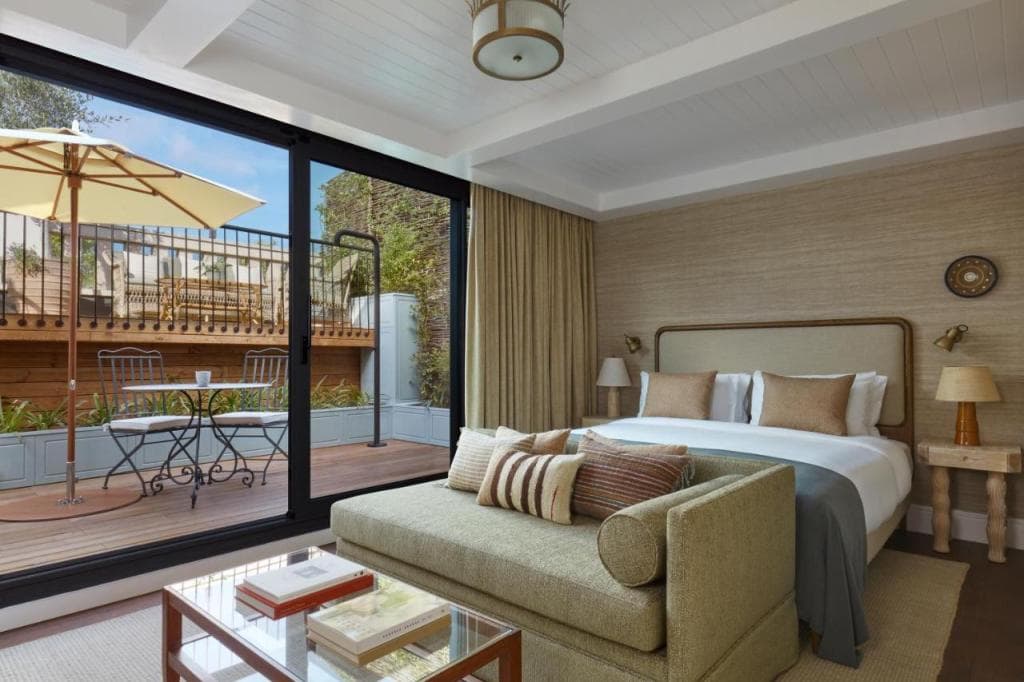
In a neighbourhood where street-level space is constrained, suite access to a private terrace, internal courtyard, or elevated view carries significant weight. The rooftop terraces of properties in Barri Gòtic offer views of the Gothic cathedral's pinnacles, the Roman tower remnants, and the compressed medieval roofscape. These are spatial experiences specific to this neighbourhood and worth prioritising in the selection process.
Noise and orientation
Despite the neighbourhood's general quietness relative to Barcelona's main arteries, the streets immediately adjacent to La Rambla and the tourist-facing sections of the quarter carry more pedestrian noise, particularly in the evening. Suites oriented toward internal courtyards or positioned on upper floors of streets deeper within the neighbourhood will offer a materially different acoustic environment.
The value of curation in Barri Gòtic
Barri Gòtic is a neighbourhood where the gap between a considered hotel choice and an unconsidered one is larger than in many destinations. The density of accommodation options in the area, combined with the neighbourhood's iconic status, means that many properties trade on location alone without delivering the spatial and service quality that a luxury suite stay requires. La Suite's curated selection for Barcelona's Gothic quarter applies a consistent editorial framework: architectural integrity, suite quality, service specification, and the specific qualities that make a property genuinely suited to a guest who has chosen this neighbourhood deliberately. The result is a shortlist that removes the noise from a complex and frequently opaque market.