La Barceloneta: understanding the neighborhood before choosing a suite
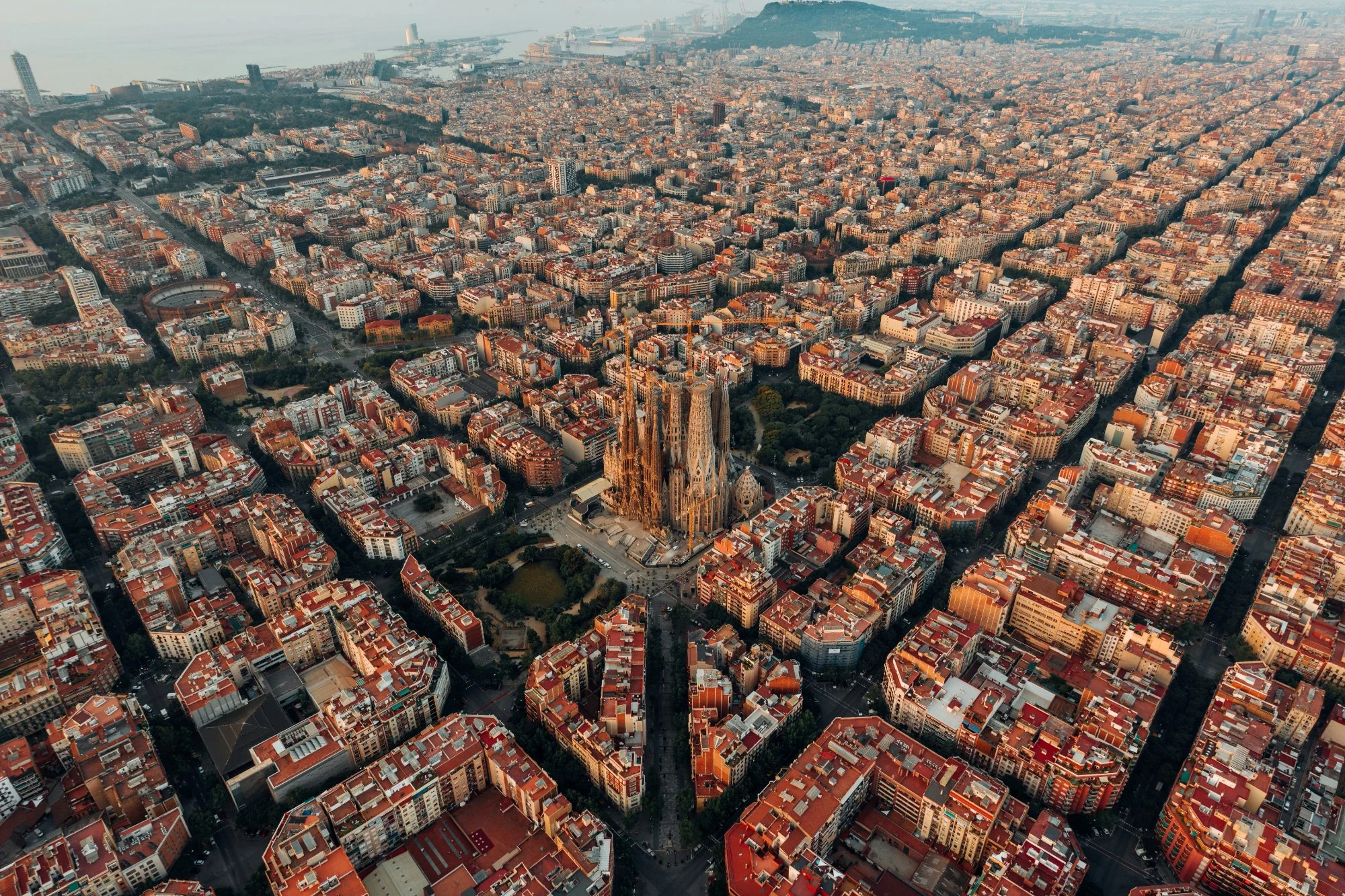
For the luxury traveler, this matters. The built environment of La Barceloneta is not a backdrop. It is part of the sensory experience. Sun angles shift dramatically through the day, and the sound of the sea is a constant presence in the upper floors of seafront properties. Choosing a luxury hotel suite here is as much an architectural decision as a hospitality one.
The distinct character of La Barceloneta compared to other Barcelona districts
Within the broader context of Barcelona's luxury hotel landscape, La Barceloneta holds a specific position. The Eixample and Passeig de Gràcia concentrate the city's historic grand hotels and the majority of its five-star inventory. La Barceloneta offers something structurally different: direct Mediterranean frontage, lower building density, and a neighborhood rhythm governed by the sea rather than commerce.
The tradeoff is one of access versus atmosphere. Guests staying in a luxury suite in La Barceloneta are slightly further from the Gòtic quarter and the major Modernista landmarks, but they gain immediate access to the Passeig Marítim, the beaches, and the Port Olímpic marina. For travelers whose priority is coastal proximity and spatial calm over urban centrality, this is a deliberate and well-reasoned choice.
Spain more broadly offers a wide register of luxury suite experiences, from Andalusian cortijos to Basque country palaces, but the Mediterranean coastal suite in Barcelona represents a particularly refined intersection of urban culture and seaside living.
When to stay in La Barceloneta
The neighborhood operates on a clear seasonal logic. July and August bring maximum heat, maximum crowds, and maximum pricing. The beaches are at their most active, the terraces are full, and the Passeig Marítim becomes a social axis of considerable intensity. For guests seeking privacy and space, peak summer is the least optimal window, even in the finest luxury hotel suites.
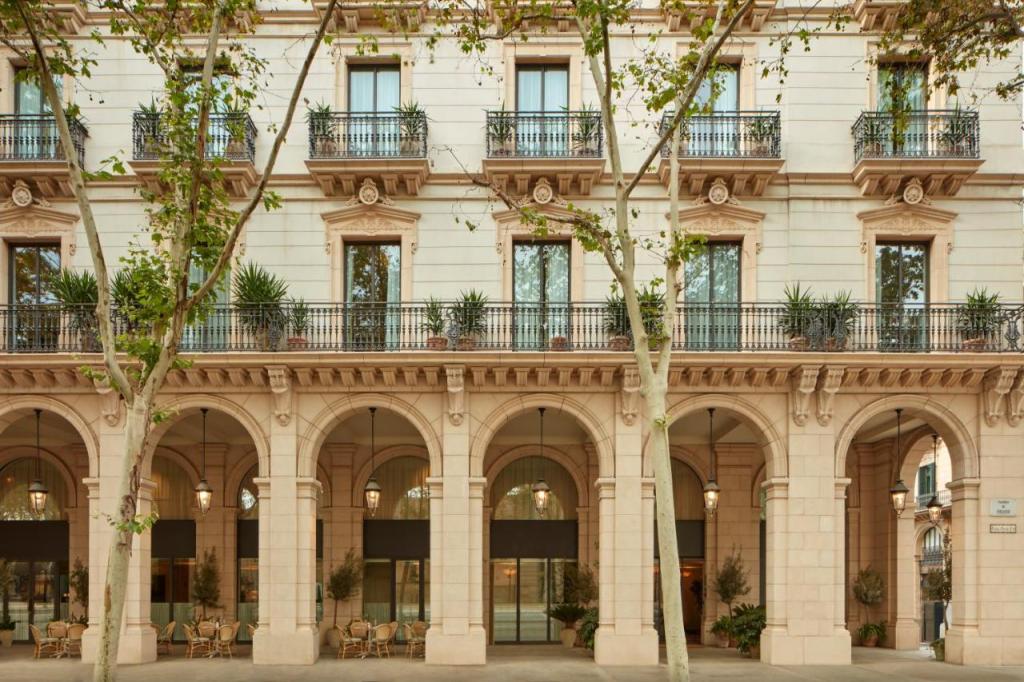
The shoulder seasons, specifically late April through June and September through October, offer the most balanced conditions. Temperatures remain warm enough for coastal living, the crowds are manageable, and hotel suite availability is broader. The light in September is particularly notable: lower, amber, and architecturally flattering to the 18th-century facades.
Winter in La Barceloneta is mild by northern European standards, with average January temperatures around 10 to 12 degrees Celsius. The neighborhood empties significantly, and the seafront takes on a contemplative quality. For travelers who prefer solitude and off-season pricing, a luxury suite in La Barceloneta during winter months offers an entirely different register of experience.
Local luxury standards: what to expect from top-tier suites in this district
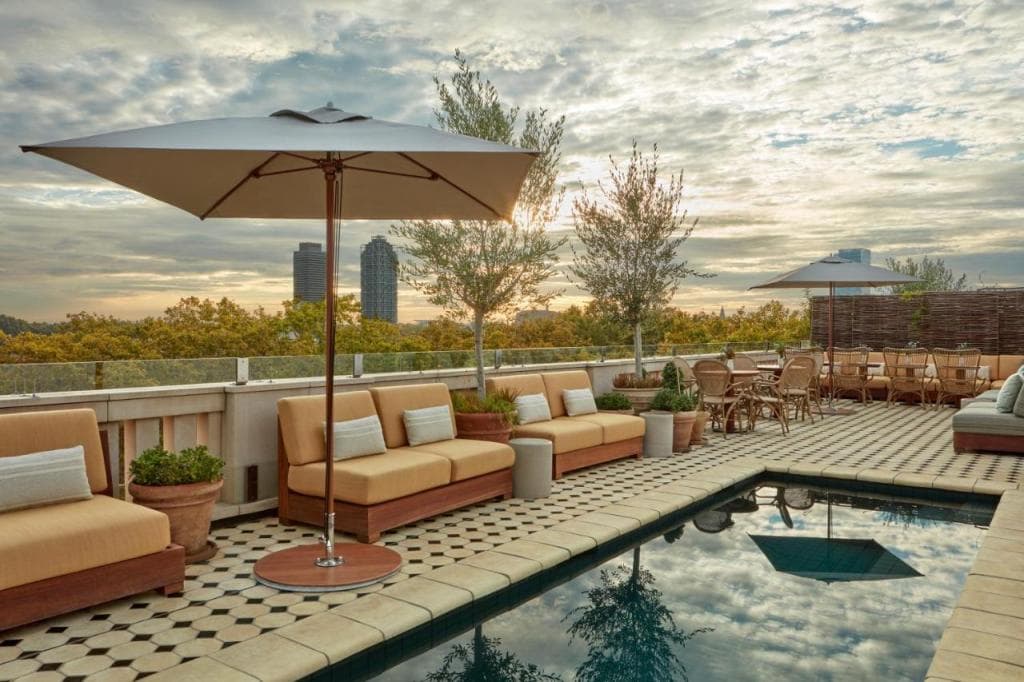
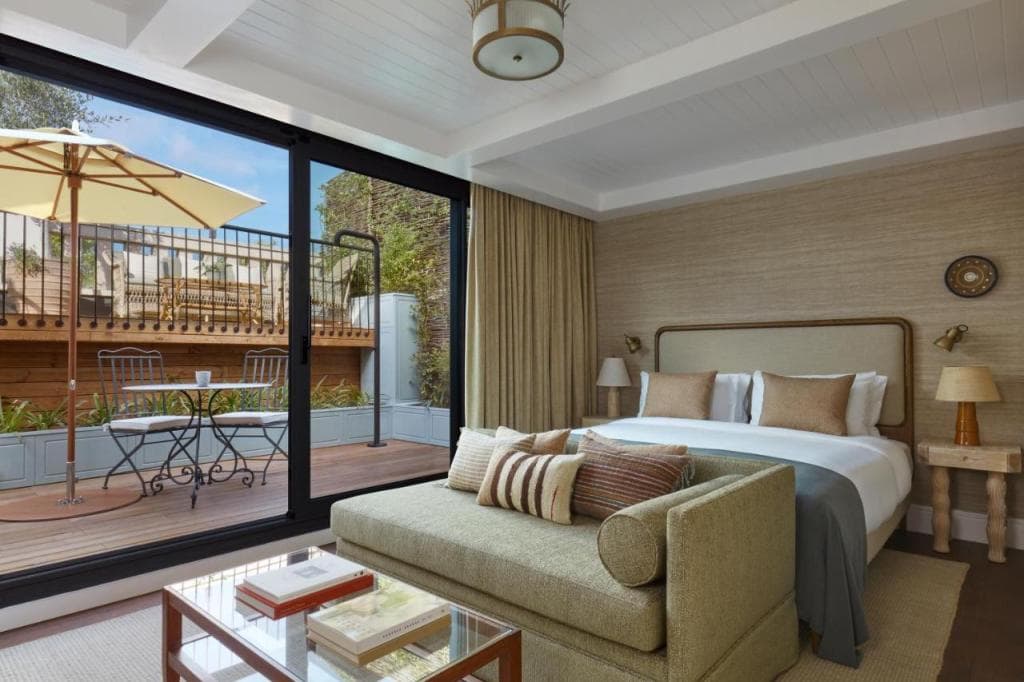
The Spanish hotel classification system awards five stars on the basis of facilities and service metrics. Within that framework, a subset of properties in Spain and specifically in Barcelona pursue a standard that goes beyond the statutory checklist. In La Barceloneta, the most considered luxury hotel suites typically share a set of defining characteristics: generous square footage relative to the building type, terraces or balconies with direct sea orientation, and interior design that engages with the neighborhood's maritime and rationalist heritage rather than ignoring it.
Service in the best properties here tends toward the discreet and anticipatory rather than the ceremonial. Barcelona's hospitality culture is Mediterranean in its directness: efficient, personable, and attentive without being formal in the northern European sense. A well-chosen luxury suite in this district will reflect that temperament in its guest experience, combining spatial quality with a service approach that feels calibrated to the city's character.
Across Europe, coastal neighborhoods integrated into major cities are rare. La Barceloneta's combination of urban infrastructure and seafront access places it in a category alongside only a handful of comparably positioned districts on the continent.
How to choose the right suite in La Barceloneta
Orientation is the first variable. In a neighborhood defined by its relationship to the sea, the distinction between a suite facing the Mediterranean and one facing an interior street is significant. Morning light, ambient sound, and the visual connection to the water all depend on this single decision. Guests should prioritize sea-facing accommodations and verify terrace dimensions before committing.
Floor level matters in a district where buildings are uniformly low. Higher floors in La Barceloneta's context means the third or fourth storey, but the difference in sea view and wind exposure between these levels is perceptible. Properties closer to the Barceloneta beach itself offer the most direct waterfront experience, while those toward the Port Olímpic end of the Passeig Marítim tend to be quieter and slightly more removed from peak summer activity.
Consider also the suite's relationship to the street. La Barceloneta's streets are narrow and their acoustic character changes significantly between day and evening. Ground-level and first-floor suites in the interior of the grid may experience more ambient noise than upper-floor seafront rooms. A curated approach to the selection process, informed by on-the-ground knowledge of these variables, is essential.
Why a curated selection by La Suite matters in this context
La Barceloneta is a geographically small neighborhood with a concentrated hotel offer. The difference between a well-chosen luxury suite and a poorly positioned one is measurable in immediate quality of experience. Generic booking platforms apply no editorial filter to these distinctions. La Suite's curation process is built around exactly this kind of granular, architecturally and experientially informed judgment.
For the traveler approaching La Barceloneta as a considered destination rather than a default beach option, the curated selection by La Suite offers a reliable framework. Each property in the selection has been assessed against criteria that go beyond star rating: spatial quality, sea orientation, design coherence, and service standard. The result is a shortlist that reflects the neighborhood's specific potential at the highest level of the hospitality register.