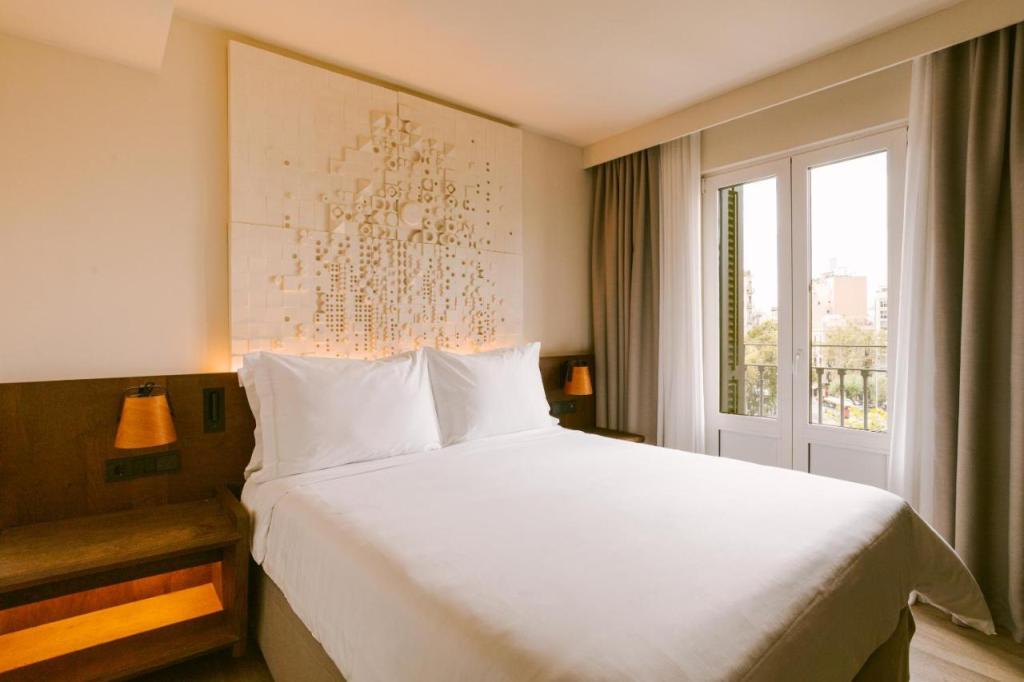
Why L'Eixample defines Barcelona's luxury suite offer
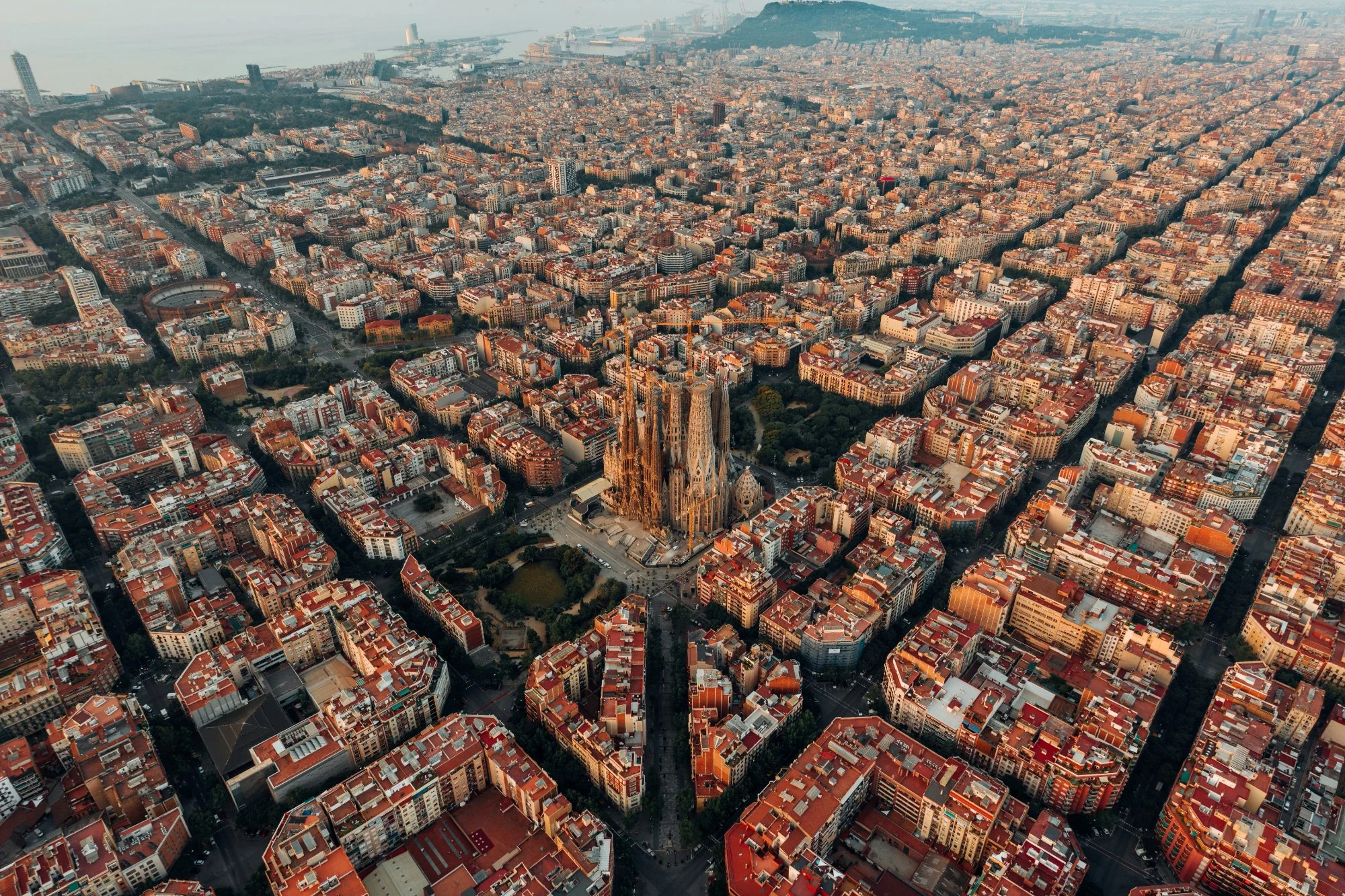
The neighbourhood divides naturally into two halves. Esquerra de l'Eixample (the left side) runs west of Passeig de Gràcia and carries a more residential, locally oriented identity. Dreta de l'Eixample (the right side) concentrates the district's most prominent landmarks, its flagship retail, and the majority of its luxury hotel stock. The two zones offer different registers of the same urban logic, and the choice between them shapes the character of a stay considerably.
The distinct areas within L'Eixample
Dreta de l'Eixample
This is the district's most internationally recognised corridor. Passeig de Gràcia, which bisects it, functions simultaneously as a boulevard, an open-air Modernista museum, and a concentration of high-end retail. The Manzana de la Discòrdia, where three competing Modernista masterworks occupy adjacent plots, is within walking distance of most luxury hotels in this zone. Suites on or near Passeig de Gràcia benefit from scale: the boulevard is wide enough to allow genuine natural light and, in the upper floors of historic buildings, genuinely panoramic perspectives across the roofscape of Barcelona.
Esquerra de l'Eixample
West of the central axis, the neighbourhood shifts register. The streets are quieter, the restaurant scene is more local in orientation, and the pace slows perceptibly. For travelers seeking a luxury hotel suite with access to the neighbourhood's cultural and gastronomic infrastructure but without the foot traffic of the main tourist corridor, this side of L'Eixample offers a more private experience. The density of independent design studios, wine bars, and neighbourhood markets here rewards those who prefer exploration over spectacle.
Diagonal and the upper grid
Where Avinguda Diagonal cuts across the Cerdà grid at an angle, the neighbourhood transitions towards a more institutional and corporate character. Luxury hotels in this zone tend toward contemporary architecture and business-oriented programming, though several occupy Modernista or early 20th-century buildings that have been converted with considerable care. The area provides fast access to the rest of Spain via the city's main transit arteries.
When to stay in L'Eixample
L'Eixample functions as a year-round destination, and its luxury hotel offer reflects this. The district is urban in the most complete sense: weather is relevant, but it does not define the experience in the way it might for a coastal stay. That said, certain periods carry particular weight for discerning travelers.
Spring (March to May) and autumn (September to November) offer the most temperate conditions. The light in October is notably clean, the summer crowds have thinned, and the neighbourhood's cultural calendar, which includes major gallery openings and design events, tends to concentrate in these windows. The Primavera Sound and Sónar festivals in late spring and June attract a design-literate, internationally mobile audience and coincide with a period when the city's hospitality operates at peak quality.
August compresses availability and raises rates, though for those who prefer a quieter city, the departure of many local residents gives the neighbourhood a more intimate character. The Christmas and New Year period sees the district dressed formally: the Passeig de Gràcia illuminations are a civic event of some significance. Luxury hotel suites book out early for this window, and advance planning is advisable.
Local luxury standards: what to expect from top-tier suites in L'Eixample
Spain's national hotel classification system awards the Gran Lujo category to properties meeting the highest formal standards, and Barcelona holds several such designations. Within L'Eixample specifically, the luxury hotel offer divides into two typologies that reflect the district's architectural history.
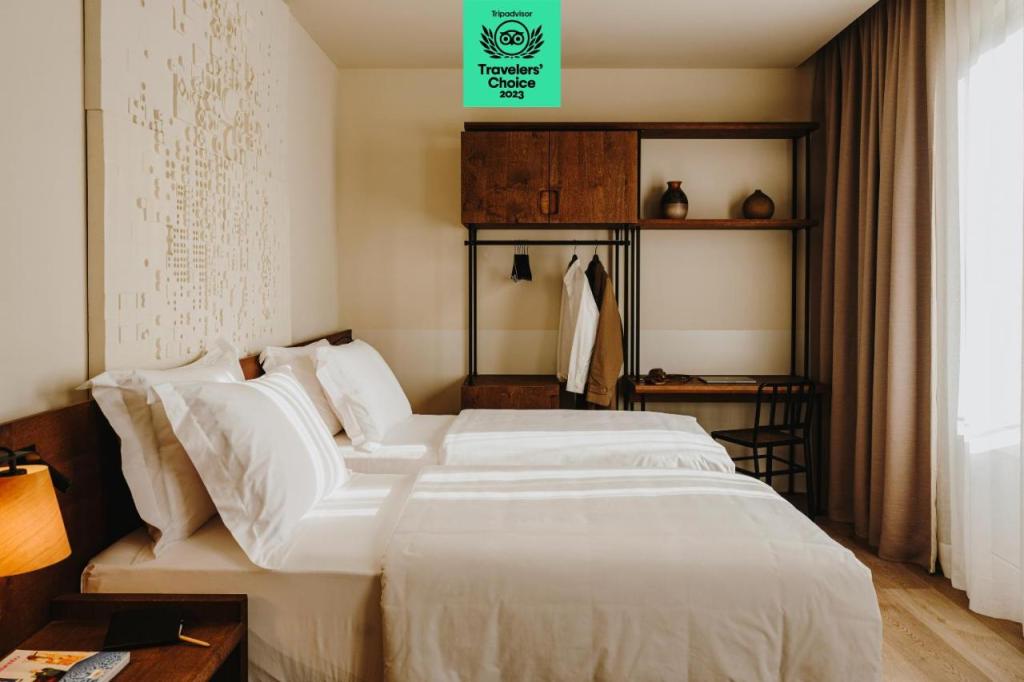
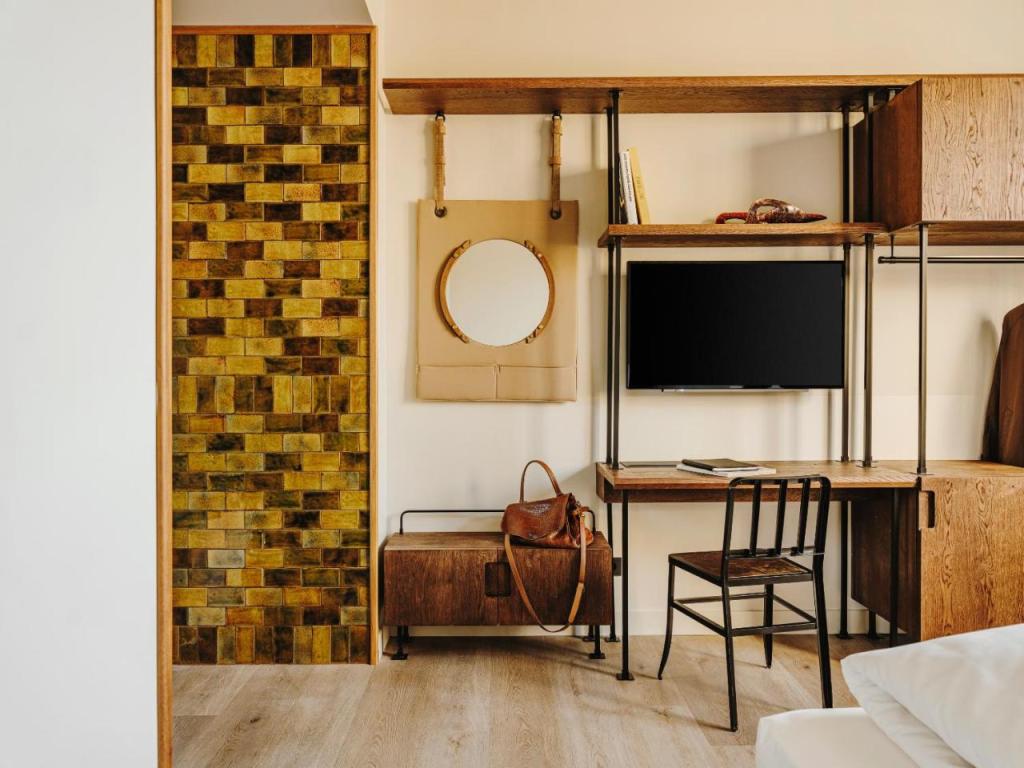
The first is the palace conversion: buildings from the late 19th and early 20th century that have been adapted into hotels while preserving original coffered ceilings, mosaic floors, ornamental ironwork, and in some cases, original Modernista fittings. Suites in these properties carry a spatial intelligence that contemporary builds rarely replicate. Ceiling heights are generous, proportions are deliberate, and the materiality of the original construction gives rooms a sensory quality that is genuinely different from modern luxury.
The second typology is the purpose-built contemporary luxury hotel, typically occupying a ground-up development or a complete structural renovation. These properties tend to emphasise technology, service programming, and design coherence. Suites here are often larger in pure square footage and more consistent in their amenity offer, though they lack the architectural texture of the conversion properties.
Both typologies are represented in L'Eixample, and the choice between them is a matter of preference rather than quality. A curated selection by La Suite accounts for both, presenting options across the spectrum for travelers whose priorities differ.
How to choose the right luxury suite in L'Eixample
Several considerations are specific to this district and worth addressing before committing to a property.
First, position within the block matters. Cerdà's grid includes interior courtyards that were originally intended as communal gardens. Some hotel rooms face inward onto these courtyards, offering quiet and privacy at the cost of street-level animation. Others face directly onto the boulevard or side streets, where ambient noise is present but the visual connection to the neighbourhood's architecture is stronger. Neither is objectively superior, and the decision should reflect how you intend to use the suite.
Second, floor height is unusually relevant here. The chamfered corners of the Eixample blocks mean that corner suites on upper floors often command diagonal sightlines across multiple intersections, creating views that are architecturally specific to this district. If the relationship between the interior and the urban fabric is a priority, corner positioning on the third floor or above is worth specifying.
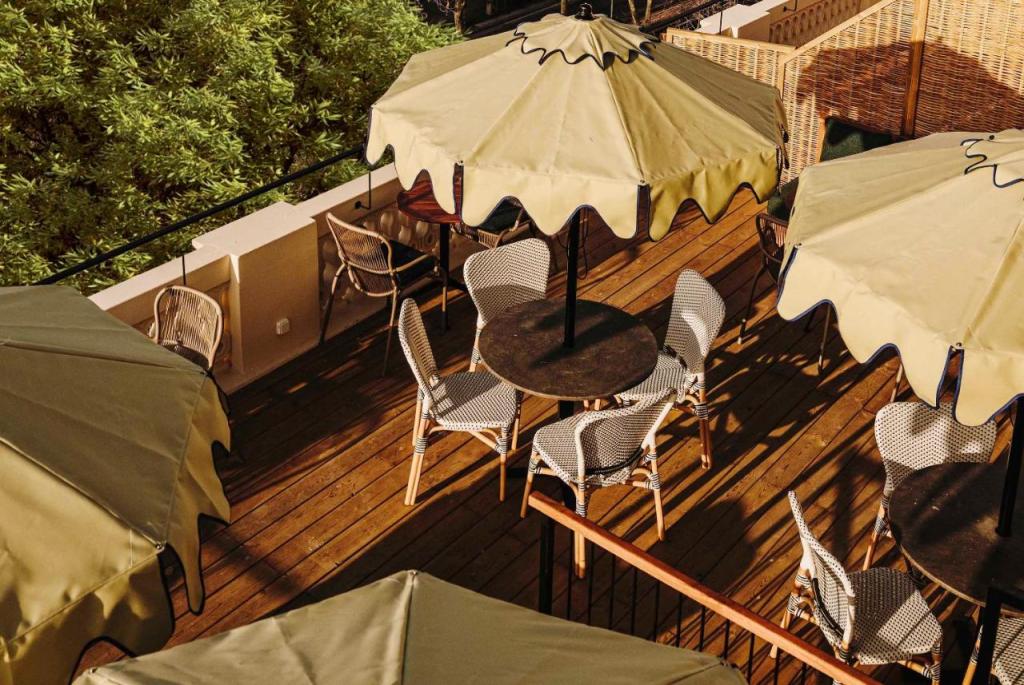
Third, consider the suite's relationship to the hotel's public spaces. In L'Eixample, several luxury hotels have invested significantly in rooftop terraces, courtyard restaurants, and ground-floor bars that function as neighbourhood destinations in their own right. A suite stay that includes access to these spaces extends the experience considerably beyond the room itself.
The value of a curated approach in L'Eixample
L'Eixample is not a destination where the luxury hotel offer is thin. The district contains a concentration of high-end properties that makes independent research time-consuming and, without direct knowledge of the buildings and their interiors, unreliable. Photographs rarely convey the acoustic character of a room, the quality of light at different times of day, or the way a building's original architecture integrates with its contemporary fit-out.
La Suite's curation of luxury suites in Barcelona is built on direct assessment of what each property delivers and for whom. The selection presented here reflects not volume but specificity: suites that perform at the highest level for the type of traveler who chooses L'Eixample deliberately, as a destination in its own right within the broader context of Europe's most architecturally coherent urban neighbourhoods.