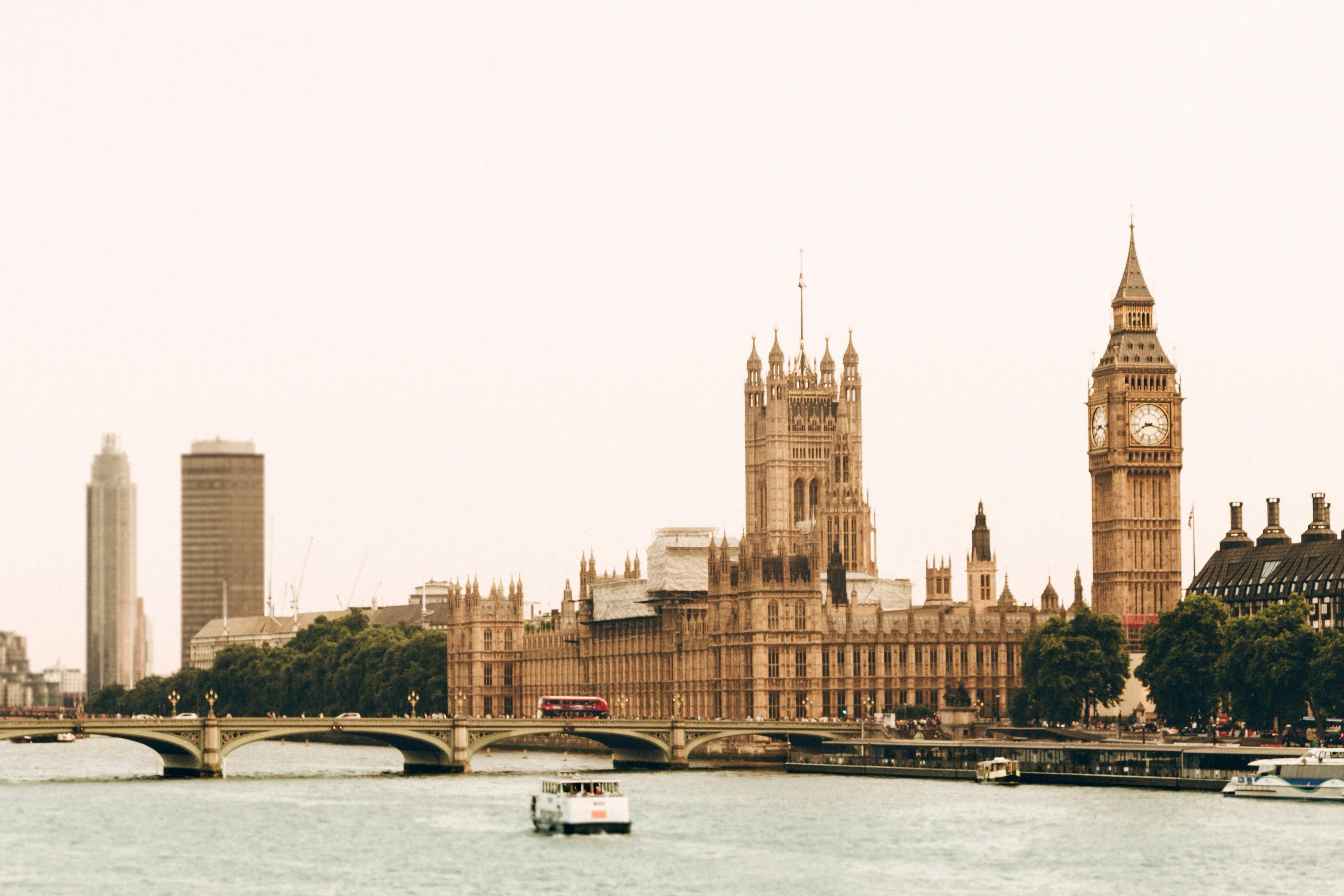
Why Westminster occupies a singular position in London's luxury hotel landscape
The luxury hotel supply here reflects that character. Properties tend toward the classical, with deep setbacks, formal reception spaces, and suites conceived for discretion rather than spectacle. This is where long-stay guests arrive with schedules rather than itineraries, and where the measure of a suite is its capacity to function as a private residence for days at a time.
The distinct areas within Westminster and their suite character
St James's and Mayfair borders
The northern edge of Westminster, where it borders Mayfair and St James's, carries the most concentrated density of high-tier properties. St James's Street and its surrounding grid were designed for a specific social class, and the hotels that occupy this zone inherit that intent. Suites here tend to feature period detailing, butler access, and the kind of insulated quiet that comes from thick masonry walls and double-height windows. The proximity to royal parks and private members' clubs adds a social texture that purely commercial districts cannot replicate.
Victoria and Pimlico
Moving south toward Victoria, the character shifts. Properties here are often larger-format, serving a mix of business travelers and international visitors connecting through the transport hub. The luxury hotel options in this zone have improved considerably, with several properties offering suites that prioritize space and contemporary finish over historical narrative. Pimlico itself, quieter and more residential, offers a different proposition: the sense of staying in a functioning London neighborhood while remaining within walking distance of the district's primary institutions.
Embankment and Millbank
The riverside corridor along the Embankment and down toward Millbank offers the most visually arresting positioning within Westminster. Suites with direct Thames views command a premium that is straightforwardly justified. The light on the river changes through the day in ways that are specifically London: a particular quality of northern diffusion that photographers and architects have documented for two centuries. Properties in this corridor tend to be fewer in number but high in ambition, often occupying converted civic or commercial buildings.
When to stay in Westminster
Westminster does not have an off-season in the conventional sense. Its draw is structural, not climatic. That said, the experience of the district shifts meaningfully across the year.
Late spring, from April through June, brings the best combination of light, manageable visitor volumes, and a full cultural calendar. The Chelsea Flower Show in May, held just across the district boundary in Chelsea, draws a specific kind of traveler who tends to prioritize quality accommodation in a central location. The summer months, particularly July and August, see the highest occupancy across the district's hotels. Suite availability at preferred properties tightens considerably, and rates reflect that compression.
September and October represent the most considered window for the experienced traveler. The light is lower and more directional, the city resumes its working rhythm after the summer dispersal, and the cultural institutions across Westminster reopen their full programs. The Frieze Art Fair in Regent's Park, while technically outside the district, draws a design-literate audience that tends to base itself in the St James's and Victoria corridors.
Winter in Westminster has its own specific character. The parliamentary calendar is in full session from October through December, which means the district operates at a concentrated intensity. Christmas brings a different kind of visitor, but the core luxury hotel supply remains consistent in quality and often more accessible in terms of suite availability than the summer peak.
Understanding the local luxury standard in Westminster
The United Kingdom does not operate a formal palace designation equivalent to the French system. Instead, the market differentiates through a combination of AA Five-Star ratings, Forbes Travel Guide assessments, and the more informal currency of reputation and tenure. A property that has operated at the top tier of the London market for several decades carries a credibility that newer entrants must earn over time.
In Westminster specifically, the luxury hotel suite standard is shaped by the district's political and diplomatic function. Suites are typically designed to accommodate working guests: desk space is generous, connectivity is treated as infrastructure rather than amenity, and the separation between sleeping and reception areas is considered essential rather than aspirational. Butler service, available at the top tier, operates with a formality that differs from the more personality-driven approach found in lifestyle hotels elsewhere in the city.
The architectural fabric of the district also imposes a particular aesthetic. Many of the most prestigious properties occupy Georgian or late Victorian buildings, which means ceiling heights, room proportions, and window configurations follow a pre-modern logic. This produces suites with a sense of volume and structural weight that contemporary new-builds rarely replicate.
How to choose the right suite in Westminster
The primary consideration in Westminster is purpose. A guest attending parliamentary hearings, corporate negotiations, or diplomatic engagements has different requirements from a traveler using the district as a cultural base. The former group typically prioritizes discretion, connectivity, and the quality of in-room workspace. The latter may weight views, proximity to Tate Britain, the National Gallery, or the South Bank, and the capacity to receive guests in a suite setting that communicates taste rather than function.
Aspect matters specifically in this district. Suites facing the Thames offer one of London's most distinctive urban views. Suites on upper floors of properties near St James's Park look out over the formal geometry of one of the city's oldest royal parks. Both orientations are architecturally defensible and experientially distinct. The choice between them is a matter of what the guest intends to notice.
Floor level is also relevant in buildings where the original Georgian proportions have been preserved. Lower floors often retain more architectural detail. Upper floors offer more light and, in some properties, private terrace access.
The value of curation in a district with limited inventory
Westminster's luxury hotel supply is smaller than its reputation might suggest. The district's planning constraints, combined with the density of protected buildings and institutional uses, limit the development of new hotel stock. This means that the best suites here are finite in number and high in demand at particular moments of the year.
La Suite approaches Westminster with the same editorial discipline applied across its global selection. The curated selection by La Suite identifies properties where the suite product is genuinely distinguished, where the service infrastructure supports extended stays, and where the positioning within the district adds a meaningful dimension to the stay. In a market where surface quality is broadly consistent at the five-star tier, the differentiating factors are often architectural, locational, or operational. Those distinctions are what La Suite's curation is designed to surface.