
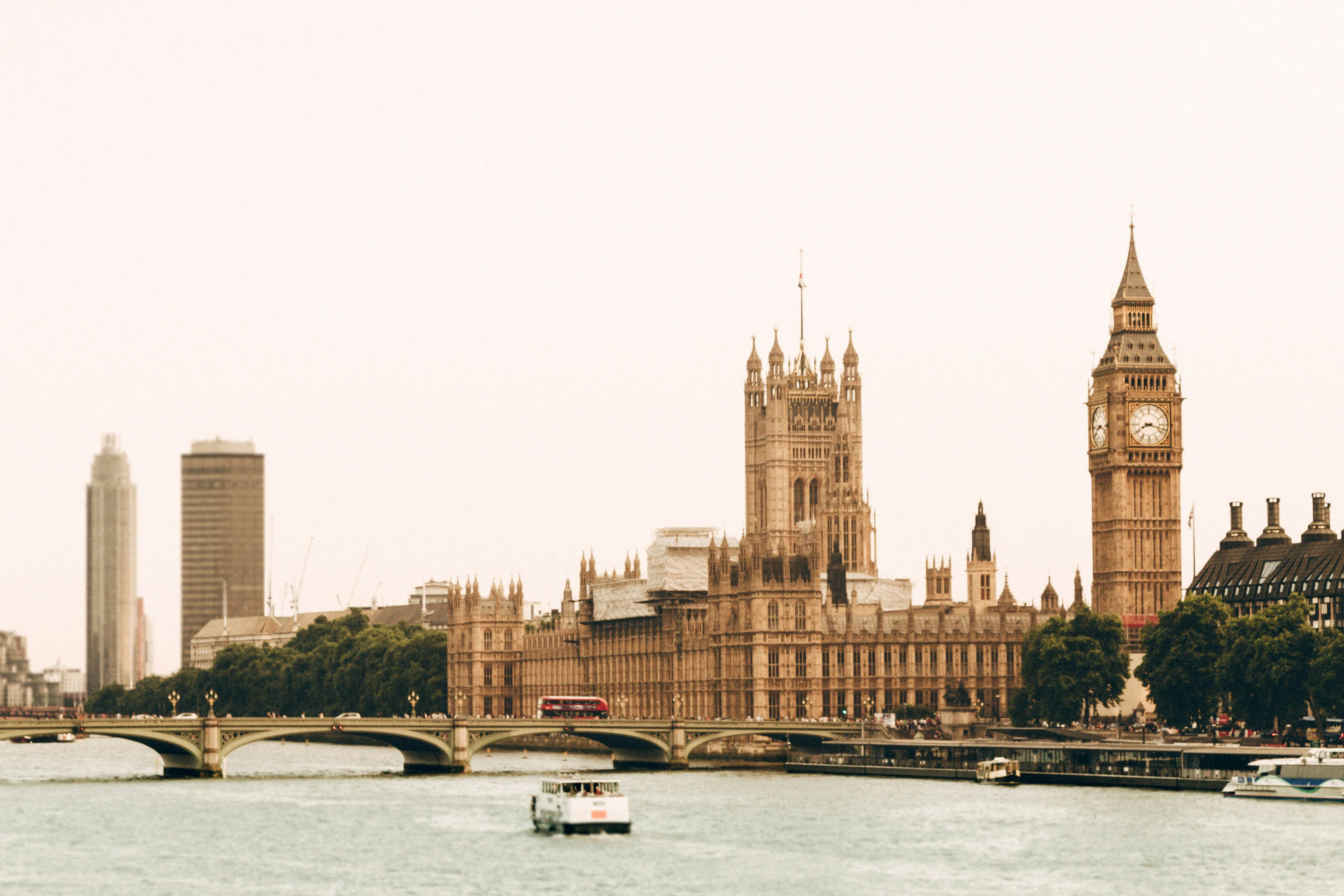
England
Hotels with luxury suites in England
England is not a single destination but a collection of strongly defined territories, each with a different relationship to luxury hospitality.
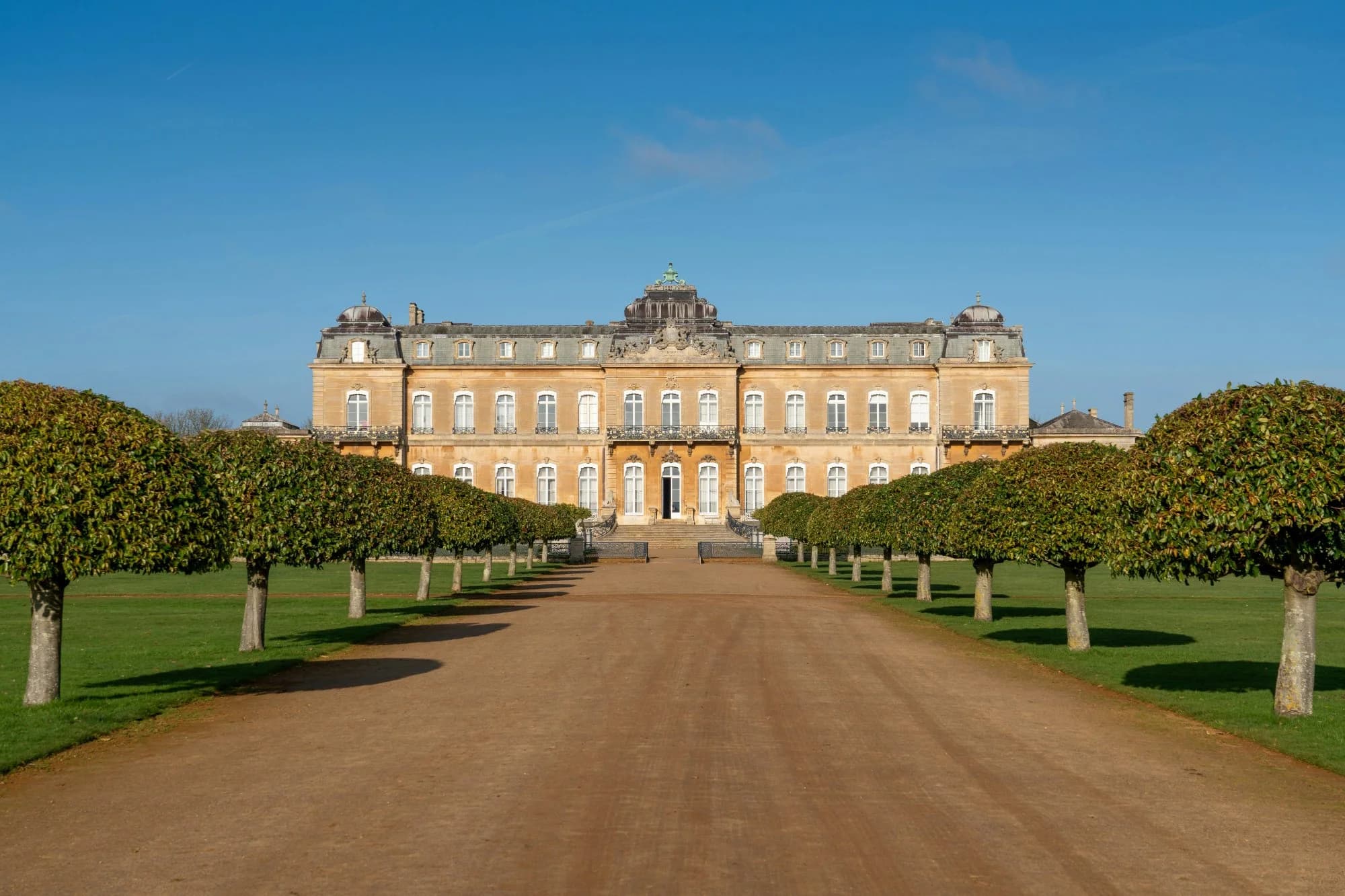
Bedfordshire
3 hotels
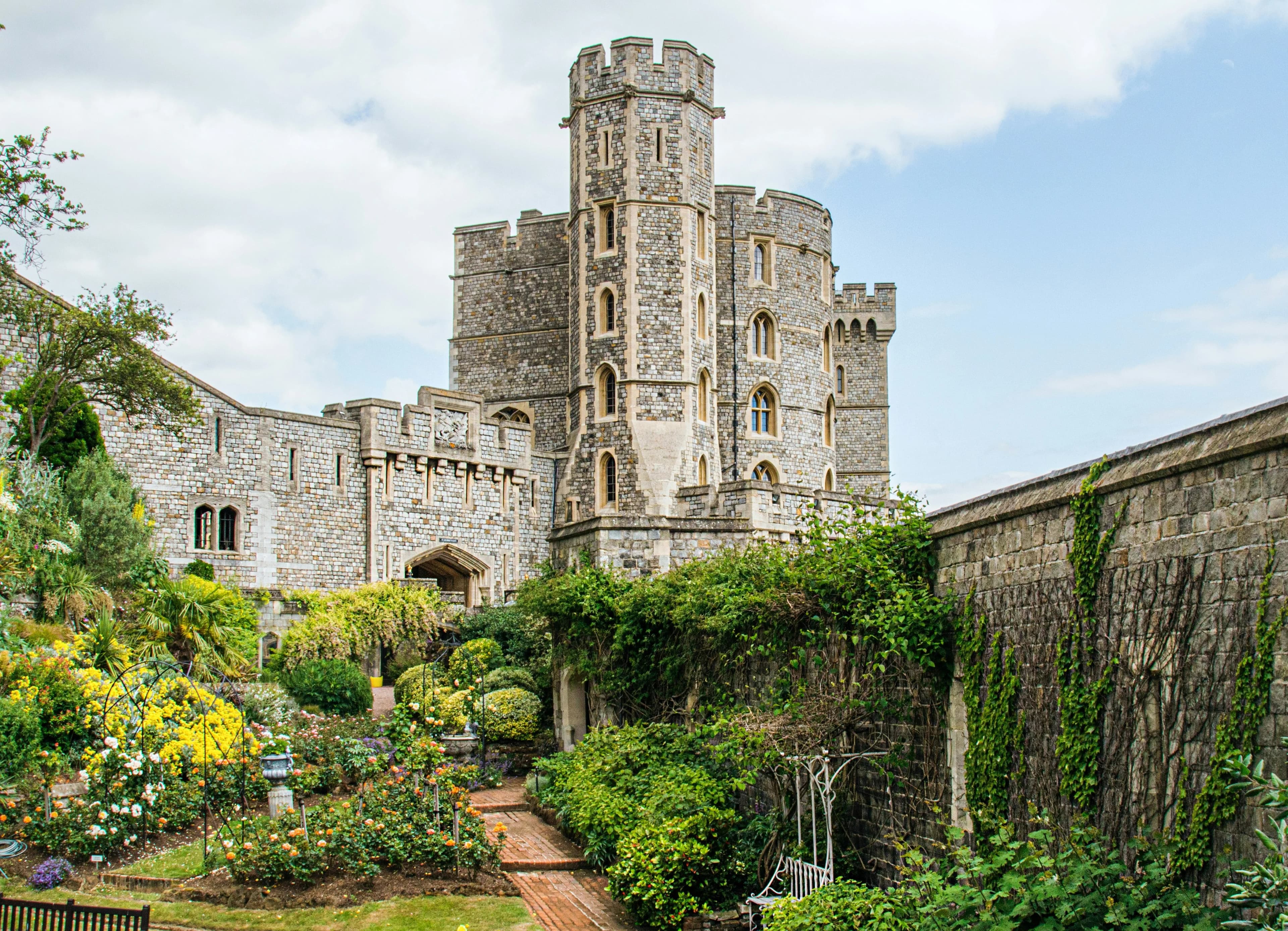
Berkshire
21 hotels
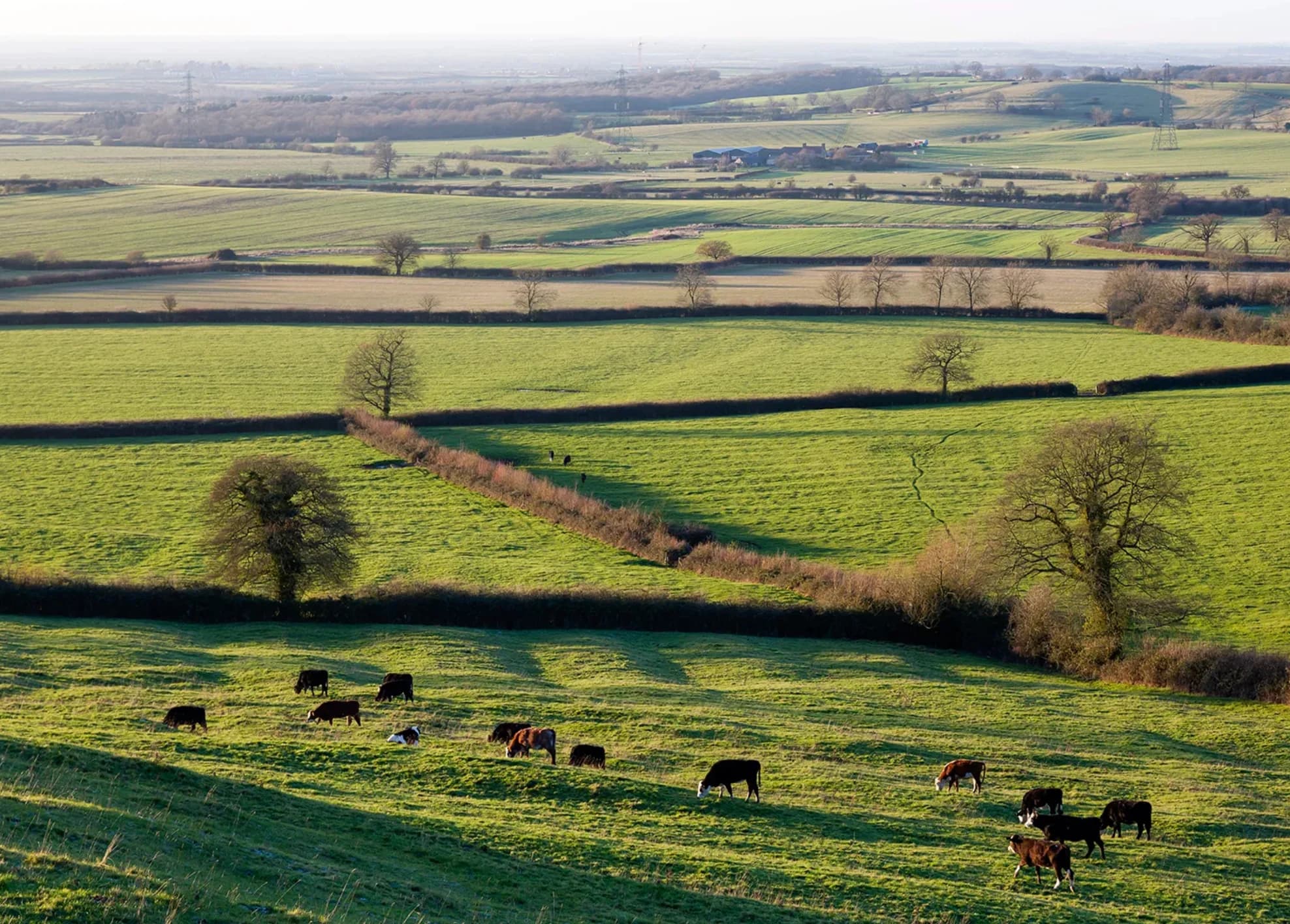
Buckinghamshire
8 hotels
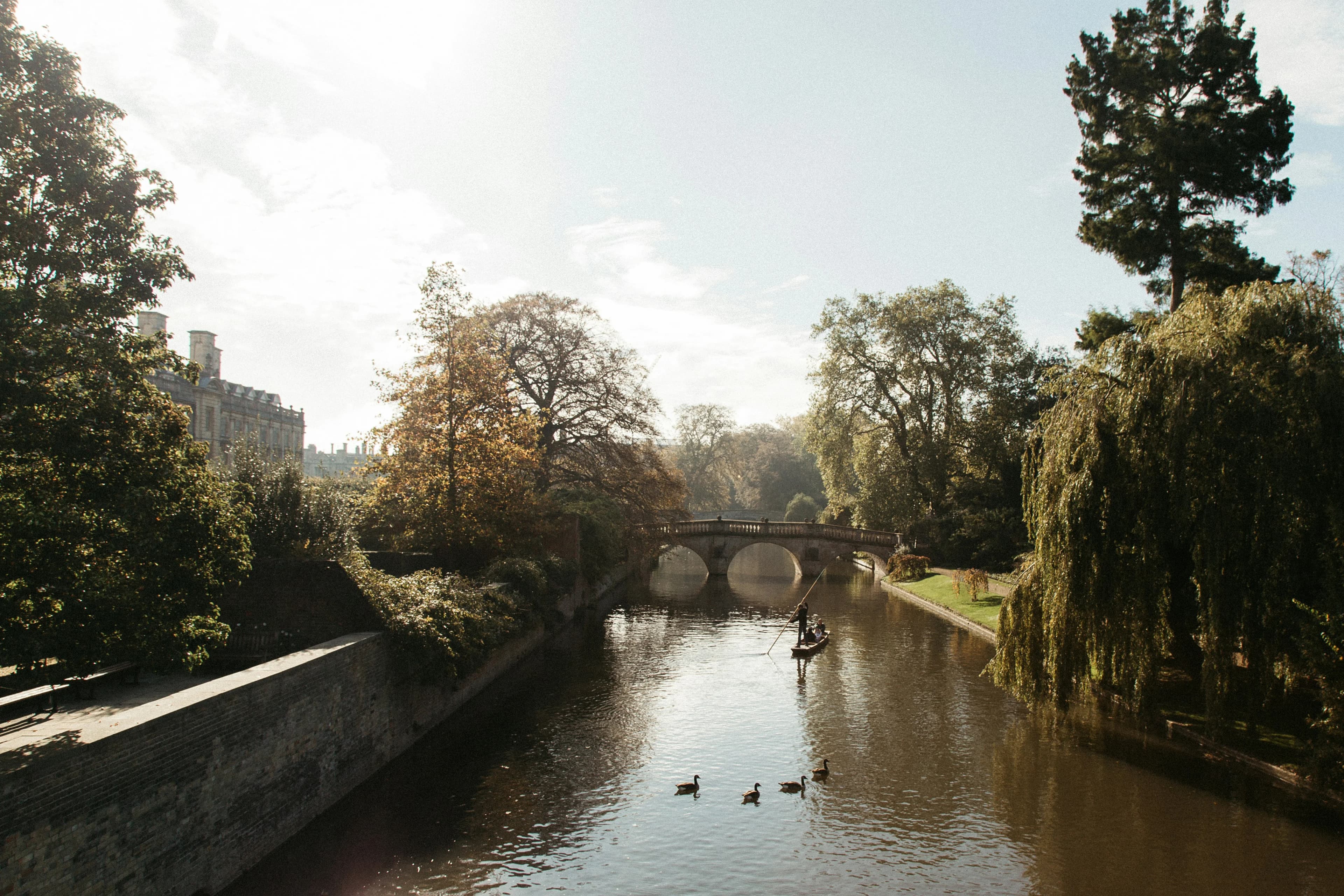
Cambridgeshire
11 hotels
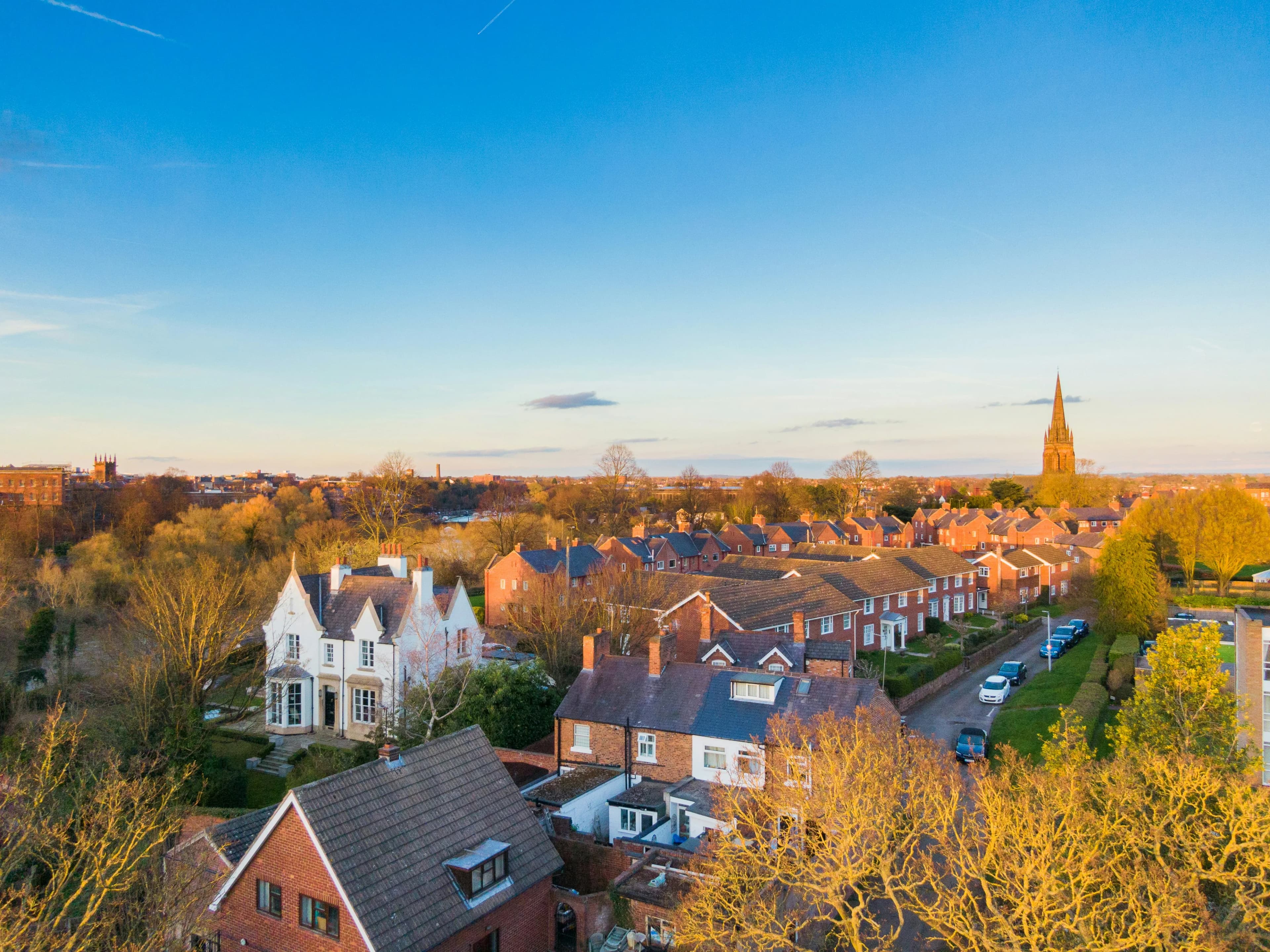
Cheshire
9 hotels

Cornwall
15 hotels
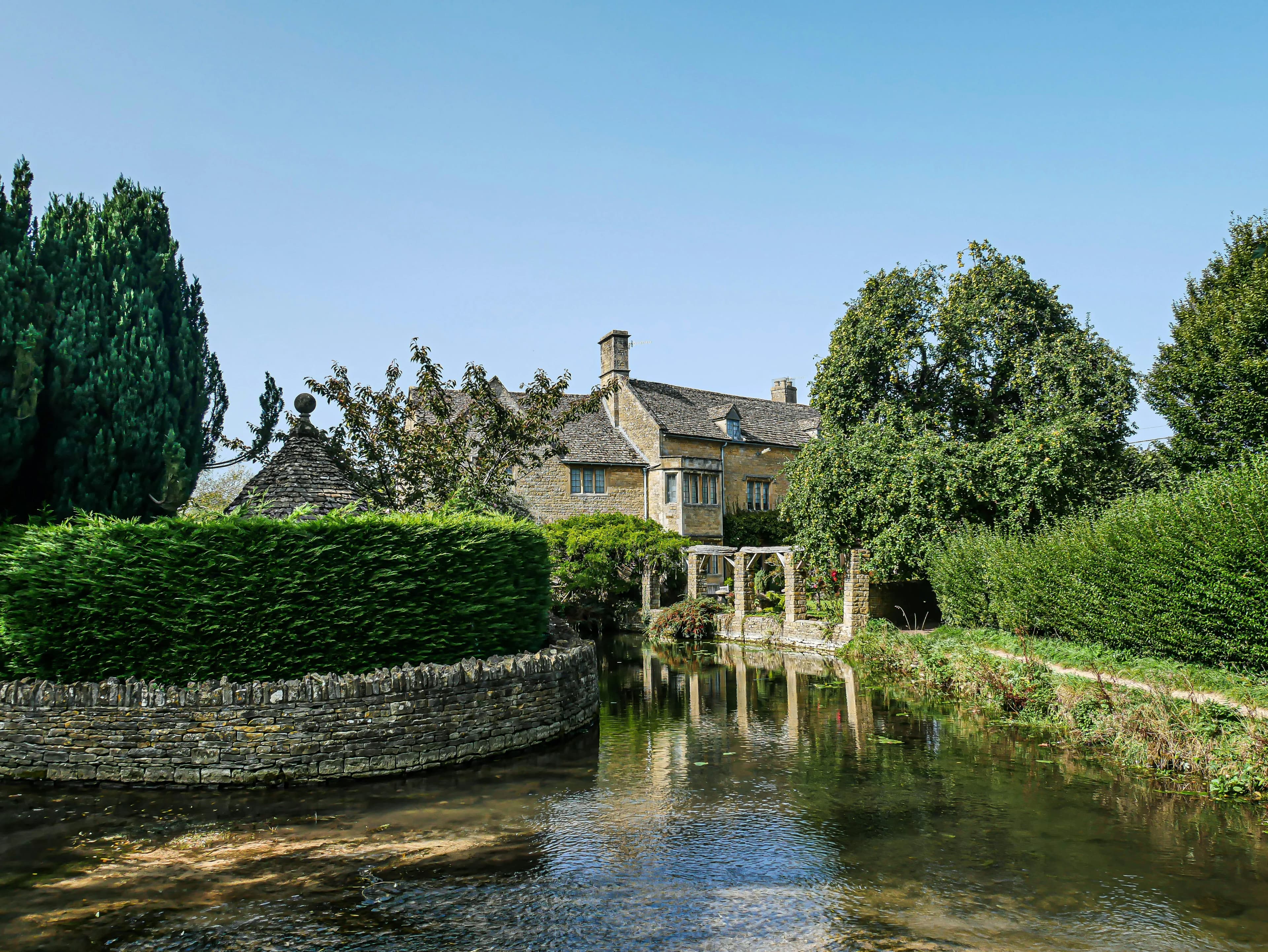
Cotswolds
54 hotels
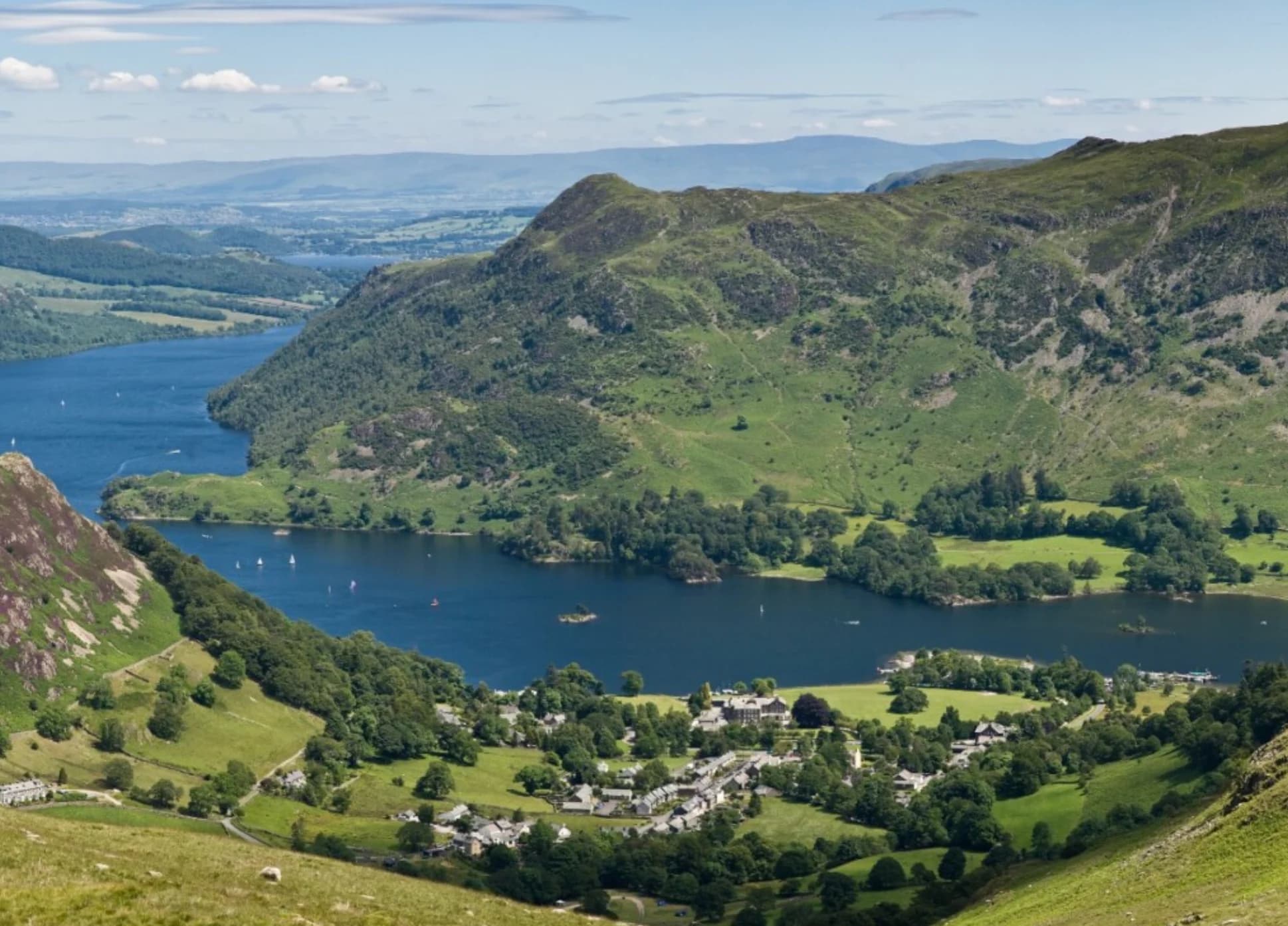
Cumberland
23 hotels
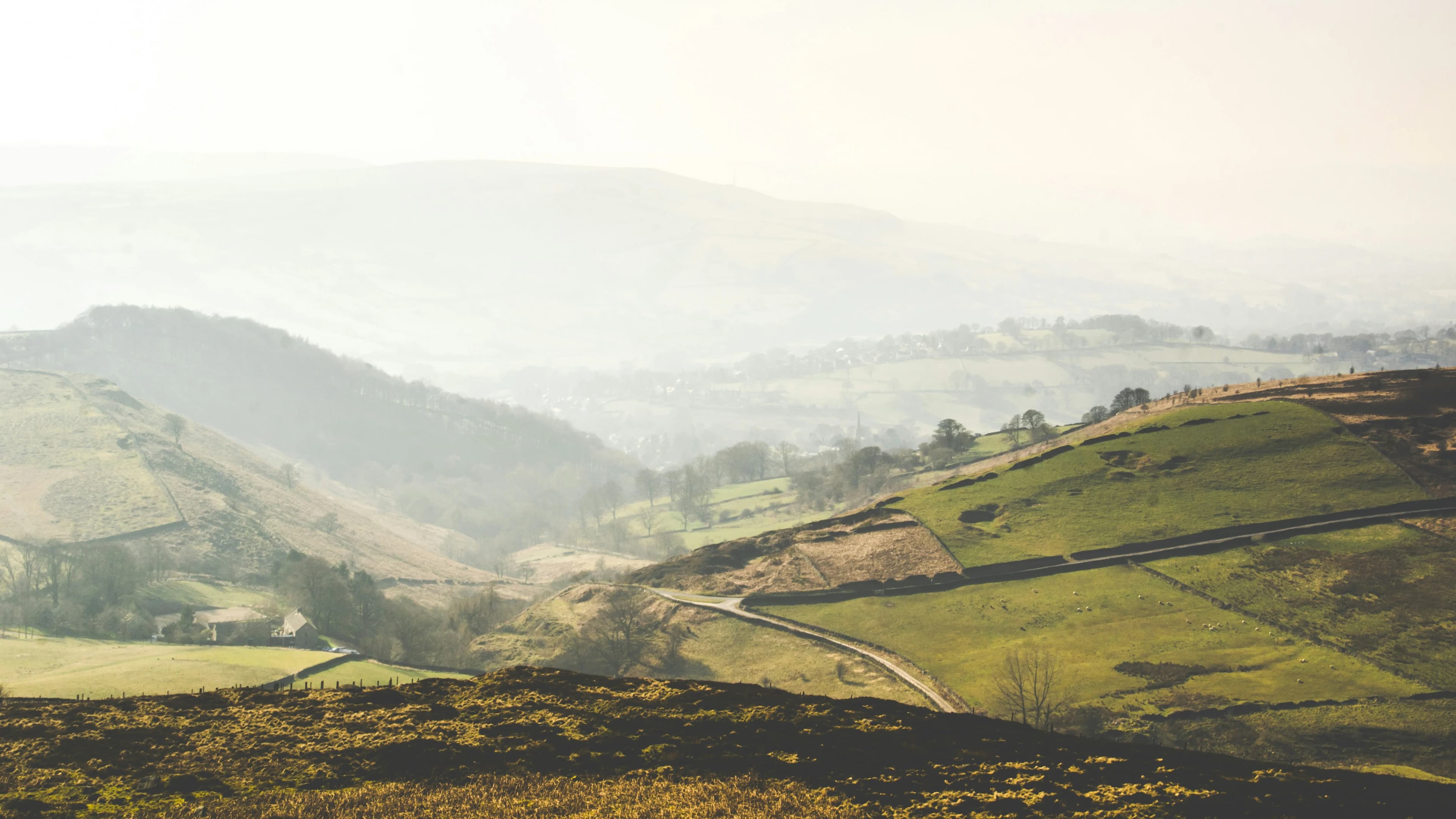
Derbyshire
11 hotels
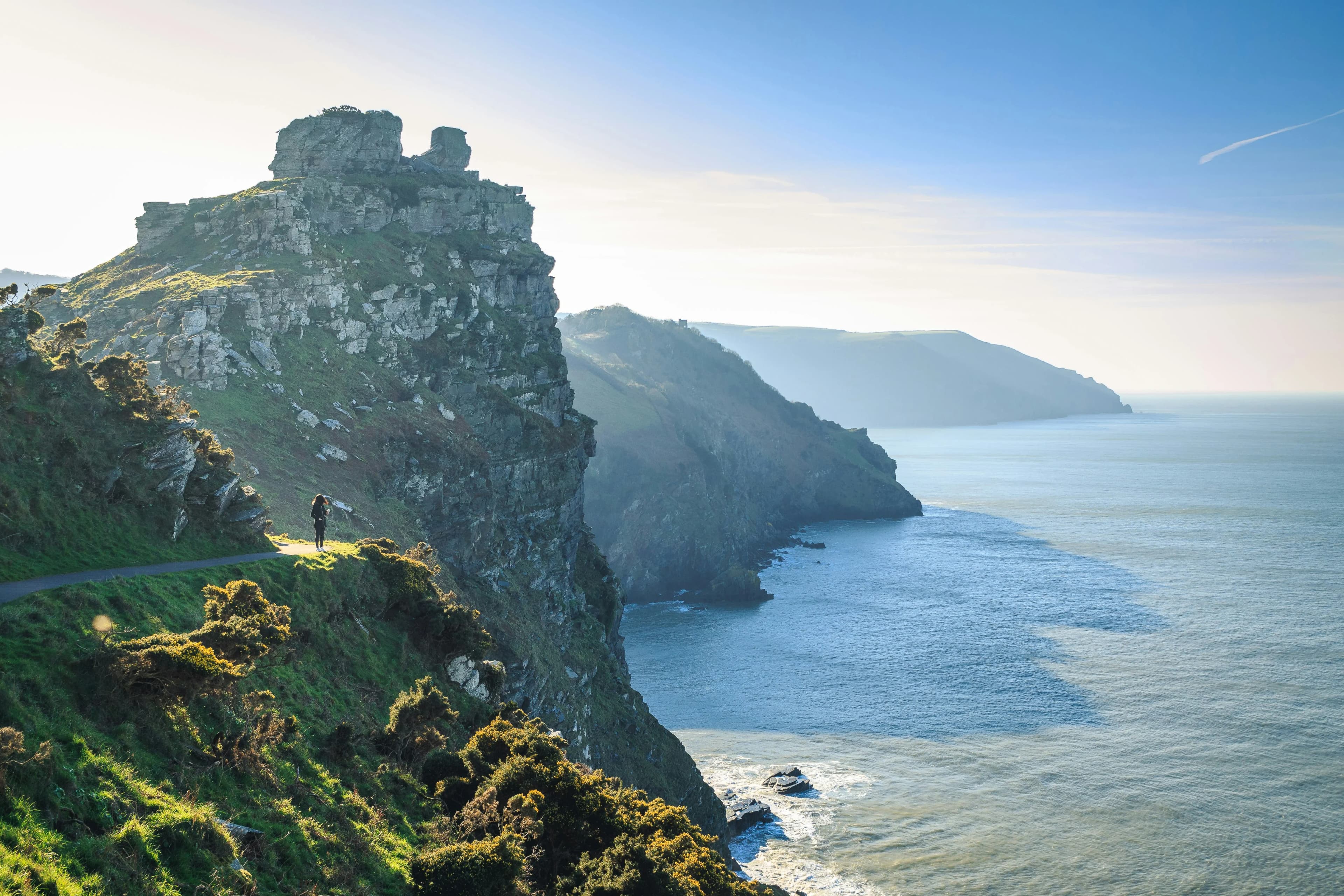
Devon
14 hotels
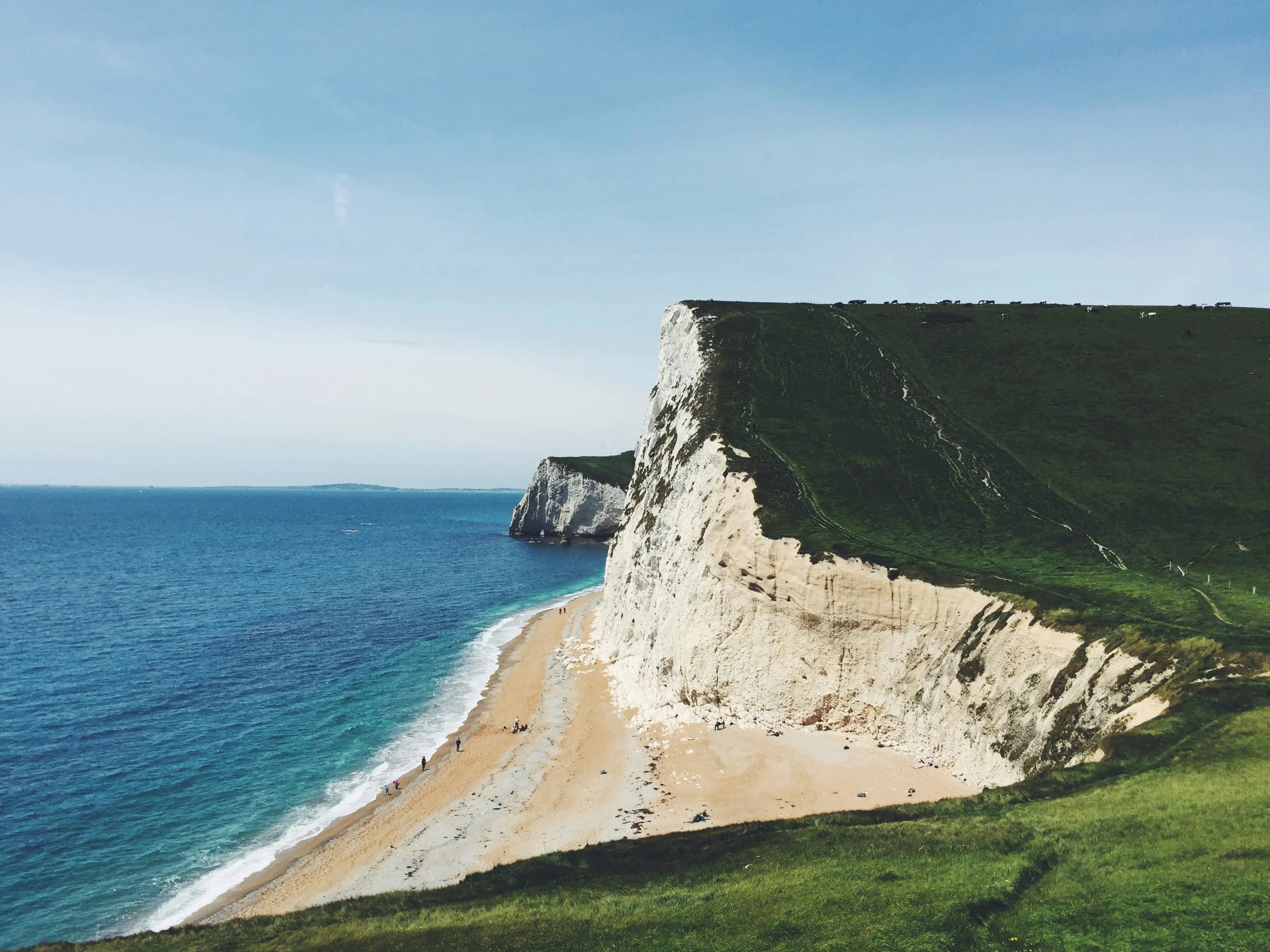
Dorset
9 hotels
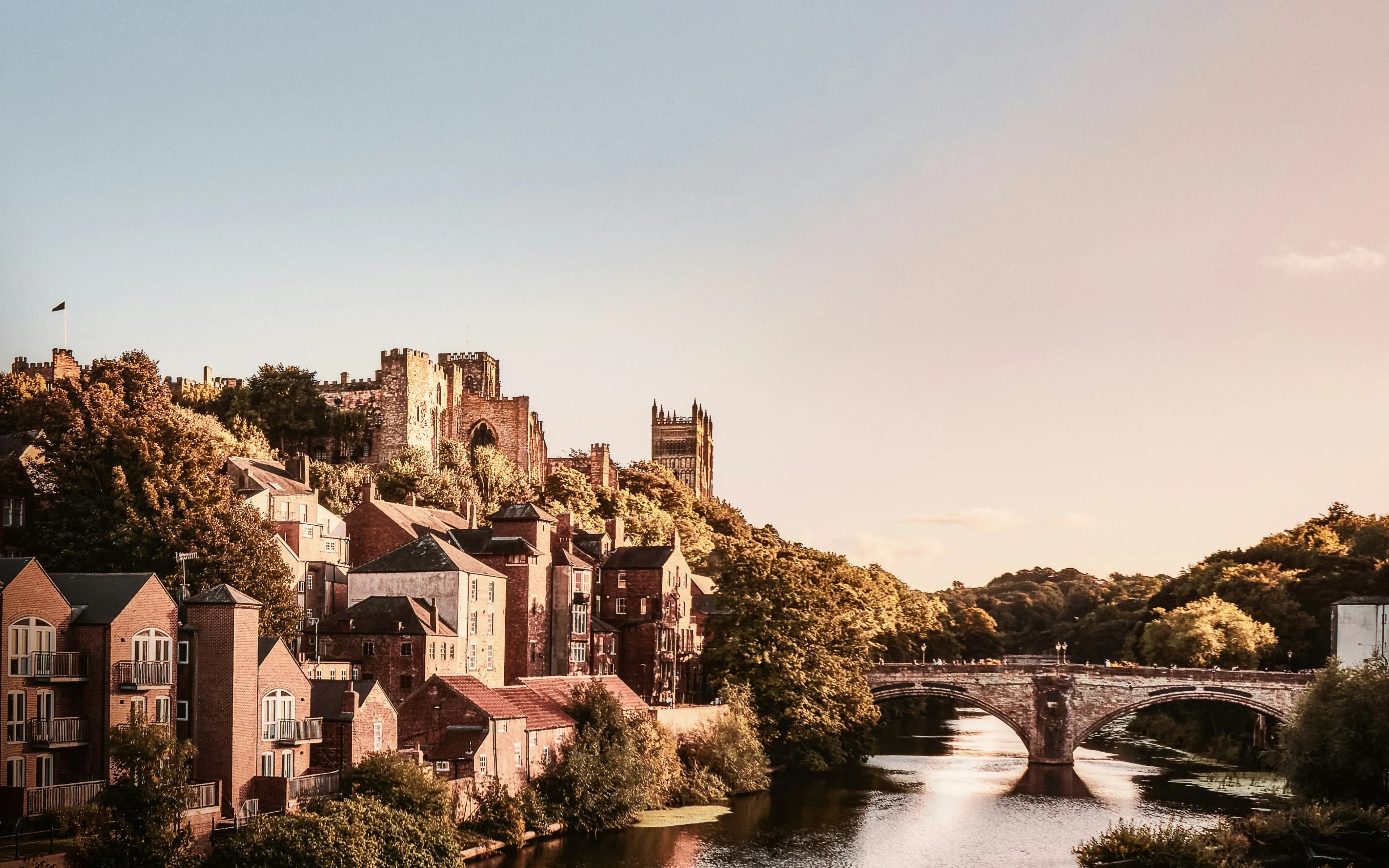
Durham
12 hotels
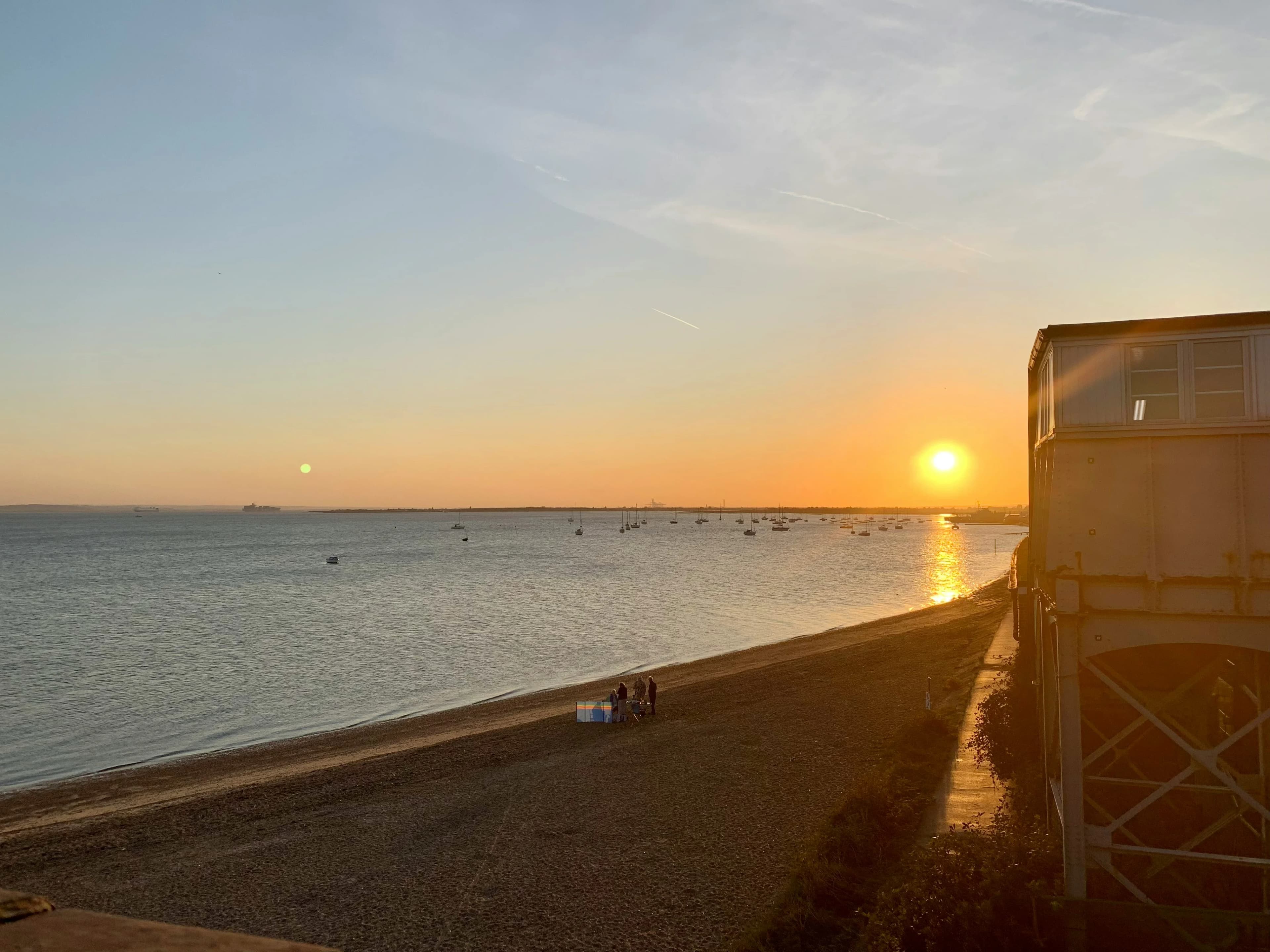
Essex
6 hotels
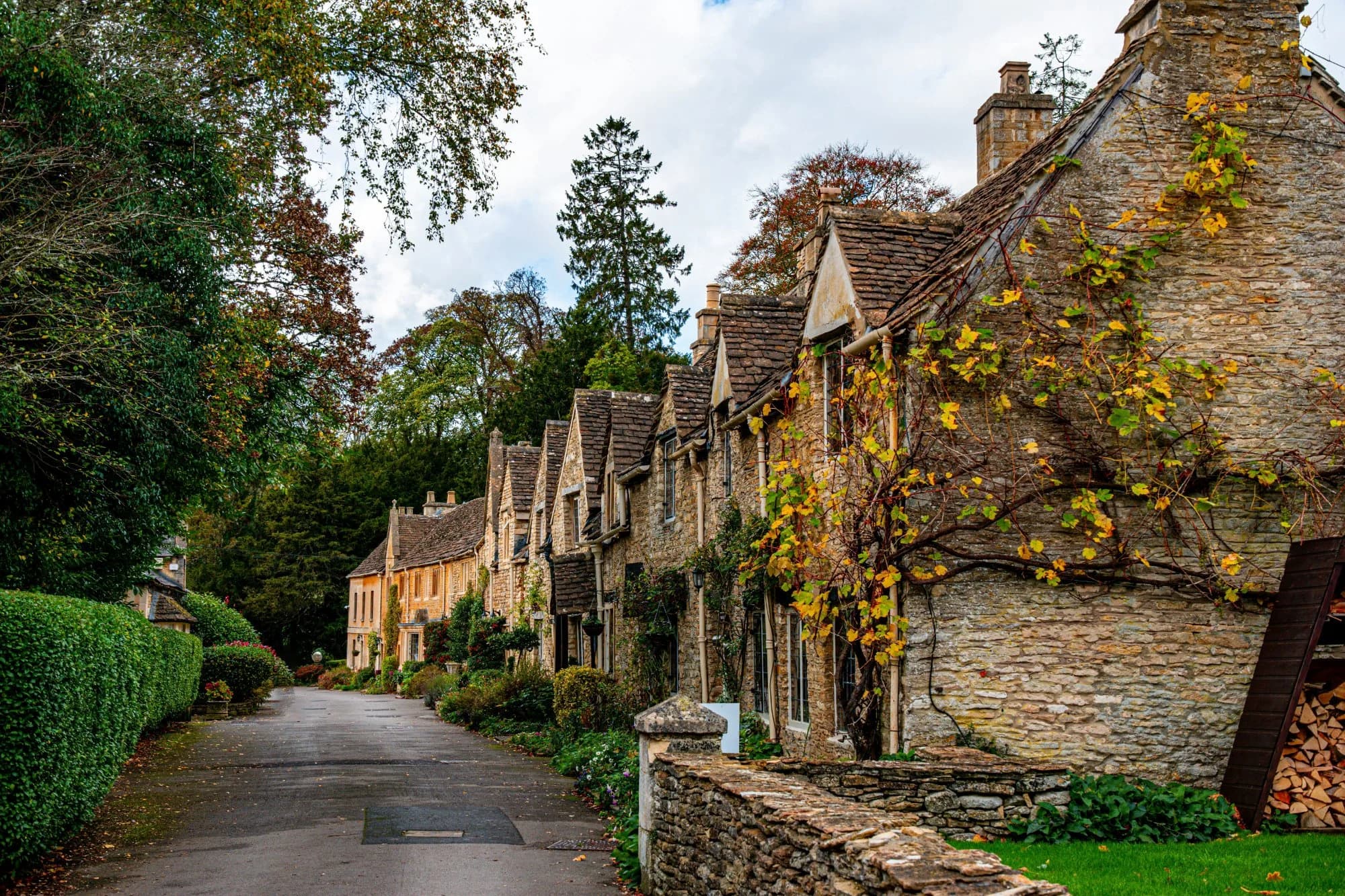
Gloucestershire
29 hotels
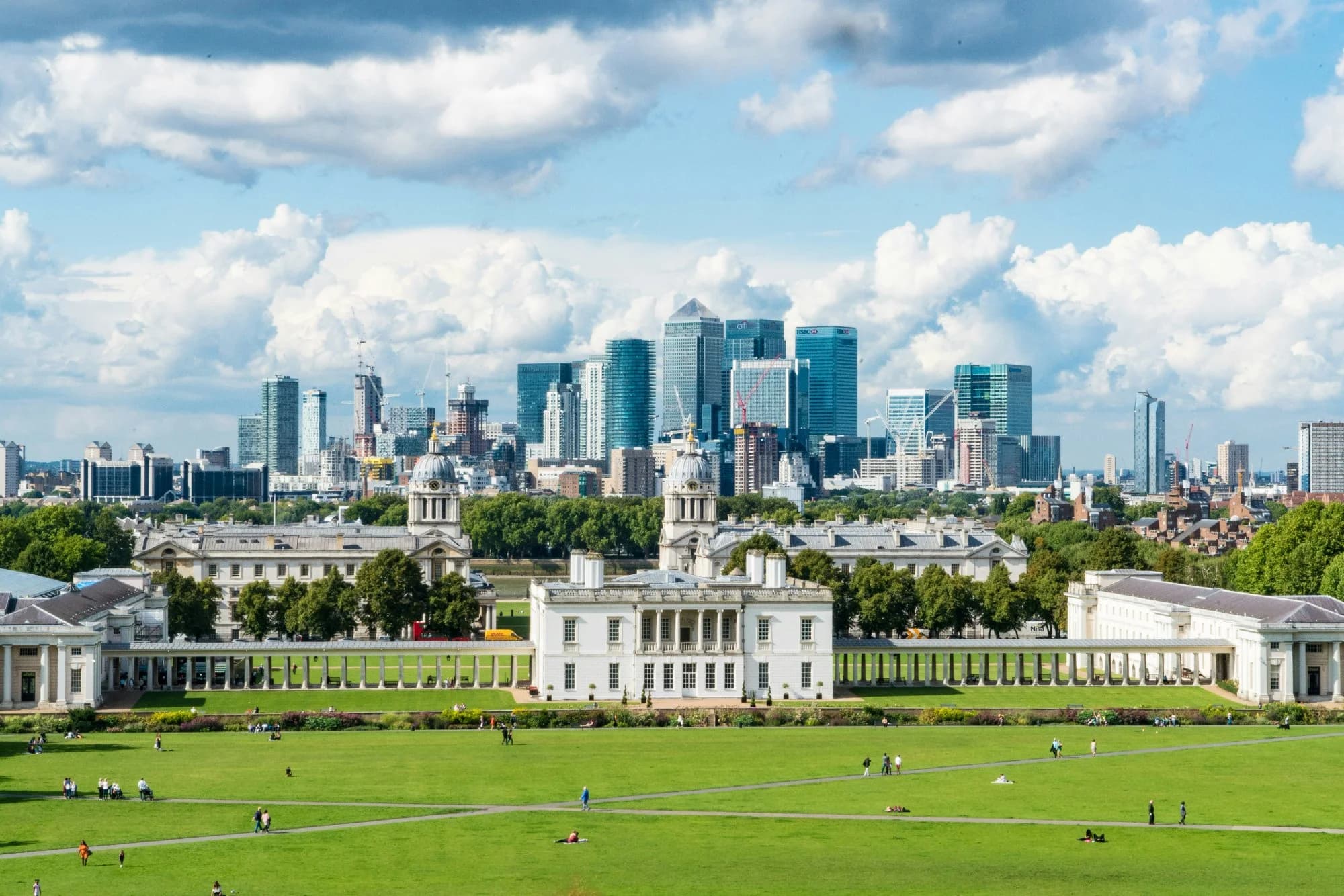
Greater London
133 hotels
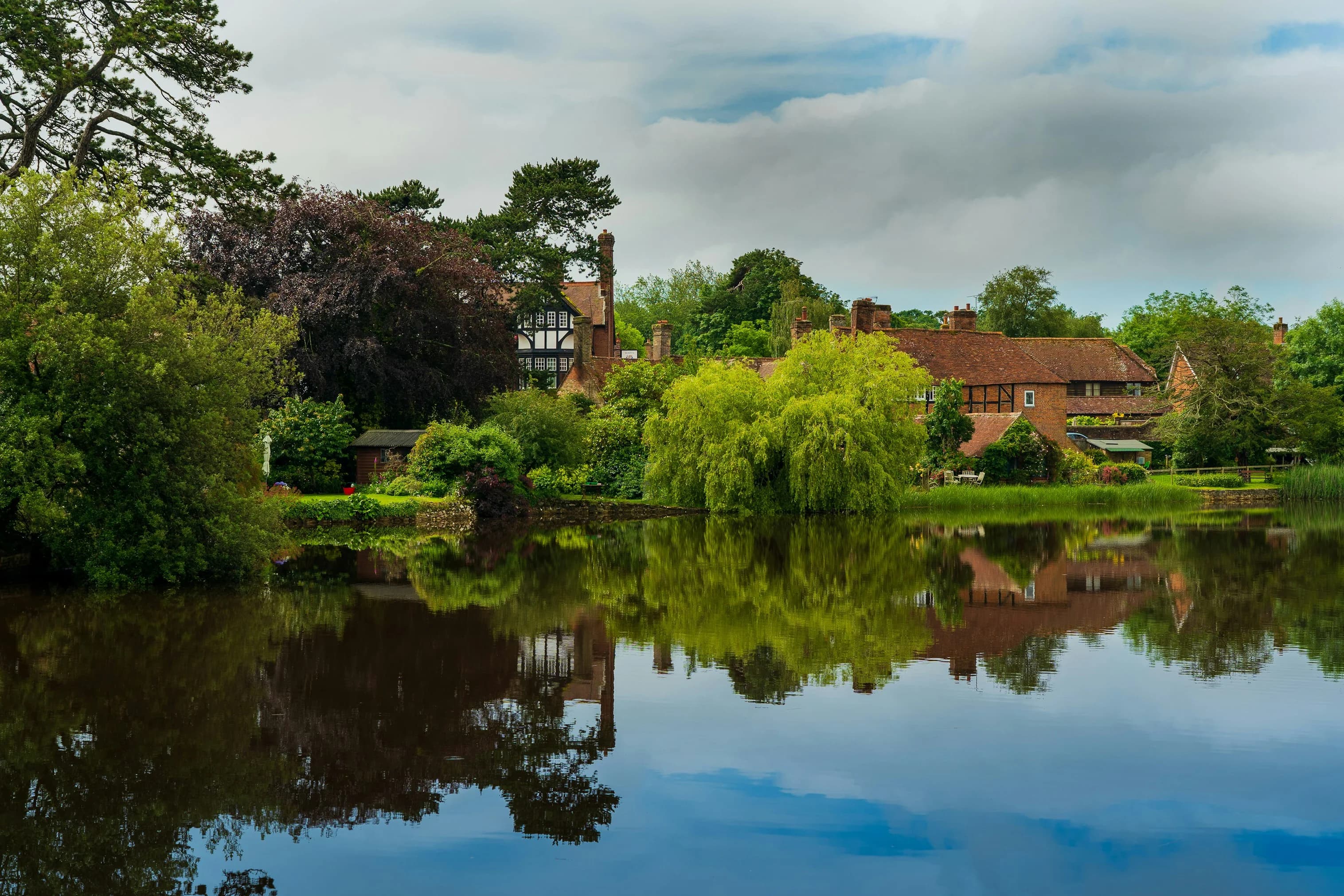
Hampshire
19 hotels
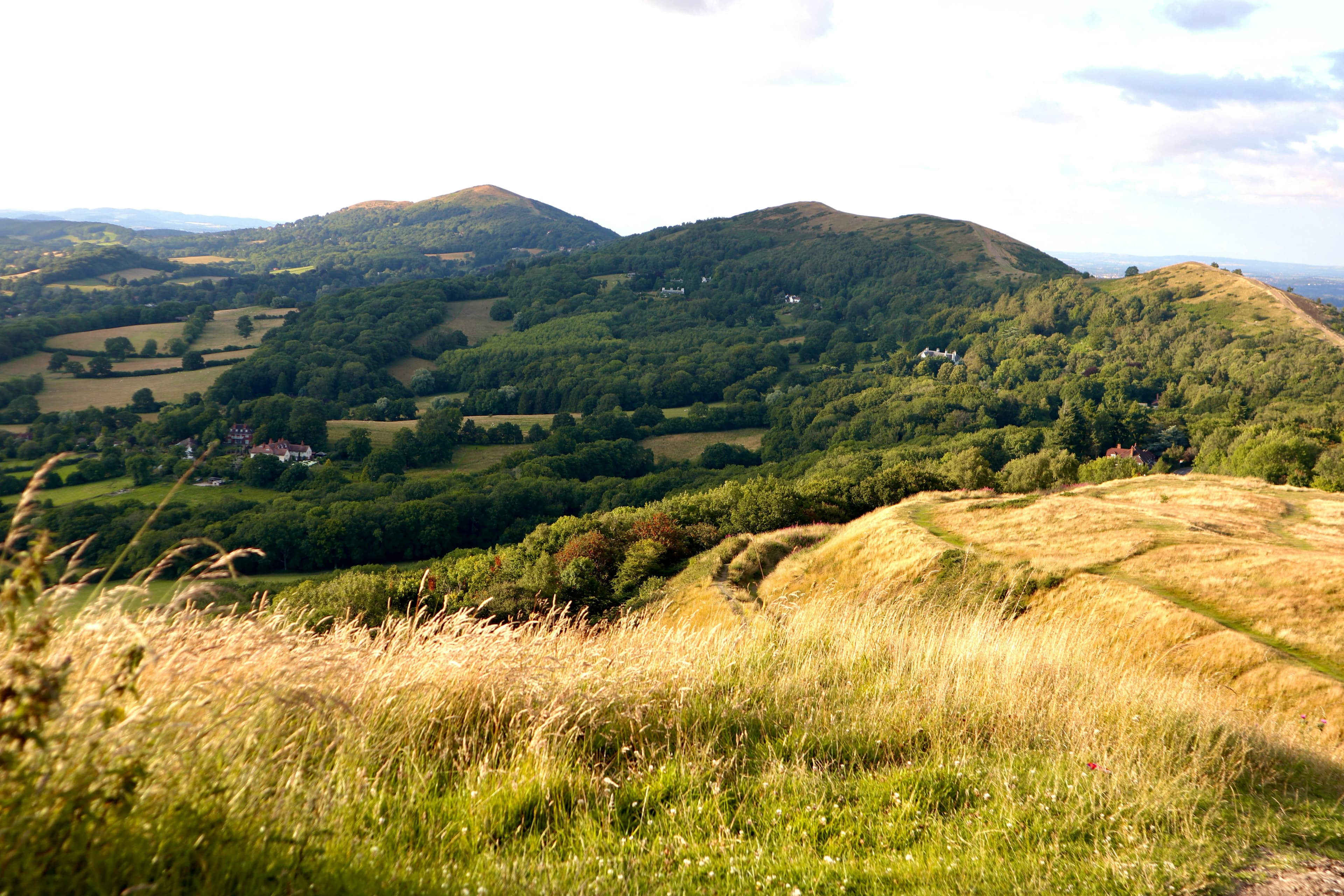
Herefordshire
10 hotels
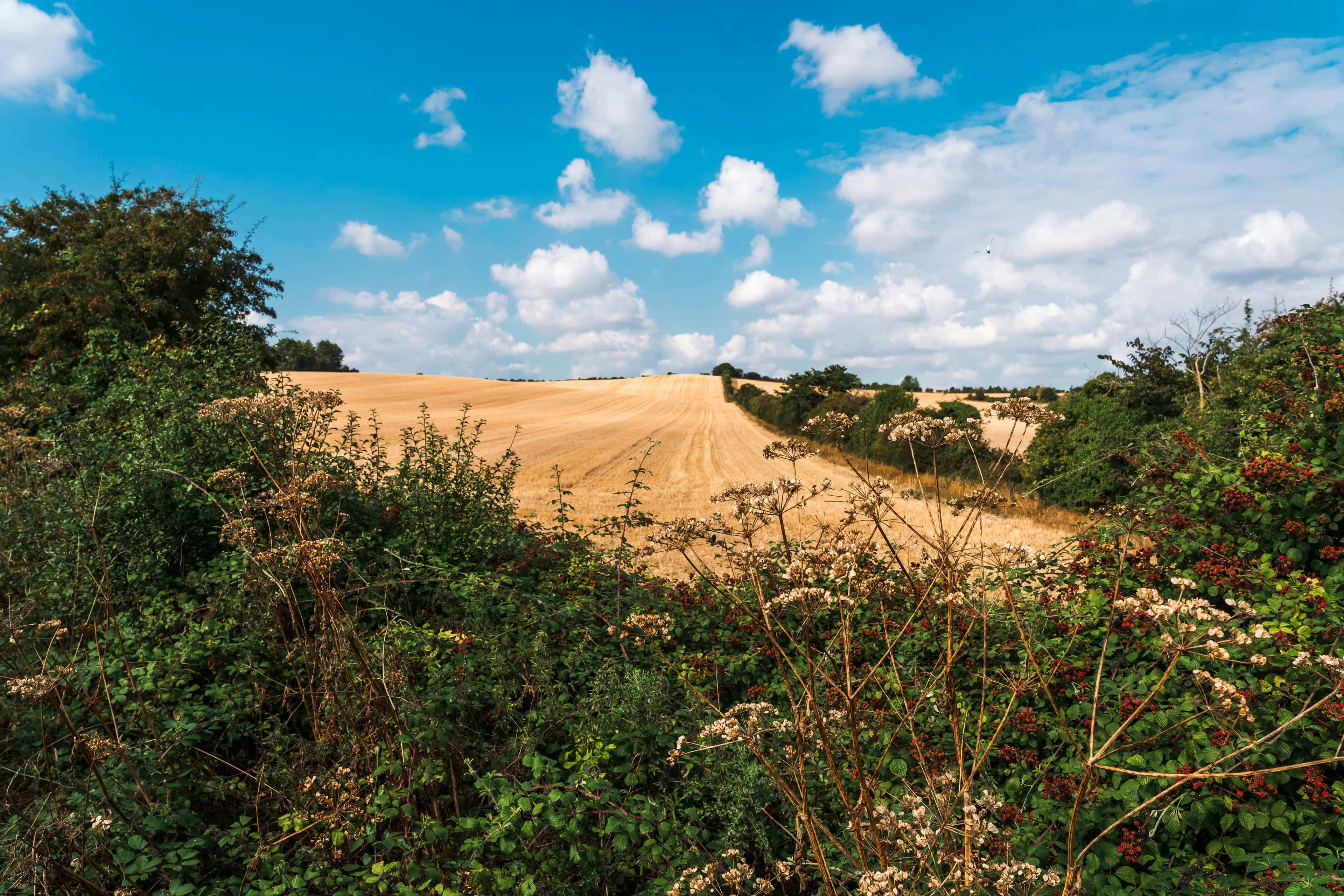
Hertfordshire
5 hotels
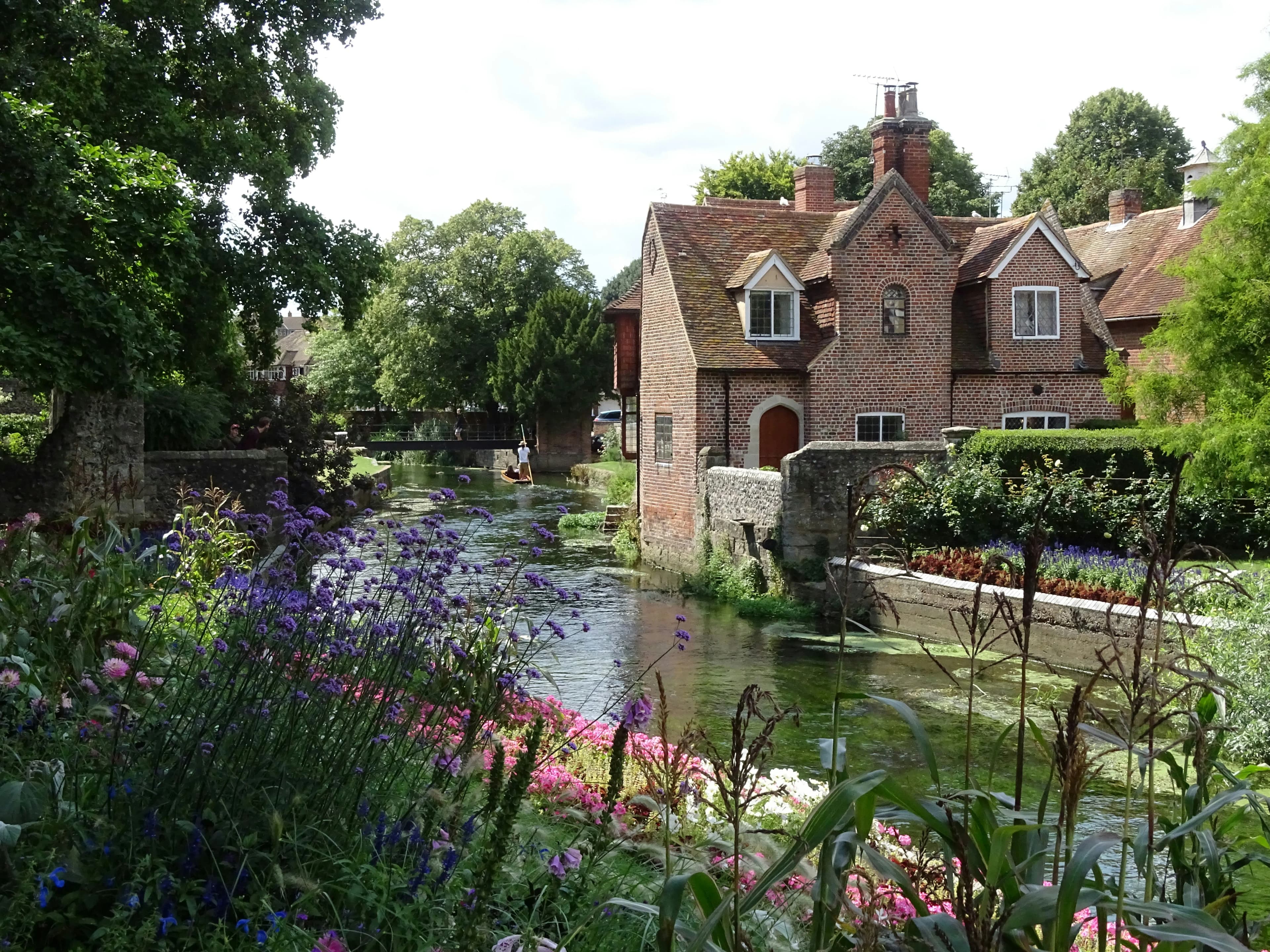
Kent
22 hotels
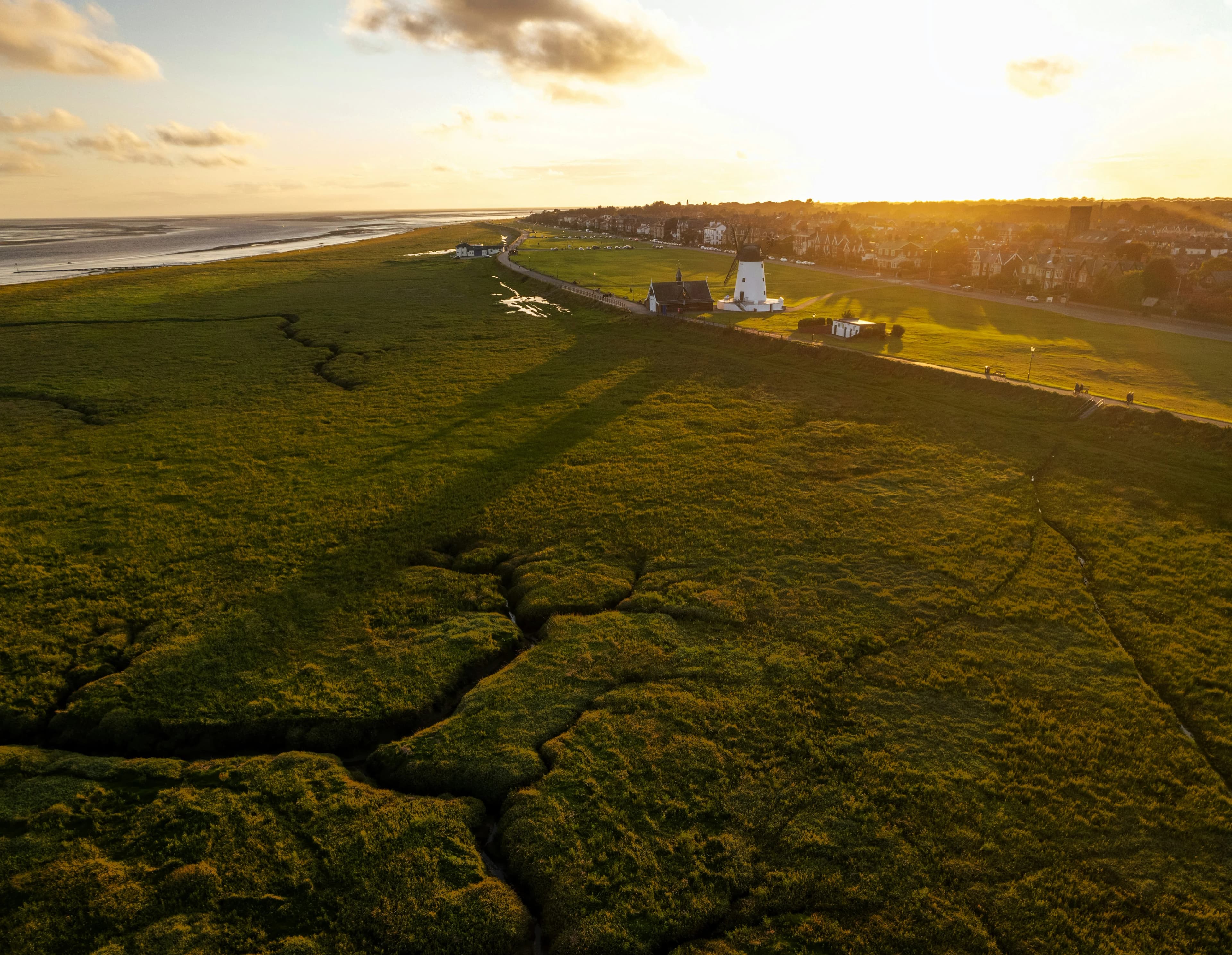
Lancashire
8 hotels
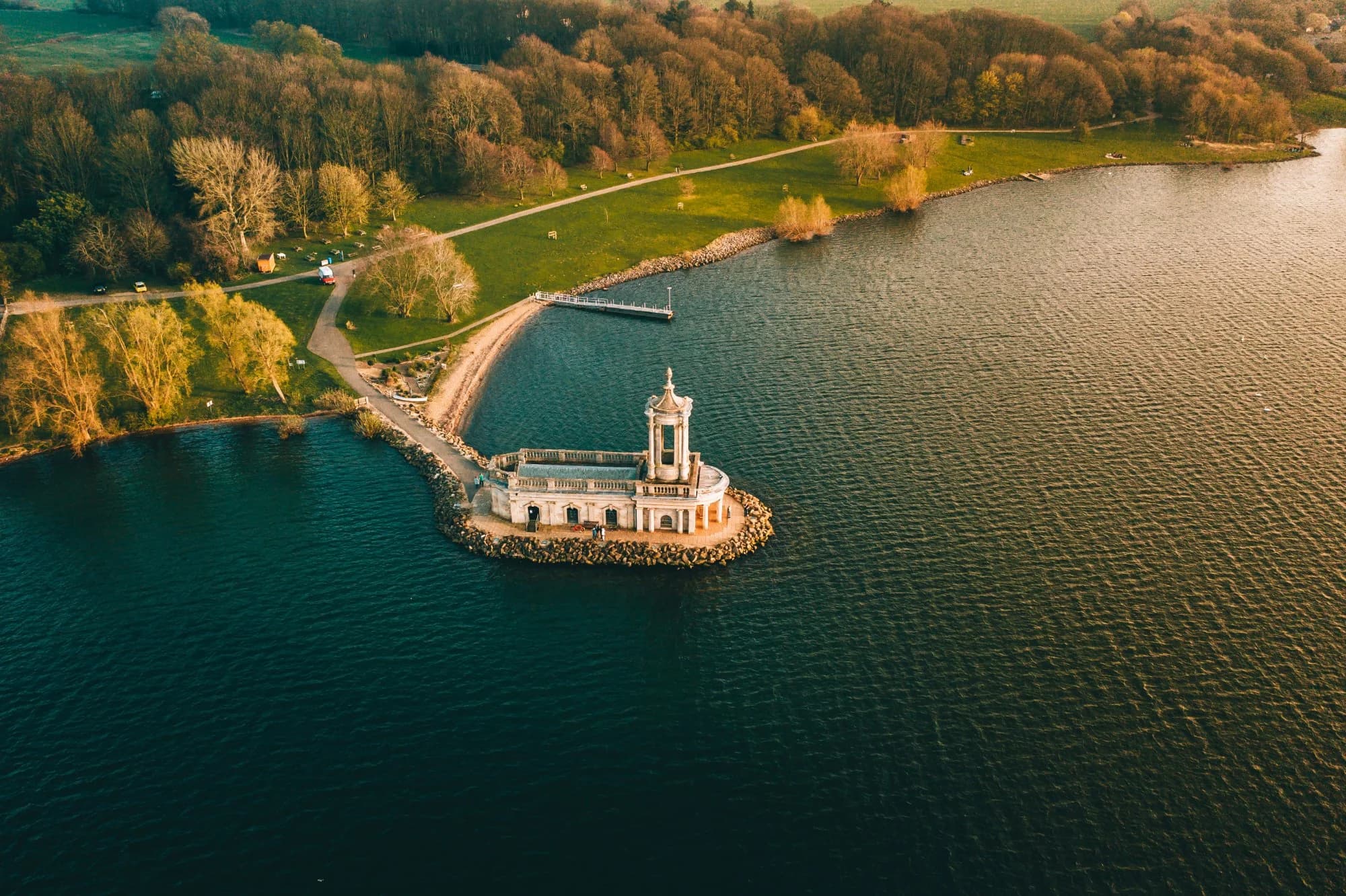
Leicestershire
11 hotels
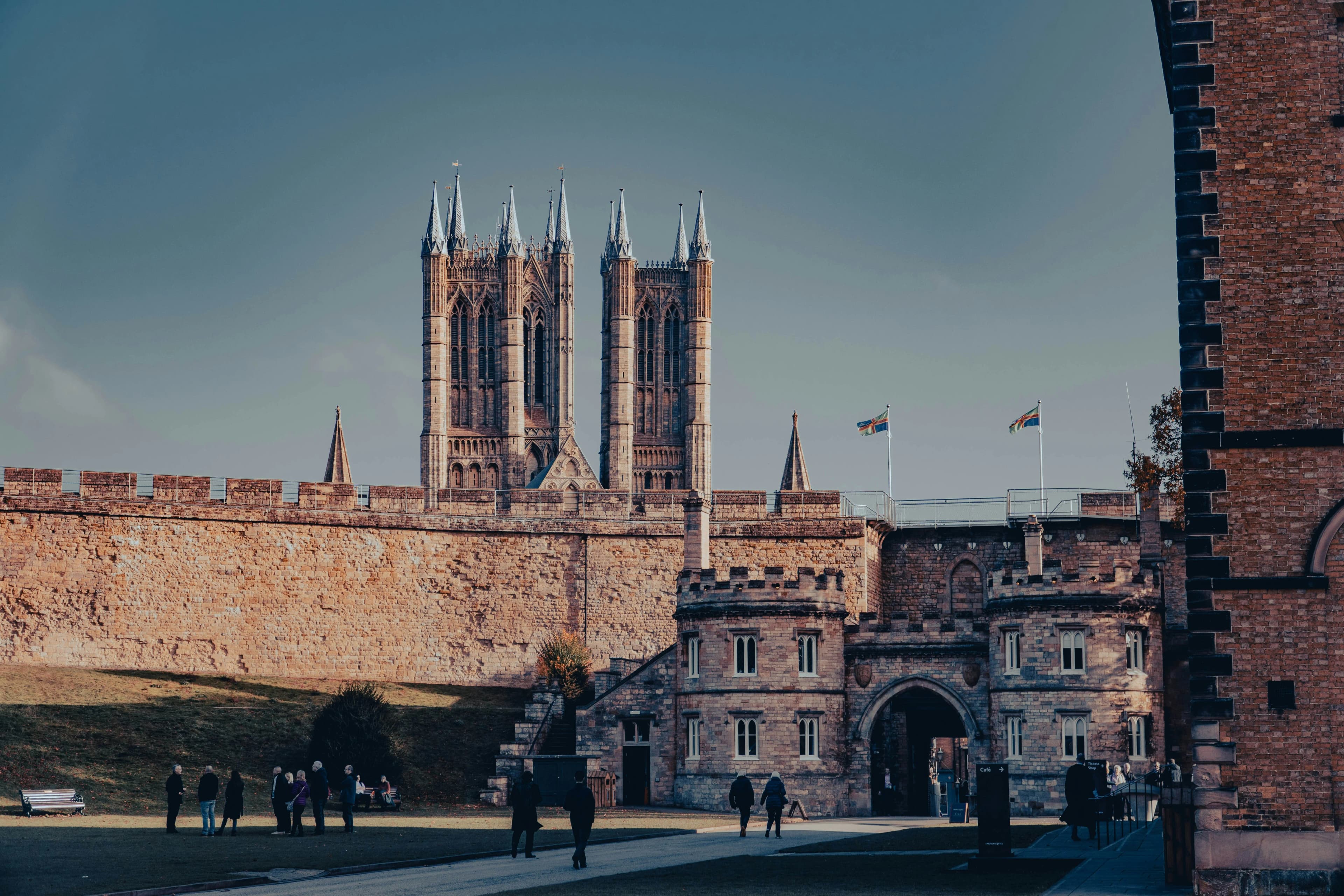
Lincolnshire
6 hotels
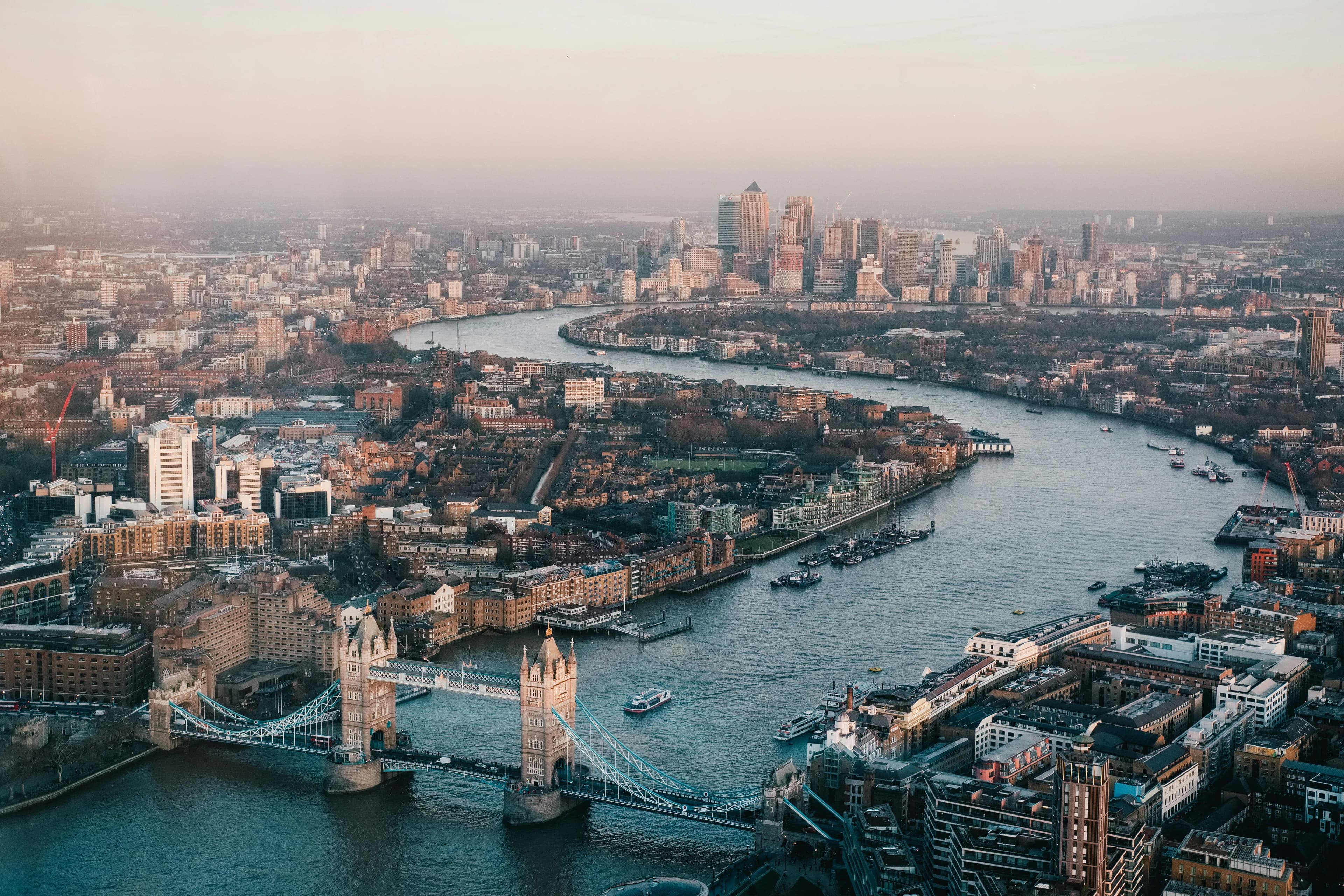
London
20 destinations / 133 hotels
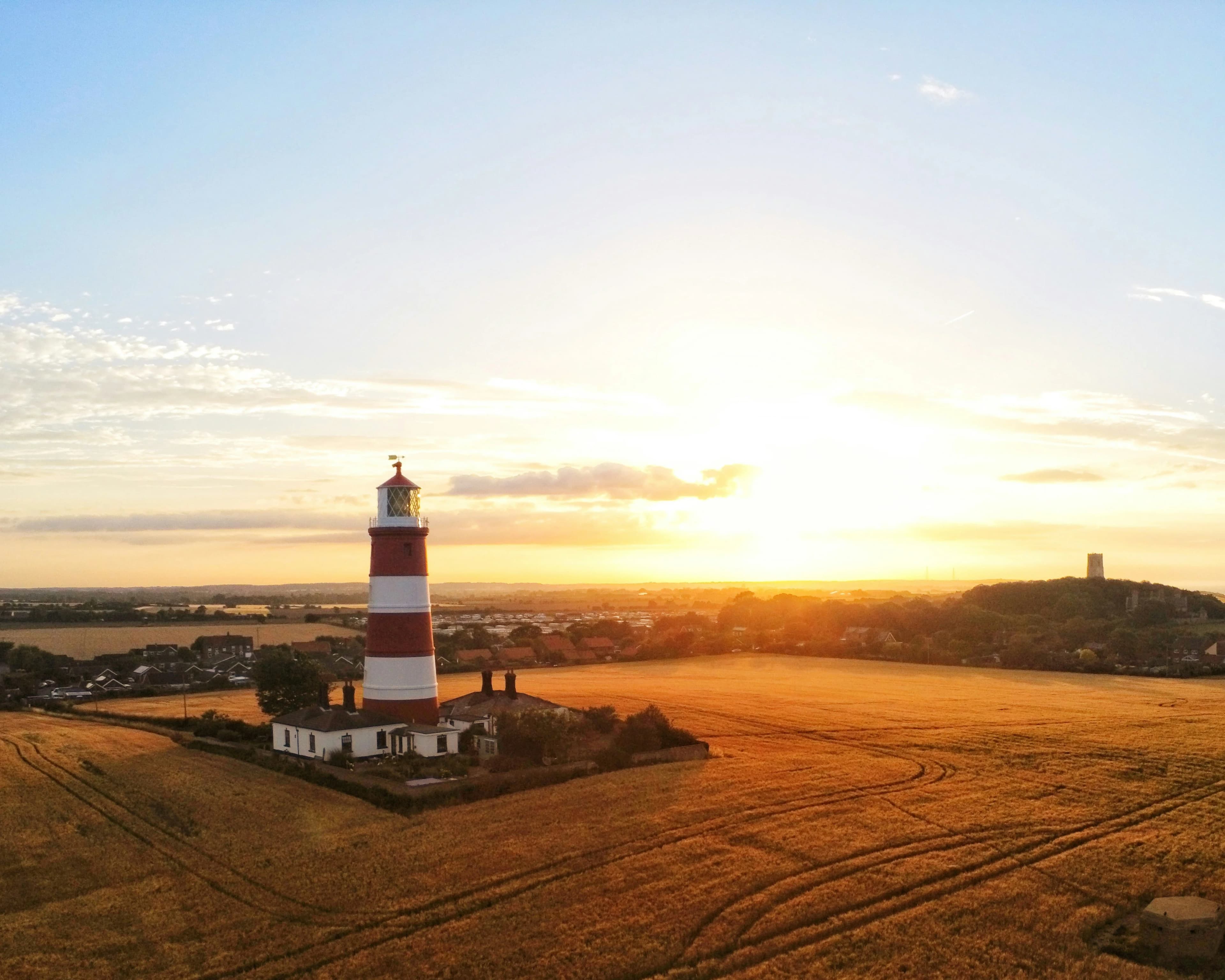
Norfolk
7 hotels
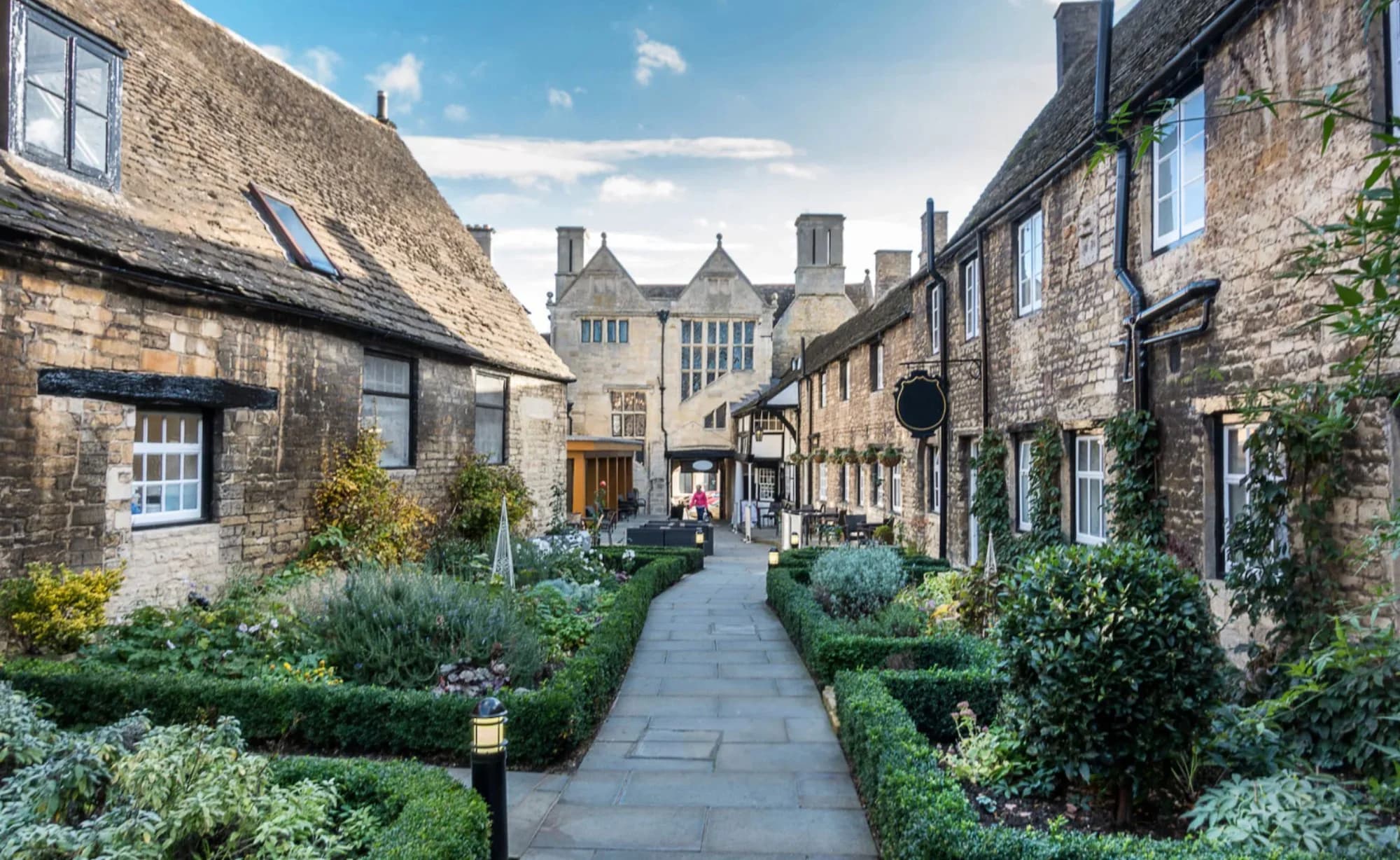
Northamptonshire
9 hotels
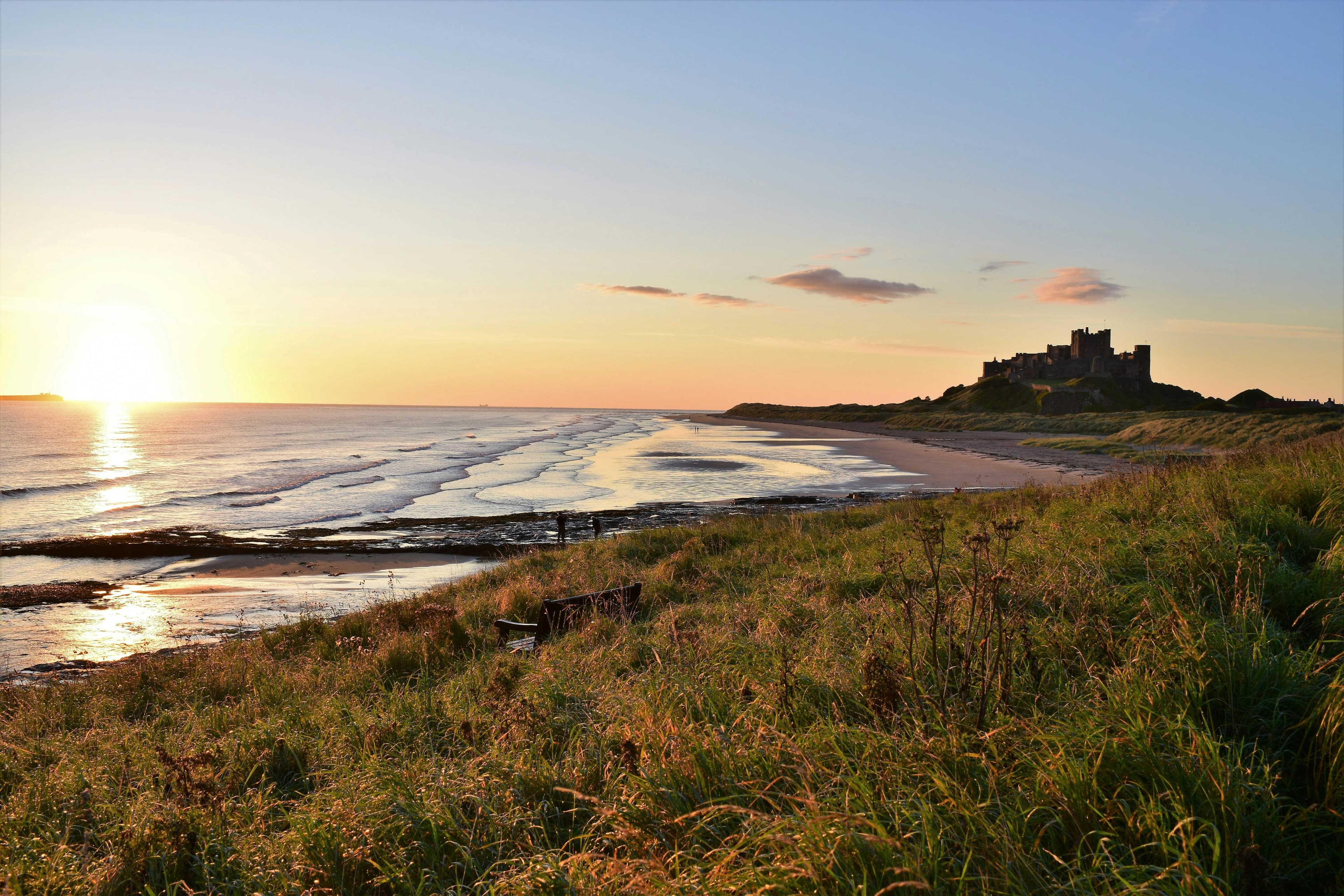
Northumberland
14 hotels
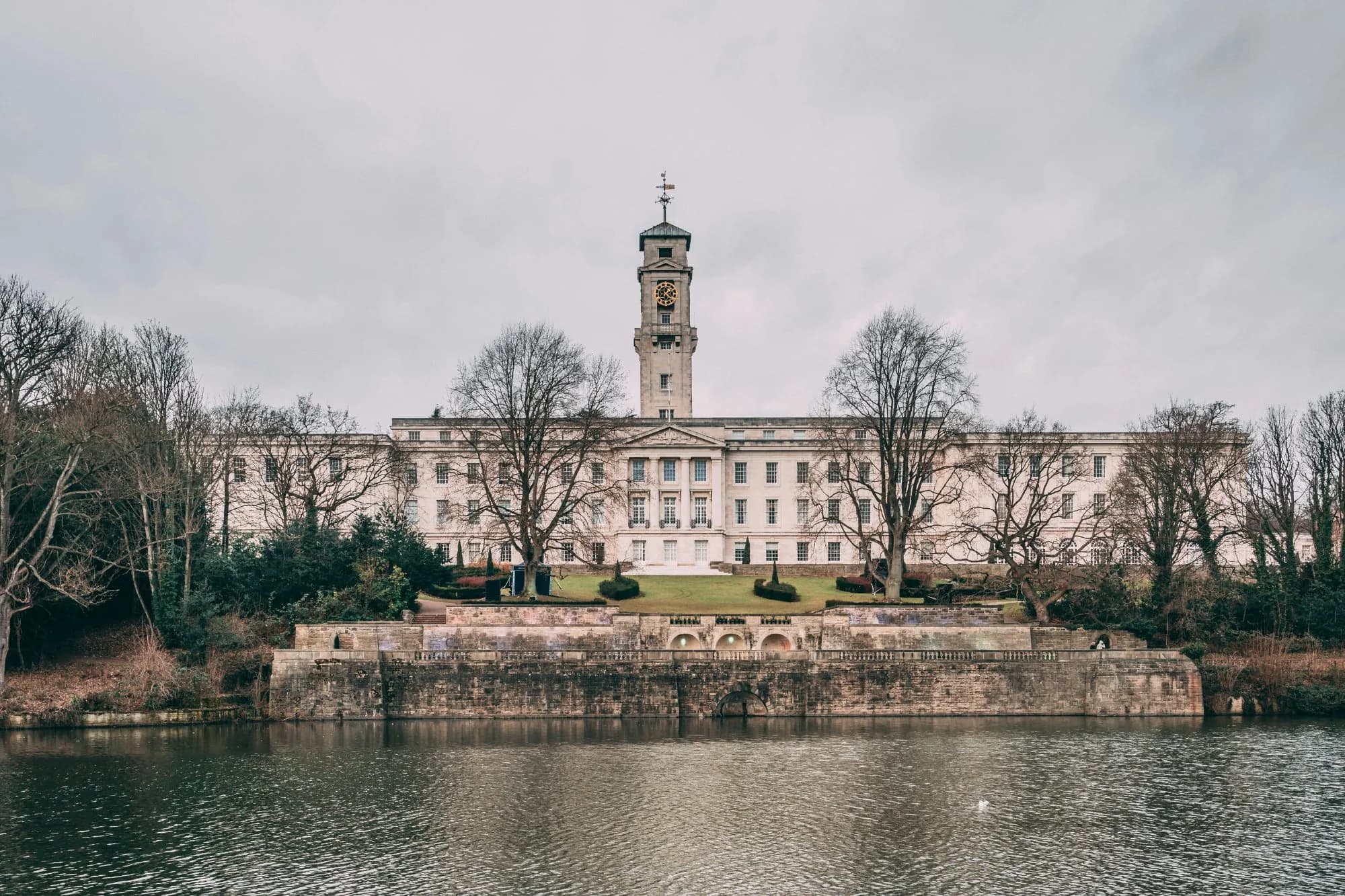
Nottinghamshire
3 hotels
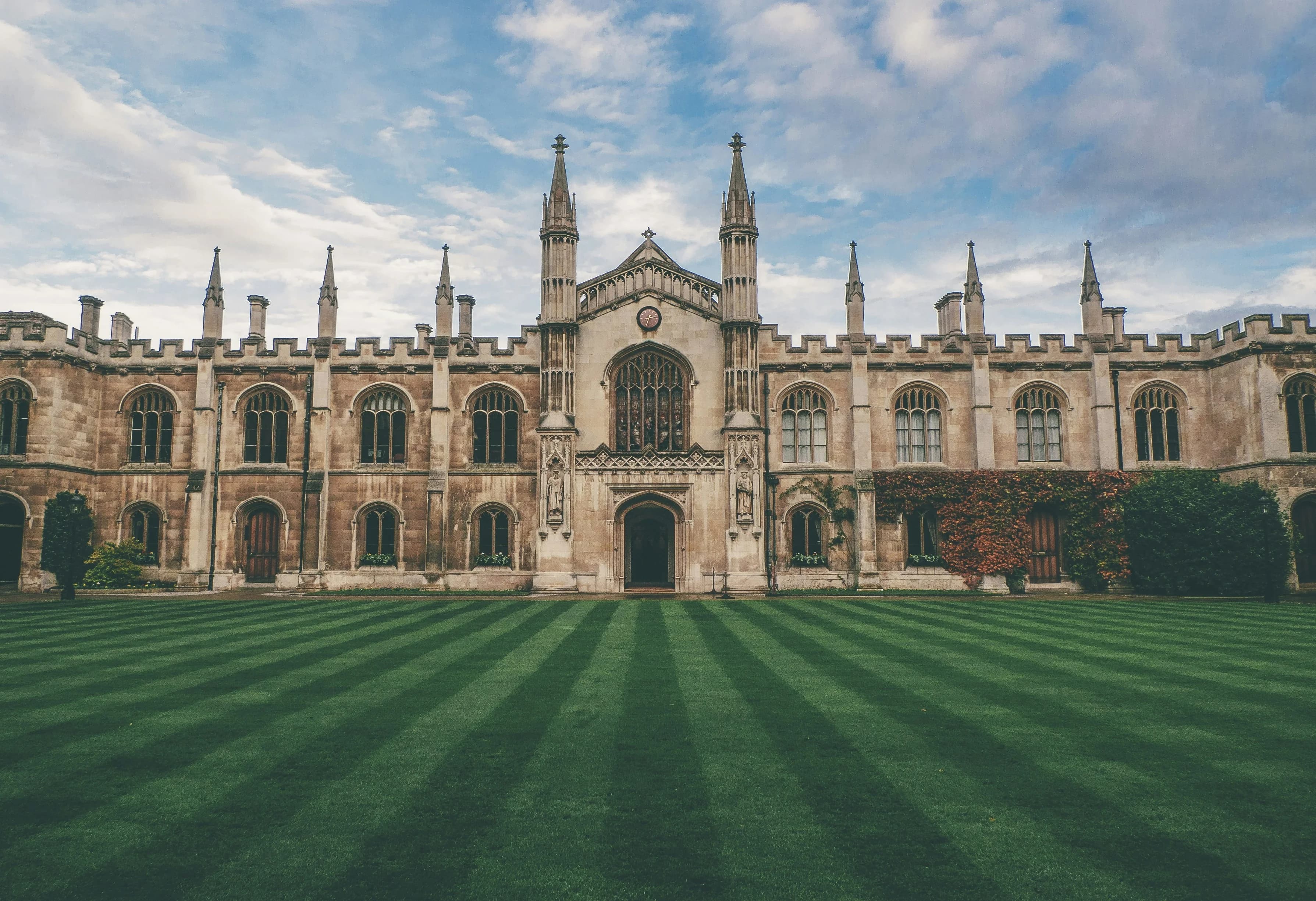
Oxfordshire
15 hotels
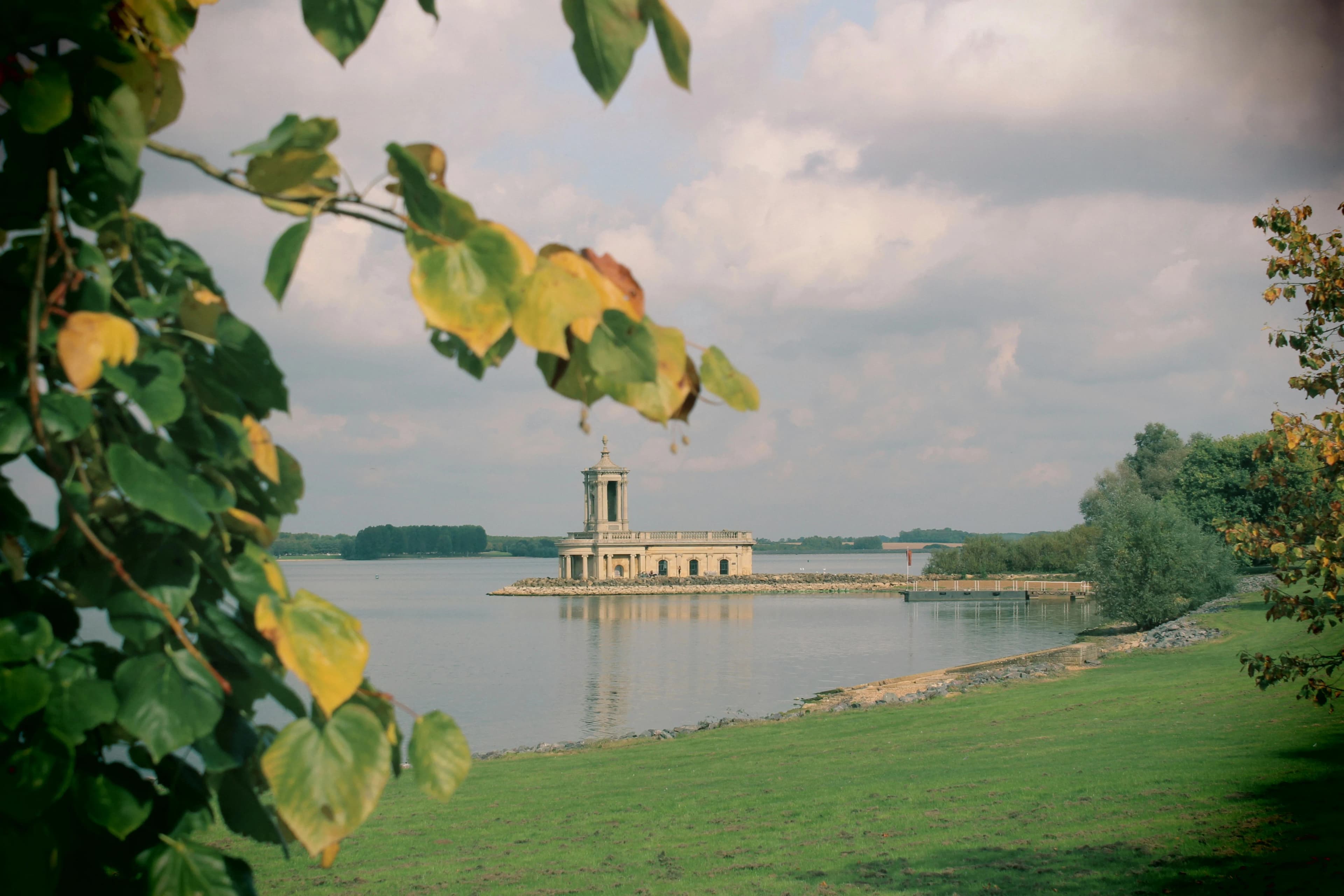
Rutland
4 hotels
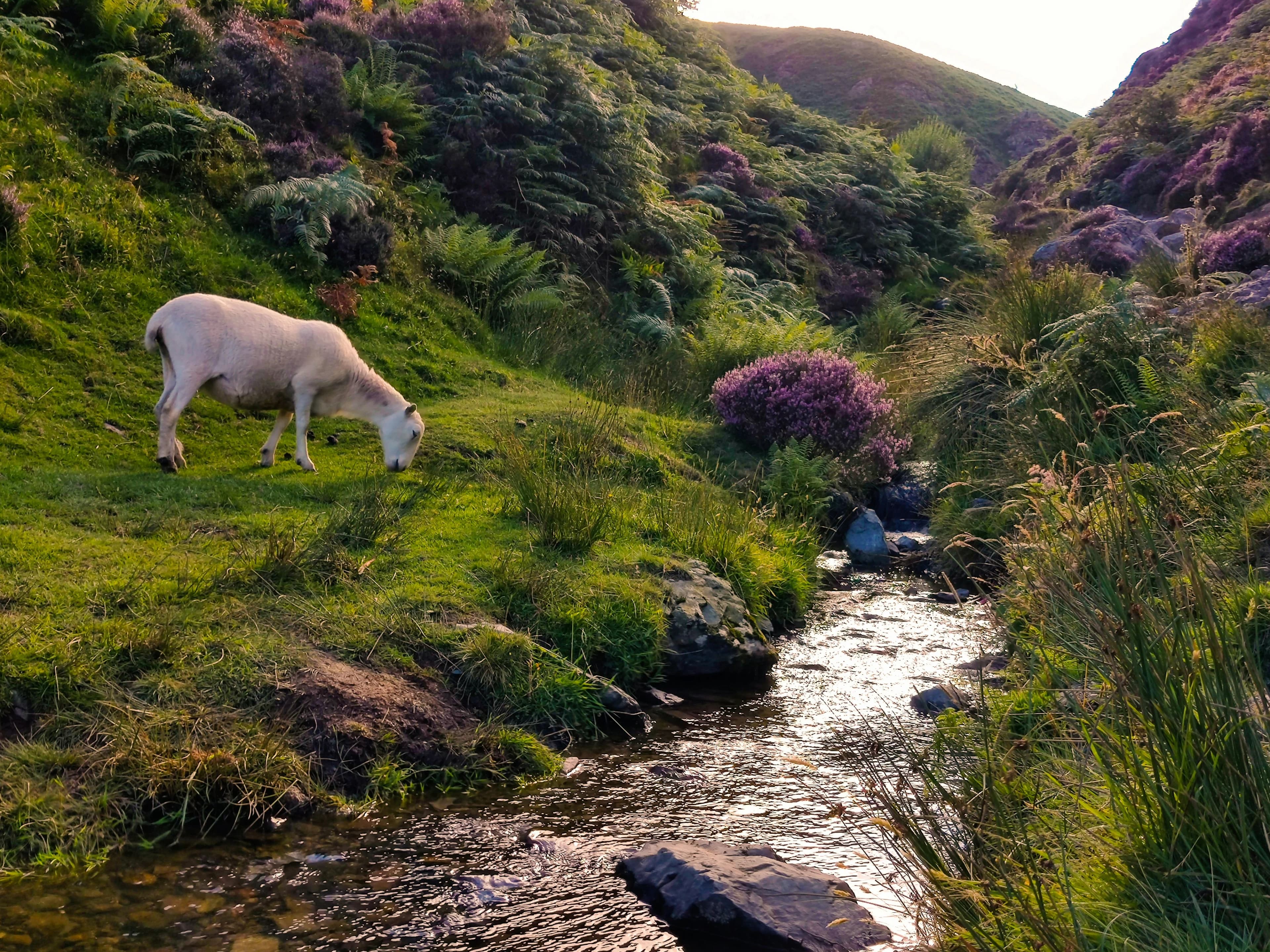
Shropshire
6 hotels
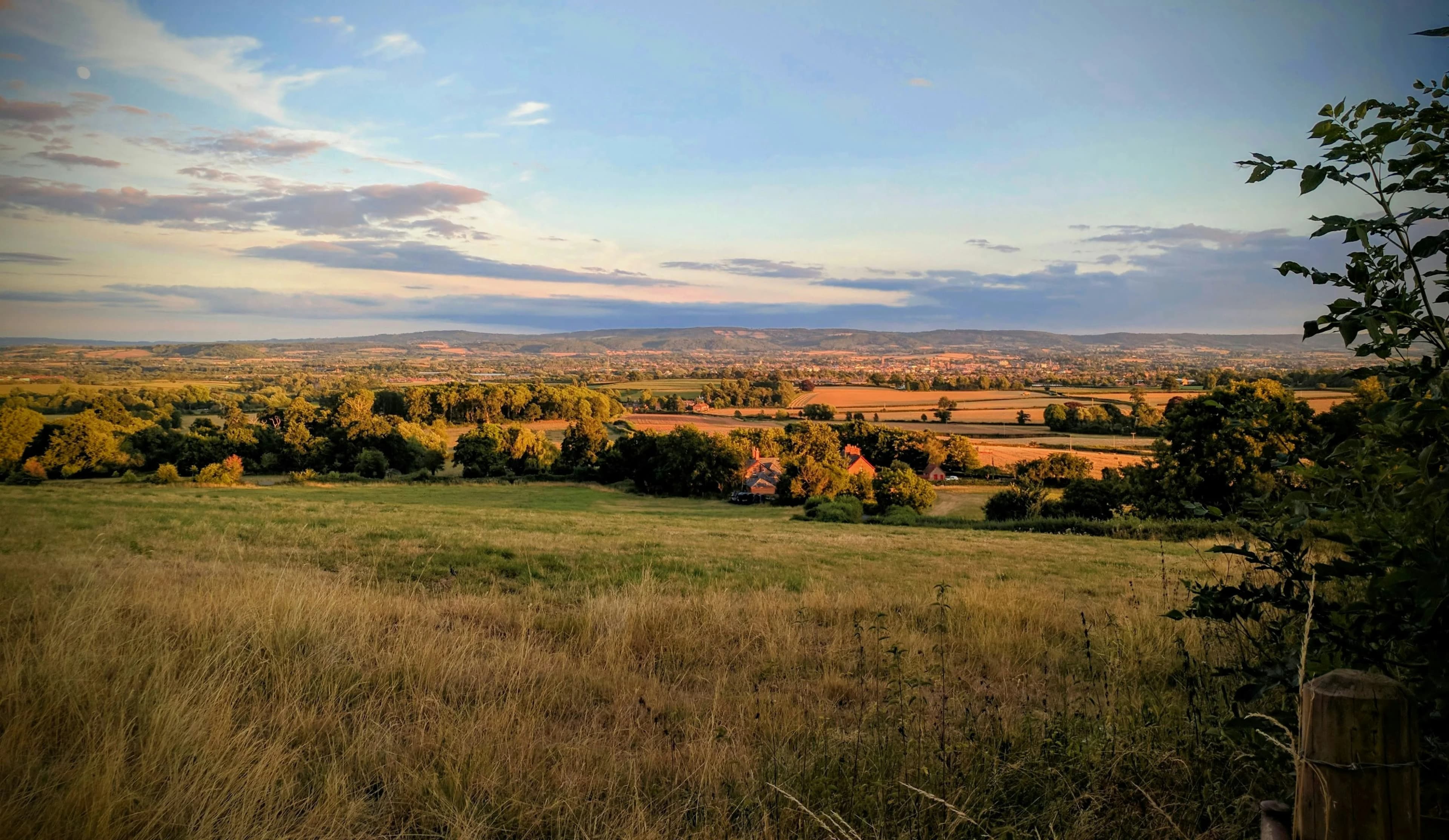
Somerset
8 hotels
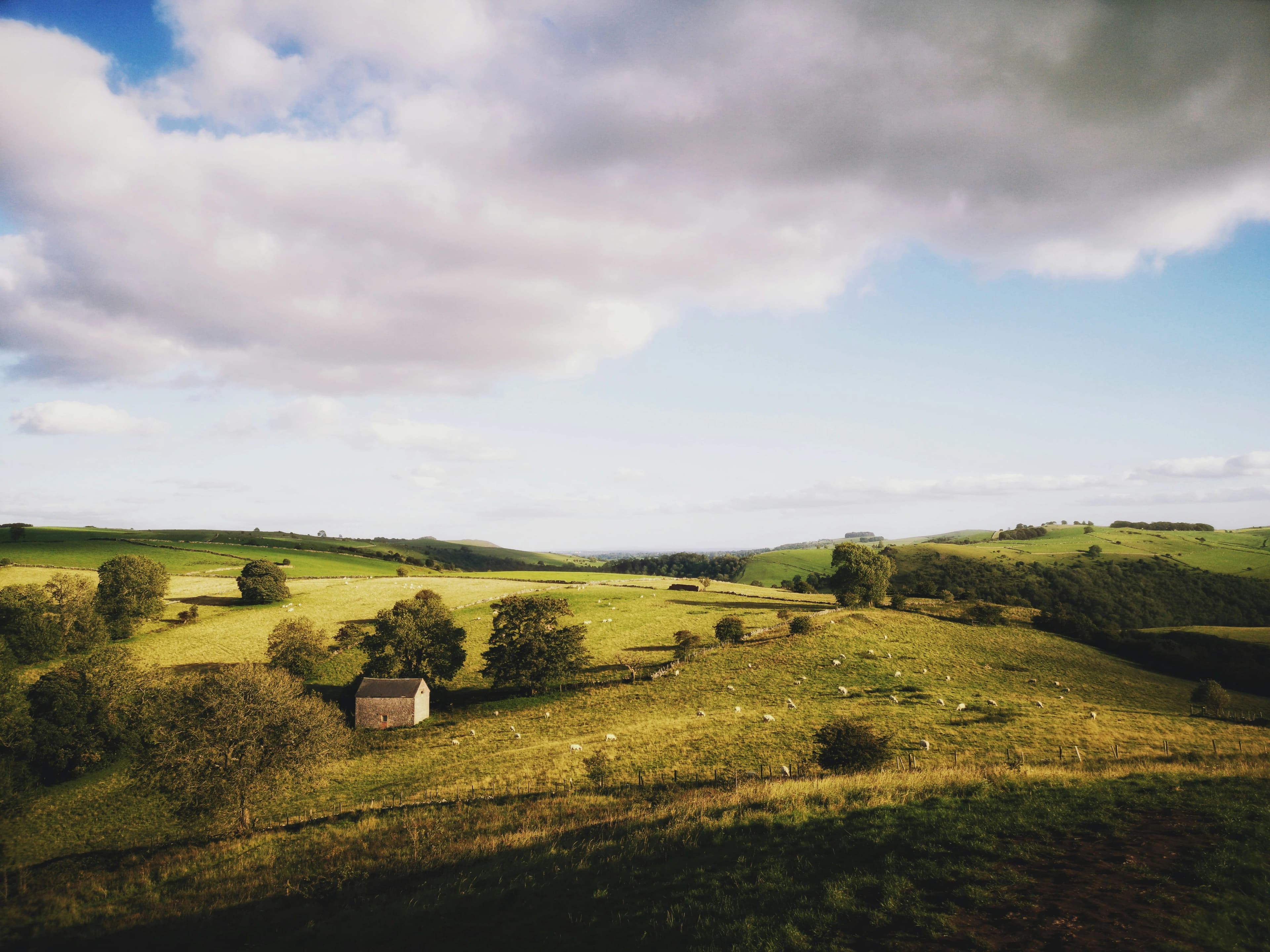
Staffordshire
4 hotels
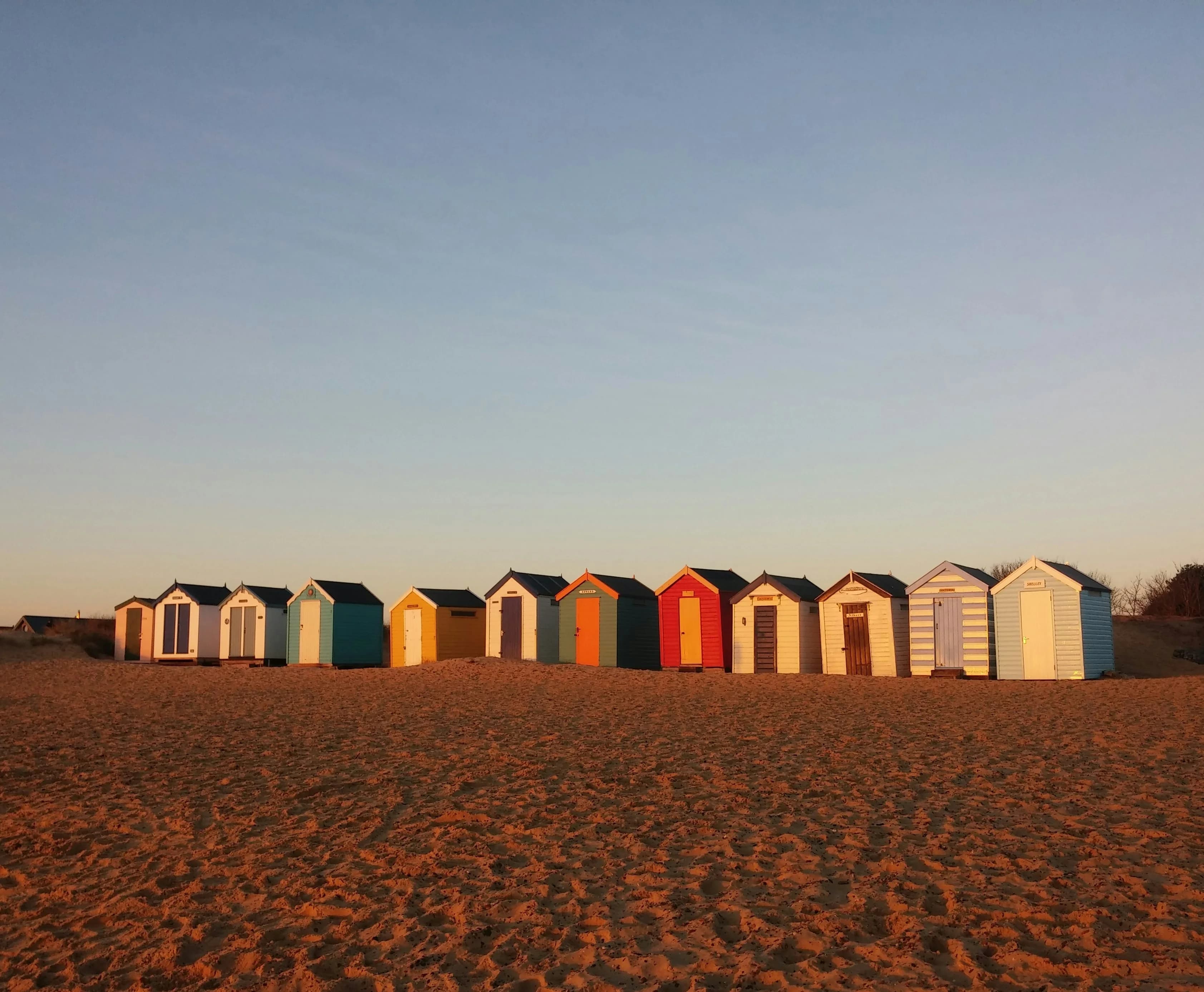
Suffolk
10 hotels
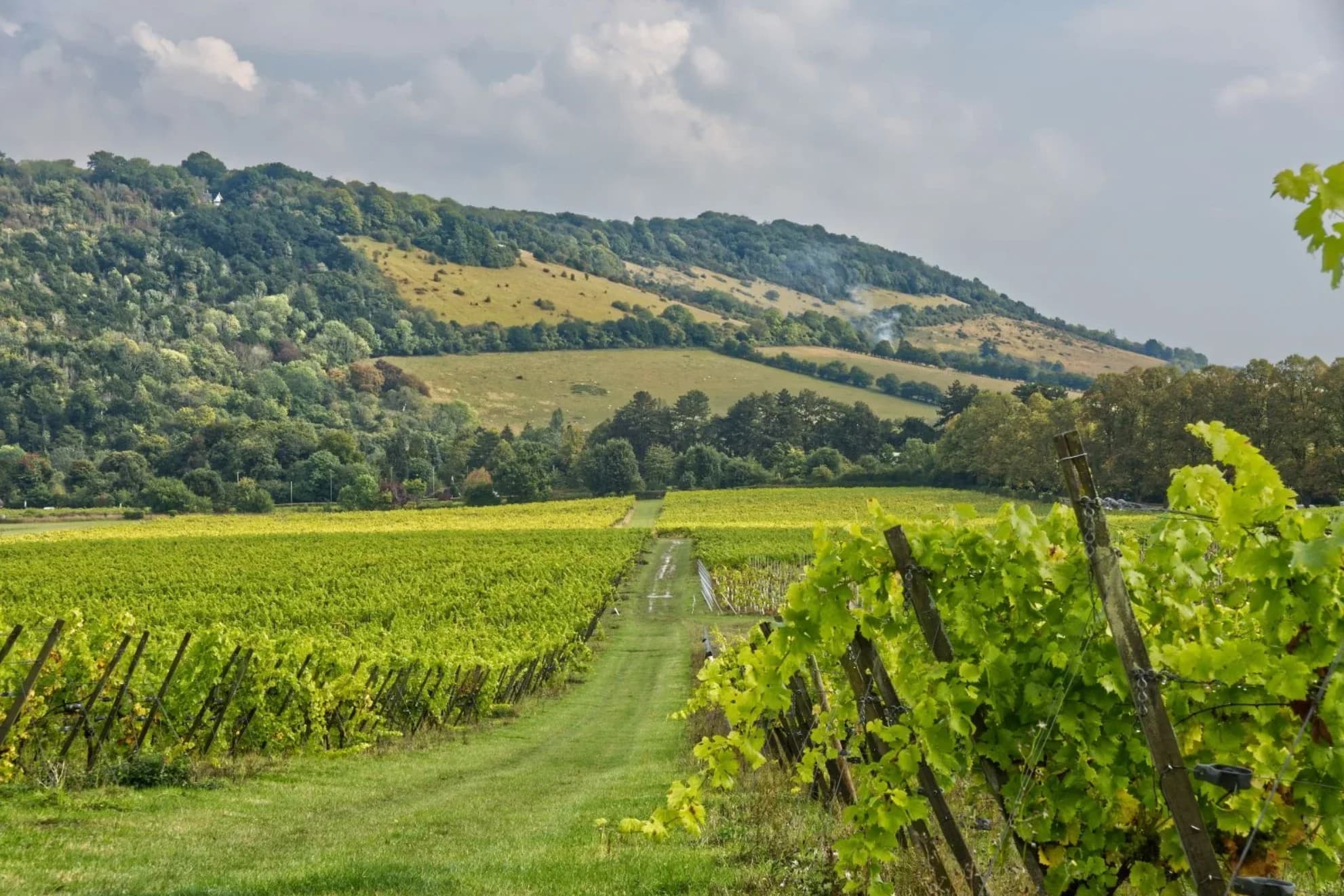
Surrey
15 hotels
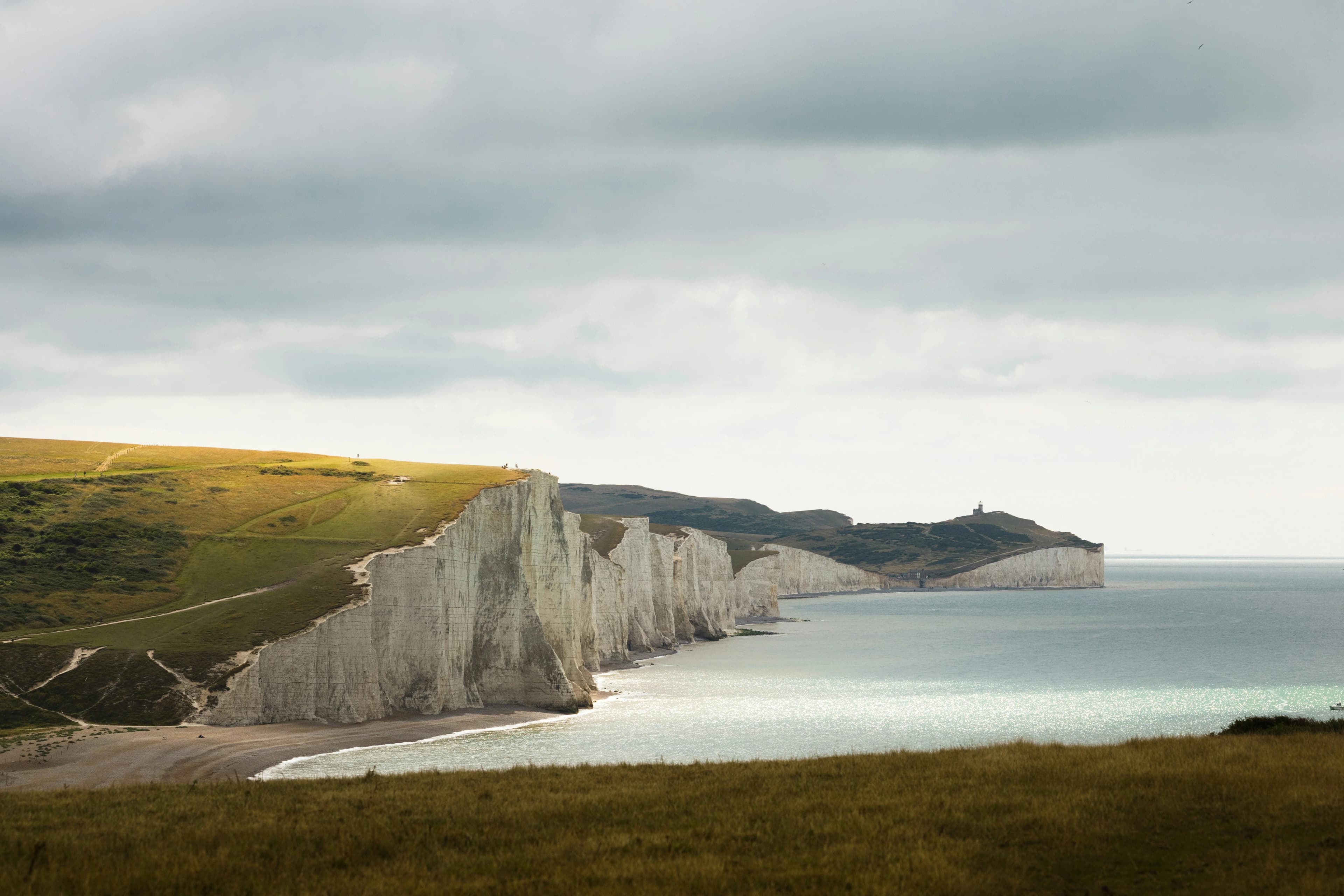
Sussex
33 hotels
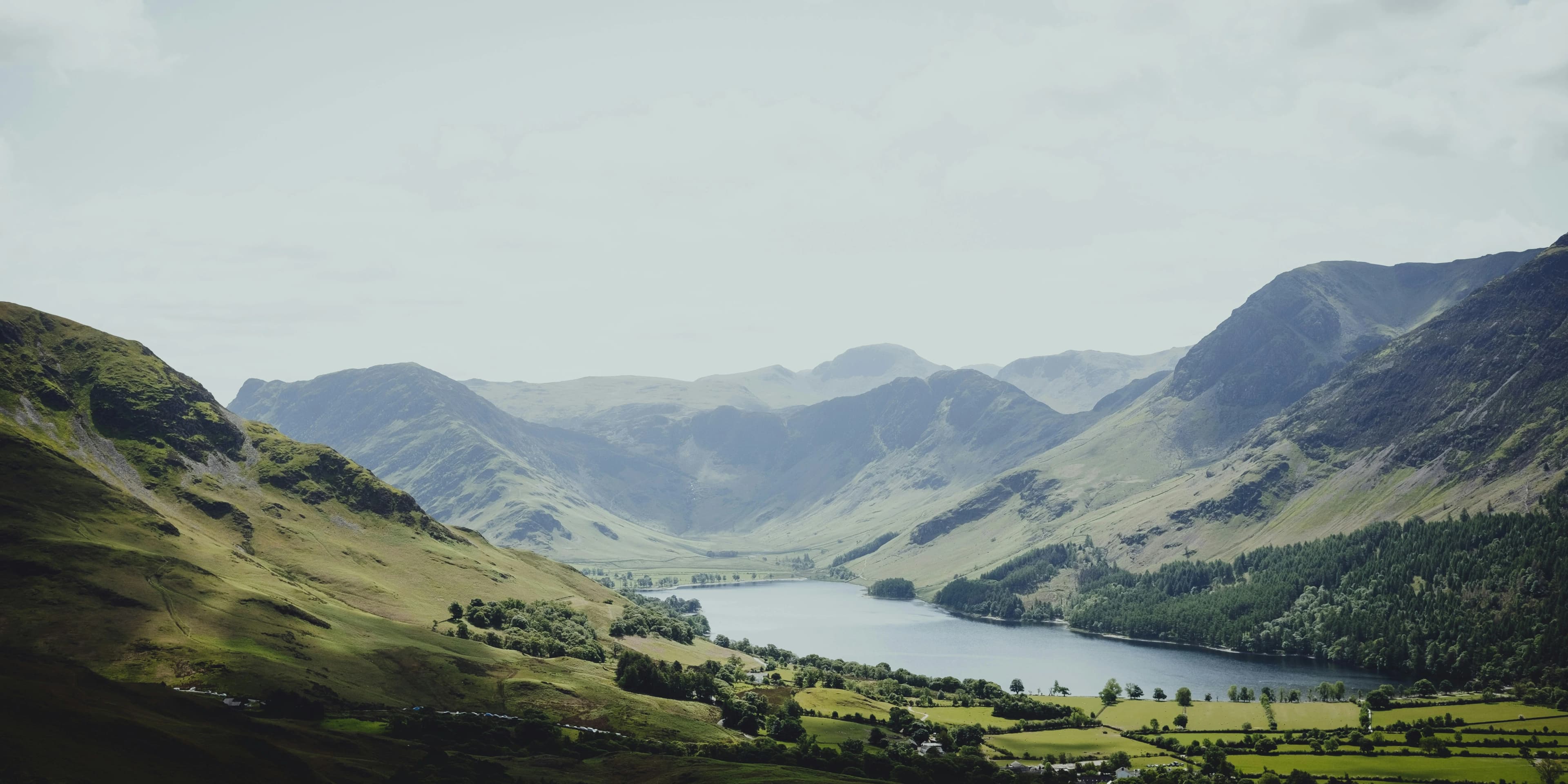
The Lake District
22 hotels
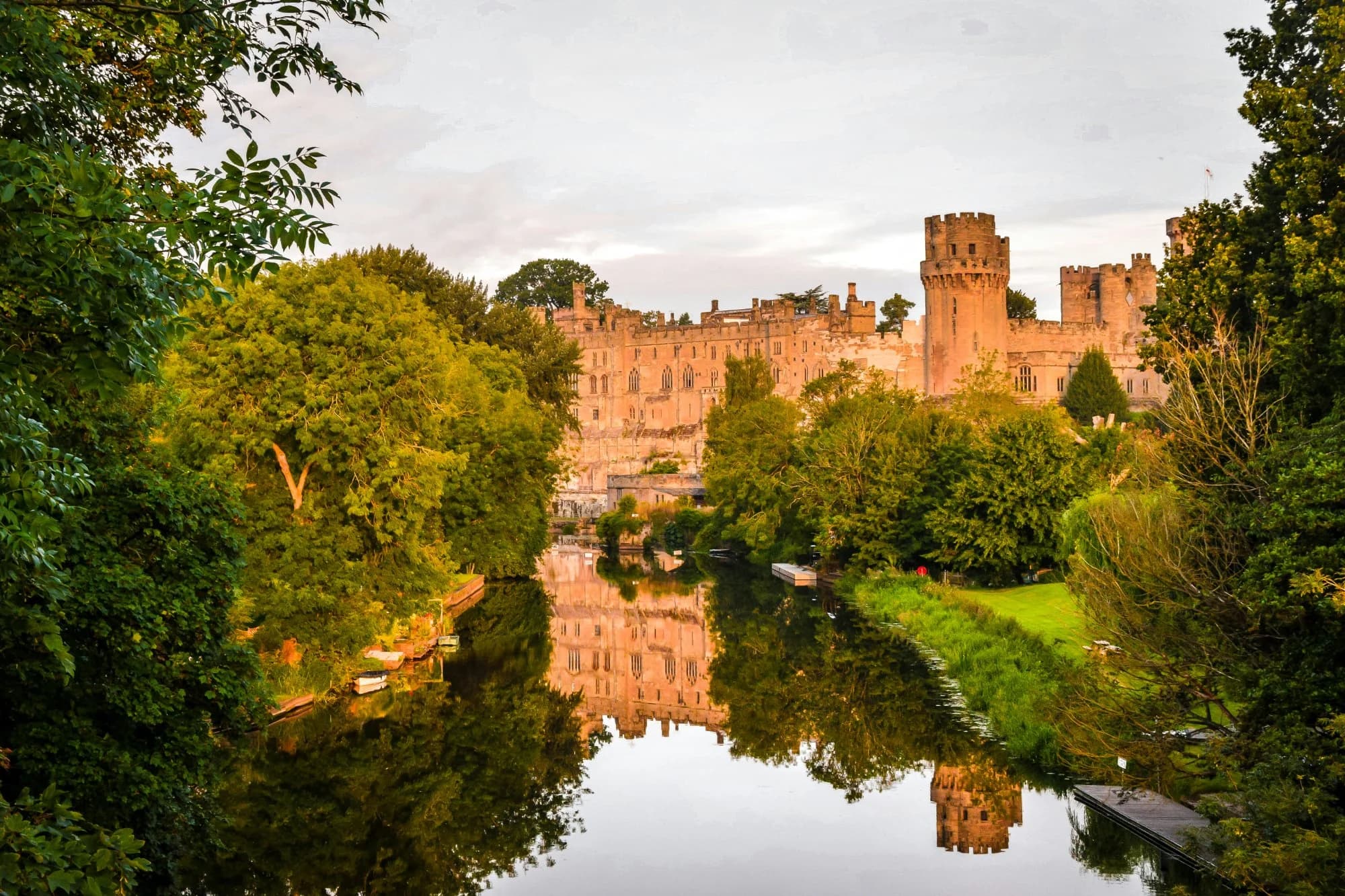
Warwickshire
13 hotels
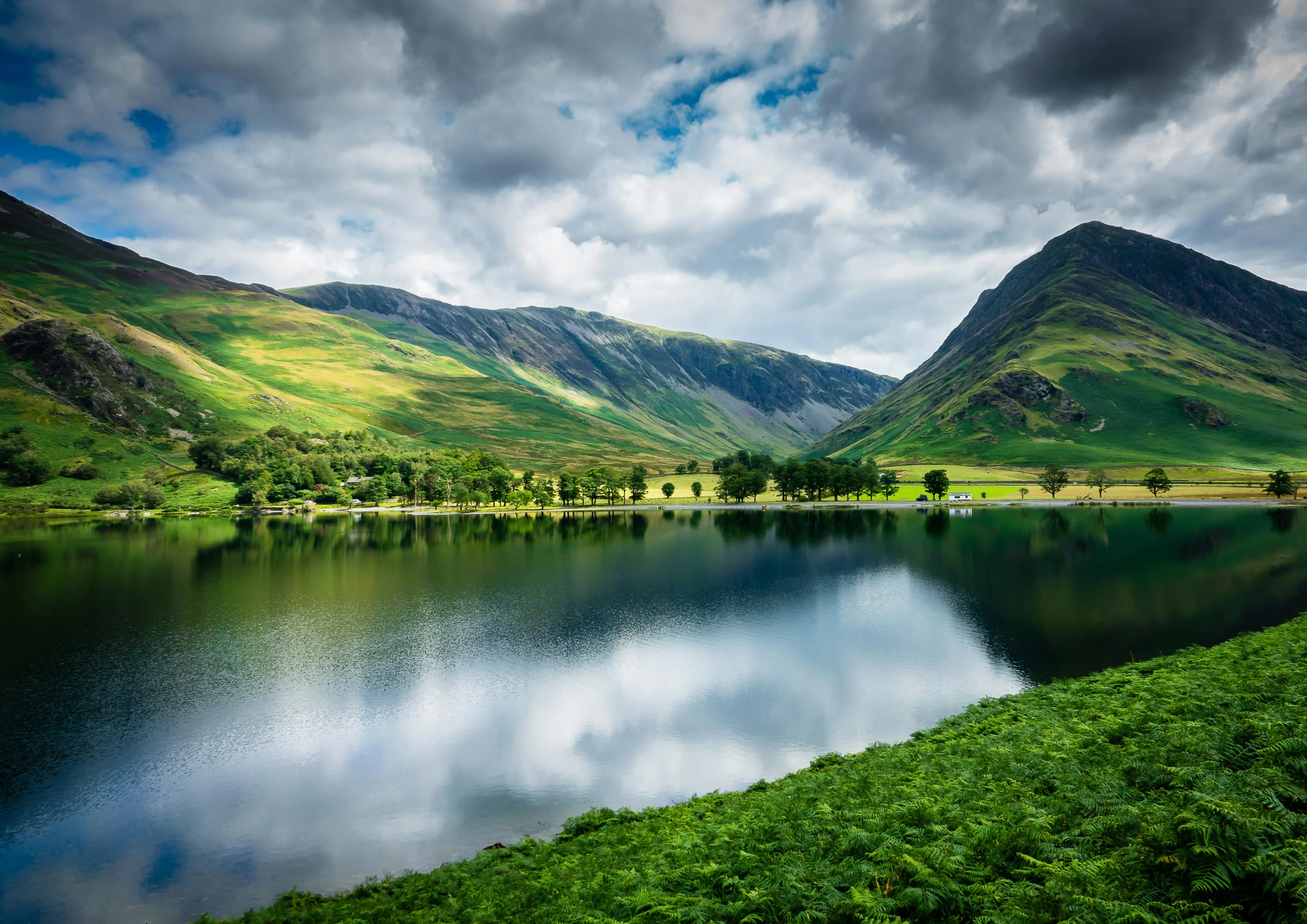
Westmorland
21 hotels
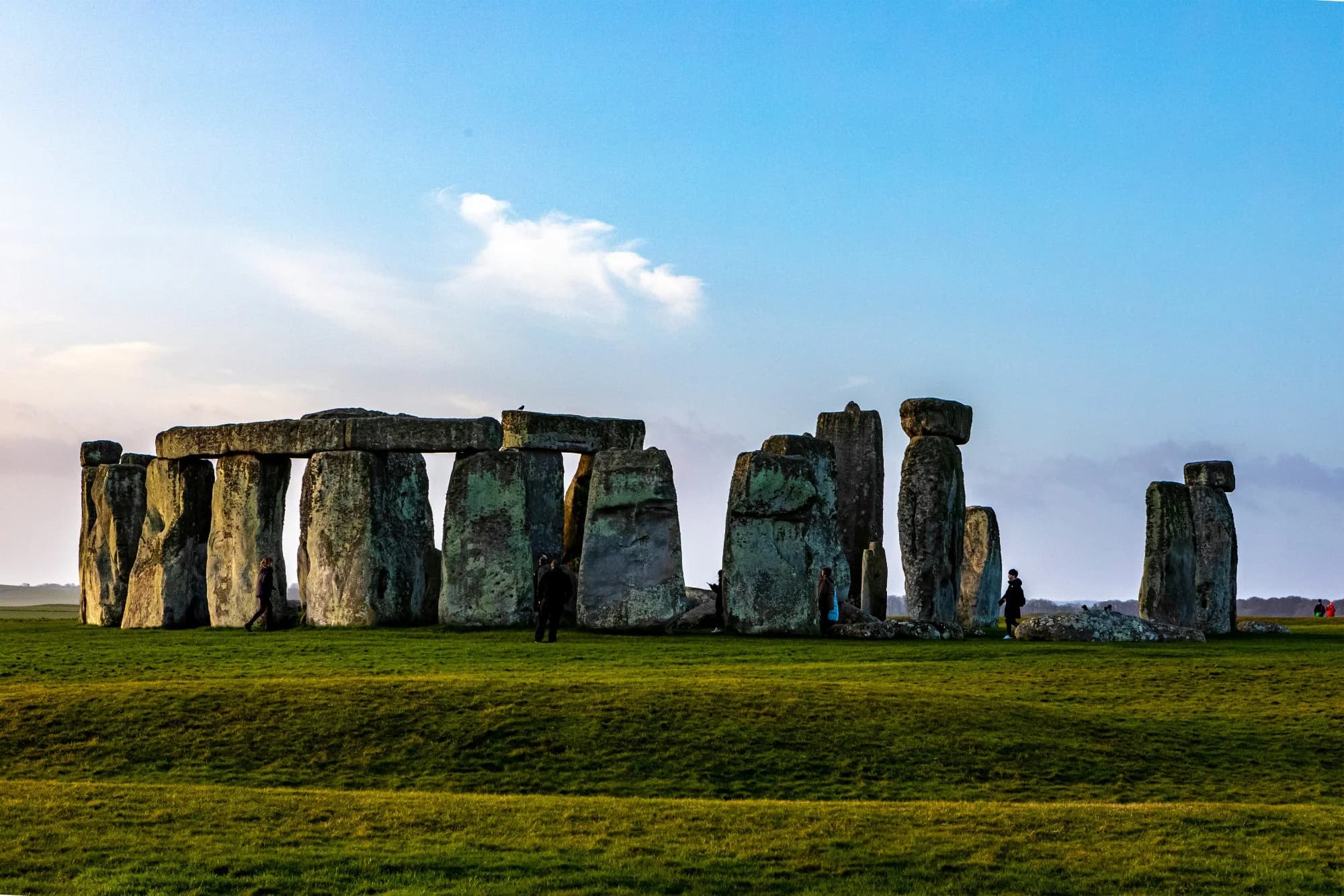
Wiltshire
10 hotels
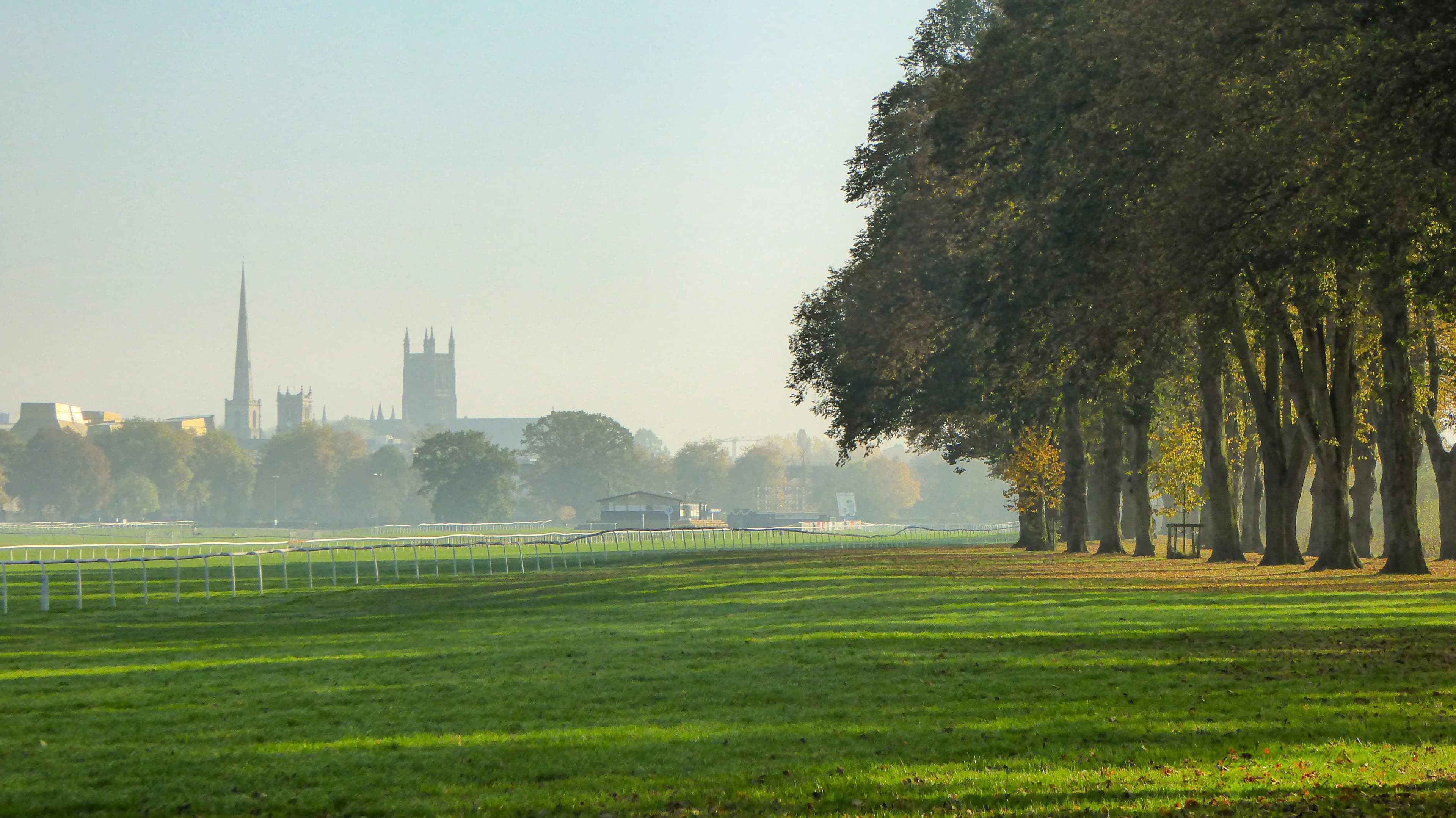
Worcestershire
6 hotels
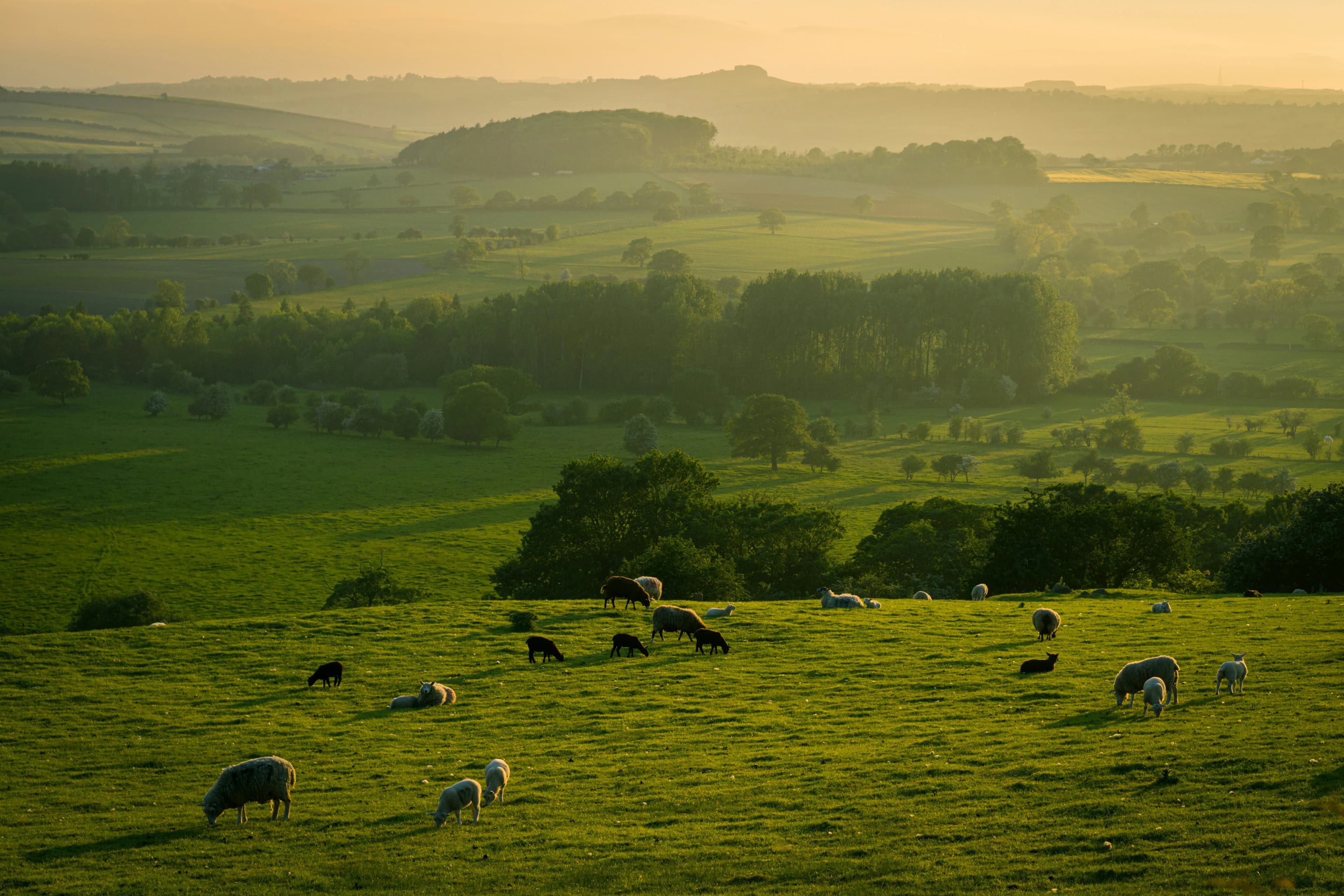
Yorkshire
39 hotels
Our latest articles about England

London / Butler Service: Inside the World of Butlers Behind English Excellence
The English butler represents far more than a service: it is aristocratic heritage reinvented in London's most prestigious suites. Between tradition and modernity, discover how London's palaces perpetuate this institution born in British country estates.
BY Jules Peulet

London / Frieze: Inside the suites where collectors and gallerists stay in Mayfair
Frieze transforms Mayfair into a temporary epicentre of the global art market. Collectors and gallerists choose their anchoring points within a defined perimeter, where the architecture of suites embraces the intellectual demands of the week. A clinical breakdown of the most sought-after addresses.
BY Jules Peulet
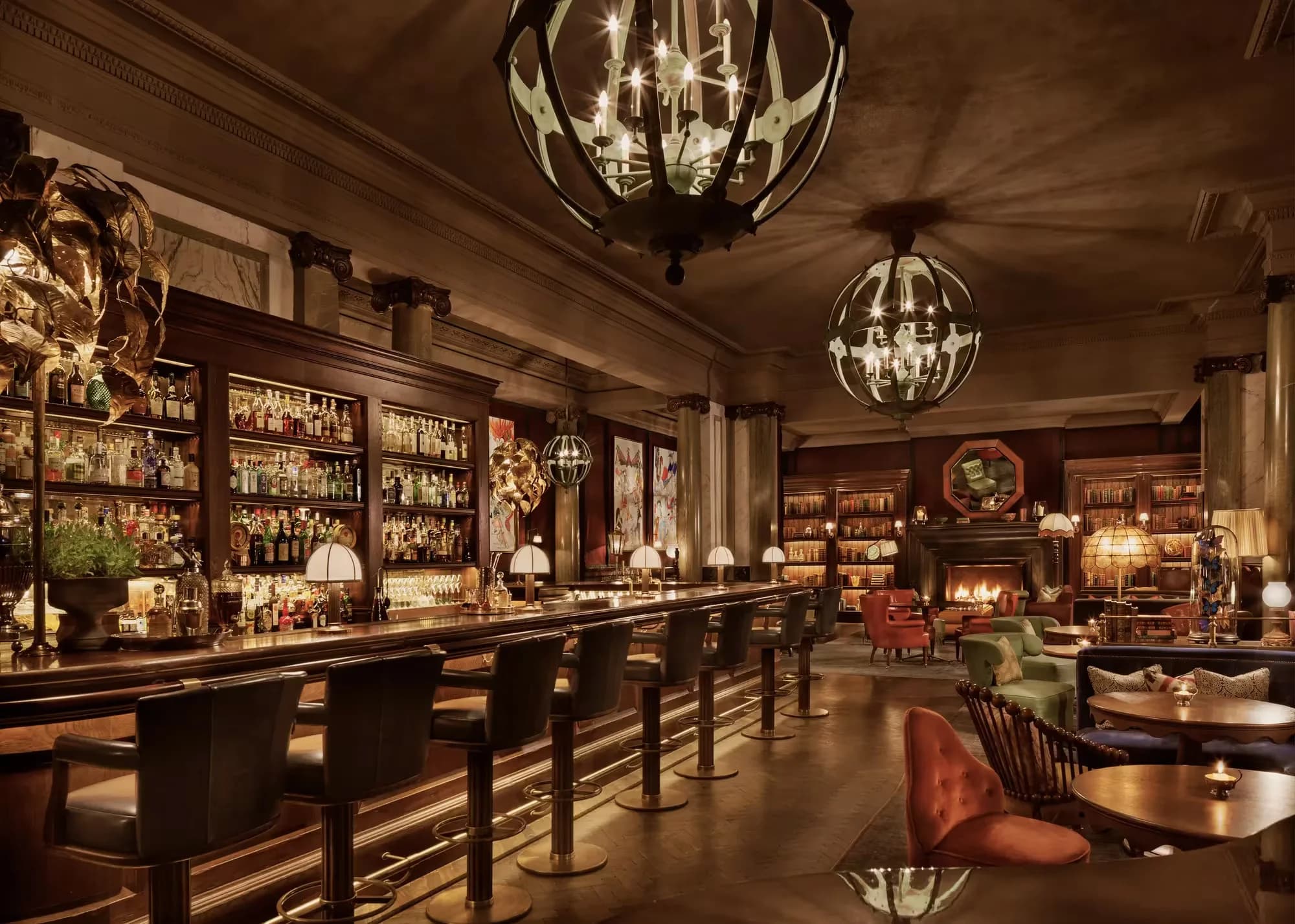
Lifestyle & Mixology: London's Best Hotel Bars for a Discreet Cocktail
London possesses a frenetic energy, a perpetual effervescence that defines its charm but which, at times, calls for escape. When fine rain begins to fall on the pavements of Mayfair or when night envelops Victorian facades, the discerning traveller no longer seeks the bustle of fashionable pubs or clubs. He seeks refuge. This is where the art of the London hotel bar truly reveals itself. More than merely a place of passage, the bar of a grand palace is a microcosm of power, elegance and secrecy. Pushing open the heavy, soundproofed doors of these sanctuaries is to indulge in the luxury of absolute discretion, over a perfectly balanced cocktail. Forget the well-trodden addresses where one must raise their voice to be heard. In our perpetual quest for the art of living "La Suite", we have selected five hushed havens, five exceptional hotels harbouring the most confidential and masterful bars in the British capital.
BY Jules Peulet
Where to stay in England: distinct areas for luxury suite travel
London
The capital concentrates the highest density of five-star hotels in England. The most established luxury corridors run through Mayfair, Knightsbridge, and Belgravia, where Georgian and Victorian facades contain suites of considerable scale. Kensington and Chelsea offer a quieter residential register. Marylebone and Covent Garden attract a more design-forward clientele. Each district has its own tempo, and the suite you select should reflect how you intend to move through the city.
The Cotswolds
The Cotswolds operates as England's premier rural luxury destination. Properties here tend to occupy converted farmhouses, manor houses, and mill buildings in villages of oolitic limestone. The aesthetic is restrained and agricultural in origin, refined in execution. Guests come for the walking, the antique trade, and the particular quality of light on open countryside.
Cornwall
Cornwall's luxury hospitality is defined by its coastal position. Suites here are oriented toward Atlantic light, cliff-edge gardens, and the proximity of working fishing harbours. The county has a strong food culture built around seafood, and several properties have invested significantly in spa and wellness facilities. It functions as England's answer to a coastal retreat without leaving the country.
Yorkshire
Yorkshire delivers a more rugged register. Country house hotels in the Dales and North York Moors occupy estates with long histories, some dating to the medieval period. The suites tend toward generous proportions, open fireplaces, and views across moorland. The county also contains several spa hotels built around natural thermal springs and restorative landscape settings.
The Lake District
England's only mountainous national park supports a small number of high-calibre properties. Suite experiences here are anchored by the landscape: fell views, lake reflections, and the silence that comes from genuine remoteness. Several properties maintain private jetties and offer direct access to the water.
Other counties of note
Sussex and Kent contain some of the most architecturally significant country house hotels in England, within accessible distance of London. Oxfordshire and Berkshire draw a clientele connected to academic, equestrian, and financial circuits. Devon, Dorset, and Somerset form the West Country arc, where the luxury offer is quieter but increasingly refined.
When to visit England for a luxury suite stay
England's hospitality calendar is structured around a series of events that influence both availability and pricing at the top end of the market.
Late spring, specifically May and early June, offers the most favourable balance of weather and availability. The Chelsea Flower Show in late May draws significant demand in London, and country house properties fill rapidly across the South East. June through to early September represents peak season across coastal and rural destinations. The Royal Ascot race meeting in June, Glorious Goodwood in July and August, and the Henley Royal Regatta in July all concentrate demand in specific counties.
September and October are increasingly considered the optimal months for discerning travelers. Crowds reduce, countryside properties become easier to secure, and the light in the Cotswolds and on the Northern moors takes on a particular quality. London remains consistent across the year, with December generating strong demand around the cultural calendar and the retail season.
Winter at country house hotels in England carries its own logic. Properties with good fireplaces, serious kitchens, and spa facilities operate well through November to February. Availability is at its most generous in this period, and several properties offer extended-stay incentives.
Understanding England's luxury hotel standards
England does not use the French Palace classification. The closest equivalent markers of prestige are AA Rosettes for restaurants, membership in groups such as Relais and Chateaux or Small Luxury Hotels of the World, and the five-red-star rating awarded by the AA to a small number of properties.
The country house hotel is England's most distinctive contribution to luxury hospitality. These properties typically occupy privately owned estates and operate with a level of personalisation that larger urban hotels cannot replicate. Staff-to-guest ratios are often high. Menus reflect the kitchen garden and the season. Public rooms are furnished with antiques, and suites frequently contain working fireplaces, freestanding baths, and views that have remained largely unchanged for centuries.
In London, the reference category is the five-star hotel with a named suite programme, where signature suites are designed by known figures and priced accordingly. These properties compete on service precision, address, and the quality of their private dining offer.
Across both categories, the luxury hotel suite in England is defined by space and specificity. The best suites are not generic. They carry a point of view: architectural, historical, or design-led. That specificity is what La Suite selects for.
How to choose the right suite in England
The primary consideration is the relationship between architecture and experience. A Georgian manor in Gloucestershire and a contemporary tower in London's West End serve entirely different purposes. Before selecting a property, the traveler should define what the stay is for: restoration, access to a specific event, cultural immersion, or deliberate disconnection.
For rural stays, the question of connectivity matters. Some properties in the Lake District or on the North Yorkshire Moors are genuinely remote. That remoteness is the point for some travelers and a liability for others. Check road access, proximity to the nearest rail connection, and whether the property provides transfer services.
Seasonality affects suite character. A suite with large north-facing windows that reads beautifully in summer photography may be cold and dark in November. Conversely, a suite with a wood-burning stove and heavy curtains is at its best in winter. Ask about the suite's orientation before committing.
For London, the neighbourhood defines the experience as much as the property itself. A suite in Soho and a suite in Belgravia are not interchangeable. Consider the itinerary first, then select the address that places you closest to how you intend to spend your time.
The value of curated selection across England's luxury hotel market
England's luxury hotel market is large, fragmented, and inconsistently documented. The country contains hundreds of properties that describe themselves as luxury. The number that genuinely deliver at the suite level, across space, service, and design, is considerably smaller.
La Suite focuses exclusively on that smaller number. For a territory as geographically and architecturally diverse as England, curation is not an editorial exercise. It is a practical filter. The La Suite selection covers the full breadth of England's luxury hotel landscape, from London's most precisely run five-star addresses to isolated country estates in Northumberland and Cumberland, and applies a consistent standard of assessment to each.
For travelers approaching England through La Suite, the curated selection by La Suite removes the noise. What remains is a set of properties where the luxury hotel suite is the primary offer, not an afterthought. Explore the full United Kingdom selection for broader regional context, or move directly into county-level searches to identify the right property for your specific itinerary.
Frequently asked questions
What are the best counties in England for a luxury country house hotel suite?
The Cotswolds, Yorkshire, Sussex, and Oxfordshire contain the highest concentration of high-calibre country house hotels in England. Each offers a distinct architectural character and landscape setting, from limestone villages in the Cotswolds to moorland estates in Yorkshire. The choice between them depends on proximity to London and the nature of the stay.
How does the English country house hotel differ from a standard five-star hotel?
Country house hotels in England typically occupy privately owned historic estates and operate with smaller guest numbers and higher staff-to-guest ratios than urban five-star properties. Suites in these properties frequently feature antique furnishings, working fireplaces, and views across private parkland or gardens. The experience is defined by specificity and personalisation rather than scale.
When is the best time of year to book a luxury hotel suite in England?
September and October offer the best balance of availability and conditions for rural properties, as peak summer demand eases and the landscape shifts. London maintains consistent demand across the year, with June to August and December being the most pressured months. January and February represent the easiest period for securing suites at country house hotels.
What luxury hospitality classifications should I look for when choosing a hotel suite in England?
England does not use a national palace classification equivalent to France. The key quality markers are the AA five red stars, which are awarded to a very small number of properties, AA Rosettes for the restaurant, and membership in groups such as Relais and Chateaux or Small Luxury Hotels of the World. These signals, taken together, indicate a consistent standard at the top of the market.
Are there luxury hotel suites in England outside London and the Cotswolds?
Yes. Northumberland and Cumberland contain remote estate properties of considerable quality, particularly suited to travelers seeking genuine distance from urban centres. Cornwall offers coastal suites with Atlantic outlooks. The Lake District supports a small number of high-calibre properties oriented toward landscape and water. Devon and Dorset also have a growing number of refined rural properties.
What should I consider when choosing between a London suite and a countryside suite in England?
The decision depends on the purpose of the trip. London suites offer immediate access to cultural institutions, fine dining, and commercial districts, with the neighbourhood itself shaping the experience significantly. Countryside suites in England prioritise space, quiet, and landscape, often with a stronger food and wellness offer rooted in seasonal and locally sourced produce. Both categories can be held to the same standard of suite quality.
What is the typical size and layout of a luxury suite in an English country house hotel?
Suites in English country house hotels tend to be generous by European standards, often occupying former master bedrooms, turret rooms, or converted outbuildings within the estate. Separate sitting rooms, freestanding baths, and direct access to private gardens or terraces are common features. Some properties also offer cottages or lodges on the estate grounds for guests requiring complete separation from the main house.
How far in advance should I book a luxury hotel suite in England for a major event?
For events such as Royal Ascot, Glorious Goodwood, the Henley Royal Regatta, or the Chelsea Flower Show, the best suites at nearby properties are typically reserved six to twelve months in advance. London suites during major events or cultural seasons should be secured with similar lead time. Outside event periods, three to four months is generally sufficient for most properties.
Is it possible to find a luxury hotel suite in England with genuine privacy and seclusion?
Yes. Properties in Northumberland, the Lake District, and parts of Yorkshire and Cornwall offer a level of seclusion that is rare in densely populated European countries. Several estate hotels restrict guest numbers significantly, and some properties offer exclusive-use arrangements for the entire estate. These options require early planning and direct communication with the property.
How does La Suite select the luxury hotel suites it features in England?
La Suite applies a consistent editorial standard focused on suite quality, spatial generosity, architectural character, and service precision. Properties are assessed on the merit of their suite offer specifically, not the hotel as a whole. This means that a mid-sized country house hotel with an exceptional suite programme may appear in the La Suite selection ahead of a larger property with a weaker suite tier.