Understanding the West End as a luxury stay destination
Marylebone, immediately to the north, offers a quieter register. The high street retains an independent retail culture, and the proximity to Regent's Park gives the area a spatial generosity that contrasts with the density further south. Suites in this part of the West End tend to attract travellers who want cultural access without the transactional energy of the main tourist corridors.
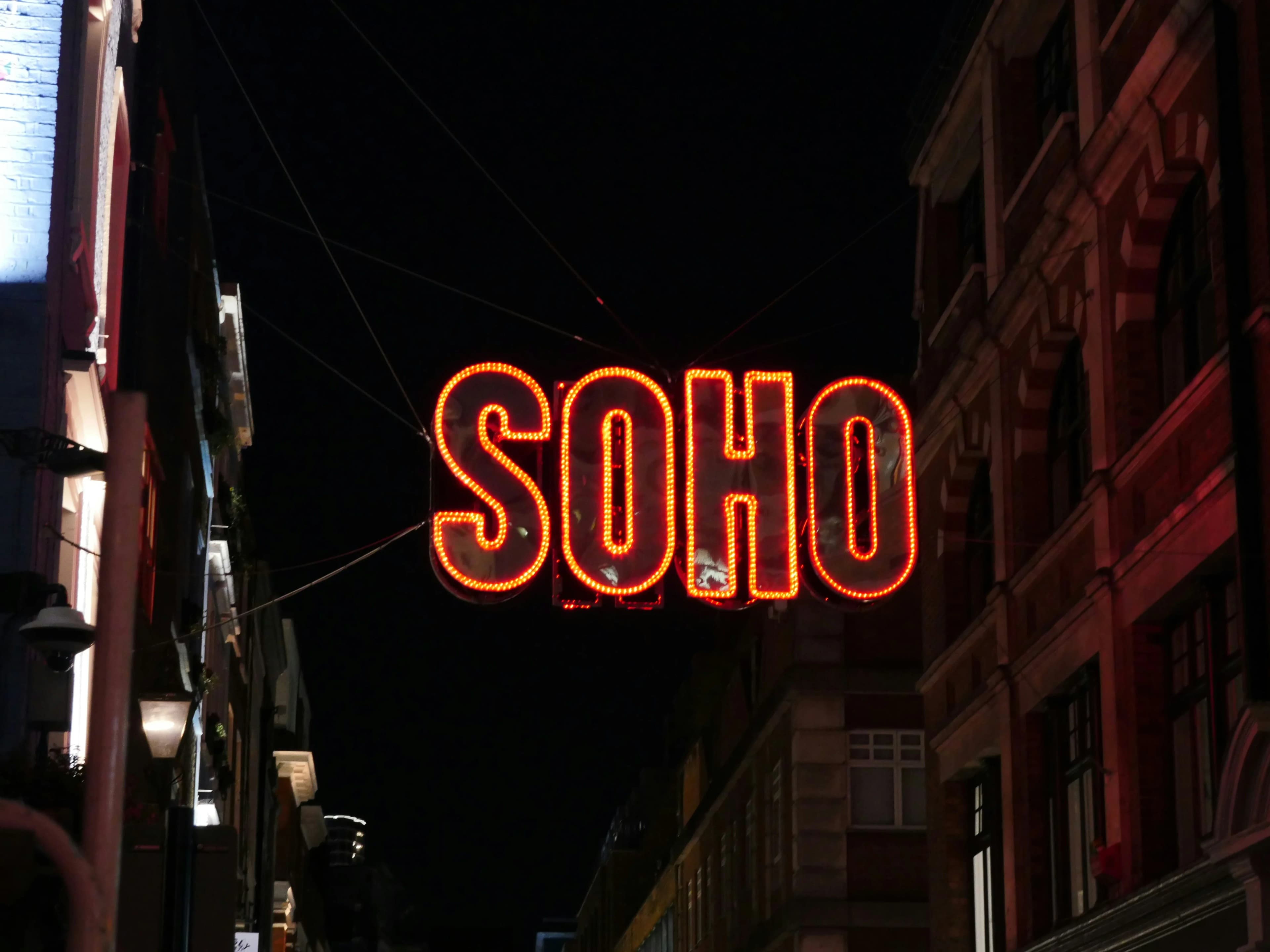
Soho and Covent Garden operate differently: these are denser, more theatrical quarters where proximity to the stage houses of Shaftesbury Avenue and the Long Acre restaurant scene is the primary draw. Luxury hotel suites here are typically more compact but architecturally considered, occupying converted buildings where industrial heritage has been reinterpreted for contemporary hospitality.
When to stay in the West End
The West End maintains a consistent rhythm across the calendar, but certain periods carry a distinct quality. Late spring, from April through June, brings the most temperate conditions and coincides with the opening of major gallery exhibitions, the Chelsea Flower Show, and the early weeks of the summer social season. September and October represent a secondary window: the tourist peak has passed, cultural institutions reopen after summer breaks, and theatre seasons begin their new programmes.
December is operationally dense. The West End concentrates Christmas retail, theatre audiences, and corporate hospitality into a compressed geography. Suite availability at preferred properties contracts sharply from late November, and rates reflect that pressure. Travellers with specific hotel requirements should plan this period with a minimum four to six weeks of lead time.
July and August carry the highest tourist volume, particularly in Covent Garden and the streets around Oxford Circus. The quality of the suite experience is unchanged, but the ambient conditions of the neighbourhood shift considerably.
Local luxury standards: what to expect from top-tier suites in the West End
London does not operate a formal state classification for its highest-tier hotels in the manner of the French Palace designation, but the market has developed its own legibility. The properties that consistently anchor the upper end of the West End market are identifiable by a combination of factors: the age and architectural significance of the building, the ratio of staff to guests, the provenance of the interior design programme, and the degree to which the property has resisted the standardisation of international hotel groups.
In practical terms, a luxury hotel suite in the West End at the highest level will typically offer a minimum of 60 square metres of interior space, a dedicated living area, and a bathroom specification that reflects current material standards in London interior design. Suites in Georgian or Edwardian buildings often retain period detailing, coffered ceilings, and proportions that newer construction cannot replicate. This architectural heritage is not decorative nostalgia; it is a structural quality that changes how a suite feels to occupy.
Butler service, available at a number of West End properties, reflects a specifically British hospitality tradition. Its function is anticipatory rather than reactive, which distinguishes it from standard concierge provision. For extended stays or for guests with complex logistics, this distinction carries real operational value.
How to choose the right suite in the West End
The primary decision axis for the West End is neighbourhood. Mayfair and St James's prioritise discretion, architectural heritage, and proximity to private commerce. Marylebone prioritises residential calm and cultural access. Soho and Covent Garden prioritise proximity to entertainment, gastronomy, and the theatre district. These are not interchangeable: the traveller should identify which of these registers corresponds to their actual use of the city before selecting a property.
A secondary consideration is building typology. The West End contains both purpose-built grand hotels, constructed in the Edwardian period for precisely this function, and converted properties: townhouses, former banking halls, and institutional buildings that have been adapted for contemporary hospitality. Each typology carries different spatial logic. Purpose-built hotels tend to offer larger suites with more uniform specifications. Converted properties often offer suites with more idiosyncratic proportions, which can mean more character or, in some cases, compromised natural light.
For travellers arriving with children, the spatial requirements change. A suite configuration that works well for two adults becomes inadequate for a family of four, and the West End's building stock does not always accommodate interconnecting suites as readily as purpose-built resort properties. Confirming this in advance is not a minor logistical detail; it determines whether the stay functions architecturally.
Noise is a real variable in the denser parts of the West End. Properties on primary thoroughfares in Soho or near the main Oxford Street axis carry ambient urban sound that differs materially from properties set back on quieter Mayfair streets. Suite orientation, glazing specification, and floor level all affect this, and it is worth establishing these details before confirming a reservation.
Why curated selection matters in the West End
The West End hotel market is large, mature, and heavily promoted. The volume of properties presenting themselves as luxury options is considerable, and the gap between marketing language and actual experience is wider here than in smaller, less competitive markets. For a traveller allocating significant time and budget to a London stay, the cost of a misaligned choice is not only financial.
La Suite applies a consistent editorial standard to every property in its selection. The criteria are spatial, architectural, and experiential. A property either meets the threshold or it does not appear. This means the curated selection by La Suite for the West End reflects a genuine assessment of what the market currently offers at the highest verifiable level, rather than a commercially ranked directory. For a destination as dense and commercially competitive as the West End, this distinction is the most useful thing a curation platform can offer.