Where to stay in Somerset for a luxury suite experience
The Mendip Hills and Wells
The Mendip Hills form the northern spine of the county, a plateau of carboniferous limestone punctuated by gorges, ancient drove roads, and market towns. Wells, the smallest cathedral city in England, anchors this area with a medieval density that few English towns can match. Properties in this zone tend to occupy converted manor houses or Georgian townhouses, offering suites where period detailing and stone construction create a particular atmospheric weight. This is the part of Somerset most associated with slow, contemplative travel.
Exmoor and the western uplands
Exmoor National Park straddles the Somerset and Devon border, and the Somerset section, covering places like Porlock, Dulverton, and Dunkery Beacon, offers some of the most privately set estate hotels in the South West. Suites here are frequently housed in country house properties with significant land holdings, where the connection between interior comfort and exterior landscape is made explicit by the architecture. This is terrain for travelers who want genuine seclusion rather than proximity to amenity.
The Vale of Taunton and Quantock Hills
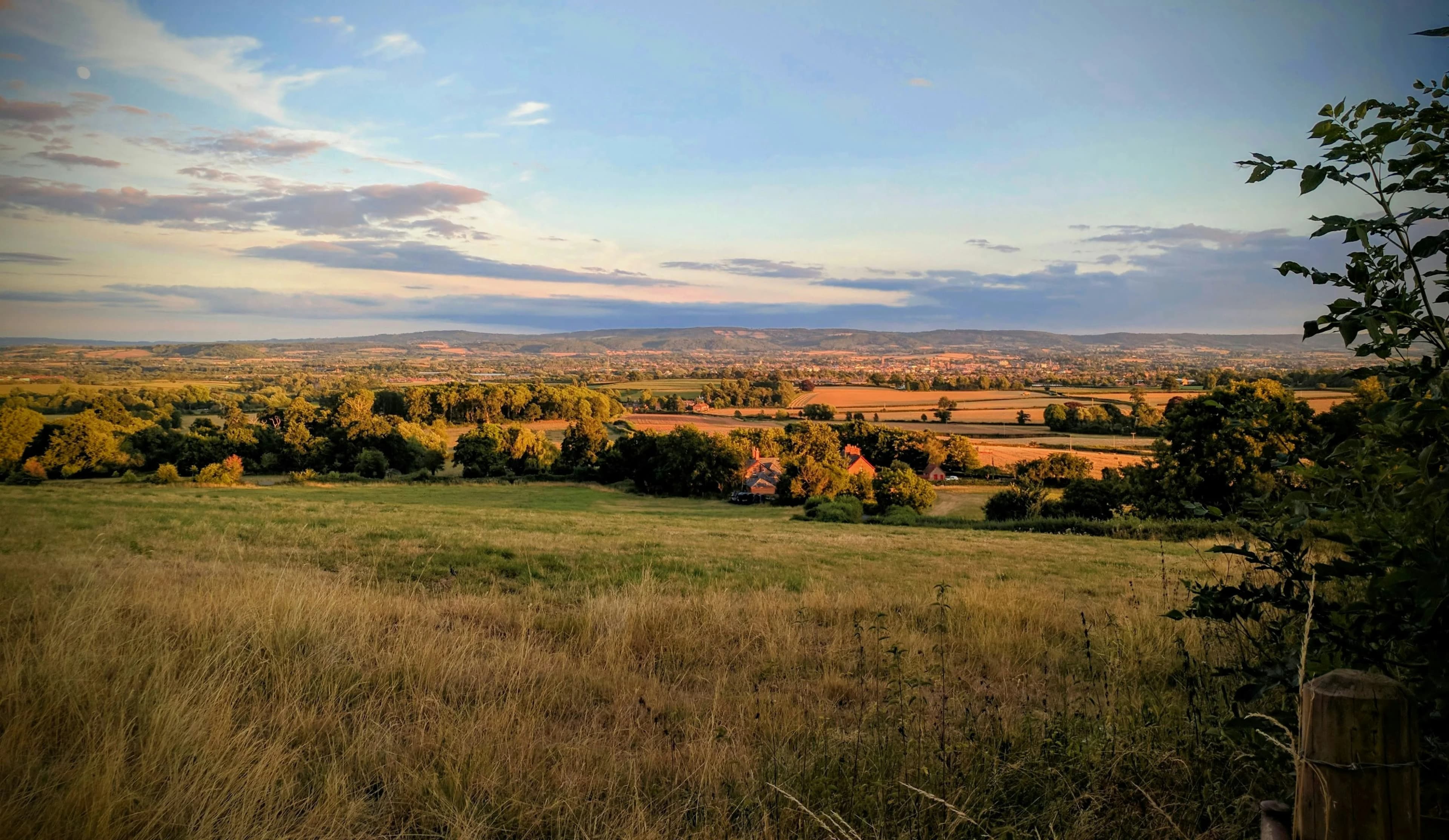
The Quantock Hills, designated as England's first Area of Outstanding Natural Beauty, run south from the Bristol Channel through a series of combes and oak woodland. The Vale of Taunton below offers productive agricultural land and a scattering of historic country houses that have converted well into hotel use. Suites in this area often sit within properties with walled kitchen gardens, producing the kind of estate-to-table integrity that has become a legitimate marker of high-end rural hospitality in England.
Glastonbury and the Somerset Levels
The Somerset Levels present a different proposition entirely: a flat, fenland landscape of willow, peat moor, and flood meadow, historically isolated and still carrying an unusual cultural atmosphere. Glastonbury itself sits on a geological anomaly, the Tor rising sharply above the plain, and the town's long association with both medieval Christianity and alternative culture gives the area a layered, sometimes contradictory identity. Accommodation here skews toward the boutique and the idiosyncratic rather than the grand estate format.
When to visit Somerset for a luxury hotel stay
Somerset has a genuinely mild Atlantic climate by English standards, and the county is navigable for high-end travel across a longer season than many assume.
Late spring, from May into early June, is generally the most resolved period: the light is sharp, the agricultural landscape is at its greenest, and the major outdoor events have not yet compressed demand on suite availability. Early autumn, September in particular, offers similar conditions with the addition of harvest context and softer visitor pressure.
The Glastonbury Festival, held in late June on the Worthy Farm site near Pilton, generates significant regional demand and deserves advance planning for anyone seeking high-quality accommodation within driving distance. Somerset also hosts a number of smaller literary, food, and arts festivals across the summer calendar, particularly around Frome and Bruton, which have emerged over the past decade as credible cultural destinations within the county.
Winter travel to Somerset is underrated. The county's churches, lanes, and country house properties carry a particular quality of stillness between November and February, and suite rates at many properties reflect reduced seasonal demand.
Understanding luxury standards in Somerset and English country house hotels
England does not operate a formal prestige classification equivalent to France's Palace designation, but the country house hotel format has its own established grammar of quality that experienced travelers learn to read.
The benchmark properties in Somerset and the wider South West tend to be assessed through the AA Rosette system for dining and the AA star rating for accommodation, supplemented by membership in collections such as Relais and Chateaux or Small Luxury Hotels of the World. These affiliations do not guarantee a specific suite format, but they signal a baseline of service standard and physical quality that is useful as a filter.
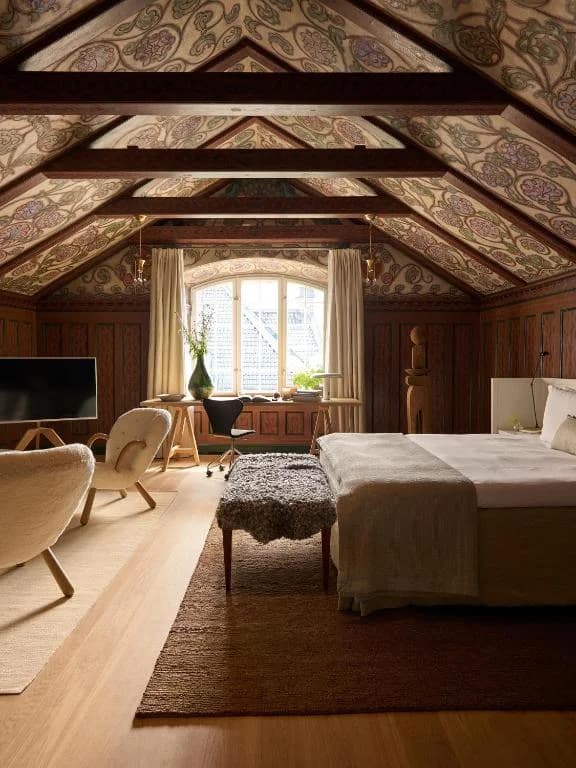
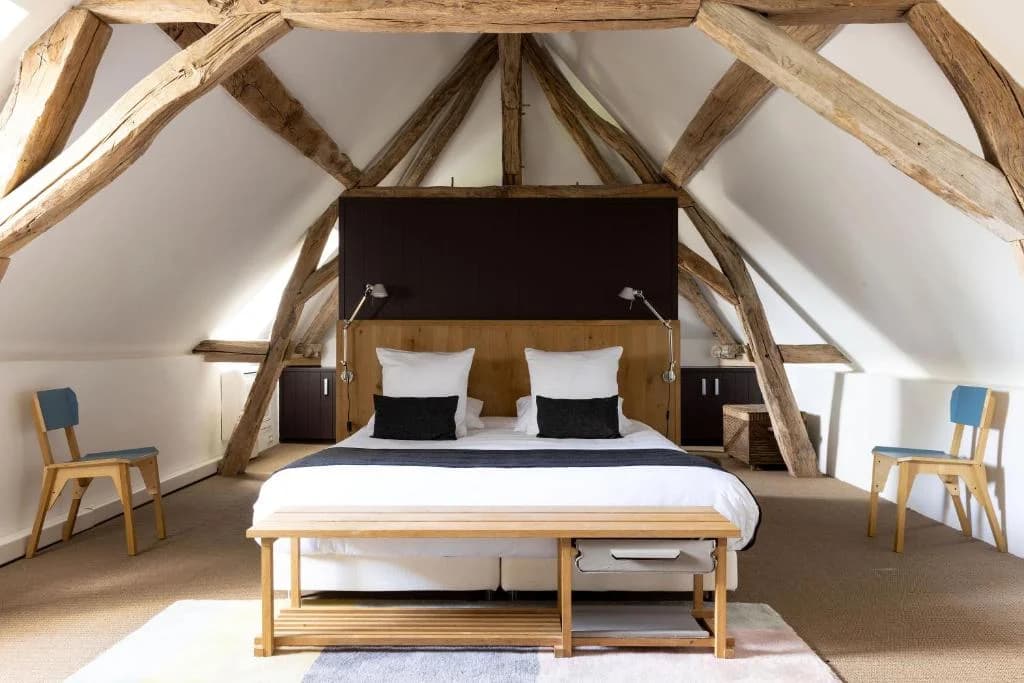
Suites in English country house hotels typically prioritize space and architectural character over the kind of designed precision found in urban luxury properties. Expect high ceilings, original fireplaces, four-poster beds, and outlook over managed gardens or open countryside. Bathrooms in the best properties have been comprehensively updated while respecting the building's original proportions. The suite experience here is fundamentally about the relationship between interior shelter and exterior landscape, a ratio that the best Somerset properties have calibrated with considerable intelligence.
Service in this category of property is generally less formal than in equivalent French or Italian hotels, but at the leading houses it is precise, knowledgeable, and genuinely attentive to individual requirements.
How to choose the best luxury suite in Somerset
Several practical considerations are specific to Somerset and to the English country house hotel format generally.
The first is architectural period. Somerset has exceptional examples of Tudor, Jacobean, Georgian, and Victorian country house architecture, each producing a different suite character. Tudor and Jacobean properties tend toward lower ceilings, heavier timber, and smaller windows, creating an intimate but occasionally compressed atmosphere. Georgian houses offer the best proportioned rooms in the English canon, with tall sash windows and symmetrical volumes that translate exceptionally well to suite use. Victorian additions can vary significantly in quality.
The second consideration is setting versus access. The most secluded Exmoor properties require thirty minutes or more of single-track driving to reach, a genuine pleasure in good weather and a different calculation in winter. Properties in the northern part of the county, closer to Bath and Bristol, offer easier access without entirely sacrificing the pastoral context.
The third is the food and beverage offer. Somerset has a serious food culture grounded in its dairy, cider, and market garden traditions, and the best suite hotels have integrated this into genuinely accomplished dining programs. Verifying the current culinary direction of a property before booking is worthwhile, as quality in this area can shift with chef changes.
Why a curated selection by La Suite matters in Somerset
Somerset's hotel landscape is uneven. The county contains some of the finest country house hotel suites in England alongside properties that trade on heritage atmosphere without delivering the physical standard that justifies the rate. The gap between these two categories is not always legible from a standard booking platform, where photography and marketing copy tend to compress meaningful distinctions.
La Suite approaches Somerset with a specific editorial lens: properties are assessed for suite quality, spatial integrity, setting, and service consistency rather than overall hotel size or brand recognition. The curated selection on La Suite reflects genuine editorial judgment about which Somerset properties deliver an experience commensurate with their positioning. For travelers who value that level of discrimination, it is a more reliable starting point than volume-driven alternatives.