St Martins Lodge, Leicester
28 rooms
Central Location St Martins Lodge in Leicester offers a central base with De Montfort University an 8-minute walk away, Leicester Railway Station 0.8 mi distant, and Leicester Castle a 4-minute st

Leicester is frequently underestimated, which is precisely what makes it interesting to travellers who have already exhausted the obvious. The city sits at the geographic heart of the United Kingdom, with direct rail connections to London St Pancras in under an hour. That proximity to the capital, combined with a distinctly different pace, makes it an intelligent base for anyone exploring the broader European cultural circuit.
4 hotels available

28 rooms
Central Location St Martins Lodge in Leicester offers a central base with De Montfort University an 8-minute walk away, Leicester Railway Station 0.8 mi distant, and Leicester Castle a 4-minute st

Conveniently located in Leicester, Novotel Leicester provides air-conditioned rooms, a fitness center and a bar. Among the facilities of this property are a restaurant, a 24-hour front desk and room s

Comfortable Accommodations Rooms feature air-conditioning, private bathrooms, tea and coffee makers, and free WiFi. Additional amenities include balconies, terraces, and sofa beds. Dining Opti

Set amid parkland with its illustrious history and contemporary renovation, Winstanley House is the place to be. As a boutique hotel, luxury venue and home to Black Iron, a contemporary British steakh
The discovery of Richard III beneath a city car park in 2012 repositioned Leicester in the international imagination. The King Richard III Visitor Centre, which opened in 2014, now draws heritage travellers from across the world. Alongside this, Leicester holds the distinction of being one of the most ethnically diverse cities in England, a fact that shapes its food culture, its festivals, and its street-level energy in ways that feel authentic rather than curated for tourism.
Leicester's city centre compresses its most significant attractions into a compact, walkable area. The Cultural Quarter, anchored by the Curve theatre and the Phoenix digital arts cinema, draws a design-literate crowd. Hotels in this zone tend toward contemporary architecture, with suites that prioritise clean lines and urban views. The proximity to the Jewry Wall, one of the largest surviving sections of Roman civilian masonry in Britain, adds an unexpected layer of historical weight to the neighbourhood.
The Belgrave Road corridor, known informally as the Golden Mile for its concentration of jewellery retailers and South Asian restaurants, represents one of the most distinctive urban experiences in England. Staying within reach of this district offers access to a food culture that is genuinely exceptional: Gujarati vegetarian cuisine, Punjabi street food, and Bengali sweets of a quality rarely found outside of the subcontinent. For the culturally curious traveller, this is Leicester at its most particular.
For travellers who prefer quieter surroundings without sacrificing access, the southern suburbs of Leicester, particularly Oadby, offer a more residential atmosphere. The University of Leicester Botanic Garden is located here, as are several independent restaurants that have earned regional reputations. Suites in this area, where available, tend to occupy converted period properties with garden access.
Leicester operates on a relatively stable calendar without the extreme seasonal pressure of coastal or mountain destinations. Spring, from March through May, offers mild temperatures and the opening of the outdoor cultural season. The Leicester Comedy Festival in February is one of the largest comedy festivals in Europe and draws significant visitor numbers, which can affect suite availability. The Diwali celebrations in autumn, centred on Belgrave Road, constitute one of the largest Diwali gatherings outside of India and represent a genuinely unmissable cultural event. Summer brings the Leicester Caribbean Carnival, while the Christmas market in December is among the largest in the United Kingdom by attendance. Travellers seeking maximum availability and competitive rates should consider the quieter windows of January (outside the Comedy Festival) and October.
Leicester does not carry the density of five-star properties found in London or Edinburgh, but the city's hotel landscape has matured considerably in the past decade. The relevant benchmark for suite travellers is not the star rating in isolation, but the quality of the suite itself: its floor area, the specification of its bathroom, the quality of its linens, and the degree of genuine service personalisation on offer.
Boutique hotels and independently operated properties often deliver a more considered suite experience than larger branded chains in a city of Leicester's scale. Look for properties that have invested in architectural restoration of historic buildings, as these tend to reflect a greater commitment to spatial quality. The absence of a formal Palace designation (as exists in France) means that discernment must be applied more carefully here. This is precisely where curation by La Suite adds measurable value.
Several practical considerations apply specifically to suite selection in Leicester. First, assess whether the property is purpose-built or a conversion. Converted Georgian or Victorian buildings often offer higher ceiling heights and more characterful spaces, though soundproofing can vary. Second, consider the view: Leicester's skyline is not its strongest asset, so suites that orient toward internal courtyards, garden spaces, or the city's historic spires tend to offer a more coherent aesthetic experience than those facing commercial streets. Third, evaluate the bathroom specification carefully. In a city where the luxury hotel market is still developing, bathroom quality is frequently where the gap between a standard room and a genuine suite is most pronounced. Walk-in rainfall showers, freestanding baths, and dual vanity units mark the upper tier. Finally, confirm service provision: a dedicated concierge, in-suite dining capability, and 24-hour reception are non-negotiable at the suite level.
Leicester presents a specific challenge for the independent traveller: the signal-to-noise ratio in hotel search platforms is poor. Generic booking engines surface volume rather than quality, and in a city where the luxury tier is relatively thin, the risk of a disappointing choice is real. La Suite approaches Leicester, as it approaches every destination across the United Kingdom, with the same editorial rigour applied to Paris or Marrakech. Each property is assessed on spatial quality, service consistency, and the integrity of the suite product. The result is a selection that removes the guesswork and allows the traveller to arrive with confidence. Leicester rewards the curious and the considered. The curated selection by La Suite ensures that the accommodation matches the quality of the exploration.

Leicester's luxury hotel market is smaller than that of London or Edinburgh, but genuine suite-level accommodation does exist within the city. The best options tend to be boutique or independently operated properties that have invested in suite specification, including elevated bathroom finishes, meaningful square footage, and personalised service. La Suite curates only those properties that meet a consistent quality threshold.
Direct trains from London St Pancras International to Leicester run frequently throughout the day, with journey times typically under one hour on fast services. This makes Leicester a practical destination for a two or three-night suite stay without the time cost of a long journey. The East Midlands Railway and Avanti West Coast services both serve this route.
Spring and early autumn offer the most balanced conditions for a Leicester stay: mild weather, a full cultural programme, and generally good suite availability. The Leicester Comedy Festival in February and the Diwali celebrations in October and November are peak demand periods, so early booking is advisable if your dates align with either event. January and late October represent the quietest windows for those prioritising availability and value.
The King Richard III Visitor Centre is one of the most critically well-regarded heritage attractions in England, offering an experience that is forensic in its detail and genuinely moving in its presentation. The National Space Centre, the Jewry Wall Museum, and the Curve theatre provide further cultural anchors. The Belgrave Road food corridor represents a culinary experience of real quality that is difficult to replicate elsewhere in the United Kingdom.
Leicester's central position makes it an efficient base for day excursions into the surrounding counties. Rutland Water, the largest reservoir in England by surface area, is approximately 30 minutes by car. Belvoir Castle, Rockingham Castle, and the market towns of Stamford and Market Harborough are all within easy reach. For suite travellers combining a city stay with broader regional exploration, Leicester functions as a practical and underused hub.
Prioritise floor area, bathroom specification, and service provision. In a market where the luxury tier is developing, the gap between a premium room and a genuine suite is most reliably assessed through bathroom quality: freestanding baths, walk-in showers, and dual vanity units indicate a serious suite product. Ceiling height, natural light, and acoustic separation from public areas are further indicators of quality worth confirming before booking.
Some of Leicester's higher-category hotels offer spa or wellness facilities, though the provision is not as consistent as in resort destinations. Travellers for whom spa access is a priority should confirm in advance whether the property offers treatments on-site or whether there are partnerships with nearby wellness facilities. La Suite's curation process notes wellness provision as part of each property's profile.
Leicester's food culture is one of its most distinctive attributes. The city has a long-established South Asian restaurant scene on and around Belgrave Road, with Gujarati vegetarian cuisine of particular note. The city centre also supports a range of independent restaurants, contemporary European bistros, and international dining options. For suite travellers who place food culture at the centre of their travel decisions, Leicester offers more depth than its reputation suggests.
Leicester's combination of Roman, medieval, and post-industrial heritage within a compact urban footprint distinguishes it from Birmingham's commercial scale or Nottingham's night-economy focus. The city's cultural diversity is genuine rather than performed, and its heritage attractions, particularly the Richard III Centre, have an international draw. For the luxury traveller seeking a Midlands destination that feels particular rather than generic, Leicester presents a credible case.
La Suite applies the same editorial criteria in Leicester as in any destination across Europe: spatial quality, bathroom specification, service consistency, and the integrity of the suite product as distinct from a standard room. In a developing luxury market like Leicester, this curation is especially valuable because generic search platforms do not filter for suite quality. The result is a selection that reflects genuine standards rather than marketing classification.

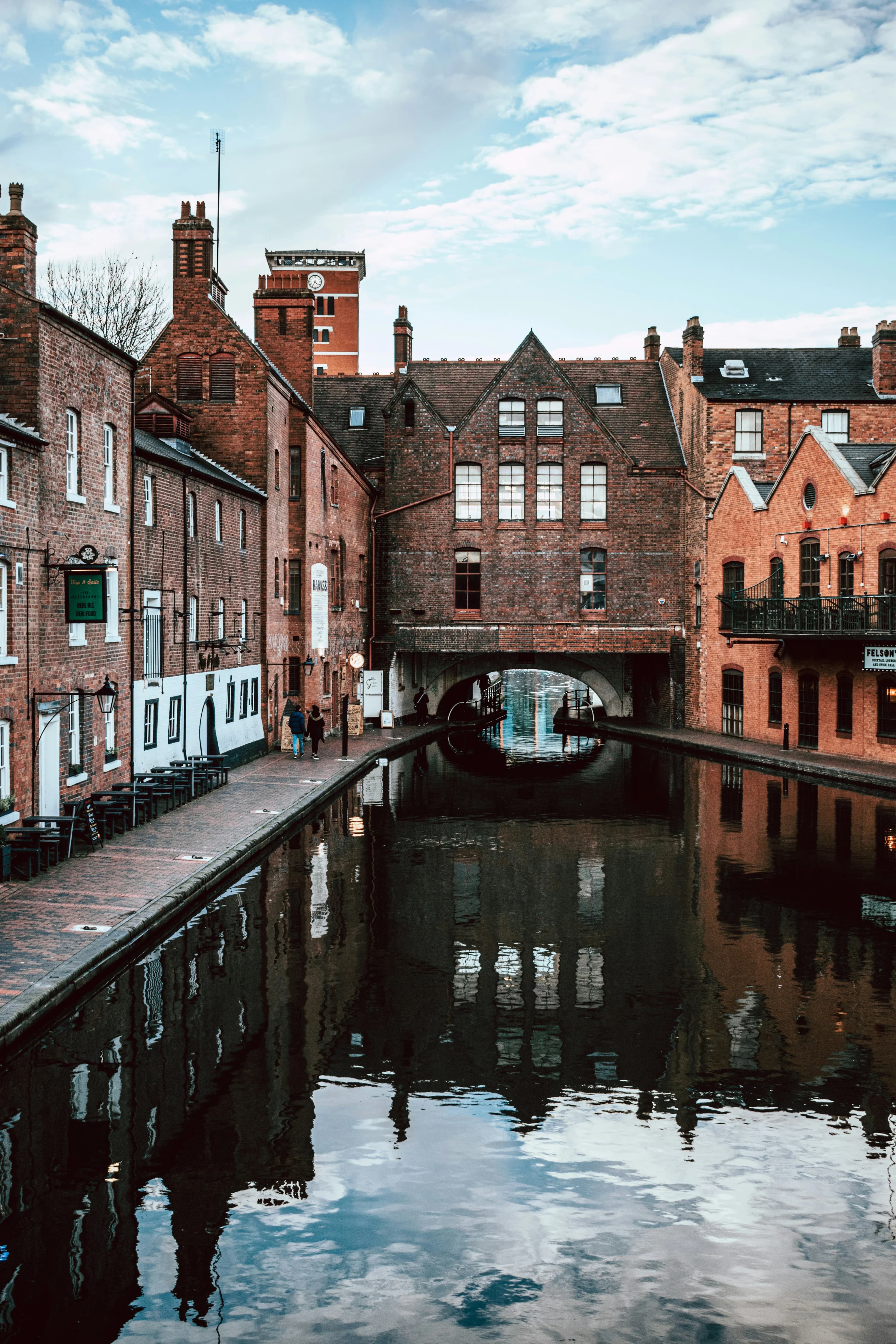
Birmingham is not a city that reveals itself immediately. It requires time, and it rewards those who approach it with patience and genuine curiosity. The canal network, larger than Amsterdam's, runs through the city with a quiet industrial logic. The Jewellery Quarter carries over two centuries of craft history within walking distance. The dining scene, anchored by a concentration of Michelin-starred restaurants that is exceptional by any European standard, makes the city a serious gastronomic destination. A luxury suite provides the operational base that a city of this complexity deserves: space to decompress, privacy to work or rest, and an environment that holds its own aesthetic standard against the city outside.

98 km away
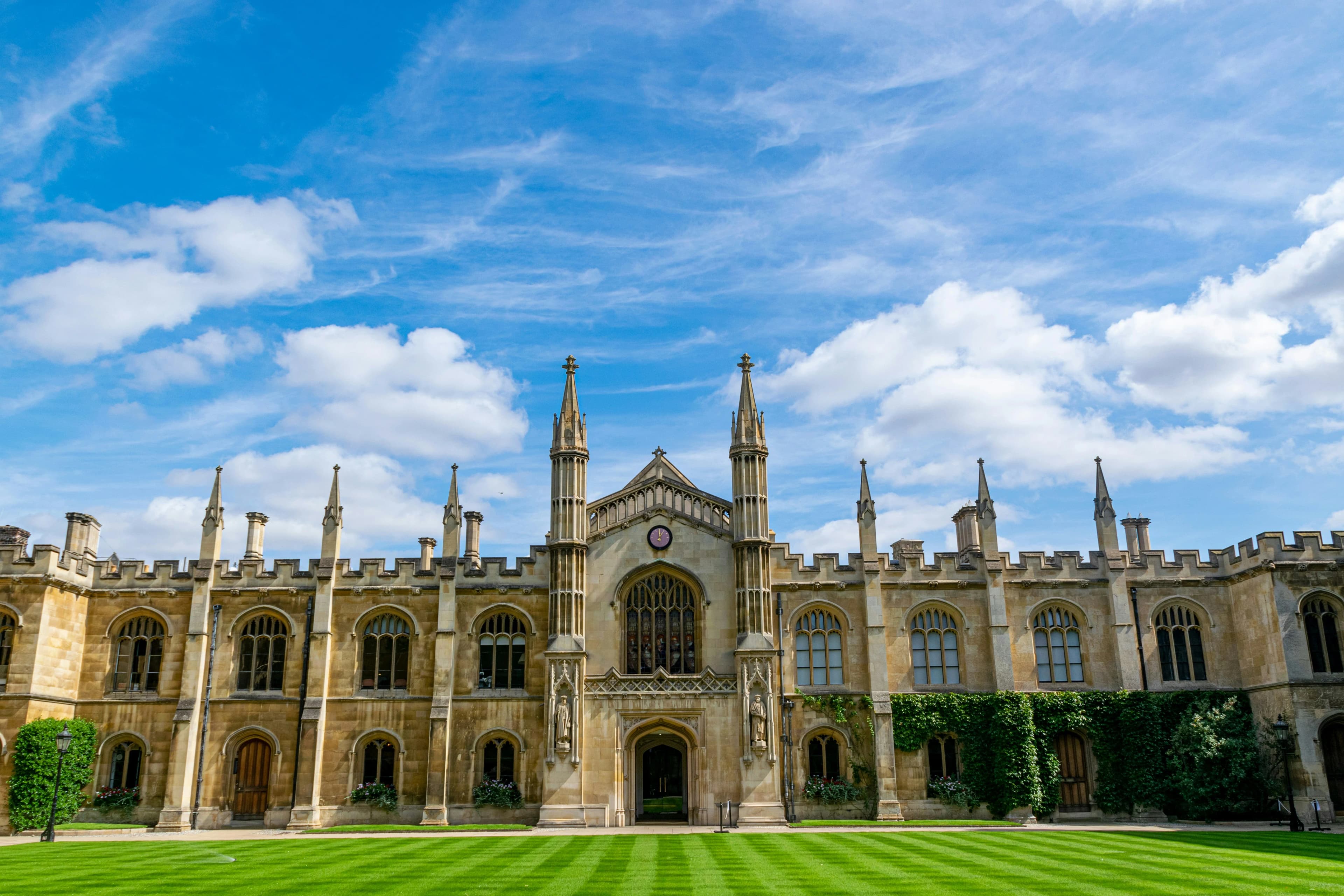
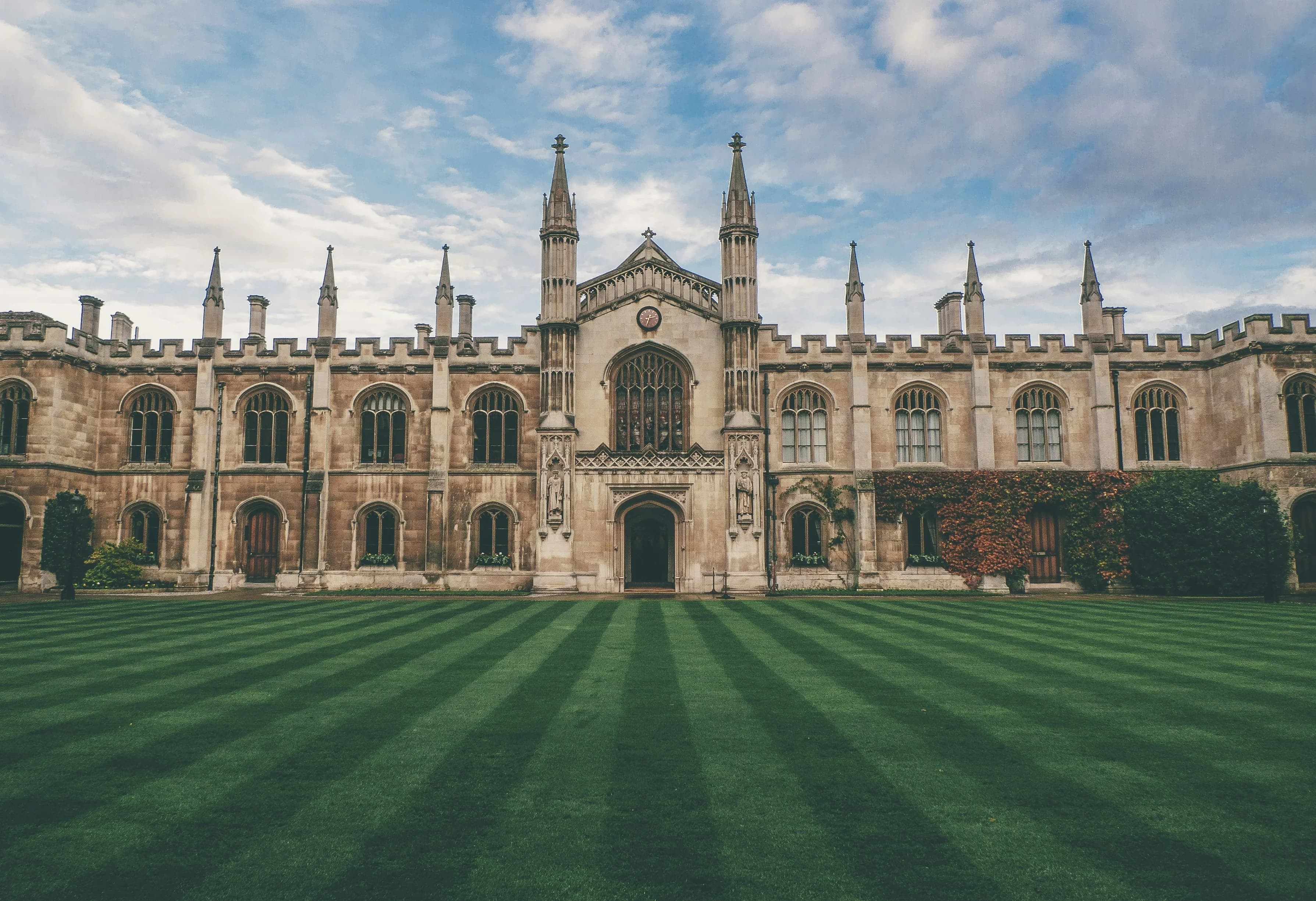
Cambridge is not a conventional city-break destination in the way that London or Edinburgh are. It functions more like a living institution: its colleges, courts, and chapels are still in active use, and the city shapes itself around an academic calendar rather than a tourist one. For the traveller who chooses a luxury hotel suite deliberately, this distinction matters. The experience here is quieter, more concentrated, and more intellectually textured than in most comparable English cities.

99 km away
Oxford is a compact city, but its neighborhoods carry meaningfully different atmospheres. The area immediately surrounding the historic city center, close to the Bodleian Library and the Radcliffe Camera, places guests within walking distance of the oldest collegiate architecture in the English-speaking world. Suites in this zone tend to occupy converted Georgian townhouses or Victorian-era buildings, offering proximity to the high street and the covered market without sacrificing quiet.