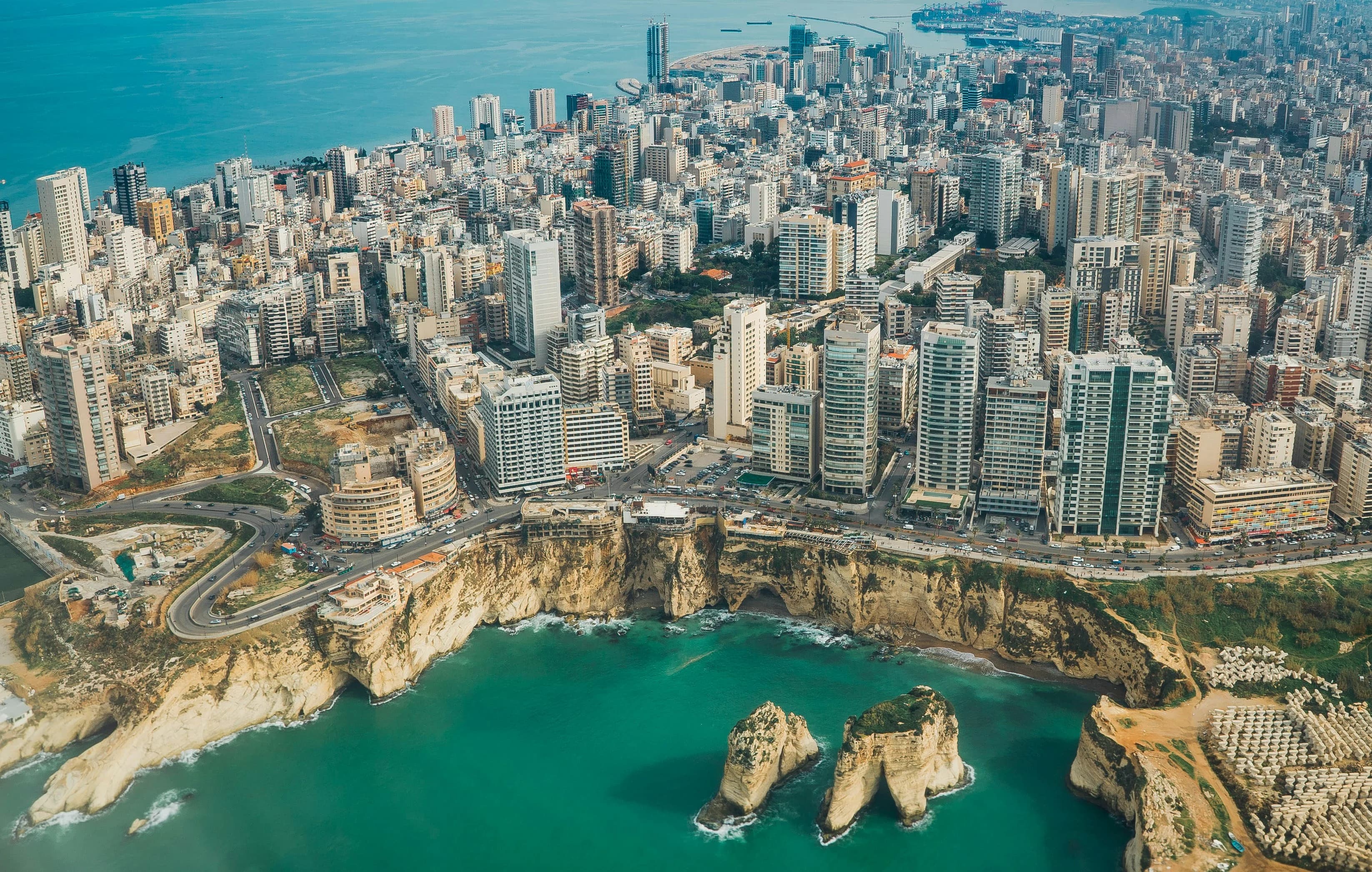
Understanding Beirut as a luxury destination
Lebanon's luxury hospitality sector has historically punched above the weight of the country's size. Beirut attracted a cosmopolitan clientele long before the term became a marketing cliché, and that heritage is visible in the expectations placed on high-end properties: multilingual staff, a sophisticated food and beverage culture, and architectural ambition that reflects the city's own appetite for reinvention.
Best areas to stay in Beirut for a luxury suite experience
Achrafieh and Gemmayzeh
The eastern districts of Achrafieh and Gemmayzeh represent the older, more layered face of the city. Ottoman-era triple-arch facades, independent galleries, and a dense network of restaurants and wine bars characterize this area. A luxury suite in this quarter places you within walking distance of the cultural infrastructure that defines contemporary Beirut. The scale is human, the streetscape is textured, and the atmosphere after dark is considered rather than loud.
Downtown Beirut and the waterfront
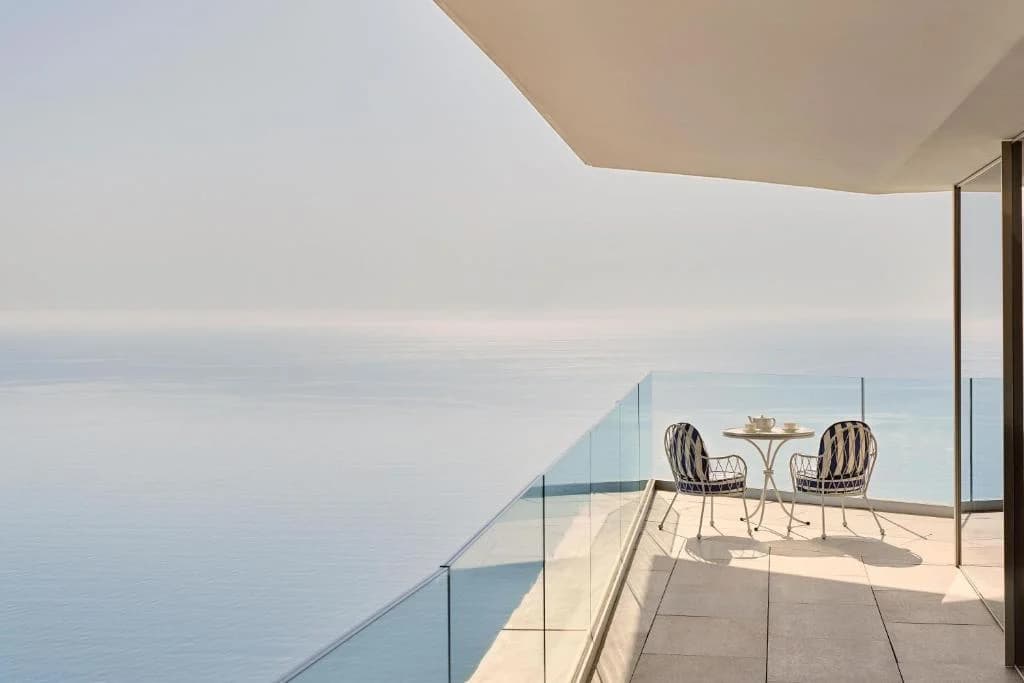
The reconstructed downtown district, developed largely from the 1990s onward, offers a more formal architectural grammar. Wide boulevards, restored heritage buildings, and proximity to the Corniche waterfront make this area the natural choice for travelers who prefer structure and legibility in their surroundings. Properties here tend toward the grand hotel format, with suites oriented around panoramic sea or city views. The waterfront promenade is a specific feature of Beirut's urban identity, best experienced at early morning or dusk.
Verdun and Hamra
To the west, Hamra maintains a bohemian intellectual tradition rooted in the presence of the American University of Beirut. Luxury accommodations here are fewer, but the area offers proximity to the Corniche, independent bookshops, and a cafe culture with genuine depth. Verdun, adjacent to the south, is the city's principal retail corridor, favored by regional travelers. A suite in this zone suits those whose primary interest is urban exploration over formal tourism.
When to visit Beirut
Beirut's climate is Mediterranean, with dry, warm summers and mild, occasionally wet winters. The peak period for international luxury travelers runs from late April through October, when temperatures are consistent and the city's outdoor dining and cultural calendar is fully operational. July and August bring the highest demand, coinciding with regional visitors from the Gulf and the Lebanese diaspora returning from abroad. Suite availability at leading properties tightens considerably during this window, and rates reflect it.
Spring (April to June) is arguably the most rewarding season for the culturally motivated traveler. Temperatures are moderate, the city is in full social motion, and major cultural events including art fairs and design gatherings tend to cluster in this period. The Beirut Art Week and associated gallery programming typically occur in the spring, drawing an international audience with a specific appetite for the city's creative output.
October and November represent an undervalued window. The summer crowds have cleared, temperatures remain comfortable, and properties offer greater flexibility in terms of suite selection and length of stay. For travelers who prefer a quieter, more considered experience of the city, this is the optimal period.
Lebanese luxury hospitality standards: what to expect from a top-tier suite
Lebanon does not operate within the formal palace hotel classification system used in France or the ryokan tradition of Japan, but the country has its own embedded standards of hospitality excellence. Lebanese hoteliers are historically service-oriented, drawing on a long tradition of receiving international guests across periods of both prosperity and instability. The result is a staff culture that tends toward genuine attentiveness rather than scripted formality.
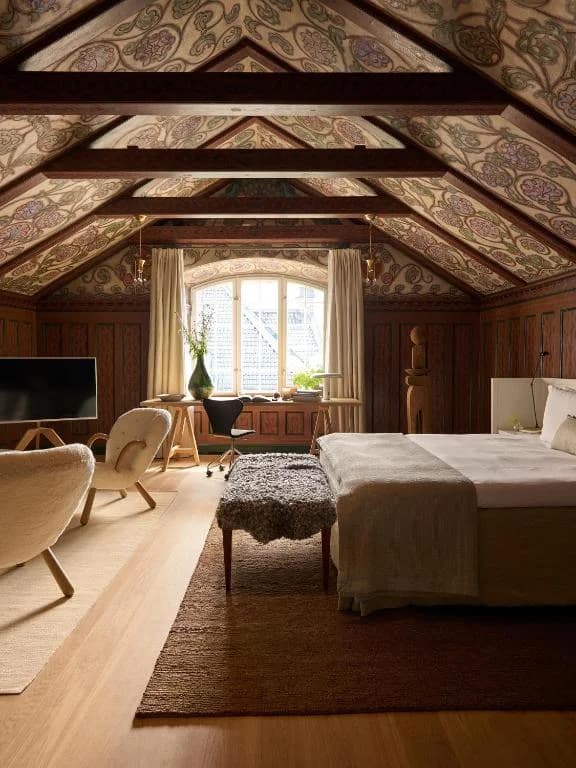
At the upper end of the market, luxury hotel suites in Beirut are typically characterized by strong interior design investment, reflecting the city's proximity to a sophisticated regional design culture. Spatial generosity is expected at this price point, as is a curated food and beverage offer. Many of the leading properties maintain rooftop or terrace spaces that are integral to the Beirut experience, given the city's relationship with its skyline and the sea. Suite guests should expect these spaces to be accessible and considered as an extension of the room itself.
It is also worth noting that Beirut's luxury hospitality sector has demonstrated considerable resilience. Properties that have maintained their positioning through successive periods of economic and political disruption tend to offer a quality of institutional knowledge that newer hotels elsewhere cannot replicate. This depth of experience is, in itself, a form of luxury.
How to choose the right luxury suite in Beirut
The primary consideration is orientation: toward the sea or toward the city. Beirut's topography places certain districts at elevation, offering panoramic views across the roofline to the Mediterranean. Others are embedded within the urban grain, offering immersion rather than overview. Neither is superior; the choice depends on the nature of the visit.
Architecture is a secondary but significant factor. Beirut contains properties housed in restored heritage buildings from the French Mandate period, as well as contemporary constructions with a more international design vocabulary. The heritage properties tend to offer a spatial quality rooted in the proportions of early twentieth-century construction: high ceilings, arched openings, and a material palette of stone and tile. Contemporary properties offer a different register: precision, lightness, and an intentional relationship with the city view.
Travelers visiting for business will prioritize connectivity, meeting facilities, and proximity to the central districts. Those visiting for cultural or personal reasons may weight the neighborhood character and walkability of the immediate surroundings more heavily. In all cases, the question of suite size and configuration deserves explicit attention. Beirut's luxury market includes a range of typologies from junior suites in boutique properties to full-floor apartments within five-star towers.
Why a curated selection matters in Beirut
The Beirut hotel market has contracted and expanded in cycles that do not follow the predictable patterns of more stable destinations. Identifying which properties are currently operating at their full potential, maintaining consistent standards, and offering genuine value at the luxury price point requires current, ground-level knowledge. Generic booking platforms apply no editorial filter to this process.
La Suite applies a specific curatorial logic to every destination it covers. In the context of Beirut, this means assessing not only the physical quality of the suite itself but the stability and coherence of the surrounding offer: the restaurant, the service culture, the building's relationship to its neighborhood. The curated selection by La Suite presents only the properties where these elements are genuinely aligned, removing the decision friction that characterizes independent research in a complex market.