What makes The Loop a compelling base for suite travelers
The proximity to cultural anchors is equally precise. The Art Institute of Chicago, one of the most respected encyclopedic museums in the world, sits at the edge of Grant Park. Millennium Park, home to Anish Kapoor's Cloud Gate and the Frank Gehry-designed Pritzker Pavilion, is a short walk from most Loop hotels. The Chicago Riverwalk runs along the southern bank of the Chicago River, offering a pedestrian corridor lined with architecture that rewards close attention.
For business travelers, The Loop remains the functional center of Chicago's corporate and legal infrastructure. Law firms, financial institutions, and major corporate headquarters are concentrated here, making it the logical choice for those combining professional commitments with a preference for well-appointed accommodation. Explore the full Chicago luxury suite selection to understand how The Loop fits within the broader city landscape.
Areas within and adjacent to The Loop worth considering
The heart of the grid
State Street and Michigan Avenue form the commercial spine of The Loop. Hotels positioned along or near these corridors benefit from immediate access to retail, dining, and transit. The elevated train stations are frequent and the street-level activity is consistent throughout the day. For travelers who prefer urban density and walkability, this is the most operationally convenient positioning within the neighborhood.
The Riverwalk corridor
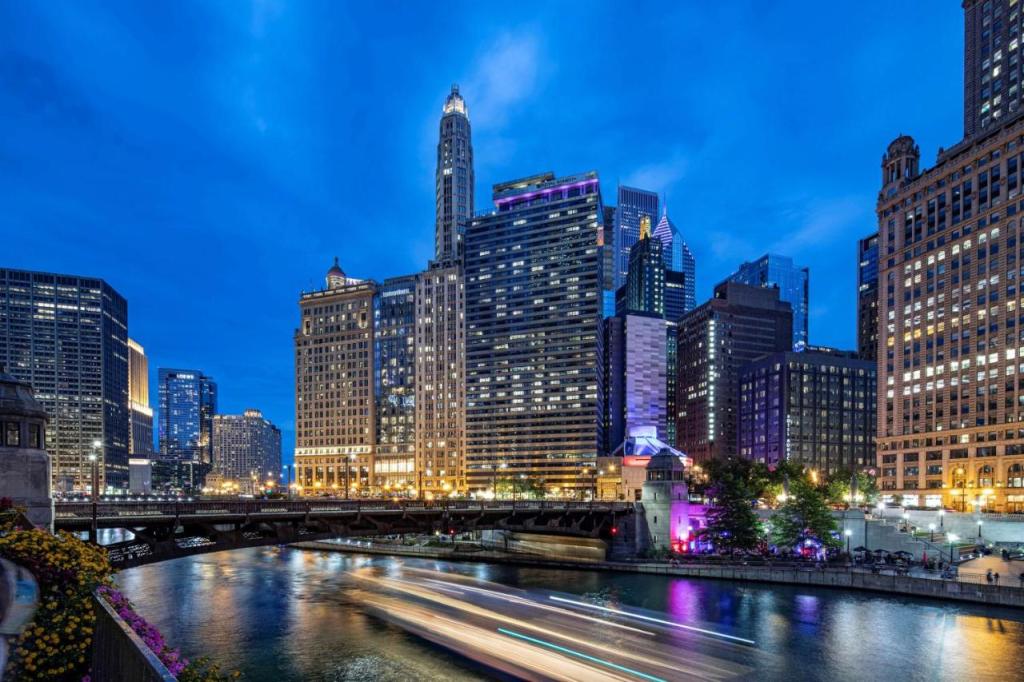
The stretch of hotels closer to Wacker Drive and the Chicago River offers a slightly different sensory register. River-facing rooms and suites command views of the water and the bridges that cross it, a perspective that softens the hard geometry of the surrounding towers. The Riverwalk itself has been significantly developed in recent years, with terraced seating, restaurants, and public art installations extending the usable public space along the water's edge.
Grant Park and the lakefront edge
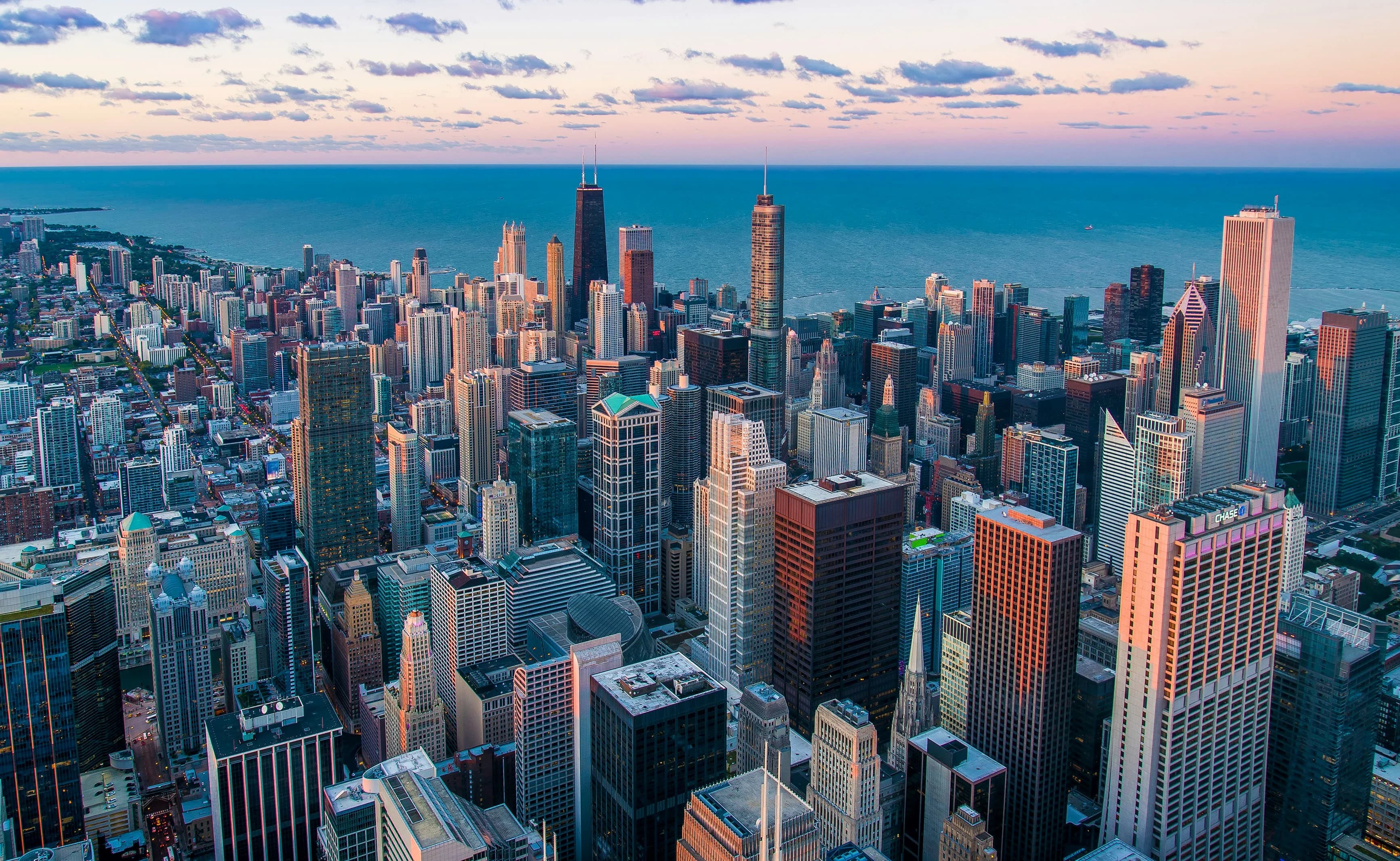
The eastern boundary of The Loop opens onto Grant Park and, beyond it, Lake Michigan. Suites in hotels positioned near this edge offer lake views that are genuinely distinctive; Chicago's lakefront is protected from development by the public trust doctrine, meaning the view corridor to the water remains unobstructed. This is a meaningful consideration for travelers selecting a suite on the basis of outlook. For context on broader regional options, the United States luxury hotel suite guide provides a useful comparative frame.
When to stay in The Loop
Chicago operates year-round as a business and cultural destination, but the experience of The Loop shifts significantly by season. Late spring through early autumn (May to October) represents the period when the lakefront and outdoor spaces are most accessible. Millennium Park hosts free outdoor concerts during summer, and the Riverwalk reaches peak activity between June and August.
Winter in Chicago is cold by any standard, but The Loop in winter has its own logic. Hotel rates tend to be more favorable outside the peak convention season, and the architectural experience of the city is in some ways more concentrated when pedestrian traffic thins. The Chicago Architecture Foundation Center, located in The Loop, runs tours throughout the year and is a legitimate cultural resource rather than a tourist formality.
The city's major convention calendar, centered on McCormick Place to the south, drives significant hotel demand in spring and autumn. Travelers with flexibility should cross-reference their dates against the convention schedule to anticipate rate pressure and availability constraints. For travelers considering North America luxury hotel suites more broadly, Chicago's Loop sits among the continent's most architecturally coherent urban bases.
Understanding luxury hotel standards in The Loop
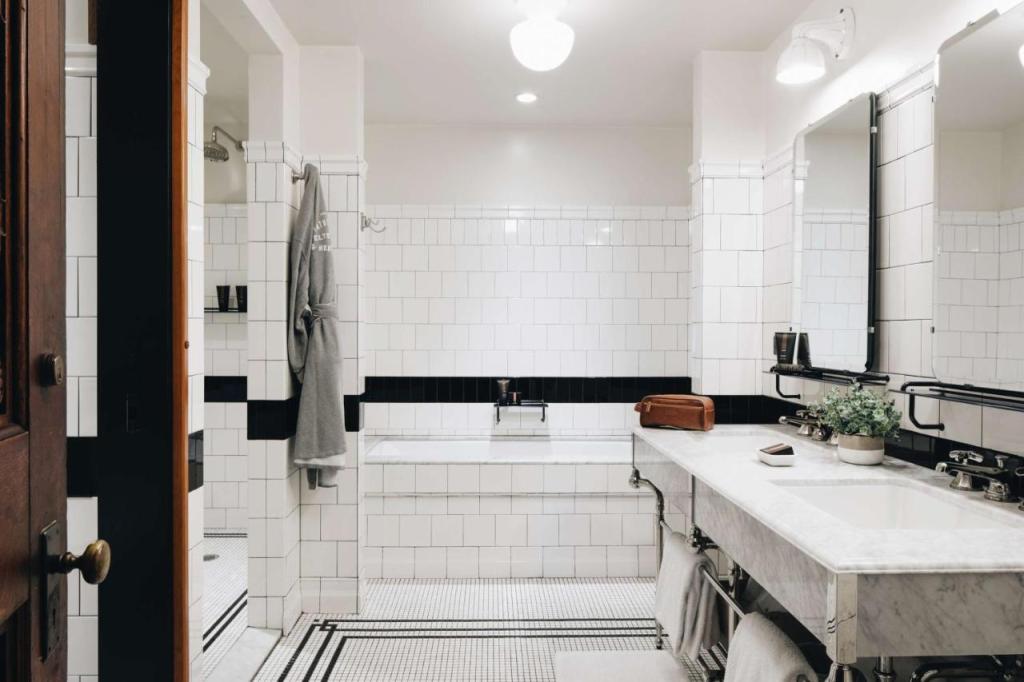
Chicago does not operate on the European palace hotel model, nor does it follow the resort logic of destinations like Miami or Los Angeles. The prestige markers here are architectural pedigree, suite footprint, and service precision. The most respected luxury hotels in The Loop tend to occupy either historically significant buildings, mid-century towers that have been carefully restored, or purpose-built contemporary structures designed by recognized architects.
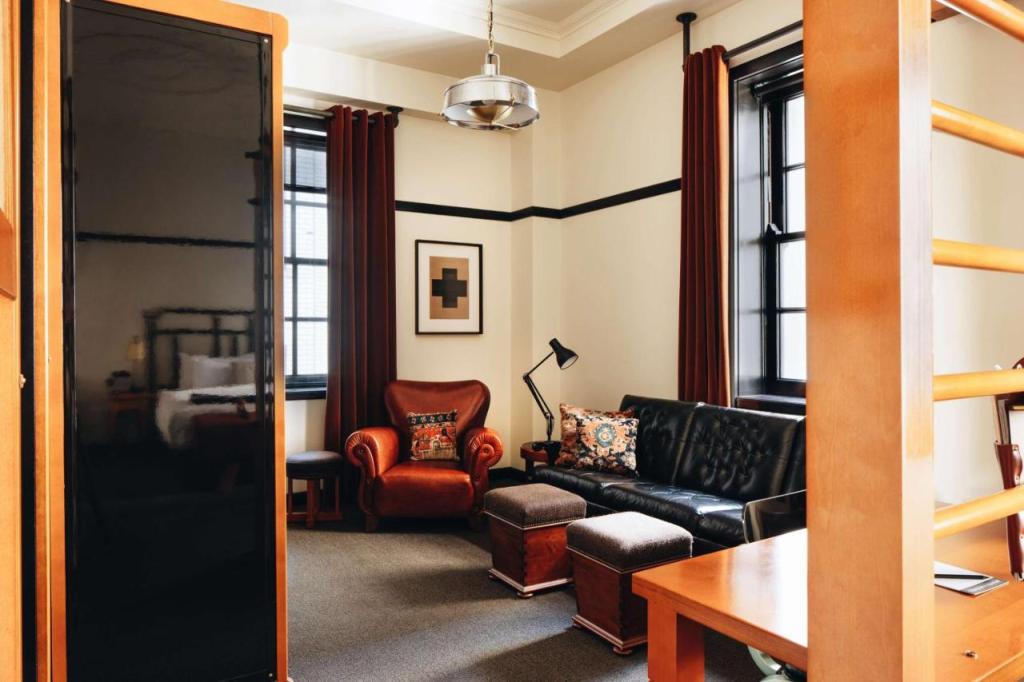
Suite configurations in this market typically prioritize living space and city or lake views. Corner suites in tower properties offer dual exposures that are particularly valued given the visual interest of the skyline. Penthouse-level accommodations in The Loop can offer perspectives across both the lake and the downtown grid simultaneously, a combination that is geographically specific to Chicago's position on the lakefront.
Service expectations in Chicago's top-tier hotels reflect the city's professional culture: direct, competent, and without excessive ceremony. This is not a destination where hospitality performs itself through elaborate ritual. The standard is functional excellence delivered with consistency.
How to choose the right luxury suite in The Loop
Prioritize orientation and floor level
In a neighborhood defined by towers, the floor level and cardinal orientation of a suite matter considerably. Lake-facing suites on higher floors offer views that justify the premium; city-facing suites provide the architectural panorama of the skyline. Clarify these parameters before selecting, as lower floors in dense urban canyons can feel enclosed regardless of the suite's interior quality.
Consider the building's architectural context
Some of Chicago's most interesting hotels occupy buildings with genuine historical weight. The architectural character of the building itself contributes to the experience of staying there, particularly for travelers with an interest in design. A suite in a Burnham-era tower reads differently from one in a contemporary glass structure, and neither is inherently superior; the choice is a matter of what kind of spatial experience you are seeking.
Assess proximity to your primary purpose
The Loop is compact enough that most points of interest are walkable from any address within it, but the specific positioning of a hotel still affects the texture of your stay. If your primary orientation is toward the Art Institute and Grant Park, a hotel on the eastern side of the district is more coherent. If business meetings in the financial district are the priority, the western blocks of The Loop are more efficient.
Why curation matters in The Loop
The Loop has a significant hotel inventory, and not all of it is consistent with the standards that define a genuinely elevated stay. Price point alone is an unreliable guide in this market; several high-tariff properties in the neighborhood offer suites that are spatially adequate but architecturally undistinguished. The inverse is also possible: properties with strong design credentials and exceptional suite quality that are not always visible through standard booking interfaces.
La Suite's approach to this neighborhood is to identify the properties where the suite experience reflects the quality of the broader urban context. Chicago has earned its reputation as a city that takes architecture and design seriously. The hotels that belong in a curated selection are those that meet that standard internally, not merely those that occupy prestigious addresses. The La Suite curated selection applies this editorial discipline so that the decision process is reduced to genuine options rather than an exhausting inventory of variables.