Understanding Houston's luxury hotel landscape
Best areas to stay in Houston for a luxury suite experience
The Galleria and Uptown district
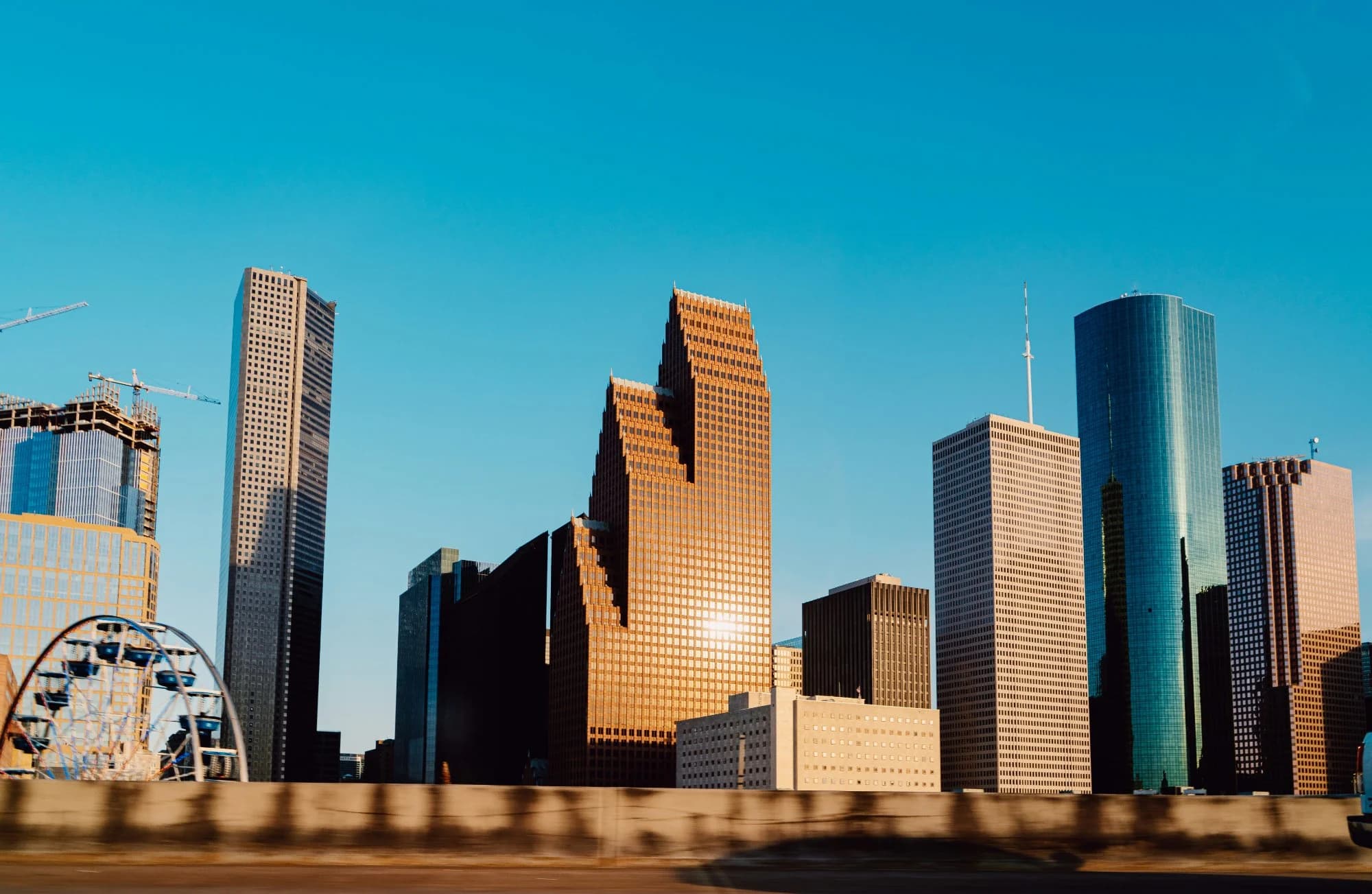
Uptown Houston, anchored by the Galleria, functions as the city's de facto luxury commercial district. It concentrates the highest density of high-end retail, international dining, and corporate headquarters outside Downtown. Suites in this area tend to serve business travelers and affluent visitors whose primary orientation is transactional, whether for commerce, design sourcing, or medical consultations at nearby facilities. The architecture skews contemporary, and properties here invest heavily in in-suite technology and butler-level service infrastructure.
Midtown and Downtown
Downtown Houston holds the city's performing arts campus, including the Wortham Theater Center and Jones Hall, alongside the convention infrastructure that draws significant international traffic. Midtown sits immediately south and carries a denser, more walkable character by Houston standards. Suites in these districts appeal to guests attending galas, energy sector conferences, or performances at the Houston Grand Opera, one of the few American opera companies to have commissioned and premiered major new works. The spatial generosity of suites here is particularly relevant given the scale of formal evening engagements that characterize this part of the city's social calendar.
River Oaks and the Museum District
River Oaks is among the most consistently affluent residential neighborhoods in the American South, and the area around it, extending toward the Museum District and Hermann Park, carries a quieter, more residential luxury register. Guests drawn to the Menil Collection, the Rothko Chapel, or the broader concentration of institutions along Museum Drive tend to prefer properties that mirror that contemplative quality. Suites in this corridor offer a counterpoint to the corporate density of Uptown, prioritizing calm, spatial depth, and proximity to cultural programming over business amenity.
When to visit Houston and what to expect from the luxury calendar
Houston's climate is subtropical, which shapes the visit calendar in ways that differ significantly from northern American cities. The most considered travel window runs from October through April, when temperatures are moderate, outdoor movement is comfortable, and the city's cultural institutions are in full season. The Houston Livestock Show and Rodeo, held annually in late February and March at NRG Stadium, is one of the largest events of its kind in the world and generates significant demand across the hotel market. Suite inventory at premium properties tightens considerably during this period, and advance planning is material.
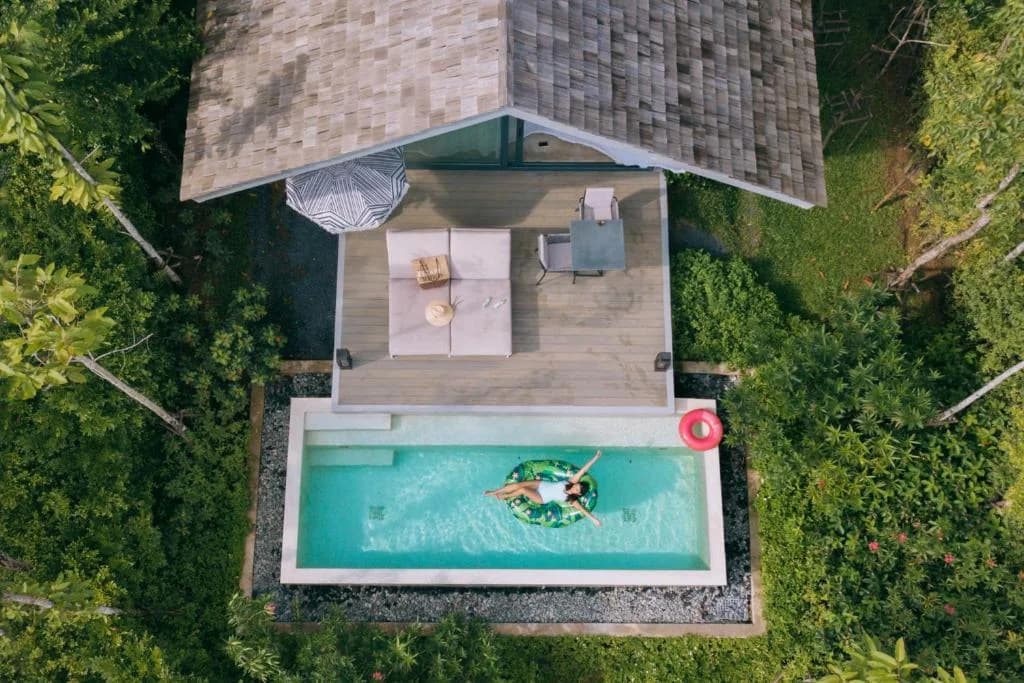
The Houston Art Car Parade in May and the city's major energy-sector conferences in the autumn create additional demand spikes. Summer in Houston is genuinely demanding in terms of heat and humidity, but for guests whose itinerary is primarily interior-focused, whether medical visits, business meetings, or museum programming, the season carries its own logic. Properties with strong pool infrastructure and in-suite climate control are particularly relevant during these months.
Local luxury standards: what distinguishes a top-tier suite in Houston
The United States does not operate a formal Palace designation in the French sense, but Houston's top-tier properties signal their positioning through service ratios, suite footprints, and the quality of their food and beverage programming. The city's restaurant culture is genuinely sophisticated: Houston has more James Beard Award-nominated chefs per capita than many more widely celebrated American culinary cities, and the best hotel properties reflect this by investing in dining experiences that compete with the independent restaurant market rather than simply serving it.
A well-specified luxury hotel suite in Houston will typically offer a minimum of separate living and sleeping zones, dedicated workspace appropriate for executive use, and access to dedicated concierge services calibrated to the city's specific geography. Given Houston's scale and car-dependent infrastructure, the best properties also facilitate private car arrangements and maintain relationships with the city's medical institutions, which draw international patients and accompanying families in significant numbers.
How to choose the right luxury suite in Houston
The primary variable in selecting a suite in Houston is the guest's primary orientation during the visit. The city does not lend itself to a single base from which all destinations are equally accessible. A guest attending medical consultations at the Texas Medical Center, the largest medical complex in the world by physical footprint, requires a different positioning than one attending energy sector board meetings in the Galleria corridor, or a cultural visitor focused on the Museum District's collection of institutions.
Architectural preference is also a meaningful filter. Houston's luxury hotel market skews contemporary: glass, steel, and open-plan suite interiors dominate. Guests seeking historical texture or more intimate architectural scale will need to look more selectively, as the city's development cycles have rarely favored preservation over construction. Floor level and aspect matter in Downtown and Uptown towers, where upper-floor suites can offer genuine views across the flat coastal plain that extends to the Gulf of Mexico on a clear day.
Why a curated selection by La Suite is useful in Houston
Houston's hotel market is large, commercially complex, and not uniformly calibrated to the expectations of guests accustomed to European or Asian luxury standards. Brand flags that carry prestige in other markets do not always translate into consistent suite quality here, and independent properties that would be immediately legible in cities like New York or Los Angeles can be harder to identify without local knowledge.
La Suite applies a consistent editorial standard to every property in its selection, evaluating suite footprint, service infrastructure, dining quality, and the practical intelligence of each property's positioning relative to the city's key districts. For a city as geographically complex and commercially layered as Houston, that curation removes the principal risk of a misaligned choice and ensures that the suite experience matches the quality of the visit it is designed to support.