Understanding luxury hotel suites in Las Vegas
For the discerning traveler, this density of high-end inventory is both an opportunity and a navigation challenge. La Suite exists precisely to resolve that tension, presenting only the properties and suite categories that meet a consistent standard of spatial quality and service infrastructure.
The distinct zones of Las Vegas for suite stays
The Strip
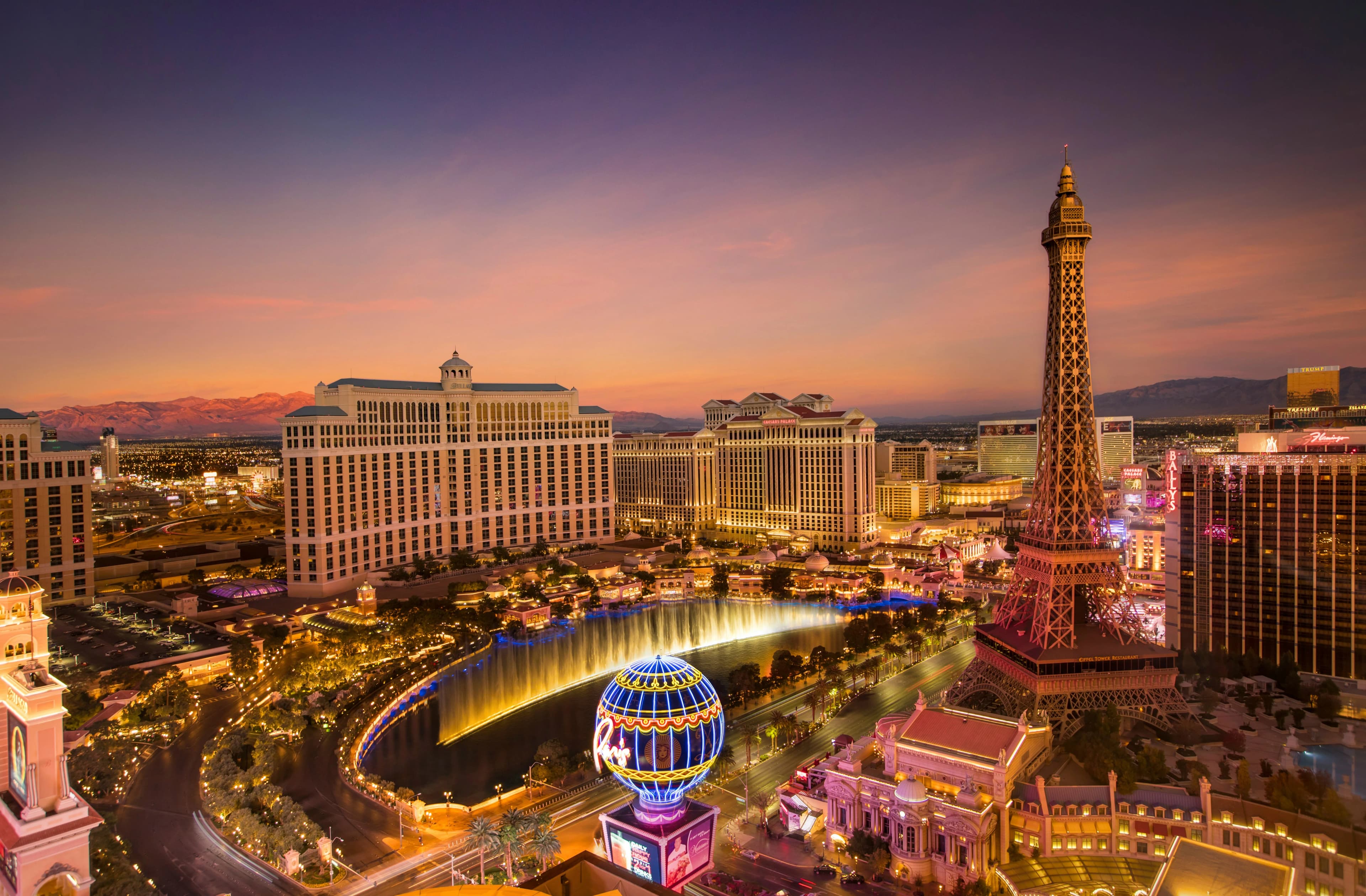
Las Vegas Boulevard South, known universally as the Strip, remains the primary address for large-format luxury hotel suites. The corridor runs approximately four and a half miles and concentrates the majority of the city's most architecturally significant resort properties. Suite categories here tend toward the monumental: multi-bedroom sky villas, floors dedicated entirely to penthouse accommodations, and suites designed with their own entrance foyers, professional kitchens, and private terraces overlooking the desert basin. The Strip is the correct choice for travelers whose stay is inseparable from the full Las Vegas production.
Downtown and the Arts District
Downtown Las Vegas presents a different register entirely. The Fremont Street area and the adjacent Arts District have attracted a quieter, more design-focused hospitality layer in recent years. Properties here tend to be smaller in scale, with a curatorial approach to interiors that contrasts with the theatrical maximalism of the Strip. For travelers who want proximity to the city's emerging cultural infrastructure, including independent galleries, chef-driven restaurants, and the monthly First Friday arts market, this area offers suite accommodations within a more considered urban context.
Summerlin and the resort corridor
The western edge of the Las Vegas Valley, anchored by the master-planned community of Summerlin and the Red Rock Canyon National Conservation Area, supports a different category of luxury stay. Resort properties here are lower in density, with suite configurations oriented toward landscape rather than cityscape. The Mojave Desert backdrop, with its characteristic red sandstone formations, provides a visual and spatial counterpoint to the neon intensity of the central Strip. This corridor appeals to travelers combining a Las Vegas visit with outdoor pursuits: hiking, climbing, or simply the deliberate stillness of a desert morning.
When to visit Las Vegas for a luxury suite stay
Las Vegas operates year-round, but the travel calendar has meaningful implications for suite availability and pricing. Spring, specifically late March through May, and autumn, from September through November, represent the most comfortable periods climatically. Temperatures sit between 15 and 28 degrees Celsius, making outdoor terrace use practical and the desert landscape at its most visually resolved.
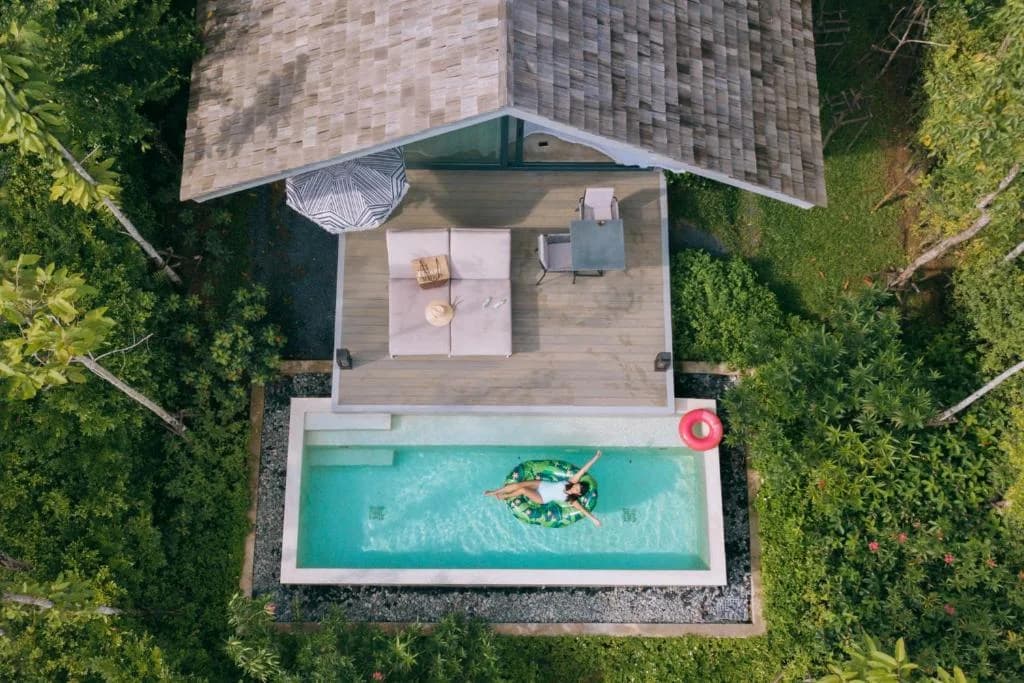
Summer, from June through August, brings extreme heat, with temperatures regularly exceeding 40 degrees Celsius. Many travelers avoid this period; paradoxically, this can create suite availability and rate conditions that are favorable for those willing to manage the climate through the architecture of the stay itself, specifically properties where the suite's private pool or shaded terrace functions as a contained environment.
Key calendar events that affect suite availability significantly include the Consumer Electronics Show in January, which draws over 100,000 industry attendees; the Formula 1 Las Vegas Grand Prix, established on the calendar from 2023 and held in November; and a rotating series of major boxing and UFC events that compress availability across the entire Strip with very little notice. Booking with meaningful lead time during these windows is a practical necessity rather than a preference.
Local luxury standards: what defines a top-tier suite in Las Vegas
Las Vegas does not use a formal prestige designation equivalent to the French Palace label or the Forbes Five-Star system in isolation. The operative standard in this market is the AAA Five Diamond rating, which is awarded to fewer than one percent of assessed properties in North America and signals a consistent level of facilities, service delivery, and spatial quality. Several Strip properties hold this designation.
Beyond formal ratings, the Las Vegas suite market has developed its own vocabulary of quality signals. The term sky villa refers to large-format multi-bedroom suites occupying upper floors, typically with panoramic glazing and private pool or hot tub configurations. Penthouse suites in this context frequently occupy entire floors with dedicated elevator access. The better operators have invested in residential-quality kitchens, private gym facilities within the suite footprint, and dedicated butler or villa host services that function as a contained service team rather than a shared concierge resource.
What distinguishes the highest-tier properties from the merely expensive is the quality of the spatial sequence: how the suite is entered, how daylight is managed across different times of day, and how the relationship between interior and exterior is resolved. These are architectural considerations, and they separate genuinely exceptional suites from large suites that are simply large.
How to choose the right luxury suite in Las Vegas
The primary decision axis in Las Vegas is between immersion and separation. Travelers who want the full integrated resort experience, with immediate access to gaming floors, multiple restaurant venues, entertainment programming, and the social energy of the major properties, should focus on the central Strip addresses where the suite is positioned within a complete ecosystem. Travelers who want privacy, quiet, and a more residential quality of experience should look at properties with dedicated tower access, separate check-in processes, and suite floors that are architecturally insulated from the resort's public levels.
A second consideration is the relationship between indoor and outdoor space. Las Vegas suites vary considerably in how much usable exterior space they provide. A private terrace with a plunge pool at altitude is a genuinely different experience from an interior suite at the same price point, and the difference matters particularly in spring and autumn when the climate supports extended outdoor time.
Finally, the service model matters as much as the physical space. The best Las Vegas suites come with dedicated staffing that allows the stay to function on the guest's own schedule rather than the resort's operational rhythm. This distinction, between a large room with good service and a genuinely private residential experience, is where the curation judgment of La Suite is most useful.
Why a curated selection by La Suite is the right starting point
The Las Vegas hotel market produces more suite inventory than almost any comparable city, and not all of it justifies the price. The curated selection by La Suite is built around a specific editorial standard: spatial quality, architectural coherence, and service infrastructure that supports genuine privacy. This filters out properties where the suite category exists primarily as a revenue mechanism rather than a considered hospitality product. For travelers who value their time and have a precise sense of what a suite should deliver, starting with a curated selection is not a luxury, it is a discipline.