








Junior Suite and Classic Suite: An Introduction to Residential Art of Living
BY Jules Peulet
The world of luxury hospitality has undergone profound changes over the past decade. Today's travelers no longer cross the threshold of a prestigious establishment with the sole objective of spending a night there. They come to stay, to claim a space, to live. In this quest for appropriation, the traditional hotel room, however luxurious, sometimes shows its functional limits: its center of gravity remains the bed.
This is where the pivotal shift toward residential luxury occurs: the Junior Suite or Classic Suite. Often perceived (mistakenly) as merely a "larger room," this type of accommodation is actually the true entry point into the art of living in a hotel. It is the precise moment when interior architecture ceases to be purely functional and becomes a living space in its own right. Understanding the anatomy of these suites means understanding the very essence of what transforms a simple journey into a true aesthetic experience.
Anatomy and Volumetry: What Concretely Defines This Suite?
The fundamental difference between a room and a suite goes far beyond a simple addition of square meters. It lies in the redefinition of volume and the introduction of a non-negotiable element: the living corner, or living area. In a suite, one no longer sits on the edge of one's bed to read the press or have coffee; instead, there is a dedicated space, designed for wakefulness and daytime relaxation.
This integration of living space is expressed primarily through two architectural schools: complete open-plan design and strict separation.
The Junior Suite: A Celebration of Open-Plan Living
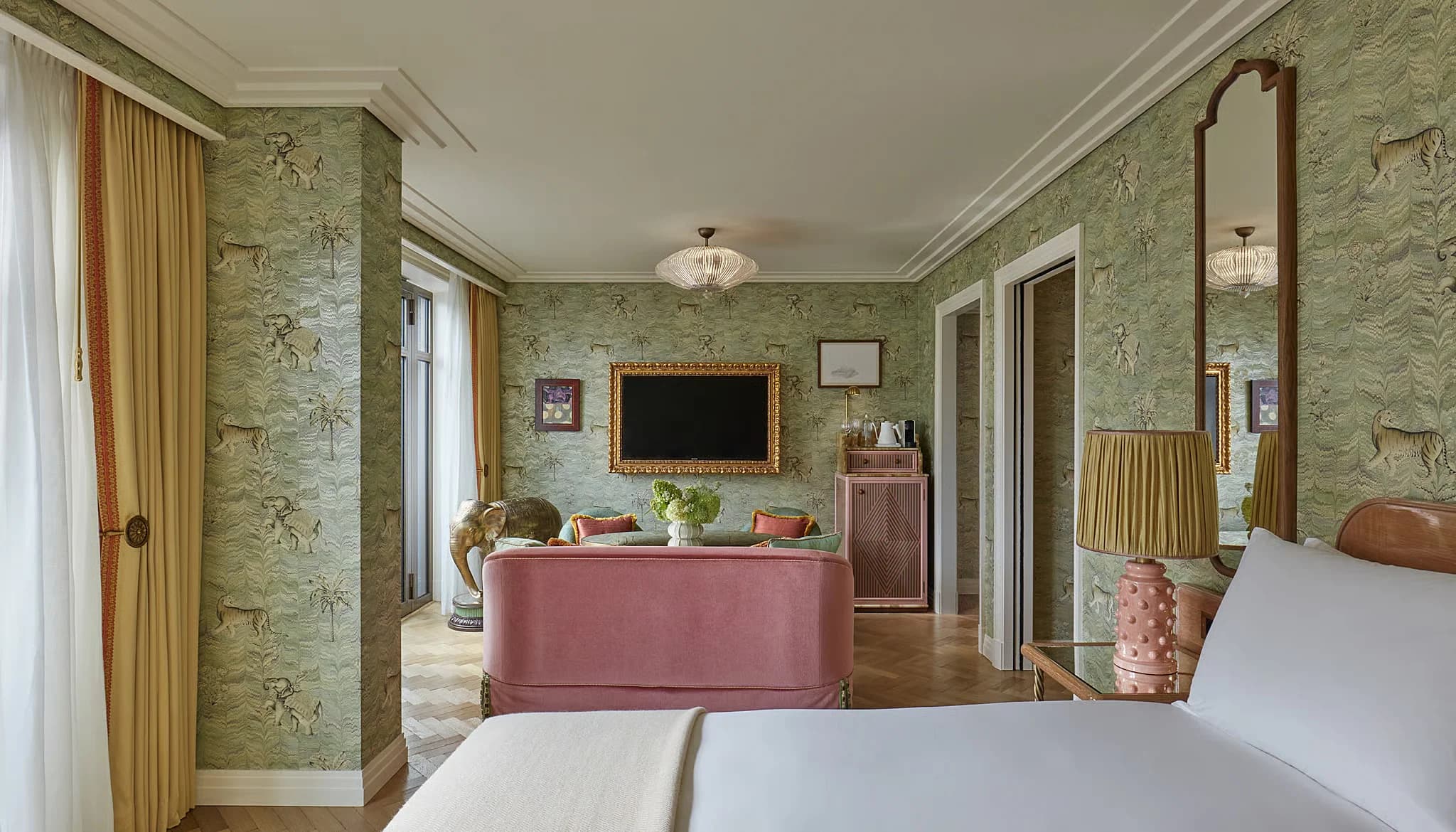
The Junior Suite is the pinnacle of fluidity. Technically, it is characterized by an open floor plan. The bed and living area share the same visual space and, more importantly, the same natural light. This absence of a partition wall between the sleeping and living spaces offers immediate breathing room and a sense of spaciousness that is highly desirable in an urban setting.
It is a philosophy of space masterfully interpreted in New York. In a city where every square meter is precious, offering an open and vibrant volume is absolute luxury. For example, when examining the design of certain legendary addresses on Fifth Avenue, the Junior Suite becomes a canvas for artistic expression. The living corner, richly appointed with opulent sofas, coffee tables, and works of art, engages directly with a majestic sleeping space, with no partition wall breaking the perspective or the light from the immense windows overlooking the buzz of New York.
For a complete immersion in this open-plan New York spirit, we invite you to discover The Mansion Suite at The Fifth Avenue.
The Classic Suite (One-Bedroom): The Separation of Spaces
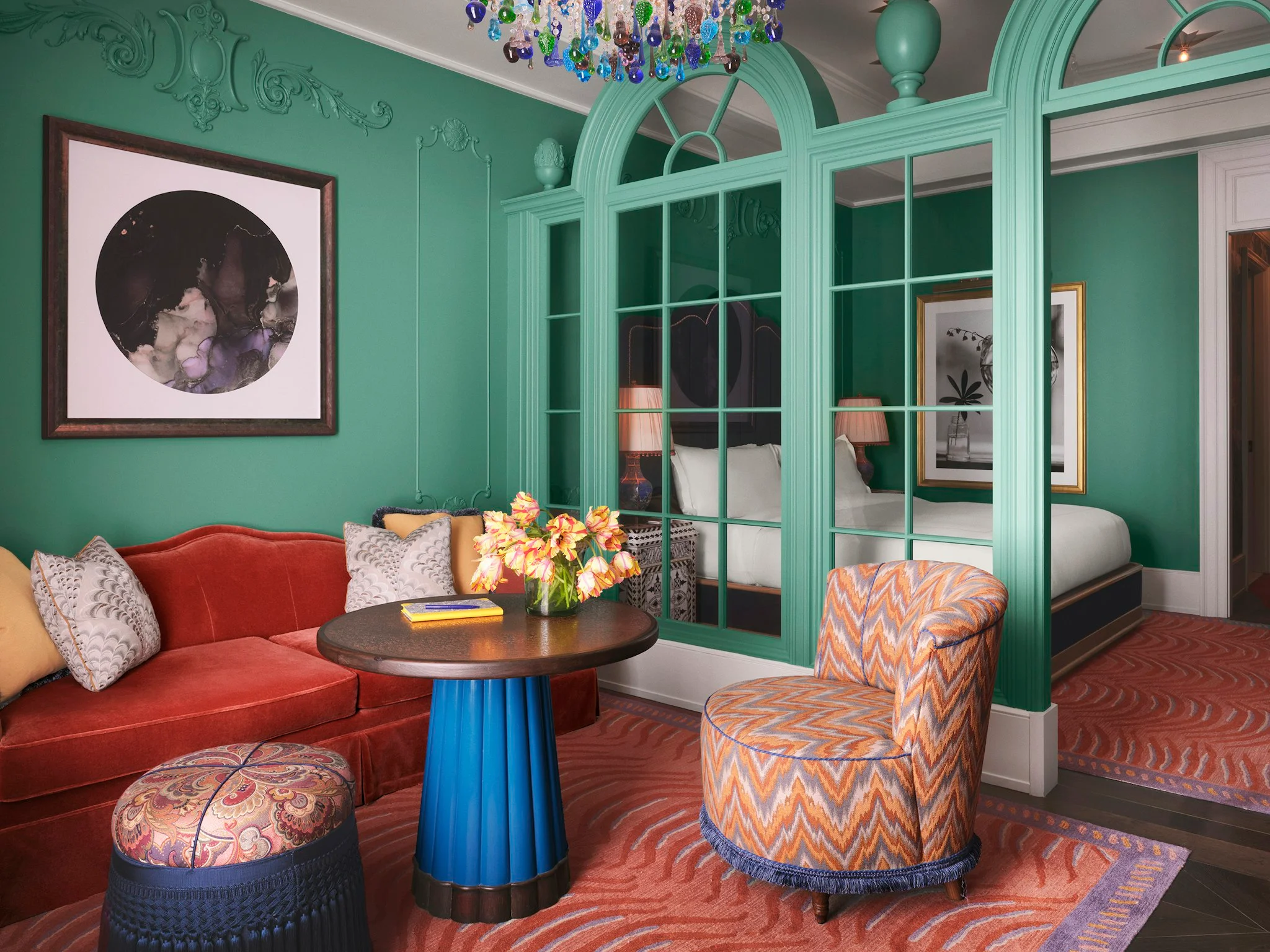
In contrast to the Junior Suite, the Classic Suite (often called "One-Bedroom Suite") introduces a genuine physical barrier. Double doors, a sliding door, or an architectural separation strictly divide the living room from the bedroom.
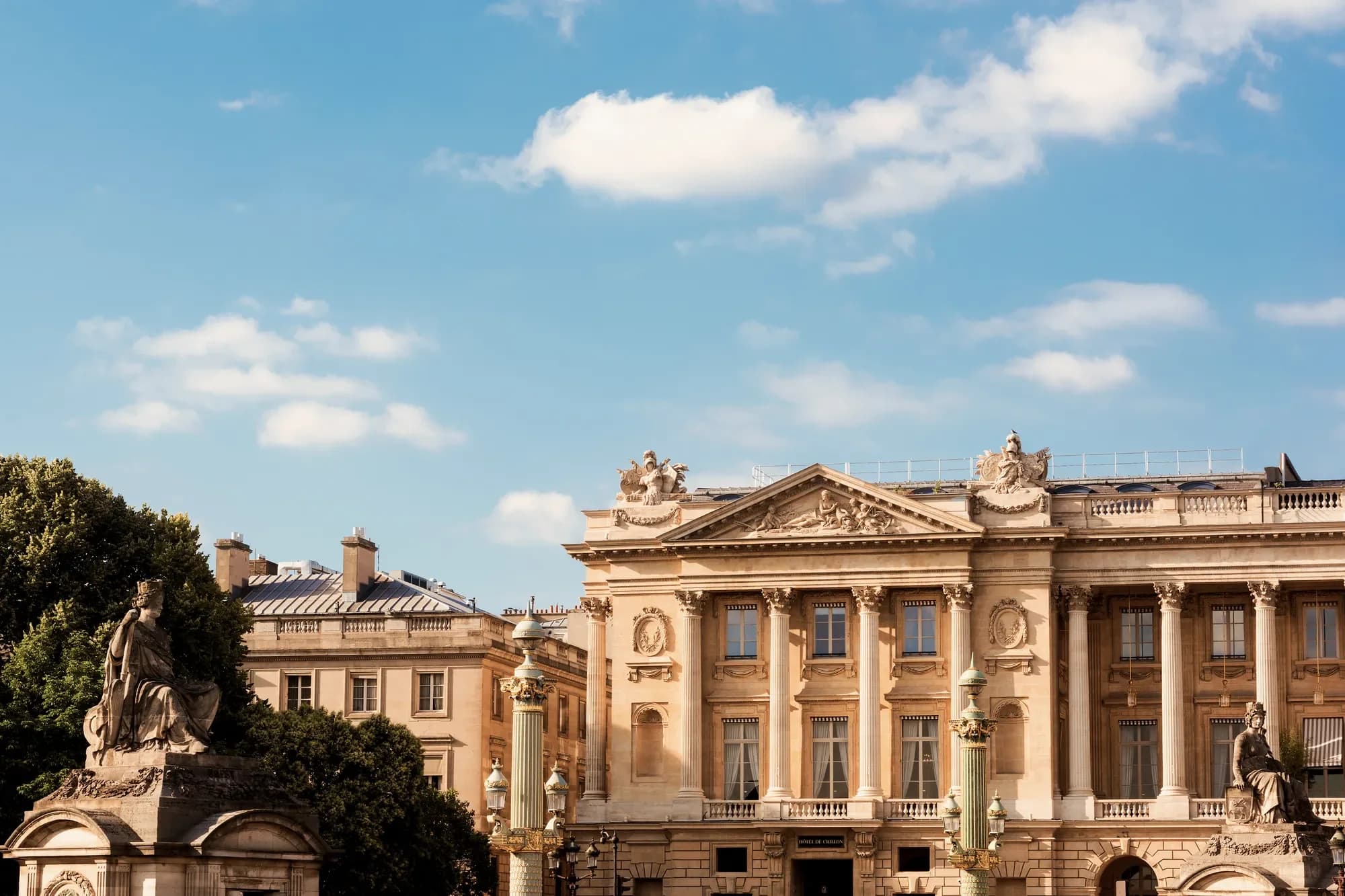
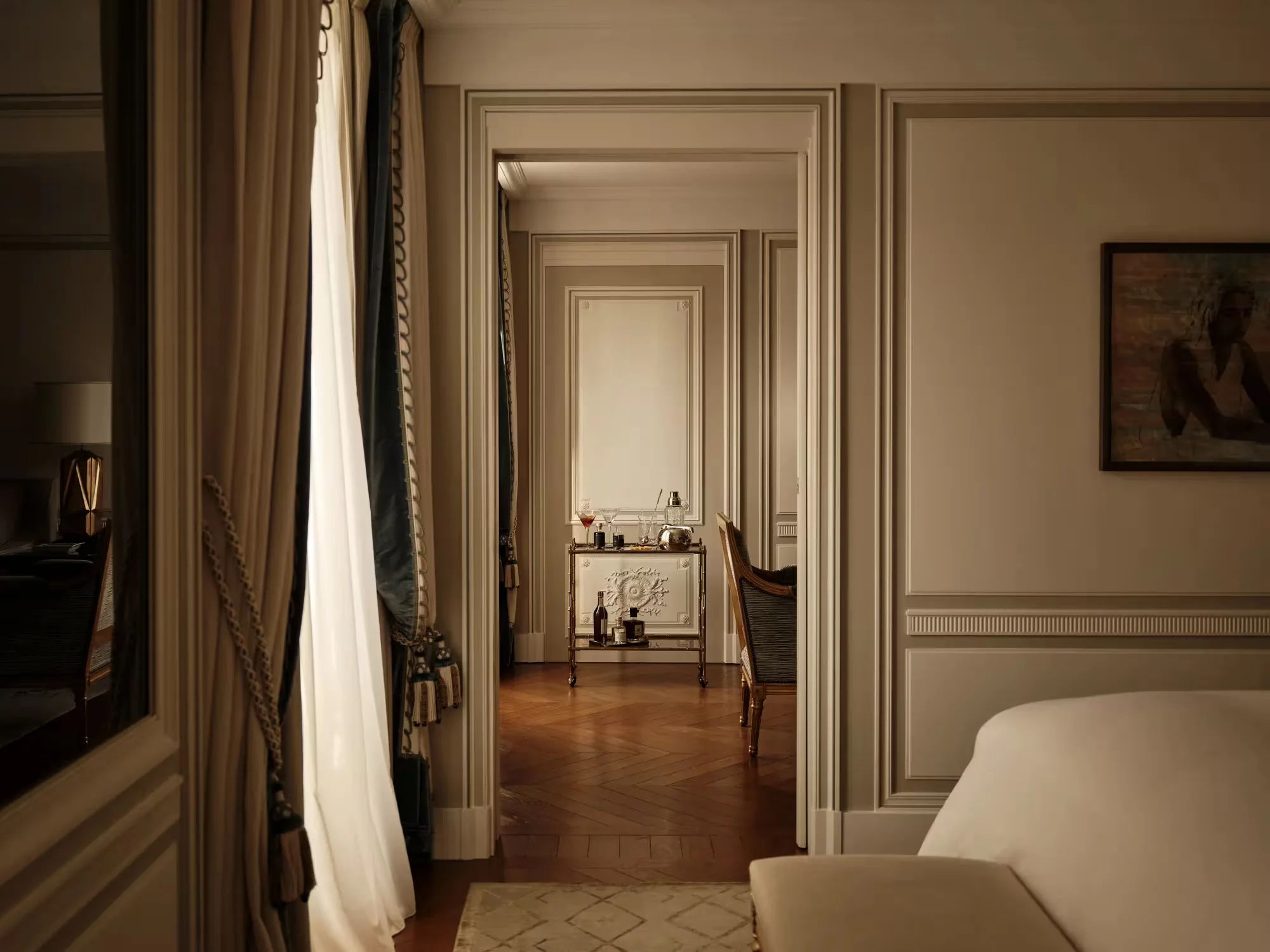
The purpose is psychological: it is about dividing the temporalities of the stay. The living room becomes the place for reception, work or room-service dining, while the bedroom remains an inviolable sanctuary, exclusively dedicated to rest. This is the very essence of classicism, particularly prized in European historic palaces. In Paris, this separation of spaces reaches heights of refinement. Haussmann or neoclassical architecture lends itself wonderfully to this. At the most iconic addresses on Place de la Concorde, the Classic Suite presents itself as a genuine private Parisian apartment. The grand living room, adorned with woodwork and fine furnishings, is a reception room in its own right, allowing you to receive guests or hold an informal meeting without ever revealing the privacy of the adjacent sleeping area.
To experience the quintessence of Parisian refinement and the perfection of this space separation, do not hesitate to book the Deluxe Suite at Hôtel de Crillon.
To master all the nuances of residential luxury and choose the perfect setting adapted to your needs, it is essential to understand the definitive guide to the hierarchy of suites.
The Invisible Advantages: Beyond Square Footage
Opting for the first category of suite in a prestigious establishment offers you far more than additional space. It unlocks a series of invisible advantages that radically transform the quality of your stay.
Location and Acoustic Control
When designing a hotel, architects systematically reserve the best locations for suites. A Junior Suite or Classic Suite will very often benefit from a corner building location (offering dual exposure), or be situated on upper floors.
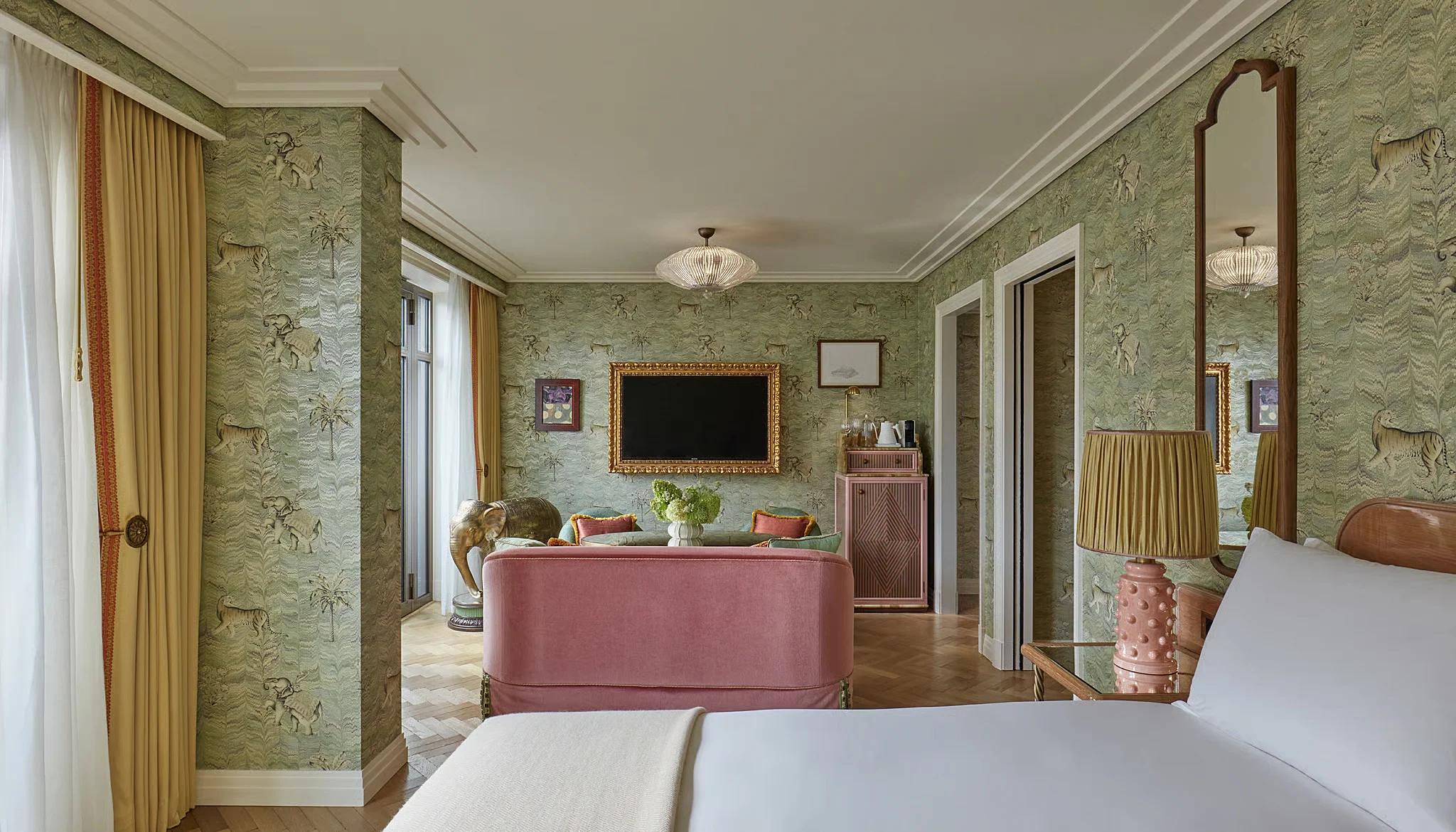
This advantage is crucial in vibrant metropolises. In London, for example, the challenge is to enjoy the energy of extremely lively neighborhoods like Soho, while guaranteeing restorative silence. Suites, thanks to their strategic location within the building and their deeper entrance vestibules, offer superior acoustic insulation. The living room often serves as a buffer zone, protecting the bedroom from hallway noise. The eccentricity and bold design of a neighborhood can thus line the walls of the living room, while the volume of the room guarantees royal peace.
To understand how London design marries with the exclusivity of a strategic location, take the time to explore the Broadwick Suite at Broadwick Soho.
Historic envelope and service excellence
Another major advantage of these suites lies in the level of service often attached to them. In many ultra-luxury establishments, upgrading to "Suite" category triggers specific protocols: room check-in, personalized daily culinary attention, or even assignment of a butler service.
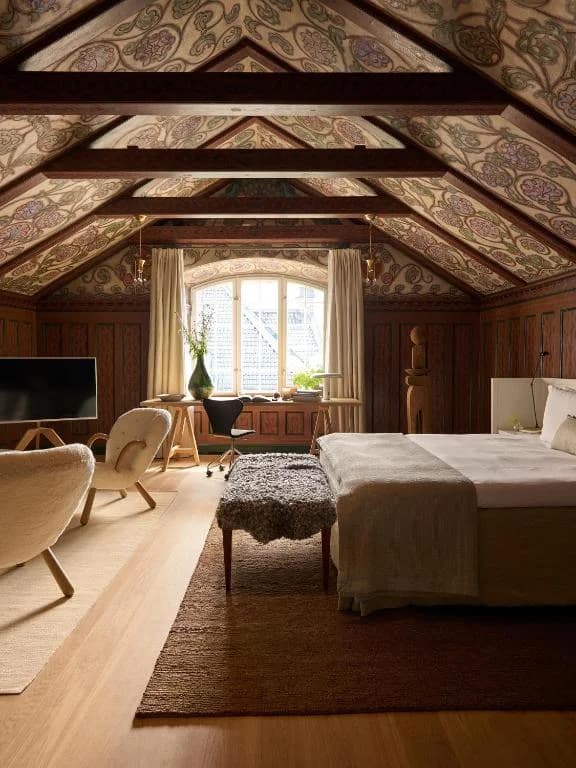
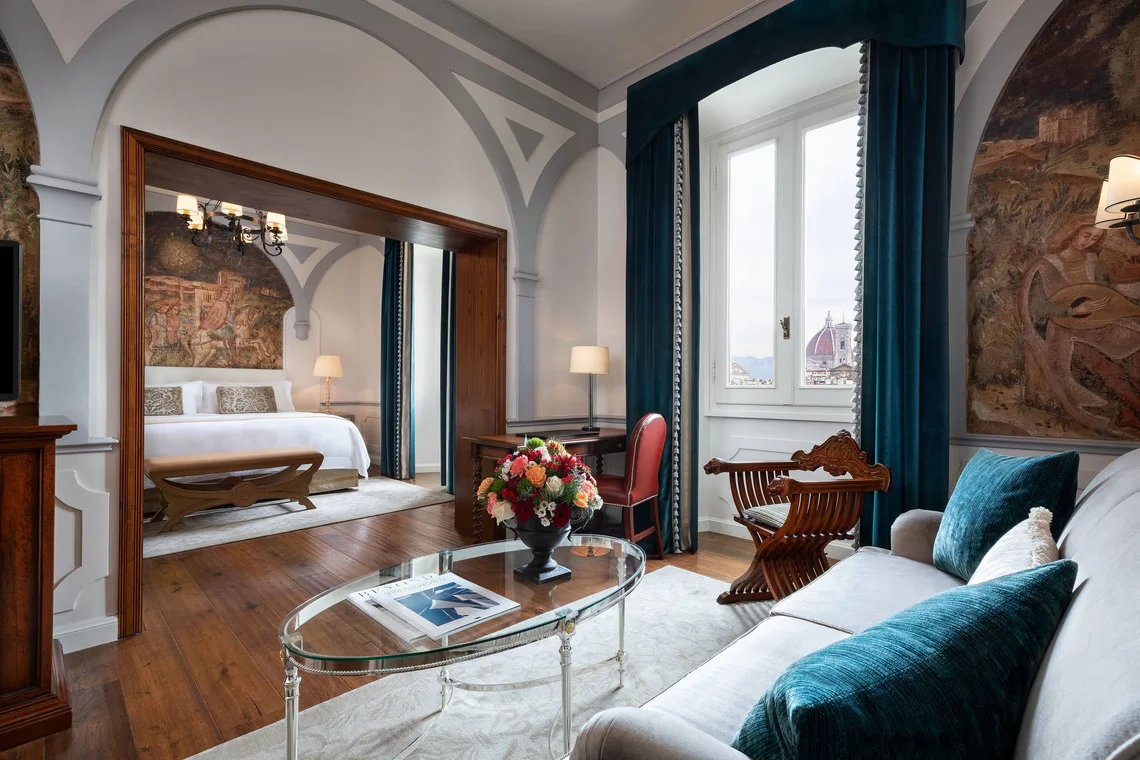
It is in cities with dense historic heritage that this upgrade takes on full meaning. In Italy, opting for a suite in the heart of the Renaissance often allows you to claim a piece of history. The more spacious volumes of these suites make it possible to preserve frescoed ceilings, massive four-poster beds and heavy drapes without the space feeling cramped. The living room becomes the extension of a palace, and ultra-personalized service sublimes this sensation of inhabiting history, transforming a simple cultural trip into an aristocratic retreat.
Immerse yourself in the elegance of the Italian Renaissance by taking the care to discover the Suite at St. Regis Florence.
The architecture of a suite would be nothing without the excellence of its service. It is the artisans of exceptional hospitality who work behind the scenes to transform a simple stay into a bespoke experience.
And beyond square footage, it is a strict combination of exclusive advantages that defines excellence and the architectural hierarchy of elite suites.
Who is this suite type designed for?
If presidential suites are often reserved for delegations or very special events, the Junior Suite and Classic Suite are designed for a much larger, more discerning public, conscious of the value of their time.
The weekend aesthete and the urban traveler
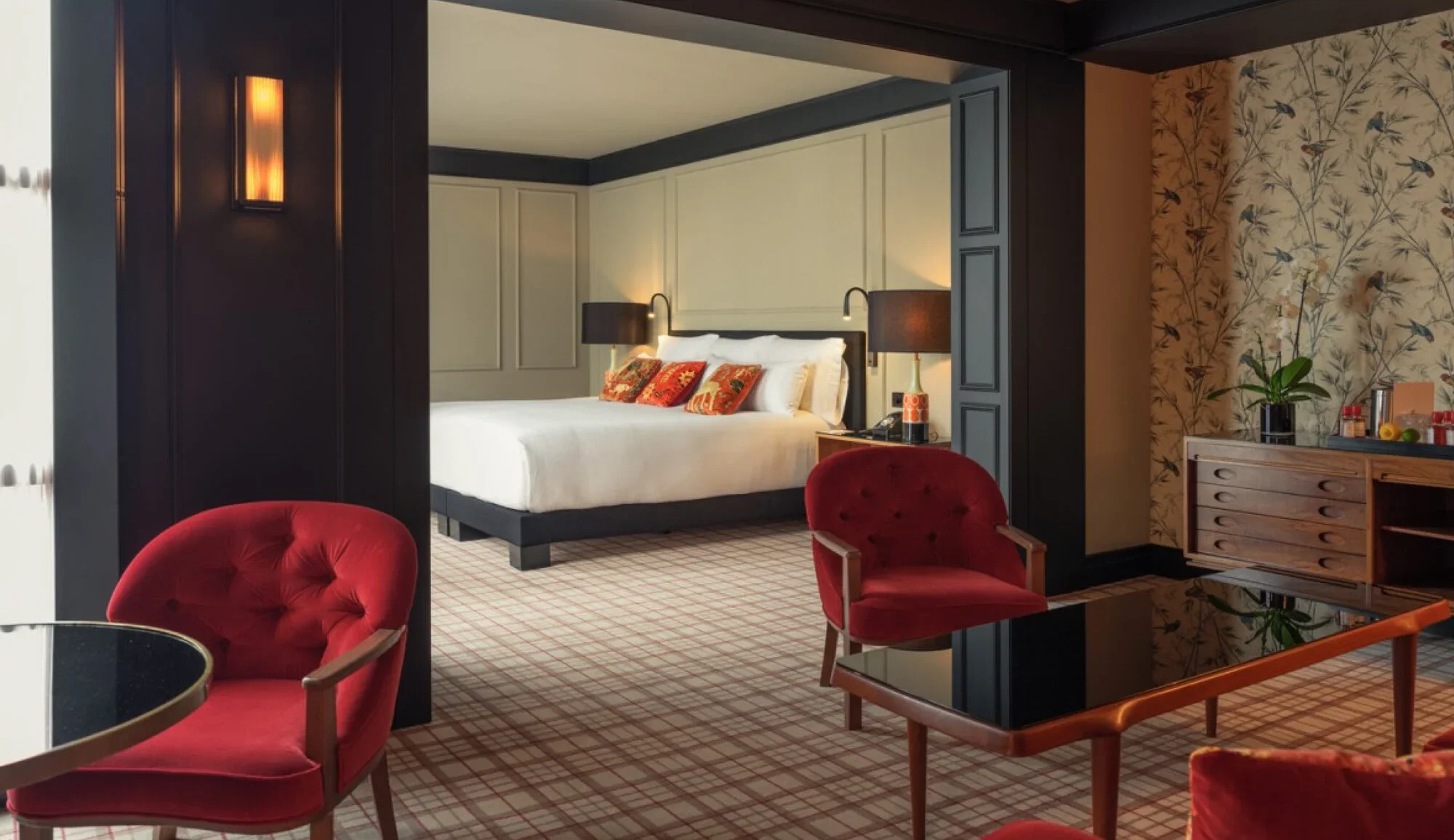
For a short stay (two to three nights) in a major European city, a suite is the ideal setting. After hours spent wandering through historic streets, the need to find a true refuge, intimate and enveloping, is paramount. In neighborhoods with very dense urban planning like Barcelona's Gothic Quarter, finding a hidden hotel that offers suites with generous volumes and hushed living rooms is a rare privilege. This is for couples or solo travelers who want to order a glass of wine, settle comfortably into a design armchair, and debrief their day away from the crowds, in hushed silence.
To experience this urban seclusion and confidential design, we suggest you discover the Wittmore Suite at the Wittmore Hotel.
The business traveler and the high-end remote worker
As mentioned in our approach to workation, having a living area is vital for anyone who needs to work. The Classic Suite, with its desk often placed in the living room, allows you to concentrate fully without seeing your bed, thus promoting productivity before enjoying the city.
The "Slow Traveler"
Finally, these suites are for those who reject urgency. Those who love taking time to live in their hotel, to enjoy the premium bathroom (which offers, from this category onward, deep bathtubs and separate showers), and to make the space their own as if they lived there year-round.
The ultra-luxury market is constantly evolving to satisfy these travelers, and aesthetes seeking unparalleled design will naturally turn to the 5 new hotel suites to open this season.
The promise of luxury without compromise
Choosing a Junior Suite or a Classic Suite is never a compromise. It is instead an affirmation of a travel philosophy: one that refuses for a hotel to be merely an upgraded dormitory. By offering intelligent volumes, a true separation of functions and privileged locations, these spaces form the foundations of hotel luxury. They prove that true elegance lies not only in the materials used, but above all in the space offered to us to live.
If the separation of spaces evokes French classicism, you will find this demand for perfection in our ultimate guide to hotel suites in Paris.
Silence at the heart of urban hustle is a British specialty, an asset found in our selection of the finest luxury suites in London.
The art of suite living takes on an unparalleled historical dimension in Italy, as evidenced by our ultimate guide to hotel suites in Rome.
FAQ: Understanding Entry-Level Suites
What is the exact difference between a "Deluxe" room and a "Junior Suite"?
The main difference lies in the space allocated to the living area. A Deluxe room typically offers one or two functional armchairs. A Junior Suite integrates a true lounge space (living area), often comprising a sofa, a coffee table and sometimes a desk, all offering considerably more floor space, though still without a strict wall separation from the bed.
Is a Classic Suite (One-Bedroom) suitable for a family?
Yes, it is often the optimal strategic choice for a couple with one or two young children. Unlike the Junior Suite (where everyone sleeps in the same room), the Classic Suite has a separate lounge separated by a door. Hotels can easily add extra beds or set up a sofa bed, allowing parents to maintain the privacy of their own bedroom.
Is it better to choose a Junior Suite or a Classic Suite for working?
If your goal is remote work or a workation, the Classic Suite is highly recommended. The physical separation of rooms allows you to set up your workspace in the lounge, conduct video calls without exposing your bedroom, and most importantly, "close the door" on your workday when it's time for bed.
Are the bathrooms different in these suites?
Absolutely. The upgrade to suite category very often marks a significant shift in bathroom design. It is generally from the Junior Suite onwards that establishments systematically incorporate a double vanity, a freestanding bathtub alongside an Italian shower, and welcome amenities of superior quality or in more generous formats.

More from the Journal
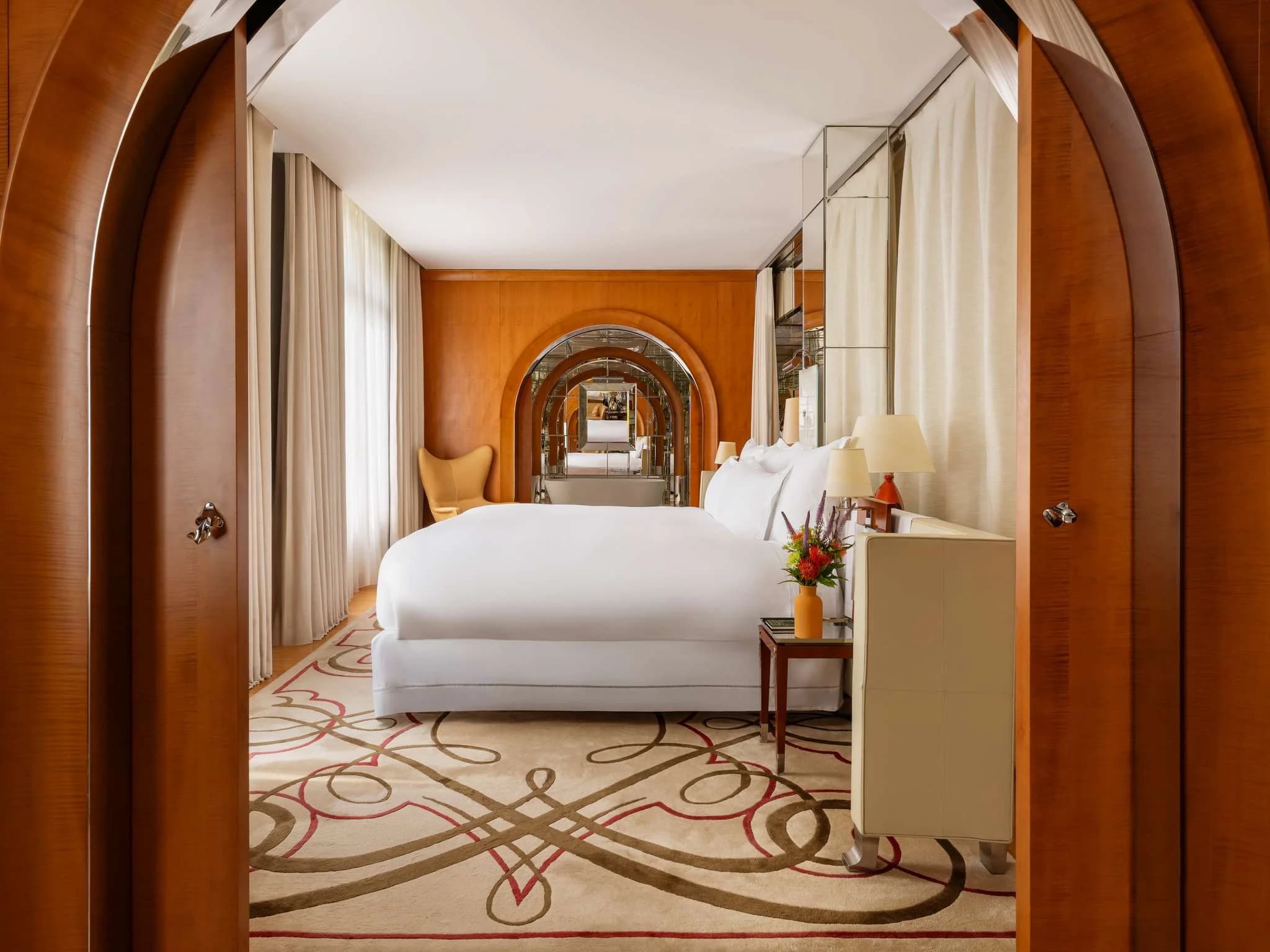
What is a Signature Suite? Decoding the Ultimate Hotel Experience
In the highly codified world of luxury hospitality, there comes a moment when standardization, even when it reaches heights of perfection, gives way to a unique work of art. Today's traveler, often an aesthete and seasoned visitor to international palaces, no longer seeks merely a defined number of square meters or impeccable equipment standards. They are in search of a soul, a narrative, and a strong identity.
This is where the "Signature Suite" takes center stage. As we explored in our investigation of the Junior Suite and Classic Suite, an introduction to residential art de vivre, the transition to suite category marks a spatial break. But the Signature Suite marks an emotional and artistic rupture. It signals the end of anonymous room numbers, replaced by a proper name. It embodies the very essence of the establishment that houses it.
BY Jules Peulet
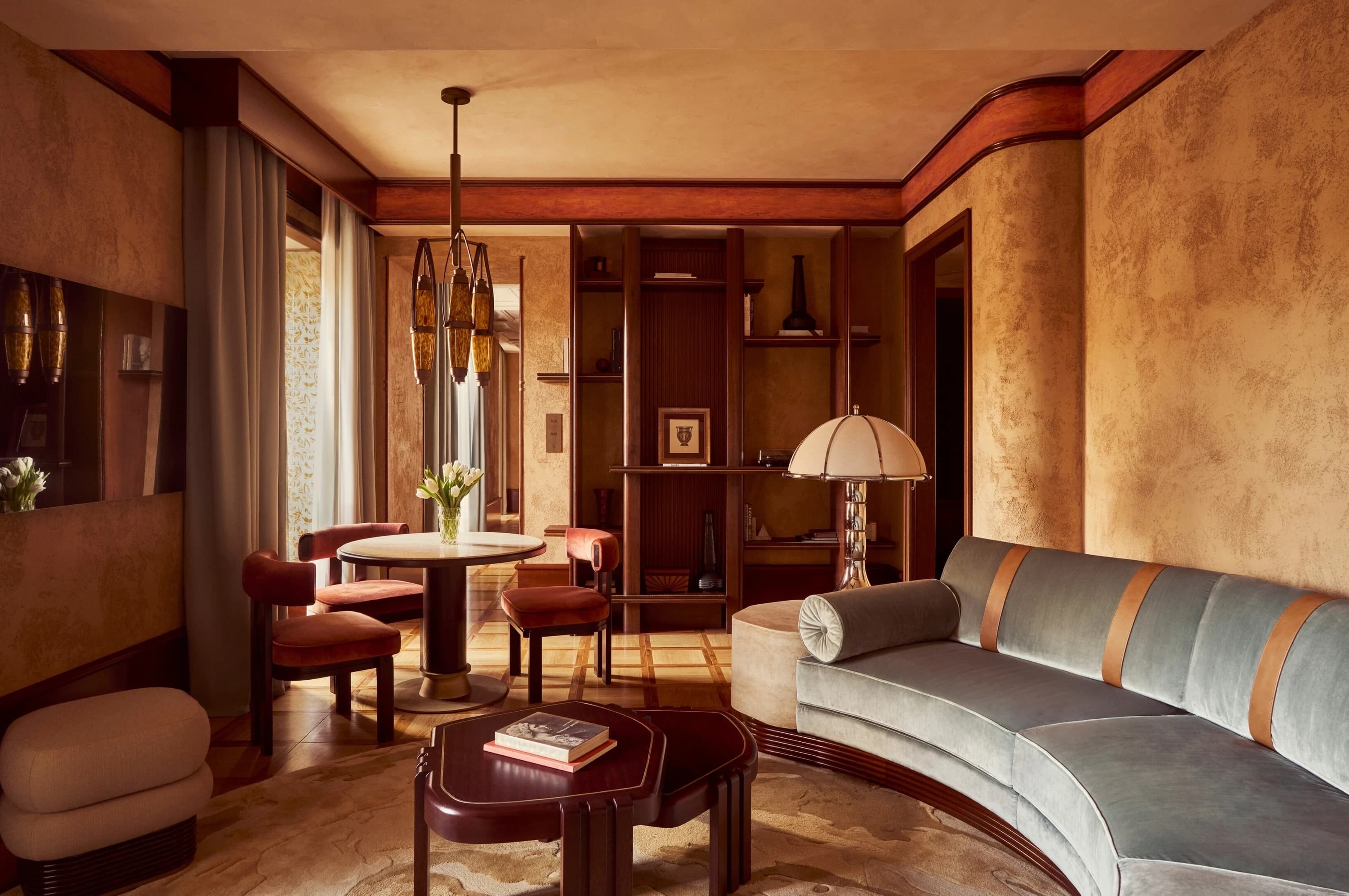
Beyond the Bedroom: The Definitive Guide to Suite Hierarchy
Booking a suite is often perceived as the pinnacle of the hotel experience. Yet behind this term lies a sometimes complex reality. Between a Deluxe Suite and a Signature Suite, the differences touch on architecture, intimacy, and storytelling. Here is your technical manual to decode the language of luxury.
BY Jules Peulet
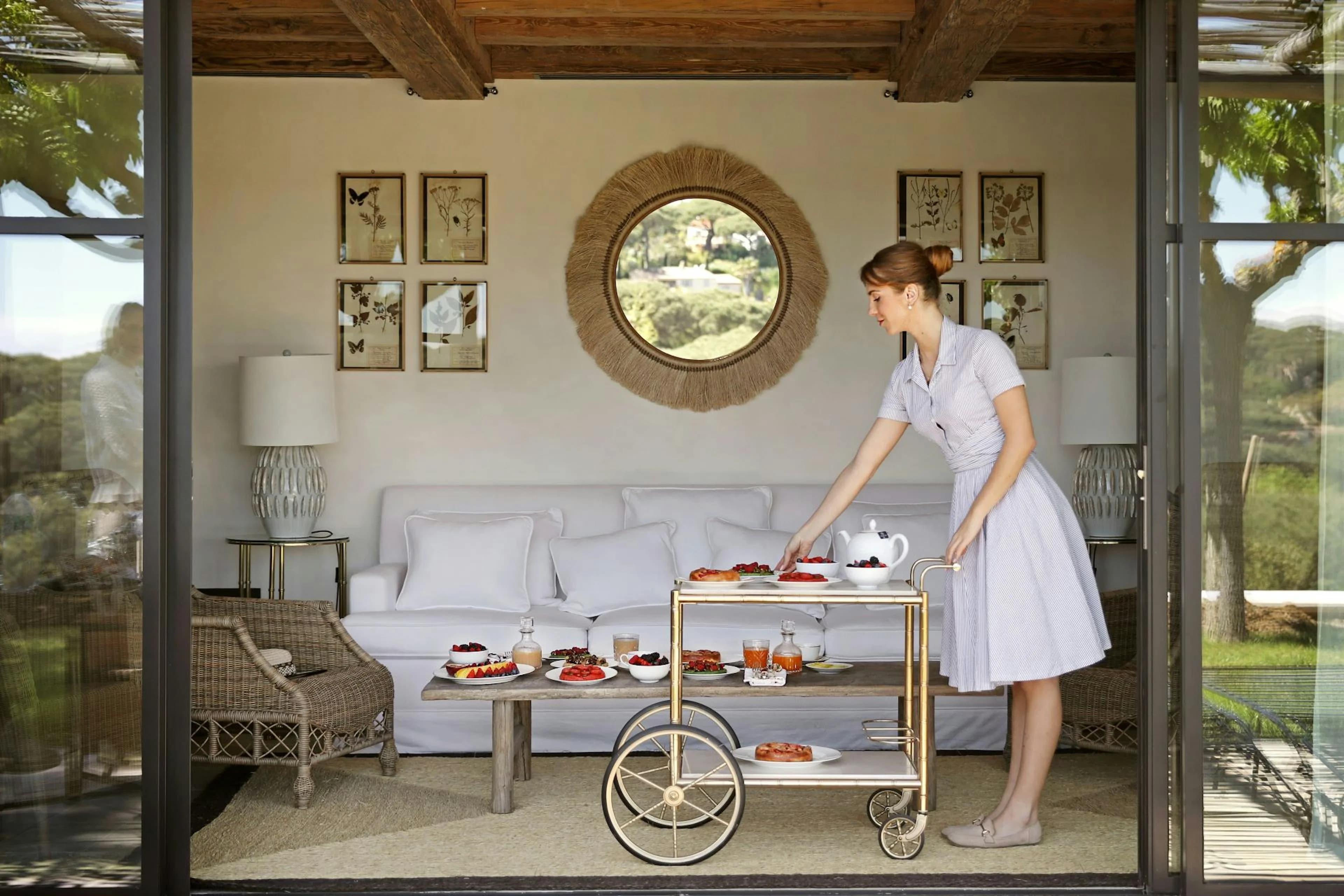
The Artisans of the Instant: The Human Face of Exceptional Hospitality | LaSuite.com
Luxury is not a standard; it is a human performance. Step behind the heavy mahogany doors to meet the invisible artisans who transform an architectural shell into a living, breathing sanctuary of bespoke care.
BY Jules Peulet