
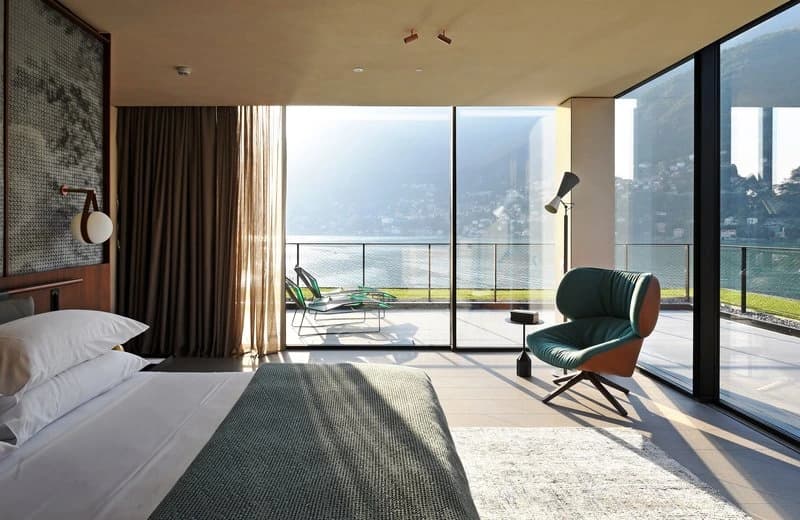
Defining Exception: The Architectural Hierarchy and Services of Elite Suites
BY Jules Peulet

Luxury is not a sensation; it's a technical standard. Before booking, learn to decode the hierarchy of the world's most exclusive suites and discover the invisible engineering that separates a standard room from a true masterpiece of hospitality.
In the global hospitality market, the term "suite" has dangerously lost its meaning. The industry's marketing departments have appropriated the word to describe everything, from a simple room with a slightly larger floor plan to the most sumptuous and majestic residence on the planet. For the uninitiated traveler, this lack of technical transparency is not simply confusing, it is a financial trap. Paying a premium for a "suite" does not automatically guarantee a high-end experience, nor does it ensure the level of service, privacy, or architectural excellence that the designation implies.
To master the world of ultra-luxury travel, one must go beyond the marketing brochure and understand the fundamental hierarchy of the product. An elite suite is not defined by its surface area alone; it is defined by its spatial orchestration, its operational autonomy, and its specific service ecosystem. Whether you are seeking a Junior Suite for a short business stay or a vast Royal Residence for an international summit, the value lies in understanding the engineering of space and the invisible service infrastructure that accompanies it.
This master guide establishes the definitive technical hierarchy of hotel suites. We deconstruct standard industry nomenclature, analyze the essential structural and technological requirements of a true luxury residence, and provide the independent roadmap necessary to identify which establishments design genuine sanctuaries and which merely simulate luxury.
1. The Nomenclature of Space: Decoding the Hierarchy
The technical categorization of hotel suites goes beyond a simple list of names; it reflects the functional intention of the room and its structural relationship with the rest of the establishment. Understanding these designations allows the traveler to anticipate the layout, amenities, and level of privacy he or she will encounter upon arrival. Consult our dedicated page on suite categories.
The Junior Suite (The Base Product): In the technical hierarchy, the Junior Suite is the point of transition. It is not, by definition, a "suite" in the classical sense, as it lacks physical separation between the sleeping area and the living space. It is a large open volume. However, a true luxury Junior Suite must feature a designated lounge area, an oversized bathroom, and clear architectural distinction between the sleeping zone and the rest of the room. It is the ideal instrument for the frequent business traveler who needs extra space during a 48-hour stay but does not require a formal reception lounge.
The Executive Suite and One-Bedroom Suite (The Residential Foundation) : This is the foundation of true residential luxury. The technical standard for a one-bedroom suite is absolute: there must be a physical structural wall and a lockable door between the public living area and the private bedroom. This separation is the cornerstone of professional travel, allowing you to receive business partners or hold private meetings in the living room while preserving the complete privacy of the sleep sanctuary.
Presidential and Royal Residences (The Sovereignty Tier) : These are the apex of the hierarchy. A presidential suite must, according to industry standards, occupy a privileged floor, offer multi-room layouts and provide the most spectacular views of the destination. A Royal Residence, however, transcends the presidential category through its sheer scale, exclusivity and ability to function as an autonomous fortress. These spaces often include private dining rooms, kitchens for personal chefs, and sometimes their own independent entrance and private elevators. To master the specifics of these tiers, consult our detailed Daughter Article: Beyond the Bedroom: The Definitive Guide to Suite Hierarchy.
2. The Architecture of Comfort: What Defines a True Suite?
A suite displaying a five-figure nightly rate must offer far more than furniture. It must provide an optimized human environment. The architecture of comfort in an elite suite rests on three non-negotiable technical pillars: Acoustic Isolation, Spatial Flow and Invisible Technology.
Acoustic Isolation : The primary indicator of a "budget" suite is noise pollution. In a true luxury residence, walls must be designed for complete sound attenuation. This is achieved through the use of weighted vinyl, double-stud framing and high-density acoustic plaster. A suite is only as good as its silence. If you can hear elevator vibrations or the muffled sound of your neighbor's television, the property has failed in its fundamental duty. True elite suites offer a "dead" acoustic environment, which is the necessary prerequisite for the restorative sleep demanded by CEOs and high-end clients.
Spatial Flow : Flow is the invisible director of the client experience. An elite suite must be designed so that friction is never encountered. This means the layout must follow a logical and intuitive path: from the entry vestibule, toward the grand living room, and finally toward the private quarters. The bathroom must be accessible through a dressing area, acting as a secondary airlock that protects the bedroom from humidity and light from the wet areas.
Invisible Technology: The ultimate hallmark of modern suite design is the total integration of technology into architecture, ensuring that the guest never feels as though they are staying in a machine. This includes automated climate control that detects presence and adjusts to biometric preferences, hidden multimedia screens that emerge from bespoke joinery, and lighting systems synchronized with the guest's circadian rhythms. For an in-depth exploration of the engineering of these spaces, consult our Daughter Article: The Architecture of Comfort: Essential Design Standards for Elite Suites.
3. The Invisible Service Ecosystem: Why You Pay for the Butler
When you pay for a suite, you rarely pay for additional surface alone. You pay for the expansion of the property's service ecosystem into the private and residential sphere. A standard hotel room is designed for the guest to move toward service; a suite is designed for service to move toward the guest.
The Private Butler: The butler is the primary operational interface of an elite suite. In a true residence, the butler is not a server; he is a multifunctional manager of your stay. He manages your private check-in within the suite, oversees your wardrobe management (including professional pressing), arranges your in-suite dining with private chefs, and coordinates your external logistics. A suite without a dedicated butler interface is effectively merely a large room.
Exclusive Service Protocols: The value of a suite is confirmed by the privileges that accompany it. This includes the ability to bypass the main reception, the guarantee of dedicated 24-hour service, and the privilege of accessing the establishment's most exclusive amenities at times when others cannot. This is the "Culture of Yes", the institution's operational capacity to fulfill any reasonable request within the property's grounds, whether sourcing a specific pillow brand, arranging a private museum tour, or scheduling an in-suite meeting at 3 a.m. Learn more about these exclusive standards in our Daughter Article: Privileges and Services: The Invisible Value of Elite Butler and Concierge.
4. The Engineering of Restoration: Essential Equipment
What are the non-negotiable technical standards of a suite that justify its price? We categorize them as the "essential ecosystem" of the elite traveler.
The Primary Bathroom and Spa Terminal: A true suite bathroom is not simply a room; it is a private spa. It must feature dual-sink stations with mirror-integrated lighting (to provide neutral, professional grooming illumination), deep-soak stone bathtubs, and walk-in showers compatible with steam featuring high-pressure rainfall showerhead technology. Hardware must be heavy, tactile, and precision-engineered in materials such as solid brass or bronze, as these provide sensory feedback quality that cheap chrome plastics cannot replicate.
Wardrobe Management: For the long-stay client, the suite is their temporary home. This requires a dedicated dressing area, an architecturally distinct "walk-in" zone that is properly lit and climate-controlled. If you are forced to live from a suitcase in a suite, that suite is technically deficient. A true suite provides generous hanging capacity for multiple formal outfits and specialized drawer storage for delicate accessories.
Culinary Infrastructure In-Suite: The presence of a functional culinary station, whether a complete chef's kitchen or a discreetly integrated butler's pantry, is what distinguishes a temporary stop from a residential sanctuary. This installation enables the staging of formal meals, the preparation of private refreshments, and the management of all catering services without ever disturbing the client's privacy in the living room. These elements and many others are detailed in our Daughter Article: Essential Equipment: The Technical Toolkit of a Five-Star Residence.
5. The Economics of the Suite: Why the Price is Justified
This is a common point of contention: why does a Royal Suite cost twenty times more than a standard room? The answer lies in the Economics of Spatial Opportunity Cost.
For a hotel, every square meter of a presidential suite is space that could potentially accommodate four standard rooms. By choosing to build a suite, the hotelier forgoes high-volume revenue for the prestige of exclusivity at low volume. When you pay for a Royal Suite, you are effectively paying the "opportunity cost" of the rooms that could have occupied that space.
Furthermore, you are paying for Operational Complexity. A suite demands a higher personnel-to-guest ratio. Laundry requirements, specialized cleaning protocols for delicate antiques, the maintenance of private in-suite bars, and the constant readiness of a butler team represent a massive fixed operational cost that the hotel must amortize. You are not simply paying for space; you are paying for the fact that the hotel maintains an entire team of specialists on standby, specifically to ensure that your environment never shows the slightest trace of wear or operational friction.
Finally, consider the Security and Discretion Premium. In an age of digital leaks, being able to guarantee that a client's stay, meetings, and movements remain off the radar is a service of immense value. You are paying for the hotel's « Fortress Protocols », its ability to manage the logistics of discretion with such efficiency that you can operate as if you were in your own secure home.
6. The Aesthetics of Power: Why Spatial Programming Matters
Beyond technical equipment, a great suite is an exercise in Spatial Programming. The way a suite is laid out influences the behavior of the person within it.
A high-end suite is programmed to accommodate different « Modes of Being ». The living room is programmed for Public Representation (receptions, business, networking). The bedroom is programmed for Deep Restoration (sleep, meditation, recovery). The dressing area is programmed for Self-Presentation (grooming, dressing).
If a suite is poorly programmed (for instance, if the living room is too small to host a meeting, or if the dressing area lighting is so poor that you cannot properly judge the color of your clothes) the suite fails at its most basic function. A great suite makes you feel more « capable ». It makes you sharper in meetings, more relaxed in your downtime, and better prepared for your public engagements. This is what we call the « Empowerment Factor ». A suite should never be a neutral box; it should be an active participant in your success. When evaluating suites for La Suite, we look for this « Empowerment Factor », the sense that the architecture itself is working to make you better at what you do.
7. The Aesthete's Insight: Avoiding the « Marketing Suite » Trap
At La Suite, our professional mandate is to protect our readers from the pervasive trap of the « Marketing Suite ». Many hotel brands will slap the « Suite » label on an ordinary, tired hotel room simply to inflate ADR (Average Daily Rate). They add a sofa, call it a sitting area, and charge a 40% premium.
How does the discerning traveler tell the difference? Observe the architectural intention. A true suite was designed to be a suite from the first day concrete was poured. A marketing suite looks like a renovation, it feels awkward, the bathroom is often too small for the room's new classification, and the furniture layout seems forced because the space was originally intended for a different, smaller purpose.
Always evaluate the ratio between service and space. If the hotel's service offering remains identical whether you book a standard room or their most expensive suite, you are not receiving the true value of a suite. A genuine suite experience should come with a specific and superior service ratio, more attentive butler attention, more personalized culinary options, and more direct lines of communication with the hotel's general management. If the hotel does not respect this service hierarchy, you are buying a product that fails its own definition.
Frequently Asked Questions
What is the objective difference between a room titled "Deluxe" and a room titled "Suite"?
Technically, a Deluxe room is a high-end guest room with premium finishes, superior views, and perhaps a slightly larger footprint. A "Suite" implies a separation of functions. In professional hospitality, a suite is fundamentally defined by the presence of a distinct living area separated from the sleeping area. If the room does not offer this functional separation, it is simply a large hotel room, regardless of how elegant the décor.
Do I really need a butler if I am only staying one night?
The value of a butler in an elite suite does not lie solely in the amount of work he performs, but in the efficiency of the channel. With a butler, you have a single, direct, and empowered interface who knows your preferences. You do not have to call the front desk, then the concierge, then room service. You make a request to your butler, and he orchestrates the outcome. This is considerable time savings and the definition of a frictionless stay.
Why does bathroom hardware matter to the suite price?
It matters because of sensory feedback. High-end plumbing hardware in solid metal is engineered to deliver a specific feeling, the weight of the handle, the silence of the valve, and the constant, regulated water pressure. Inexpensive plastic or lightweight alloy hardware is noisy, inconsistent, and feels fragile. When you pay for an elite suite, you are paying for the assurance that every physical interaction with the room is robust, reliable, and exceptionally pleasant.
How do you confirm that a suite truly has a private entrance before booking?
This is rarely mentioned on standard online booking engines, as it is a high-security feature. If it is a requirement for your stay (for privacy or security), you must contact the hotel's "VIP Services Director" or "Office of the General Manager" directly. They will confirm the suite's logistical capabilities. Do not rely on third-party OTA descriptions, as they often omit these specific logistical nuances to maintain the overall "glittering" marketing narrative.
Conclusion: Understanding Suite Value
Booking an elite suite is an investment in your physical and cognitive environment. The hierarchy of suites is not a complex code designed to confuse the traveler; it is a structural guide designed to help you align your specific needs, whether intensive work, total decompression, or high-end representation, with the appropriate architectural space.
By understanding the difference between a functional one-bedroom suite and a true residential palace, and by demanding the essential service and technical standards that define these spaces, you move from the status of passive hotel client to that of active curator of your own experience. The suite is the ultimate tool of the discerning traveler. Used with knowledge, it ensures that your stay will be not only comfortable, but strategically, emotionally and physically transformative.
To continue your education in the world of elite hospitality, explore our dedicated network of Daughter Articles, where we break down every aspect of the suite experience, from sleep architecture to the art of butler service. Travel with intention, and you will never experience the hotel experience the same way again.
More from the Journal

London / Butler Service: Inside the World of Butlers Behind English Excellence
The English butler represents far more than a service: it is aristocratic heritage reinvented in London's most prestigious suites. Between tradition and modernity, discover how London's palaces perpetuate this institution born in British country estates.
BY Jules Peulet
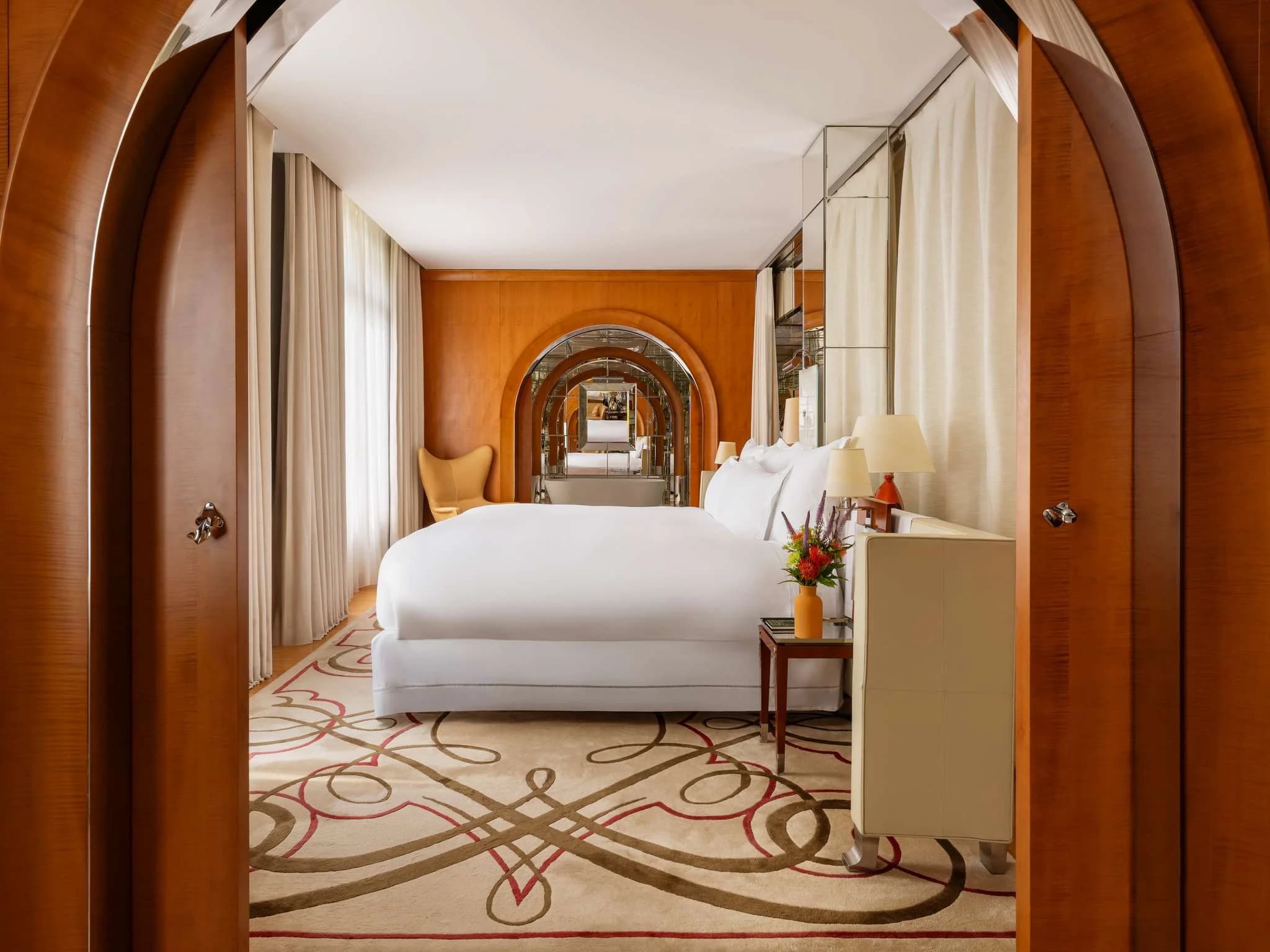
What is a Signature Suite? Decoding the Ultimate Hotel Experience
In the highly codified world of luxury hospitality, there comes a moment when standardization, even when it reaches heights of perfection, gives way to a unique work of art. Today's traveler, often an aesthete and seasoned visitor to international palaces, no longer seeks merely a defined number of square meters or impeccable equipment standards. They are in search of a soul, a narrative, and a strong identity.
This is where the "Signature Suite" takes center stage. As we explored in our investigation of the Junior Suite and Classic Suite, an introduction to residential art de vivre, the transition to suite category marks a spatial break. But the Signature Suite marks an emotional and artistic rupture. It signals the end of anonymous room numbers, replaced by a proper name. It embodies the very essence of the establishment that houses it.
BY Jules Peulet
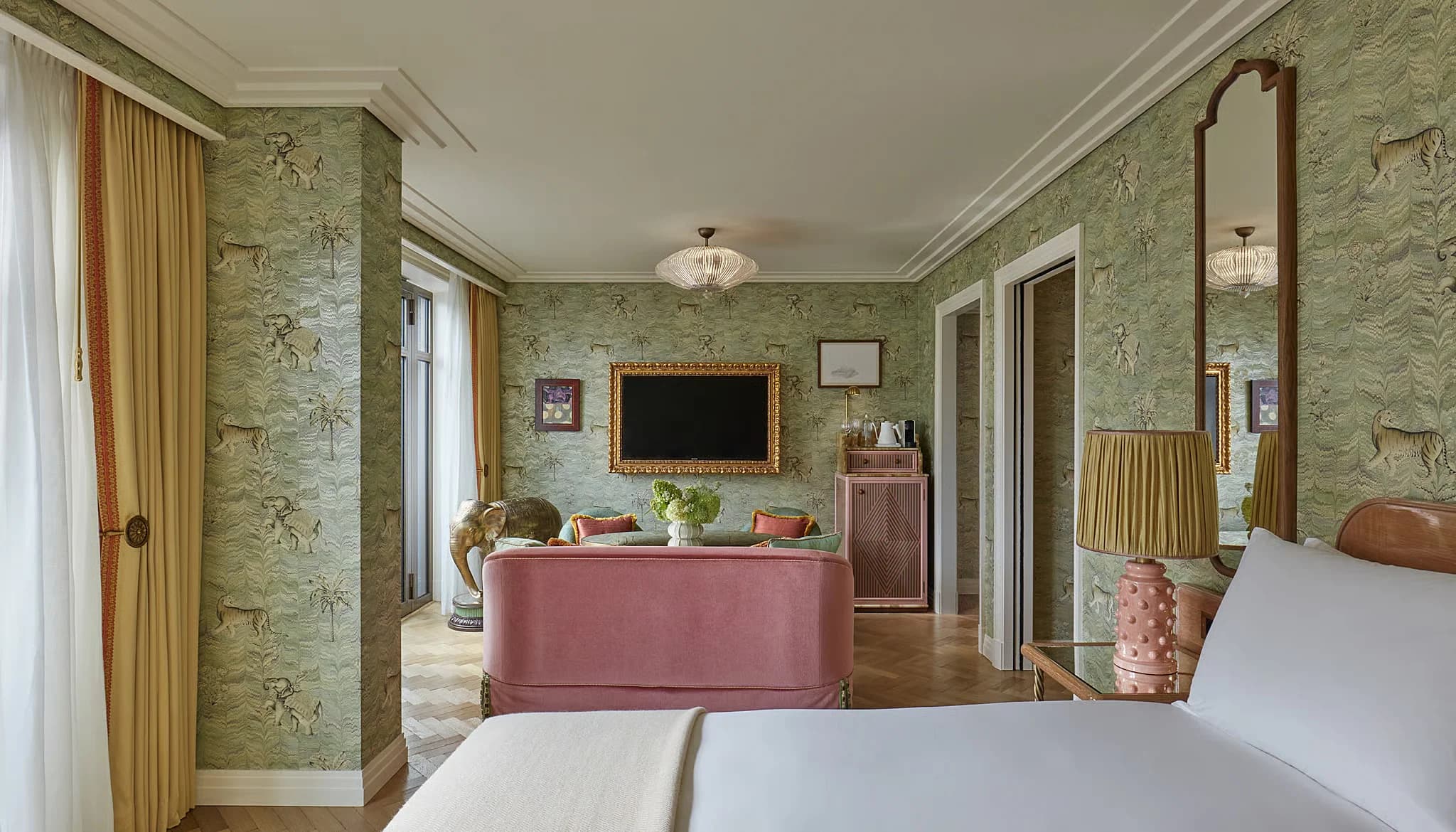
Junior Suite and Classic Suite: An Introduction to Residential Art of Living
The world of luxury hospitality has undergone profound changes over the past decade. Today's travelers no longer cross the threshold of a prestigious establishment with the sole objective of spending a night there. They come to stay, to claim a space, to live. In this quest for appropriation, the traditional hotel room, however luxurious, sometimes shows its functional limits: its center of gravity remains the bed.
This is where the pivotal shift toward residential luxury occurs: the Junior Suite or Classic Suite. Often perceived (mistakenly) as merely a "larger room," this type of accommodation is actually the true entry point into the art of living in a hotel. It is the precise moment when interior architecture ceases to be purely functional and becomes a living space in its own right. Understanding the anatomy of these suites means understanding the very essence of what transforms a simple journey into a true aesthetic experience.
BY Jules Peulet