






The Complete Guide to Barcelona's Most Beautiful Luxury Suites | LaSuite.com
BY Jules Peulet

An exceptional selection of Barcelona's most architecturally remarkable luxury suites, exploring the majestic imprints of Catalan Modernism, sun-drenched panoramic terraces, and the quintessential Mediterranean indoor-outdoor lifestyle.
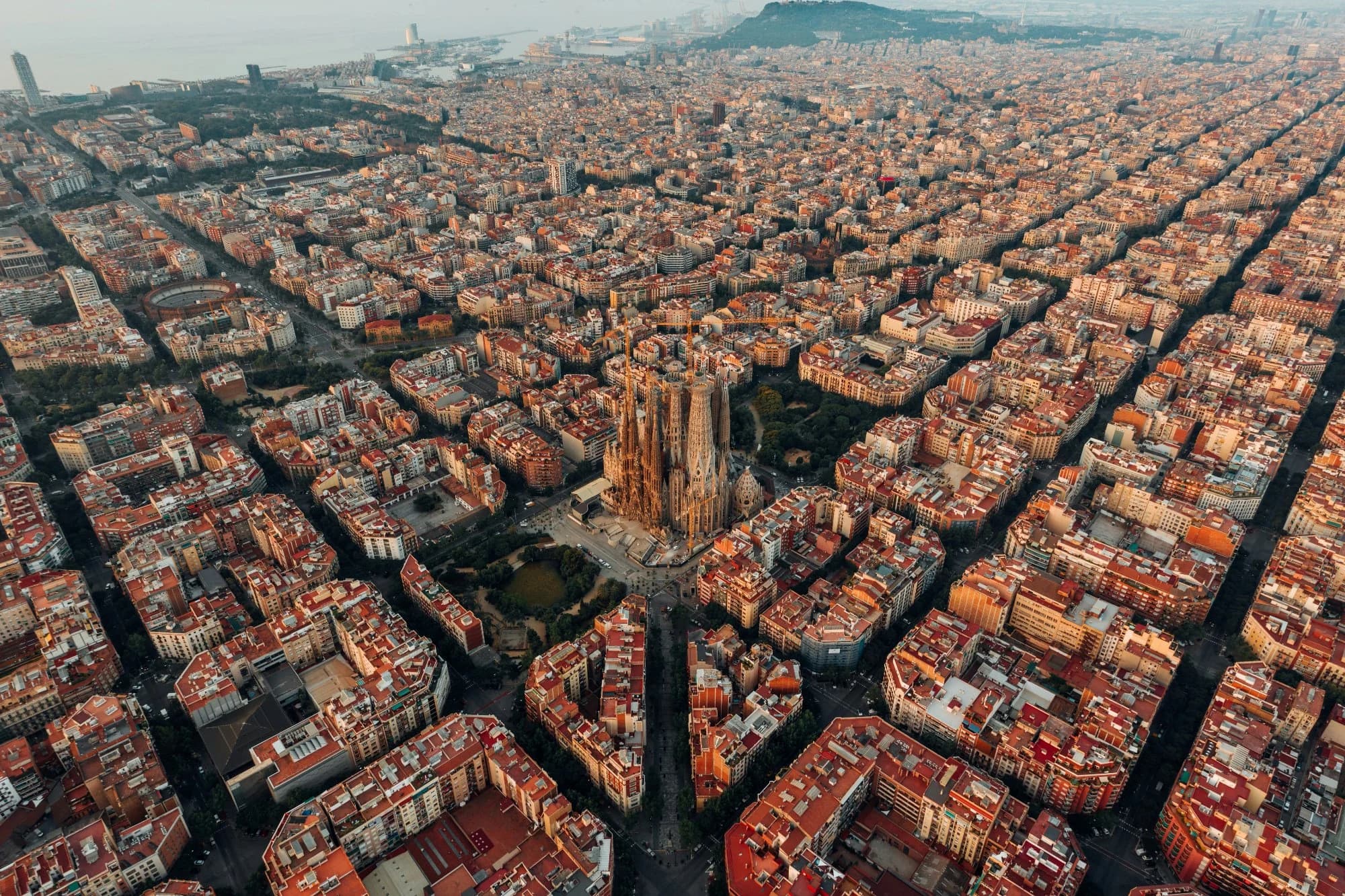
Barcelona positions itself as one of the design capitals most culturally vibrant and visually captivating on the Mediterranean coast. Long celebrated for its avant-garde artistic heritage and remarkable urbanism, the Catalan capital has successfully repositioned its hotel landscape to seduce the ultra-high-net-worth clientele. Animated by sophisticated architectural restorations along its grand boulevards, Barcelona now offers an exceptional theatre of sovereign luxury estates. Yet, navigating this visually saturated city demands a highly critical eye. A standard premium room in Barcelona is frequently constrained by the strict and repetitive grids of nineteenth-century blocks or by the reduced footprints of medieval quarters. To truly unlock the city's spatial rewards, one must rise above standard inventory and demand the expansive, light-filled volumes of its finest signature suites.
At La Suite, we apply a rigorous editorial filter that privileges structural authenticity, volumetric grandeur, and seamless interior-exterior fluidity. In a coastal metropolis where brilliant Iberian sunlight is treated as an essential design material, a world-class suite must function as an elite private sanctuary, a space where historic Catalan substance operates in perfect alignment with contemporary minimalism. This guide serves as a strategic architectural map to Barcelona's ultimate hotel assets, detailing the grand Principal floor salons, radically minimalist penthouses, and private terraces floating above terra-cotta rooftops and the blue expanse of the Mediterranean.
Explore our selection of the finest suites in Barcelona!
1. Architectural DNA & Spatial Philosophy
The architectural framework of ultra-luxury hotel suites in Barcelona is defined by a captivating dialogue: the ornate and expressive structuralism of late nineteenth-century Catalan Modernism (Modernisme) operating in marked contrast with contemporary, stripped-back Mediterranean minimalism flooded with light. Within the city's elite hotel sanctuaries, this design vernacular articulates itself through a deeply tactile and localized material palette. Spaces are anchored by traditional hydraulic cement tiles (baldosas hidráulicas) presenting complex geometric patterns, juxtaposed against original brickwork, lime-washed plaster walls, solid oak joinery, and the iconic Catalan barrel vaults (bóveda catalana) with their exposed curved terra-cotta tiles and iron support beams.
This structural identity has been masterfully regenerated by a select circle of interior architects and visionary designers. Internationally acclaimed designer Lázaro Rosa-Violán has completely redefined the heritage boutique hotel landscape of the city at Cotton House Hotel. Rosa-Violán layers rich textile heritages, high-gloss lacquers, and dramatic brass lighting installations directly within a grand nineteenth-century neoclassical landmark, ensuring that the enormous historical volumes feel intensely alive, theatrical, and deeply revelatory of Barcelona's industrial golden age.
In marked contrast, master designer Jaime Beriestain brings refined mid-century masculine modernism to properties like Almanac Barcelona. Beriestain employs deep-toned walnut joinery, brushed bronze architectural lines, and custom low-profile furnishings, proving that modern Catalan luxury can achieve absolute warmth through geometric restraint and precise material layering.
Meanwhile, the collaborative design vision of The Barcelona EDITION eliminates ornamental noise to focus on pure minimalist luxury, employing monolithic white marble bathrooms, solid oak platform beds, and dramatically framed windows, allowing the vibrant urban landscape outside to become the primary artwork.
2. Mapping neighborhoods and atmosphere
Barcelona is a highly structured urban landscape divided into distinct historical grids and waterfront developments, each possessing its own social velocity, architectural constraints, and environmental energy.
Eixample (right and left grid) : Modernist grandeur and the Golden Square
The undisputed capital of architectural prestige, high-end residential wealth, and flagship luxury commerce. Designed in the late nineteenth century by Ildefons Cerdà, this majestic grid is characterized by its wide octagonal street corners and tree-lined avenues. Staying in a signature suite here, dominated by the legendary Mandarin Oriental, Barcelona or the historic Majestic Hotel & Spa, means commanding the heart of the city's Quadrat d'Or (Golden Square).
The neighborhood is defined by Gaudí's iconic monuments and elite private apartments. The atmosphere is slow, polished and intensely international, serving as the first choice for business leaders, fashion collectors and traditionalists of luxury who demand grand pre-war ceilings, reinforced security and immediate proximity to the premier luxury houses of Passeig de Gràcia.
Gothic Quarter and El Born: Medieval mysticism and hidden palaces
The ancient and moving heart of Barcelona, characterized by a dense labyrinth of medieval stone walls, imposing Gothic cathedrals and hidden squares. Rather than sprawling modern complexes, this historic neighborhood offers exclusive boutique conversions of former Roman and medieval palaces, such as The Wittmore or Mercer Hotel Barcelona.
Suites at this privileged level favor absolute secrecy, intimate scale and raw historical character, showcasing exposed thirteenth-century stone masonry arches, original timber beam ceilings and secluded interior courtyards. The lifestyle is deeply atmospheric, creative and independent, attracting artists, writers and global tastemakers who desire total anonymity away from busy commercial tourist routes.
Diagonal Mar and Poblenou: Futuristic verticality and coastal subversion
Moving eastward along the coast, Diagonal Mar and Poblenou represent the industrial and futuristic frontier of modern Barcelona. Dominated by glass skyscraper towers, technology campuses and converted warehouse lofts, this area offers a radical alternative to the historic center. Architectural landmarks such as the sail-shaped W Barcelona or the majestic Hotel Arts Barcelona (managed by Ritz-Carlton) anchor this waterfront.
The suites here distinguish themselves through incredible architectural verticality, with pillar-free glazed facades and uninterrupted 360° panoramic views of the Mediterranean horizon and urban landscape. The atmosphere is energetic, cosmopolitan and beach-oriented, captivating high-profile personalities, technology entrepreneurs and yachting enthusiasts.
Vila de Gràcia : Creative autonomy and authentic neighbourhood life
Located just north of Eixample, Gràcia functions as an autonomous artistic village at the heart of the metropolis. Characterized by low-rise historic architecture, vibrant pedestrian squares and independent artisanal workshops, this neighbourhood has completely resisted mass commercialization.
The boutique sanctuaries and luxury apartment suites here privilege a discreet, deeply local residential pace of life. The suites offer abundant natural light, textured raw fabrics, and private terrace gardens filled with indigenous flora. The ambiance is highly independent and design-focused, attracting international creatives and independent designers in search of absolute serenity and cultural authenticity.
Zona Alta (Sarrià and Pedralbes) : Secured heritage and sovereign estates
The tranquil, elevated domain of Barcelona's historic nobility, foreign consulates and mega private estates. Nestled on the northern hills overlooking the valley, Zona Alta stands completely apart from mass tourism circuits.
The elite properties here, such as the grand Gran Hotel La Florida perched high on Tibidabo, emphasize monumental residential intimacy and the luxury of heritage. The suites offer massive multi-bedroom spaces, manicured private gardens, and deep stone balconies offering panoramic views across the entire city. The atmosphere is serene, highly secured and peaceful, serving as the ultimate destination for diplomatic delegations, multigenerational families and travellers seeking complete seclusion.
3. Amenities and residential volumes
The defining boundary between a standard premium guest room and an elite suite in Barcelona is the masterfully designed architecture of horizontal space and the exclusivity of exterior terraces. Since traditional Catalan apartments were built to maximize interior shade during hot summers, standard hotel rooms often suffer from narrow layouts and restricted natural light. Renting a signature suite is a strategic residential acquisition, explicitly designed to emulate the circulation, intimacy and expansive volumes of a true Eixample penthouse.
The crowning achievement of this design philosophy is the Principal Floor Gallery Suite. Located on the first floor of historic Modernisme monuments, the level traditionally reserved for the building's aristocratic owners, these suites offer commanding five-meter ceilings, monumental double doors, and an expansive enfilade of public salons.
The design rests on a clear segregation of public and private volumes: the entrance gallery opens onto an immense reception salon that terminates in a traditional tribuna (a glazed gallery-veranda) showcasing period stained glass. This public realm extends seamlessly onto a vast private stone interior terrace.
Completely separated from this entertaining zone by soundproofed wooden sliding doors lie the principal bedroom quarters and custom solid oak dressing rooms. This specific configuration allows an international executive or high-profile artist to host casting sessions, corporate presentations, or private dinners in the main salon without ever compromising the absolute privacy of their personal quarters.
4. The living ecosystem: gastronomy and prestige commerce
An elite Barcelona suite serves as the operational hub of an extraordinarily sophisticated luxury lifestyle ecosystem, forging a seamless bridge between avant-garde Catalan gastronomy and the exclusive universes of haute couture heritage.
Culinary integration within Barcelona's top-tier suites entirely redefines the concept of private dining. Rather than standard room service menus, the kitchens of the city's Michelin-starred establishments treat the private dining rooms and open terraces of their signature suites as direct extensions of their main dining halls. Guests can host private dinners orchestrated in-suite by renowned culinary masters, such as the team behind the two-star Moments at Mandarin Oriental or bespoke pairings designed by the city's most celebrated avant-garde chefs.
The entire experience is a performance art: private demonstration kitchens are assembled on your terrace, and head sommeliers roll custom tasting carts directly into your salon to present pairings with rare, unmarked Priorat reds and aged Cavas selected from the establishment's deep historic cellars.
Simultaneously, the geographic positioning of these suites unlocks entirely off-market shopping experiences. For occupants of Barcelona's premier suites, high-end shopping bypasses the public boutique floor entirely.
Through elite lifestyle hosts, the city's legendary luxury multi-brand house Santa Eulalia, alongside global flagships like Loewe, arranges private in-suite styling consultations. Senior style directors transport entire seasonal collections and high-value watches directly into your suite's dressing room, enabling a completely relaxed and highly confidential acquisition experience away from busy public crowds during peak travel periods.
5. The Cultural Tapestry and Historical Anchors
Barcelona's finest hotel suites function as living cultural vaults, meticulously curated to connect the modern traveler directly to Catalonia's rich artistic soul and avant-garde architectural heritage. The interiors of these spaces are designed with museographic precision, treating historical patrimony not as static decoration, but as a vital design element that coexists with contemporary forms.
Within these premier sanctuaries, original art is treated as a foundational layer of the environment. It is commonplace to discover suites where original sketches inspired by Joan Miró or Antoni Tàpies sit alongside bold contemporary sculptures and bespoke ceramic installations from local Catalan artisans. Hotels regularly partner with prominent regional art foundations and local archives to circulate curated art collections within their most prestigious signature suites, transforming the living volume into an exclusive private viewing gallery for international collectors.
Beyond physical artwork displayed in living rooms, staying in a premier suite in Barcelona offers completely unprecedented, off-market access to the city's most guarded cultural institutions, thanks to the hotel's elite partnerships:
After-hours access to the Sagrada Família and Casa Batlló: Private midnight tours, crowd-free, of Antoni Gaudí's masterpieces, allowing guests to stand completely alone within illuminated stone naves, guided by a senior architectural historian after public closing.
Private tours of the Picasso Museum: Exclusive, behind-closed-doors access to the restricted archives and historical preservation restoration laboratories of the Picasso Museum, completely free of public tourist crowds.
Palau de la Música Catalana Privileges: Immediate VIP access, private box reservations, and backstage behind-the-scenes tours of the spectacular Modernist concert hall, curated in partnership with the foundation.
6. The Aesthete's Intuition (Our Signature Critique)
A rigorous and completely objective architectural critique of the Barcelona ultra-luxury suite landscape reveals that the romantic allure of staying in a beautifully converted historic block frequently introduces significant operational and environmental friction.
The primary and most pervasive challenge facing grand suites throughout Eixample is the Octagonal Street Echo Chamber. While Cerdà's wide street intersections are a masterpiece of urban planning, they create an unexpected acoustic risk for luxury hotels. The open, angled geometry of octagonal corners acts as a natural megaphone, bouncing high-frequency sounds, such as passing delivery scooters, late-night crowds, and urban cleaning vehicles, upward along stone facades. Because many historic hotel windows are strictly protected by monument preservation laws, properties are legally prohibited from installing heavy modern acoustic window frames. Despite secondary double glazing, these sharp sounds can easily penetrate lower-floor suites, disrupting sleep patterns from dawn onwards.
Second, the architectural reality of the classical Eixample block creates severe Natural Light Deficits in certain specific interior suite configurations. To maximize building density, historic blocks were constructed with deep, narrow central ventilation shafts and internal courtyards. To offer multi-room luxury inventory, many large hotels designate these inward-facing spaces as premium suites. While grand street-facing lounges enjoy brilliant sunshine, master bathrooms and secondary bedrooms overlooking these internal light wells can appear exceptionally dark, cavernous and damp, requiring artificial lighting even at noon on a cloudless Iberian summer day.
Finally, the trend of constructing soaring glass penthouses along the coast introduces the marine exposure factor. Properties situated directly on the Mediterranean seafront, such as those in Diagonal Mar or the Barceloneta strip, face intense environmental wear caused by marine salt spray and violent Atlantic-Mediterranean wind gusts (la Tramontane). This salt-laden air rapidly corrodes exterior stone finishes, leaves a stubborn film on exterior glass panels, and can create sharp, low-frequency whistling through sliding door joints. A client paying premium rates for a private penthouse terrace may frequently find that their external overflow pool area becomes uncomfortable or unusable on windy afternoons, making a thorough check of a location's topographic windbreaks absolutely essential before confirmation.
Ultimately, booking an elite suite in a Barcelona hotel is far more than a simple transaction; it is an intentional choice to align yourself with the city's unique design history, layout geometry, and vibrant light of the Catalan capital. The finest accommodations in the city successfully dissolve the boundary between historical palatial gravitas and modern luxury, allowing you to live intimately alongside the cultures of Spanish craftsmanship, culinary mastery, and panoramic sea views. Whether your design preference leans toward the pure, linear minimalism of a contemporary seaside penthouse or toward the grand vertical salons filled with antiques of a Modernist palace in Eixample, the ideal space must successfully master the challenges of its structural framework. By prioritizing courtyard-facing orientations with verified acoustic glazing, examining light exposure variables, and selecting authentic material depth, the discerning traveler can move beyond the veneer of superficial luxury to secure a private Barcelona sanctuary that offers an unforgettable aesthetic milestone.
Architectural and exclusive FAQ
How do Eixample suites manage client privacy and security on terraces overlooking open interior courtyards?
Traditional Eixample blocks share an immense contiguous internal courtyard space (patio de manzana). While the terraces of elite hotel suites overlooking these interior courtyards are completely isolated from street traffic noise, they may occasionally be glimpsed from neighboring residential apartments. To secure absolute privacy, high-end properties integrate advanced landscape architecture, utilizing dense rows of indigenous bamboo, automated textile awnings, and custom timber pergolas at specific angles that block the downward sightline from adjacent buildings without sacrificing natural light.
What are the practical layout differences and view advantages of a Passeig de Gràcia-view suite compared to a seafacing penthouse?
The fundamental difference lies in light quality and cultural atmosphere. A suite with views of Passeig de Gràcia focuses entirely on the city's architectural geometry; it offers spectacular evening illumination of modernist monuments and vibrant urban connection, but may subject exterior balconies to greater street noise. Conversely, a seafacing penthouse suite focuses on vast horizons and natural elements; it offers bright, uninterrupted morning light and a profound sense of spatial peace, but may encounter intense marine wind regimes and marked afternoon salt reflection.
Can luxury suites with private jetties or beach portals accommodate high-end private yacht transfers?
While Barcelona's historic center features heavily regulated public beaches and stone breakwaters that prevent large vessels from docking directly at the hotel, waterfront properties located near Marina Port Vell or Port Olímpic (such as Hotel Arts or W Barcelona) offer direct VIP private dock integration. Through elite concierge programming, private yacht charters and luxury tender boats can obtain priority mooring privileges at adjacent private berths, allowing high-profile guests to move from the private elevator of their suite directly to their awaiting vessel within minutes via restricted-access security gates.
More from the Journal

Rio de Janeiro: Three Addresses, Three Definitions of Exceptional Stays
Between the historic prestige of Copacabana, the international excellence of a five-star hotel facing the Atlantic, and the confidentiality of a guesthouse perched in the heights, Rio de Janeiro offers three distinct geographies of luxury. LaSuite deciphers each address to guide your choice according to your traveler profile.
BY Jules Peulet

City Break: 7 Urban Luxury Suites for an Inclusive Escape
Demanding LGBTQ+ travelers are no longer simply seeking "safe" urban destinations; they expect flawless architectural experiences and impeccable hospitality at the heart of the world's major cities. For this selection, Lasuite.com partnered with Mygayhotels.com. By combining their rigorous selection of certified "Travel Proud" establishments with our expertise in Quiet Luxury design, we have discovered 7 urban sanctuaries (Paris, New York, London, Madrid, Amsterdam, Rio de Janeiro and Rome). Each of these suites blends stunning aesthetics, strategic location and the assurance of hospitality that celebrates diversity.
BY Jules PEULET

Luxury suite with private jacuzzi near Paris: comparative guide for Île-de-France
Comparative guide to luxury suites with private jacuzzi in Paris and Île-de-France: objective criteria, neighborhoods to favor, comparative table, stay formats, occasions and budget.
BY Jules Peulet