

The Definitive Guide to Cape Town's Most Stunning Luxury Suites | LaSuite.com
BY Jules Peulet

An elite curation of Cape Town's most architecturally significant luxury hotel suites, exploring dramatic cliffside engineering, industrial-chic penthouses, and the definitive South African indoor-outdoor lifestyle.
Cape Town operates at the spectacular intersection of raw, untamed nature and cutting-edge urban design. Guarded by the monumental granite face of Table Mountain and surrounded by the freezing, turbulent waters of the Atlantic Ocean, the "Mother City" has rapidly evolved into the premier contemporary design capital of the African continent. Driven by an influx of global capital and a booming contemporary art scene, Cape Town's luxury real estate and hospitality market rivals the Mediterranean's finest enclaves. Yet, in a city where the geography dictates every architectural move, a standard premium hotel room frequently fails to capture the true scale of the environment. To fully absorb the towering peaks and the endless ocean horizons, one must demand the expansive, highly engineered volumes of its finest signature suites and cliffside villas.
At LaSuite.com, our editorial filter prioritizes structural awe, material authenticity, and flawless environmental framing. In a destination defined by fierce oceanic winds, brilliant southern light, and striking topography, a world-class suite must function as an independent sky estate, a space where brutalist concrete and glass seamlessly integrate with the wild coastal biosphere. This guide serves as your strategic architectural compass to Cape Town's ultimate hospitality assets, mapping out the multi-story industrial lofts, the private ocean-facing decks, and the historic vineyard sanctuaries hidden within the valleys.
Discover all our suites in Cape Town and in South Africa
1. Architectural DNA & Spatial Philosophy
The architectural framework of ultra-luxury hotel suites in Cape Town is defined by a captivating stylistic tension: the stately, whitewashed symmetry of historic Cape Dutch architecture operating in sharp contrast to a radical, forward-looking Industrial-Contemporary Modernism. Inside the city's elite hospitality sanctuaries, the interior design explicitly rejects generic colonial tropes. Instead, luxury is articulated through a deeply tactile, localized material palette: raw off-shutter concrete, oxidized Corten steel, solid African mahogany, hand-woven grass textiles, and striking geometric glass geometries.
The structural shell of the ultimate Cape Town suite is designed to maximize light and frame the monumental outdoors. In contemporary masterpieces, the architecture relies on massive, uninterrupted vertical volumes. Buildings are treated as sculptural objects, where structural elements are left exposed to mirror the ruggedness of the mountain, softened internally by the vibrant, texture-heavy warmth of bespoke pan-African design.
This structural evolution has been driven by a select circle of visionary architects. British designer Thomas Heatherwick completely revolutionized the city's skyline with The Silo Hotel. By hollowing out the concrete tubes of an abandoned 1920s grain silo and inserting brilliant, pillowed glass windows that bulge outward like inflated bubbles, Heatherwick created a high-altitude industrial masterpiece where the suites feel like avant-garde glass lanterns suspended over the harbor.
In sharp contrast, properties like Ellerman House in Bantry Bay preserve the aristocratic elegance of Edwardian mansions. Here, the architecture is classical, featuring terraced indigenous gardens and sweeping verandas, but it serves as a sophisticated blank canvas for one of the most important private collections of contemporary South African art in the world, proving that true luxury lies in the curation of space and heritage.
2. Neighborhoods & Vibe Mapping
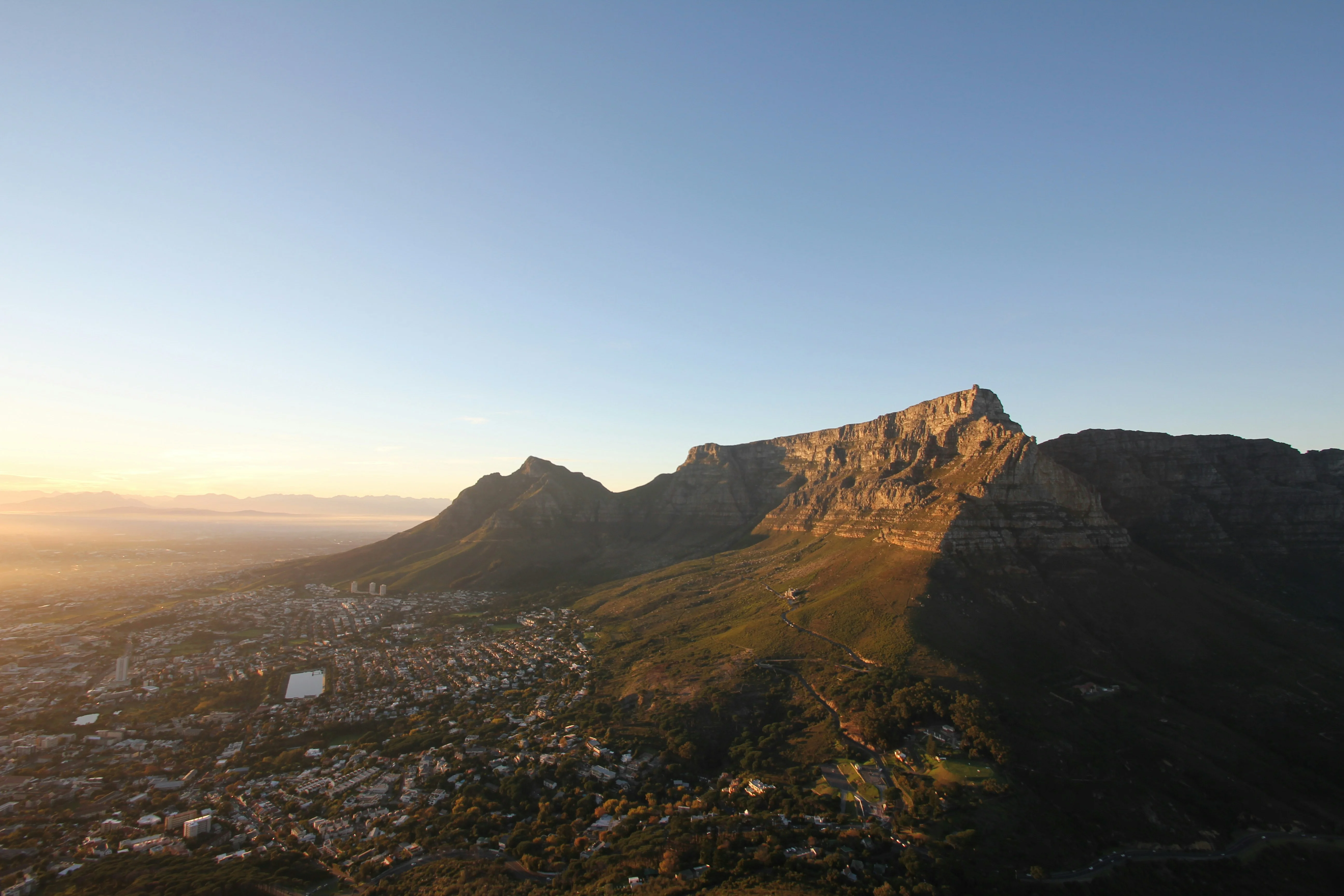
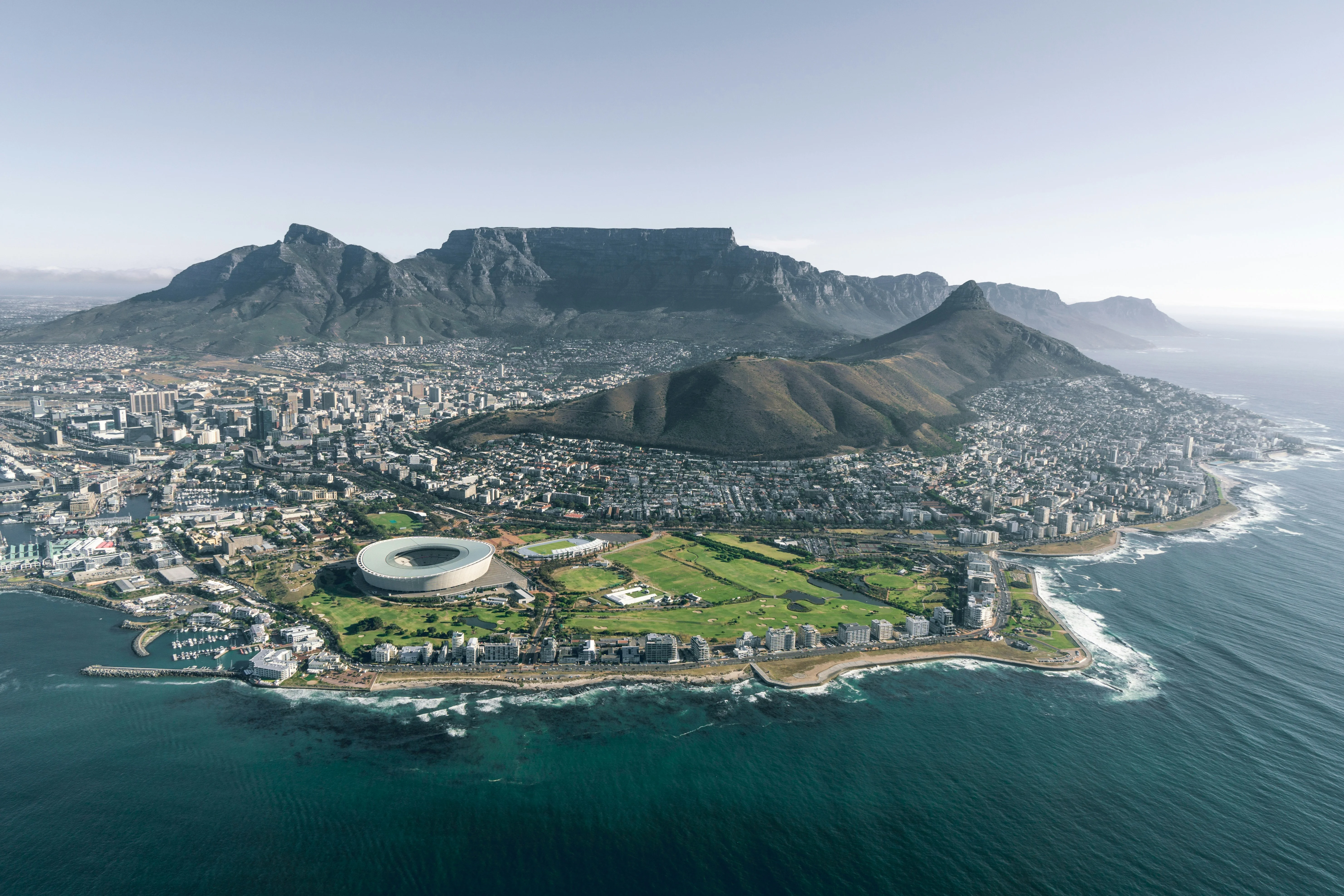
Cape Town is a topographically fragmented city, divided by mountain ridges into distinct coastal strips and interior valleys, each possessing its own unique micro-climate, social velocity, and architectural constraints.
V&A Waterfront & The Silo District: Industrial-Chic & High Visibility
The fast-paced, cosmopolitan epicenter of global maritime commerce, luxury retail, and contemporary art. Built around a working historic harbor, this district is the absolute anchor of modern Cape Town luxury. Staying in a signature suite here, headlined by the gravity-defying The Silo Hotel or the sprawling resort-style One&Only Cape Town, means commanding the center of the city's urban energy.
The suites feature incredible vertical stacking, expansive marina views, and immediate proximity to the Zeitz Museum of Contemporary Art Africa (MOCAA). The vibe is vibrant, highly social, and visually dramatic, making it the premier choice for international executives, tech founders, and travelers who want an urban, design-forward base.
Bantry Bay & Clifton: Wind-Protected Sovereign Estates & Cliffside Modernism
The undisputed capital of absolute privacy, mega-wealth, and spectacular oceanfront sunsets. Tucked directly into the steep cliffs of the Atlantic Seaboard, these neighborhoods are famous for being naturally shielded from the city's notorious winds.
The absolute crown jewel of this zone is Ellerman House, a hyper-exclusive, gates-closed boutique sanctuary, alongside cliff-hanging marvels like 21 Nettleton. Suites and private villas here prioritize deep territorial isolation, featuring sharp contemporary linear layouts, massive private infinity pools, and expansive stone decks suspended directly over the crashing waves. The energy is quiet, intensely secure, and discreet, appealing to old-money purists, A-list celebrities, and global collectors who demand total exclusivity.
Camps Bay: High-Gloss Glamour & Miami-Style Velocity
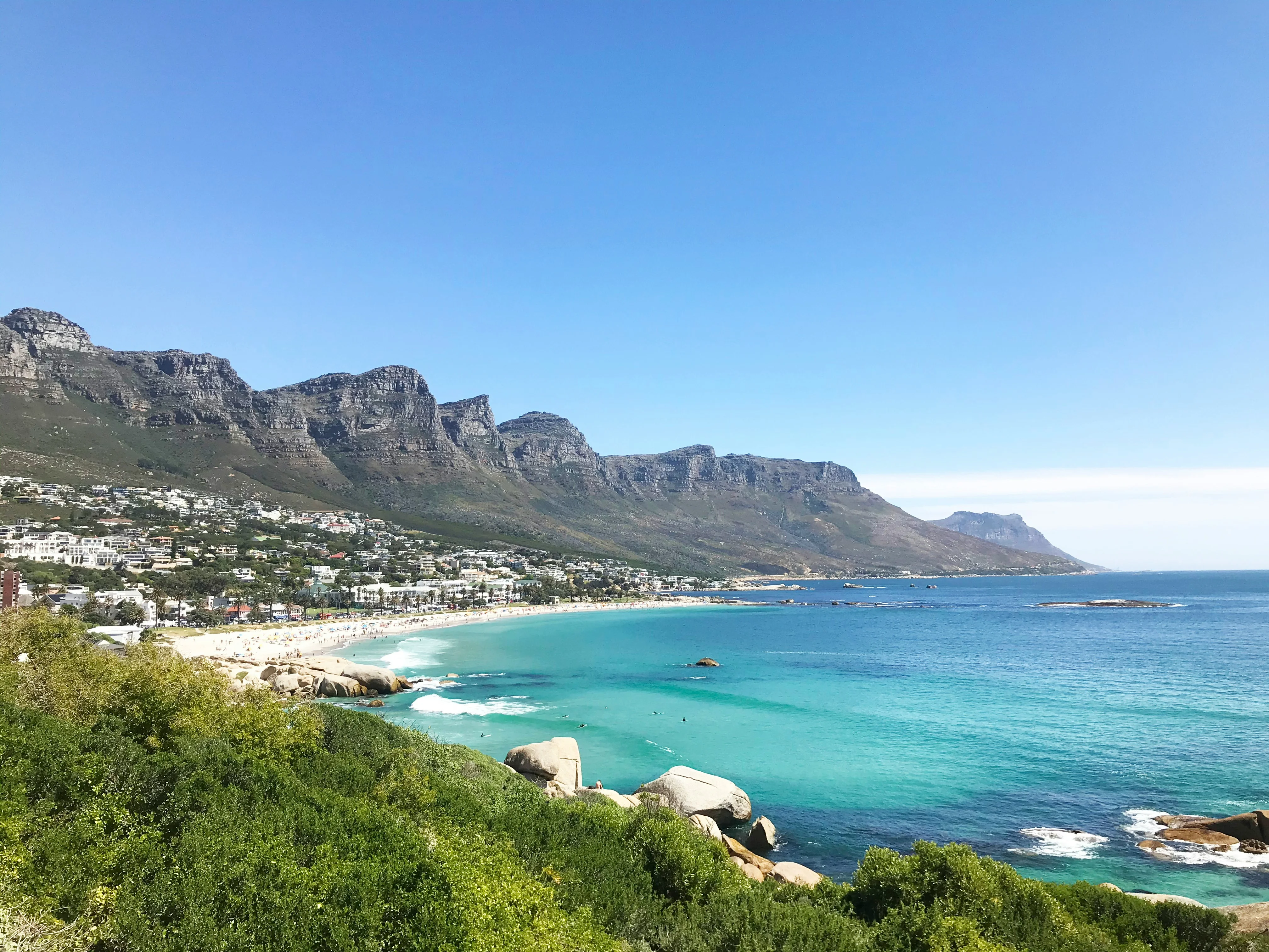
Just south of Clifton, Camps Bay offers a sweeping, palm-lined white sand beach backed by the dramatic Twelve Apostles mountain range. The luxury architecture here focuses on striking, glass-fronted modern villas and high-end boutique properties.
While more exposed to the wind, accommodations in this tier emphasize high-visibility luxury and expansive entertainment spaces. The suites feature Miami-style white minimalist aesthetics, outdoor wet bars, and large plunge pools facing the sunset. The atmosphere is energetic, youthful, and highly social, drawing entrepreneurs, media executives, and those who want immediate access to upscale beach clubs and nightlife.
Constantia: Cape Dutch Heritage & Pastoral Vineyard Peace
For travelers who reject the urban coastal strip, the historic Constantia Valley offers a lush, pastoral alternative located on the eastern slopes of the mountain. As the oldest wine-producing region in the Southern Hemisphere, the architecture is defined by pristine whitewashed Cape Dutch manors and ancient oak avenues.
Sanctuaries like The Steenberg or elite private vineyard estates capture this aristocratic elegance. The suites feature classic proportions, exposed thatch or timber ceilings, and massive private gardens looking over the vines. The atmosphere is family-oriented, deeply historic, and equestrian, providing a quiet retreat for wine connoisseurs and multi-generational families.
Hout Bay & Chapman's Peak: Untamed Wilderness & Maritime Isolation
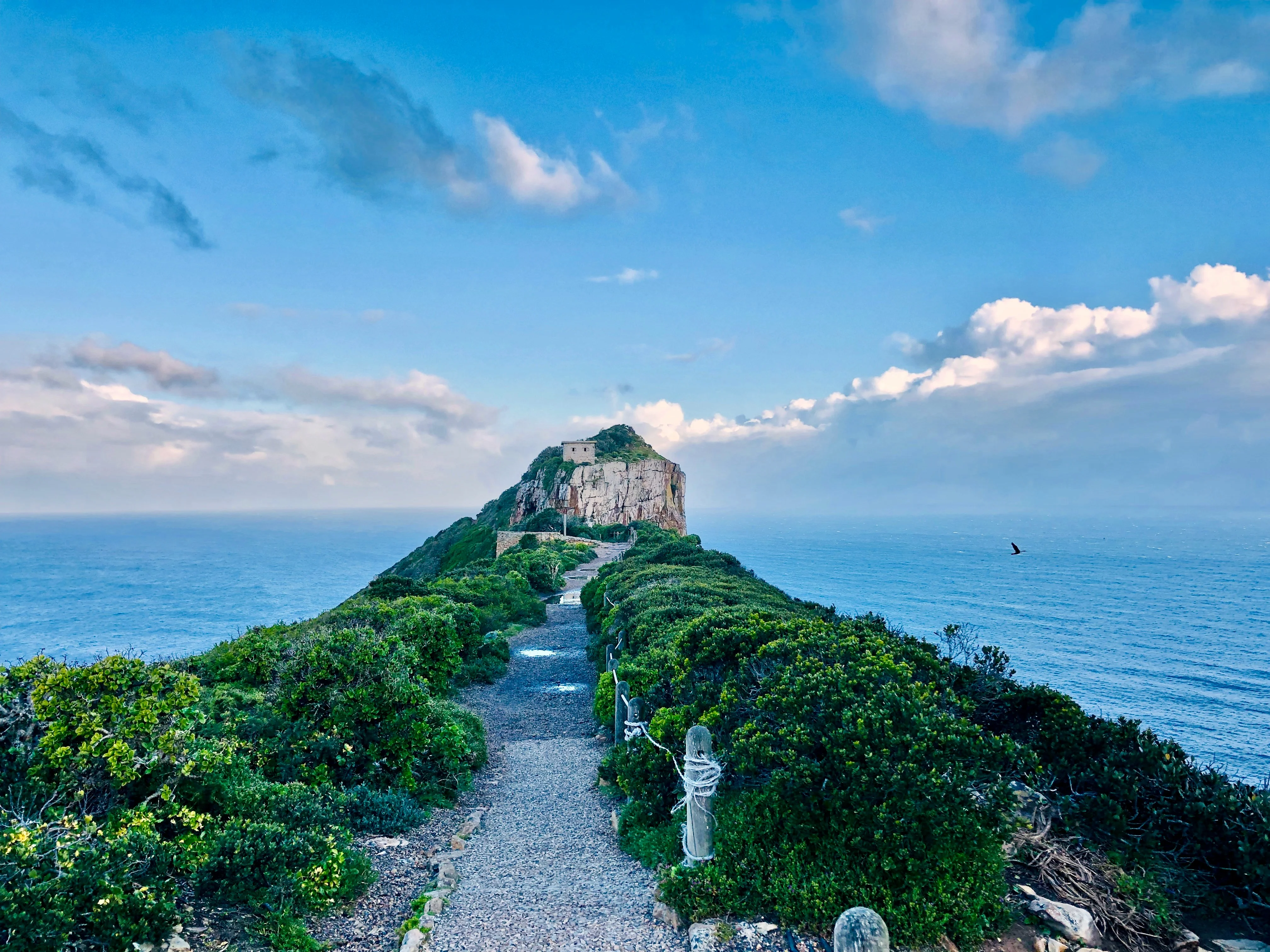
Moving south along one of the world's most spectacular coastal drives, this region represents the raw, untamed frontier of Cape luxury. Characterized by sheer vertical cliffs dropping hundreds of meters into the Atlantic, the architecture favors low-impact integration into the nature reserve.
Properties like Tintswalo Atlantic, hidden on a pebbled beach at the base of the cliffs, define this zone. The suites are designed as standalone luxury lodges featuring timber decking, wood-burning fireplaces, and completely unobstructed views of the wild ocean. The vibe is intensely natural, romantic, and isolated, attracting nature purists and travelers seeking complete mental decompression.
3. Residential Layouts & Volumes
The definitive boundary between a standard premium hotel key and an elite suite in Cape Town is the masterfully engineered architecture of horizontal space and monumental visual framing. Because standard hotel rooms in the city bowl are frequently compromised by adjacent high-rises or generic layouts, they fail to capture the awe-inspiring scale of Table Mountain. Renting a signature penthouse or a cliffside villa is a strategic acquisition of space, explicitly designed to emulate the flow and exclusivity of a multi-million-dollar private Atlantic Seaboard home.
The absolute pinnacle of this layout philosophy is the Industrial Sky-Penthouse. Executed to perfection at The Silo Hotel, these spaces completely reject standard rectangular geometries. Guests enter into a soaring, double-height reception volume entirely surrounded by Thomas Heatherwick's signature pillowed glass windows. Because the glass panels bulge outward by over a meter, guests can physically step into the window structure, feeling as though they are floating in the sky above the working harbor.
In the cliffside properties of Bantry Bay, the layout shifts to the Multi-Level Ocean Villa. These suites feature a clear segregation of volumes: a massive open-plan entertaining salon seamlessly transitions via frameless sliding glass doors onto an expansive wooden deck. The deck houses a private heated infinity pool that drops off into the Atlantic horizon. These specific layouts frequently incorporate independent service entrances and private subterranean wine cellars, allowing a private chef and sommelier to host bespoke dining experiences without ever compromising the privacy of the guest's sleeping quarters.
4. The Lifestyle Ecosystem: Dining & Haute Retail
An elite Cape Town suite functions as the operational hub of an incredibly sophisticated luxury lifestyle ecosystem, seamlessly bridging world-class South African gastronomy with private aviation and elite art curation.
The culinary integration within Cape Town's top-tier suites completely redefines private dining. Instead of standard room service menus, the kitchens of the city's premier properties treat the private terraces of their signature suites as direct extensions of their main dining rooms. Guests can host private dinner parties orchestrated in-suite by celebrated culinary teams. The ultimate local luxury is the In-Suite Private Braai (the elevated South African barbecue): a dedicated chef assembles a bespoke wood-fired grill on your private ocean-facing deck to prepare locally sourced springbok, Karoo lamb, and fresh Atlantic crayfish.
This culinary theater is matched by world-class wine curation. Head sommeliers travel directly to your salon to conduct private tastings, pairing your meal with rare, unreleased Chenin Blancs and aged Pinotages sourced from the elite estates of Stellenbosch and Franschhoek.
Simultaneously, the tight relationship between these premier suites and the city's diamond and art industries unlocks retail experiences that are entirely off-market. For occupants of Cape Town's ultimate suites, high-end acquisitions bypass the public showrooms.
Through elite lifestyle hosts, master gemologists will arrange for private, in-room consultations, bringing bespoke collections of loose investment-grade diamonds and exceptionally rare African Tanzanite directly to your suite for private commissioning. Similarly, elite art brokers will curate private in-suite viewings of contemporary Pan-African canvases and sculptures, allowing for a completely relaxed, highly confidential acquisition experience.
5. The Cultural Canvas & Historic Anchors
The finest hotel suites in Cape Town operate as living cultural vaults, meticulously curated to connect the modern traveler directly to the explosive, dynamic soul of contemporary African art. The interiors of these spaces are designed with museum-grade precision, treating local heritage and modern expression as vital design elements that live alongside contemporary architectural forms.
Inside these premium sanctuaries, original art is treated as a foundational layer of the environment. It is common to discover suites where original sketches by William Kentridge, bold sculptural pieces by Dylan Lewis, and vibrant, texture-heavy canvases from the contemporary African avant-garde sit side-by-side with sleek modernist furniture. Properties like Ellerman House take this to the absolute extreme, featuring a private, subterranean art gallery that functions as an exclusive museum for guests only, showcasing centuries of South African artistic evolution.
Beyond the physical artwork displayed within the rooms, staying in a premier Cape Town suite grants completely unprecedented, off-market access to the city's most guarded cultural institutions through elite hotel partnerships:
After-Hours Zeitz MOCAA Access: Private, crowd-free nighttime tours of the Zeitz Museum of Contemporary Art Africa, allowing guests to explore the towering concrete atrium and global exhibitions completely alone, guided by a senior art curator.
Sovereign Winelands Helicopter Access: Private helicopter hops directly from the V&A Waterfront helipads to elite, historic wine estates in the Hemel-en-Aarde valley or Franschhoek, unlocking private tastings directly with the master winemakers.
Robben Island VIP Protocol: Highly restricted, private yacht transfers and closed-door historical tours of Robben Island, guided by senior historians and former political prisoners, entirely bypassing standard ferry tourism.
6. The Aesthete's Insight
A rigorous, completely objective architectural critique of Cape Town's ultra-luxury suite landscape reveals that the breathtaking topography and climate introduce significant, unyielding environmental and operational friction that cannot be engineered away.
The primary and most pervasive challenge along the Cape peninsula is The Cape Doctor (The Southeaster Wind). During the peak summer months (November to February), Cape Town is battered by a legendary, high-velocity wind that funnels down from the mountains. While it keeps the skies brilliantly clear of pollution, it poses a massive hazard for luxury suites located in Camps Bay, the V&A Waterfront, or the city bowl. When the wind howls, wind speeds can easily exceed 80 km/h. If you have booked a massive penthouse with an exposed outdoor dining terrace or wraparound balcony, these spaces become violently loud and physically unusable for days at a time. This is why the wind-protected micro-climate of Bantry Bay commands the absolute highest real estate premiums in Africa.
Secondly, the architectural trend of building massive cliffside infinity pools introduces The Icy Atlantic Reality. The ocean currents surrounding Cape Town are driven by the freezing Benguela current from Antarctica. Even on a 35°C (95°F) summer day, the ocean temperature rarely rises above 13°C (55°F). Consequently, if a multi-thousand-dollar luxury suite features a private infinity pool that relies on passive solar heating, the water will frequently be too shockingly cold for a relaxing evening soak. A meticulous verification that the suite's private pool is supported by a dedicated, high-grade mechanical heat pump is absolutely essential before booking.
Finally, the city's unique position embedded directly inside a protected national park creates a surprising Urban Wildlife Overlap. Suites and private villas located in the wooded hills of Constantia, or perched on the cliffs of the Atlantic Seaboard, frequently experience incursions from local Chacma baboon troops. These highly intelligent primates have learned to associate open hotel balcony doors with high-end fruit bowls and minibar snacks. Guests staying in these elite sanctuaries must accept the reality that leaving a massive glass sliding door open while enjoying the view is an open invitation for a troop to enter and aggressively dismantle the suite's interior, proving that in Cape Town, wild nature always commands ultimate respect.
Conclusion
In the final analysis, booking an elite hotel suite in Cape Town is far more than a simple transaction; it is an intentional choice to align yourself with the unique design history, layout geometry, and wild, untamed elements of the African continent. The city's finest accommodations successfully dissolve the boundary between historic aristocratic gravity and cutting-edge industrial luxury, allowing you to live intimately alongside cultures of pan-African craftsmanship, culinary mastery, and sweeping oceanic views. Whether your design preference inclines toward the brutalist, pillowed-glass minimalism of a contemporary penthouse in the Silo District or the grand, antique-filled vertical salons of an Edwardian mansion in Bantry Bay, the right space must successfully master the challenges of its natural framework. By prioritizing wind-shielded bay orientations, verifying advanced pool heating infrastructure, and respecting the wild biosphere, the discerning traveler can look past the veneer of superficial luxury to secure a private Cape Town sanctuary that delivers an unforgettable aesthetic milestone.
Architectural & Insider FAQ
How can I guarantee a Cape Town suite that is completely insulated from the fierce "Cape Doctor" summer winds?
When selecting a signature suite between November and February, geographical placement dictates your comfort. The Southeaster wind absolutely batters the V&A Waterfront, the City Bowl, and Camps Bay. To secure absolute outdoor tranquility, you must explicitly book a suite located in the specific micro-climate strip between Bantry Bay and Clifton. The towering angle of Lion's Head mountain acts as a massive natural wind-shield for this specific stretch of coastline. While the rest of the city is trapped indoors by howling 80 km/h winds, guests on the terraces of Ellerman House or 21 Nettleton can dine al-fresco by their private pools in almost complete, dead-calm silence.
What is the practical layout difference and spatial feel between a V&A Silo Penthouse and a Clifton Cliffside Villa?
The core difference centers on architectural altitude versus terrestrial integration. An Industrial Sky-Penthouse (like those in the Silo District) offers an intense, high-altitude urban experience; it provides towering double-height volumes, 360-degree glass exposures, and a vibrant connection to the working harbor, but completely lacks private outdoor garden space. Conversely, a Cliffside Villa is built cascading down the granite mountain face; it offers massive horizontal stone decks, private infinity pools, and a deep, tactile connection to the crash of the ocean waves, prioritizing total residential seclusion over immediate walkability to urban restaurants.
How do elite properties manage private aviation logistics for transfers to the Winelands or Safari lodges?
Because the mountainous terrain of the Cape Peninsula makes overland traffic unpredictable, luxury logistics heavily favor helicopters. While residential zoning laws strictly prohibit helipads at cliffside hotels in Bantry Bay or Clifton, the premier properties in the V&A Waterfront (and specialized operators nearby) maintain high-end private helipads. Your lifestyle concierge will coordinate a chauffeured luxury transfer (often a specialized Range Rover) from your cliffside suite to the waterfront helipad in minutes. From there, you transition directly onto an executive Airbus helicopter for a scenic, 20-minute coastal flight directly to the manicured lawns of elite wine estates in Franschhoek, completely bypassing the heavy highway traffic.
More from the Journal

Rio de Janeiro: Three Addresses, Three Definitions of Exceptional Stays
Between the historic prestige of Copacabana, the international excellence of a five-star hotel facing the Atlantic, and the confidentiality of a guesthouse perched in the heights, Rio de Janeiro offers three distinct geographies of luxury. LaSuite deciphers each address to guide your choice according to your traveler profile.
BY Jules Peulet

City Break: 7 Urban Luxury Suites for an Inclusive Escape
Demanding LGBTQ+ travelers are no longer simply seeking "safe" urban destinations; they expect flawless architectural experiences and impeccable hospitality at the heart of the world's major cities. For this selection, Lasuite.com partnered with Mygayhotels.com. By combining their rigorous selection of certified "Travel Proud" establishments with our expertise in Quiet Luxury design, we have discovered 7 urban sanctuaries (Paris, New York, London, Madrid, Amsterdam, Rio de Janeiro and Rome). Each of these suites blends stunning aesthetics, strategic location and the assurance of hospitality that celebrates diversity.
BY Jules PEULET

Luxury suite with private jacuzzi near Paris: comparative guide for Île-de-France
Comparative guide to luxury suites with private jacuzzi in Paris and Île-de-France: objective criteria, neighborhoods to favor, comparative table, stay formats, occasions and budget.
BY Jules Peulet