



Kruger National Park
Hotels with luxury suites in Kruger National Park
Kruger's geography is vast enough that the choice of zone shapes the entire experience. The southern sector, accessible from Johannesburg via the Panorama Route, concentrates some of the park's highest wildlife density and consequently attracts the most architecturally ambitious private concessions. Properties positioned along the Sabi and Sand river systems in this zone offer waterfront sightlines that are among the most photographed in African wildlife photography.
Best areas to stay in and around Kruger National Park
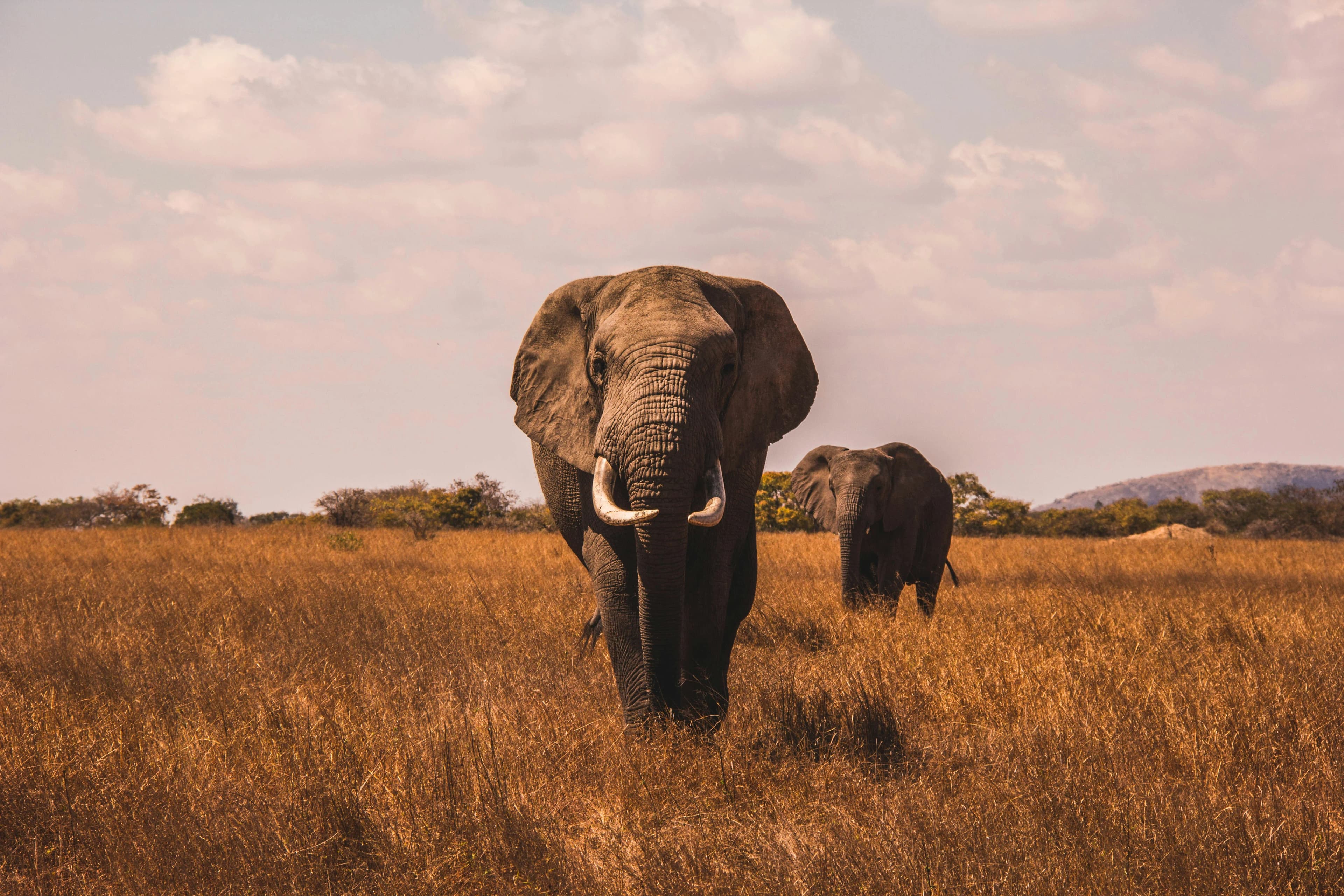
The central zone, broadly spanning the area between the Olifants and Letaba rivers, carries a quieter character. Elephant populations are notably high here, and the open terrain favours long-range observation from suite terraces or private viewing decks. The lodges in this corridor tend toward a more understated aesthetic, with canvas and timber structures that integrate into the ironwood and marula landscape rather than imposing upon it.
The far north, sometimes referred to as the Limpopo region, is the least visited section and the most ecologically distinct. Fever tree forests, baobabs, and the confluence of the Luvuvhu and Limpopo rivers create a setting with a different visual grammar. Suite experiences here prioritise isolation and silence above all else. For travellers with flexible schedules and a preference for absence of crowds, the northern concessions represent the park at its most elemental.
Private game reserves bordering Kruger to the west, including those along the Sand River and Greater Kruger buffer zones, operate without internal fences and access identical wildlife corridors. These concessions typically offer a higher degree of architectural curation and personalised service than public rest camps inside the park boundary.
When to visit Kruger for a luxury suite stay
The dry season, running from May through September, is the conventional peak period for wildlife observation. Vegetation thins as water sources contract, concentrating animals around remaining rivers and waterholes. Suite terraces positioned above these points deliver reliable, sustained sightings that justify extended stays. Temperatures during the June and July core are mild during the day and cold at night, making fireside suites and heated outdoor pools a functional rather than merely aesthetic consideration.
October and November mark the transitional shoulder period. Heat intensifies, migratory bird species begin arriving, and the first rains produce a rapid greening of the landscape. Suite availability tends to be better in this window, and some of the most dramatically lit photography conditions occur at the turn of the season.
The wet season, December through April, transforms the visual character of the bush entirely. Newborn antelope appear in quantity, predator activity increases correspondingly, and the dense green canopy creates a different observational challenge. Travellers who value the aesthetic of the wet season, with its afternoon thunderstorms and saturated colour palette, will find suite rates comparatively accessible and the experience genuinely distinct from the dry season counterpart.
Local luxury standards: what defines a top-tier suite in Kruger
South Africa does not operate a state-designated palace hotel classification comparable to France's system, but the private concession model produces its own rigorous hierarchy. The highest tier within the Greater Kruger ecosystem is typically defined by three criteria: exclusivity of land access (measured in hectares per suite), the architectural ambition of the physical structure, and the ratio of staff to guests.
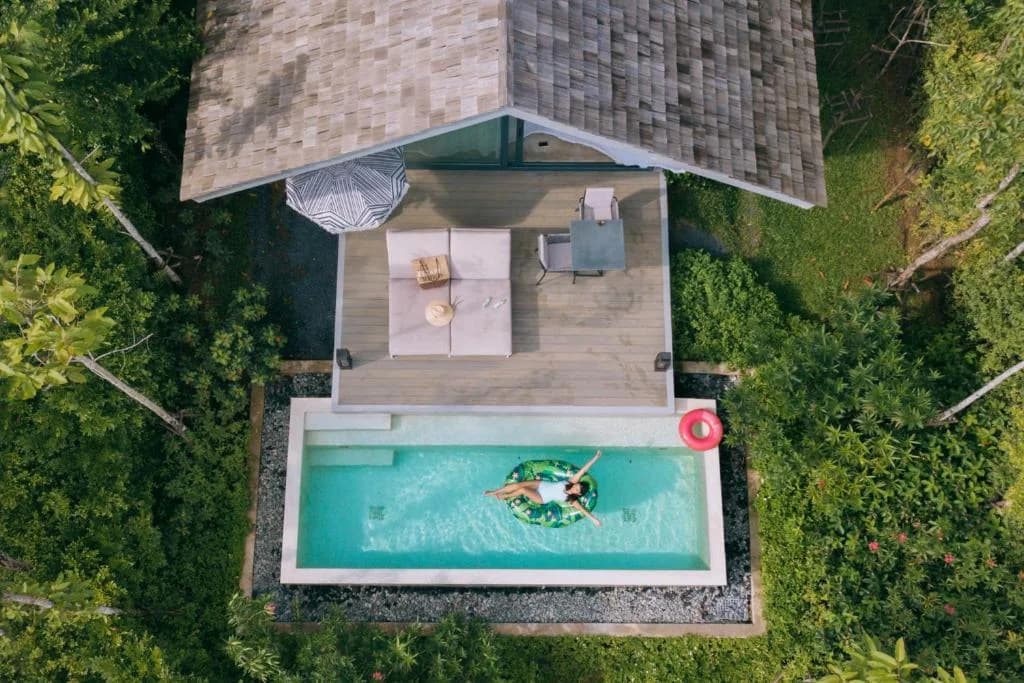
Suites at this level are rarely called suites in the conventional hotel sense. The vocabulary shifts: villa, pavilion, treehouse suite, or simply a named private dwelling. What distinguishes them materially is the degree of integration between interior and exterior. Canvas walls that open fully to the bush, infinity pools whose edges dissolve into the treeline, and bedrooms where the mosquito-net canopy is the primary architectural gesture rather than an afterthought. Indoor and outdoor shower arrangements are standard at this tier, as are private fireplaces and dedicated ranger access.
South Africa's broader hospitality culture also reflects an acute awareness of conservation credibility. The finest properties in and around Kruger operate under wildlife management frameworks, anti-poaching partnerships, and community development programmes that function as part of the guest experience rather than external marketing footnotes. Selecting a suite here is, in part, a position on how private capital engages with ecological preservation.
How to choose the best luxury suite in Kruger National Park
The first decision is whether to stay within the official park boundary or in one of the adjoining private reserves. Properties inside the park operate under South African National Parks regulations, which restrict certain activities including night drives from open vehicles. Private reserves beyond the western boundary carry fewer constraints, permitting off-road tracking, night drives, and walking safaris at closer range. For travellers whose primary interest is immersive wildlife access, this distinction is consequential.
Suite orientation matters considerably. A north-facing deck in the southern hemisphere maximises light exposure during winter months. Waterhole-facing suites produce reliable daily wildlife activity regardless of broader patrol routes. River-edge suites carry acoustic and visual qualities that inland placements cannot replicate, particularly at dawn.
Group composition is a practical filter. Families with younger children require suites with flexible spatial arrangements and properties with specific child-safe infrastructure around water features. Couples prioritising privacy benefit from properties with a low total suite count, ideally under ten individual dwellings, ensuring that common areas and vehicle departures maintain an intimate scale.
Architecture and interior design also function as meaningful differentiators. Some properties draw on Tsonga, Shangaan, and Venda visual traditions in their material choices and spatial organisation. Others pursue a more contemporary minimalism. Neither approach is categorically superior, but alignment between the traveller's aesthetic sensibility and the property's design language produces a more coherent experience.
Why curated selection by La Suite matters in this destination
The Greater Kruger ecosystem encompasses dozens of private concessions, and the variation in quality between the most and least considered properties is substantial. Marketing photography from this region has become technically sophisticated enough that surface presentation offers limited guidance. The distinctions that define a genuinely exceptional stay, including land exclusivity, staff-to-guest ratios, architectural integrity, and the actual condition of suite infrastructure, are not legible from a booking page.
La Suite applies a consistent editorial standard across every property in its selection. In a destination as experientially dense as Kruger, where the gap between a remarkable stay and a merely adequate one can be measured in something as specific as the proximity of a neighbouring lodge's vehicle track, that standard has direct impact on the quality of the trip. The curated selection by La Suite removes the noise from a market where reputation is easily manufactured and substitutes a framework built on observed, verifiable quality.
Frequently asked questions
What is the best time of year to stay in a luxury suite in Kruger National Park?
The dry season between May and September is widely considered optimal for wildlife sightings, as thinning vegetation concentrates animals near water sources. Suite availability is highest during the shoulder months of October and November, when rates are comparatively lower and migratory bird species begin arriving.
What is the difference between staying inside Kruger National Park and in a private reserve?
Properties within the official park boundary operate under South African National Parks regulations, which prohibit certain activities such as night drives from open game vehicles. Private reserves adjoining the western boundary of Kruger permit off-road tracking, night drives, and walking safaris, providing a more immersive and flexible wildlife experience.
How large are luxury suites in the Greater Kruger area compared to standard hotel suites?
Private concession suites in the Greater Kruger ecosystem are typically structured as standalone pavilions or villas rather than rooms within a larger building. Square footage varies significantly, but leading properties offer between 80 and 200 square metres of enclosed space, supplemented by private decks, plunge pools, and outdoor shower areas.
Are luxury suites in Kruger National Park suitable for families with children?
Many high-end properties in and around Kruger offer dedicated family suites or interconnected villa configurations. Suitability depends on the child's age, as some properties set minimum age requirements for game drives, typically eight to ten years. It is advisable to confirm child-safe infrastructure around pools and water features before booking.
What distinguishes a five-star suite in Kruger from a standard safari lodge room?
Top-tier suites in the Greater Kruger area are defined by private outdoor space with direct bush views, dedicated plunge pools, high staff-to-guest ratios, and exclusive land access measured in hectares per suite. Standard lodge rooms share viewing areas and vehicles, whereas premium suites offer private game drive departures and personalised ranger assignments.
How far is Kruger National Park from Johannesburg and what are the transport options?
Kruger National Park is approximately five hours by road from Johannesburg, or around 90 minutes by domestic flight to Hoedspruit or Skukuza airports. Most private concessions coordinate charter flights or road transfers as part of their arrival experience, ensuring continuity between the airport and the property.
What wildlife can be expected from a suite in the southern sector of Kruger?
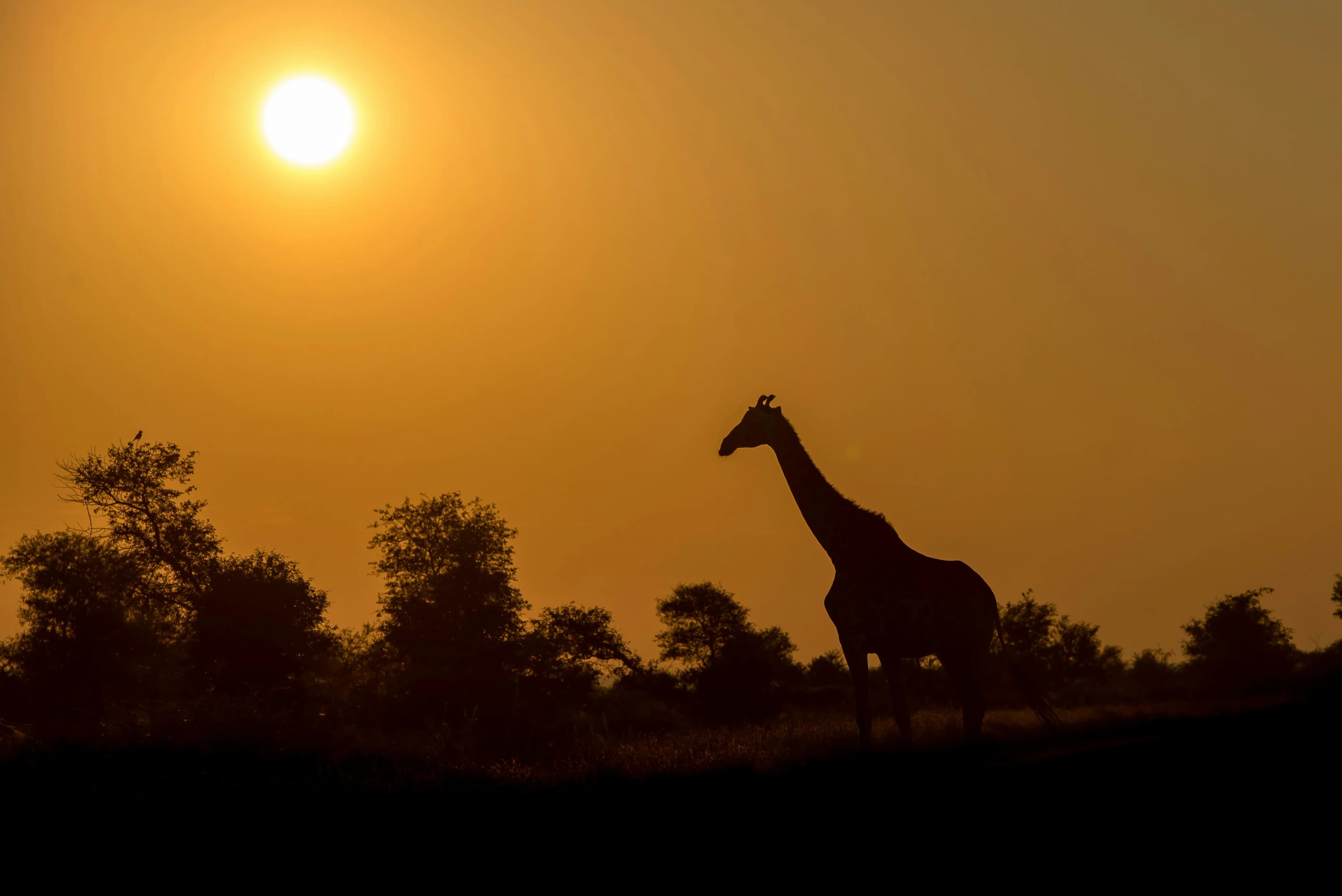
The southern sector of Kruger, particularly areas adjacent to the Sabi and Sand river systems, carries high concentrations of the Big Five: lion, leopard, elephant, buffalo, and rhinoceros. Suites positioned overlooking waterholes or river frontage in this zone produce consistent daily sightings, particularly during early morning and late afternoon hours.
What architectural styles are common in luxury hotel suites across the Greater Kruger region?
Properties range from canvas-and-timber structures drawing on traditional East African camp aesthetics to contemporary minimalist pavilions using local stone, glass, and reclaimed wood. Some lodges incorporate material references to Shangaan and Venda visual traditions, while others pursue a more globally abstracted design language. The most considered properties use architecture to mediate between interior comfort and direct sensory connection with the surrounding bush.
Is it possible to find a luxury suite in Kruger with a private waterhole view?
Yes. Several private concessions within the Greater Kruger ecosystem position individual suite terraces or plunge pools with direct sightlines over functioning waterholes. These placements are among the most sought-after configurations in the region, as they deliver reliable, sustained wildlife activity without requiring vehicle departures.
How does La Suite curate its selection of luxury hotel suites in Kruger National Park?
La Suite applies a consistent editorial standard that evaluates properties on criteria including architectural integrity, suite exclusivity, staff-to-guest ratios, land access, and the verifiable condition of the guest experience. In a destination where marketing presentation frequently outpaces actual quality, this framework provides travellers with a reliable basis for decision-making that goes beyond visual promotion.