Where to stay in Chengdu: districts and their character
Jinjiang and the historic core
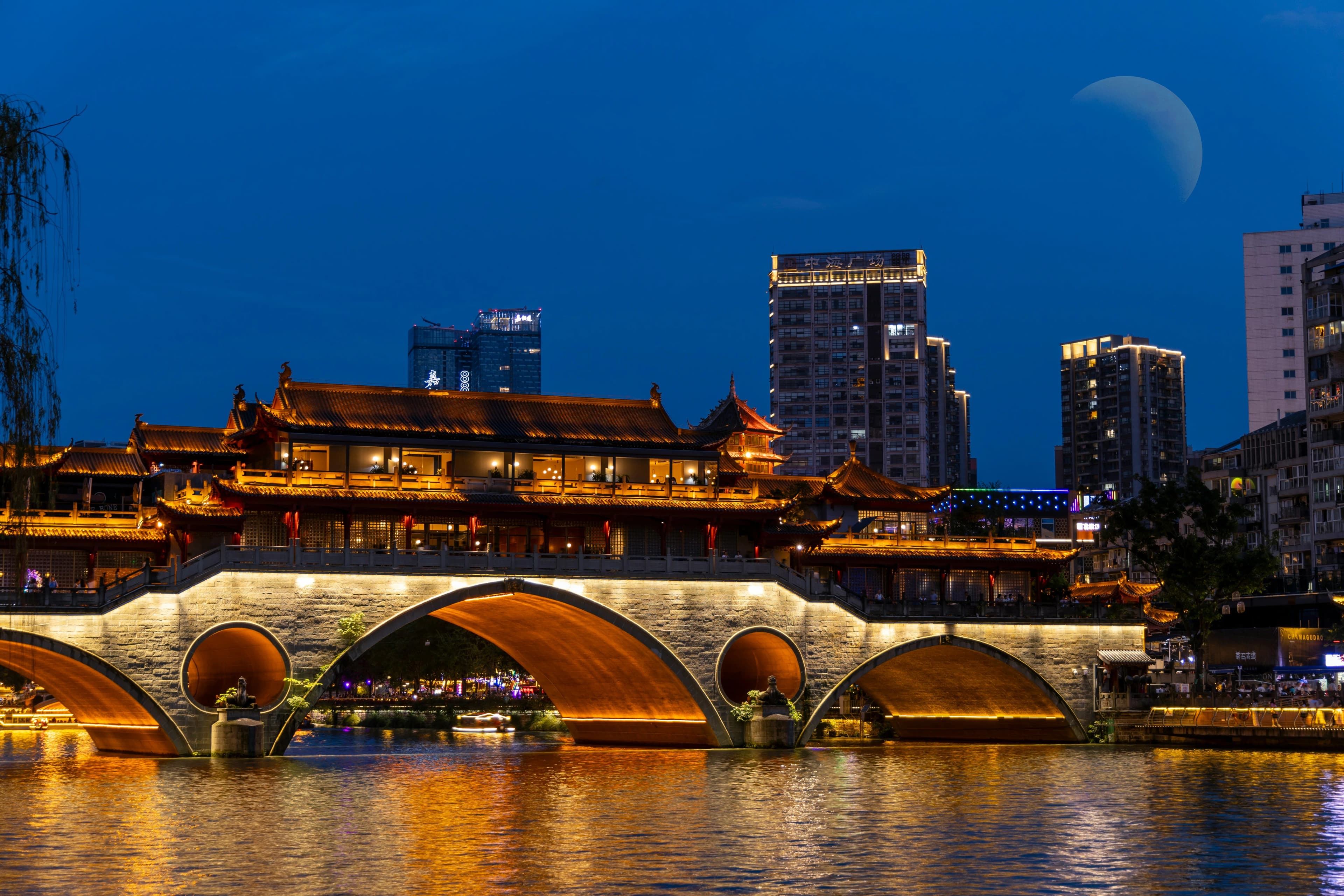
The Jinjiang district holds much of Chengdu's architectural and cultural continuity. Proximity to Tianfu Square, the Sichuan Museum, and the Wuhou Shrine places guests at the intersection of imperial-era planning and contemporary commercial life. Luxury hotels in this district tend to occupy purpose-built towers with expansive floor plates, offering suites with city panoramas and direct access to the city's primary cultural axis. For travelers whose itinerary centers on museums, traditional opera performances, and formal business appointments, this zone offers the most efficient base.
Jinniu and the northern corridors
The northern reaches of Chengdu, including the Jinniu district, present a quieter residential texture alongside growing hospitality infrastructure. Properties here serve travelers who prefer distance from the commercial center while maintaining reasonable transit access. The architectural language in this area tends toward newer construction, and suites typically reflect contemporary Chinese interior sensibilities rather than heritage-inflected design.
High-tech zone and Tianfu New Area
Chengdu's southward expansion has produced the Tianfu New Area, a planned urban extension housing the city's technology and financial sectors. Luxury hotel development in this corridor has accelerated since the mid-2010s. Suites here tend toward the architectural and minimalist, targeting business travelers and international delegations. The visual contrast with the historic core is deliberate: wider boulevards, considered landscaping, and a skyline still forming. For travelers whose agenda combines corporate meetings with cultural excursions, this district offers a logical middle point.
When to visit Chengdu for a suite experience
Chengdu's climate operates under the influence of the Sichuan Basin, producing mild winters, warm summers, and persistent overcast conditions throughout much of the year. The city receives less direct sunlight than most major Chinese cities, a characteristic that shapes the interior atmosphere of its hotels and the textures of daily street life.
Spring (March to May) and autumn (September to November) represent the most comfortable periods for extended stays. Temperatures remain moderate, outdoor spaces become more usable, and cultural programming at institutions such as the Sichuan Opera tends to maintain fuller schedules. The Chengdu International Finance Expo, held annually, draws significant business traffic and affects suite availability at premium properties. Advance planning is advisable for these windows.
Summer months bring humidity and occasional heavy rainfall, but also the full operational calendar of the city's restaurants and teahouses. Winter in Chengdu is rarely severe by northern Chinese standards, and the city maintains a quieter, more contemplative atmosphere during this period. For travelers prioritizing privacy and reduced occupancy levels at luxury hotels, January and February outside the Lunar New Year window can offer favorable conditions.
Local luxury standards: what to expect from top-tier suites in Chengdu
China's hospitality classification system uses a five-star designation administered by the China National Tourism Administration, but this rating functions as a baseline rather than a guarantee of experiential quality. Within the five-star category, properties in Chengdu range considerably in design ambition, service culture, and suite specification.
International luxury hotel groups have established a substantial presence in Chengdu, reflecting the city's status as a Tier 1 commercial center. These properties tend to maintain global brand standards while incorporating local references: Sichuan lacquerwork, regional ceramics, or botanical elements drawn from the province's extraordinary plant diversity. The integration is variable in quality, and a discerning traveler benefits from knowing which properties treat local culture as decoration and which have engaged with it substantively.
Suite typologies in Chengdu follow a pattern common to major Chinese cities: generous floor areas by international standards, formal living and dining zones, and in the upper categories, private dining and dedicated butler service. Bathroom architecture tends toward the generous, with separate shower and soaking bath configurations standard at the upper tier. Views in Chengdu are rarely defined by dramatic natural geography; the city sits on a plain, and the premium is on upper-floor city panoramas or, in a small number of properties, garden-facing orientations.
How to choose the right luxury suite in Chengdu
The selection process for a luxury hotel suite in Chengdu involves several considerations specific to this city and its context.
Architecture and design philosophy
Chengdu's luxury hotel stock is predominantly contemporary. Unlike destinations with a deep inventory of converted heritage buildings, the city's premium properties occupy purpose-built towers or campus-style complexes. Design quality varies, and travelers who prioritize interior architecture should look closely at suite photography and floor plans before committing. Some properties have invested in collaborations with regional designers or artists; these tend to produce more spatially interesting results than globally standardized interiors.
Culinary access and in-suite dining
Sichuan cuisine is one of China's eight recognized culinary traditions, and Chengdu holds UNESCO Creative City of Gastronomy designation. This has direct implications for suite selection: properties with strong in-house restaurant programs, particularly those engaging with authentic Sichuan techniques rather than sanitized interpretations, deliver a materially different experience. In-suite dining capabilities, including the option to have properly prepared regional dishes served privately, should be confirmed rather than assumed.
Service culture and language
Chengdu's hospitality workforce is generally well-trained at the major international properties. English language service is available at the leading luxury hotels, though the depth of English proficiency varies by department. Travelers conducting complex arrangements, dietary requests, or cultural excursions should verify concierge capabilities in advance. Properties with dedicated international guest services desks tend to offer more reliable support for non-Mandarin speakers.
Why curation matters in Chengdu's luxury hotel market
Chengdu's luxury hotel market has grown rapidly, and the volume of five-star and pseudo-luxury inventory now exceeds what unassisted research can evaluate effectively. The gap between marketed positioning and actual suite quality is considerable at some properties, and the city's relative unfamiliarity to many Western travelers means that standard review platforms provide incomplete guidance.
La Suite applies direct editorial criteria to each property in its selection, assessing suite architecture, service consistency, and the authenticity of the local cultural engagement. For a destination like Chengdu, where the cultural depth is genuine but the hospitality landscape is uneven, a curated selection by La Suite provides a reliable foundation for decision-making. Travelers gain access to properties that have been evaluated against consistent standards rather than aggregated star ratings or volume-based review scores.