Understanding Shanghai as a luxury suite destination
Best areas to stay in Shanghai for luxury travelers
The Bund and Huangpu district
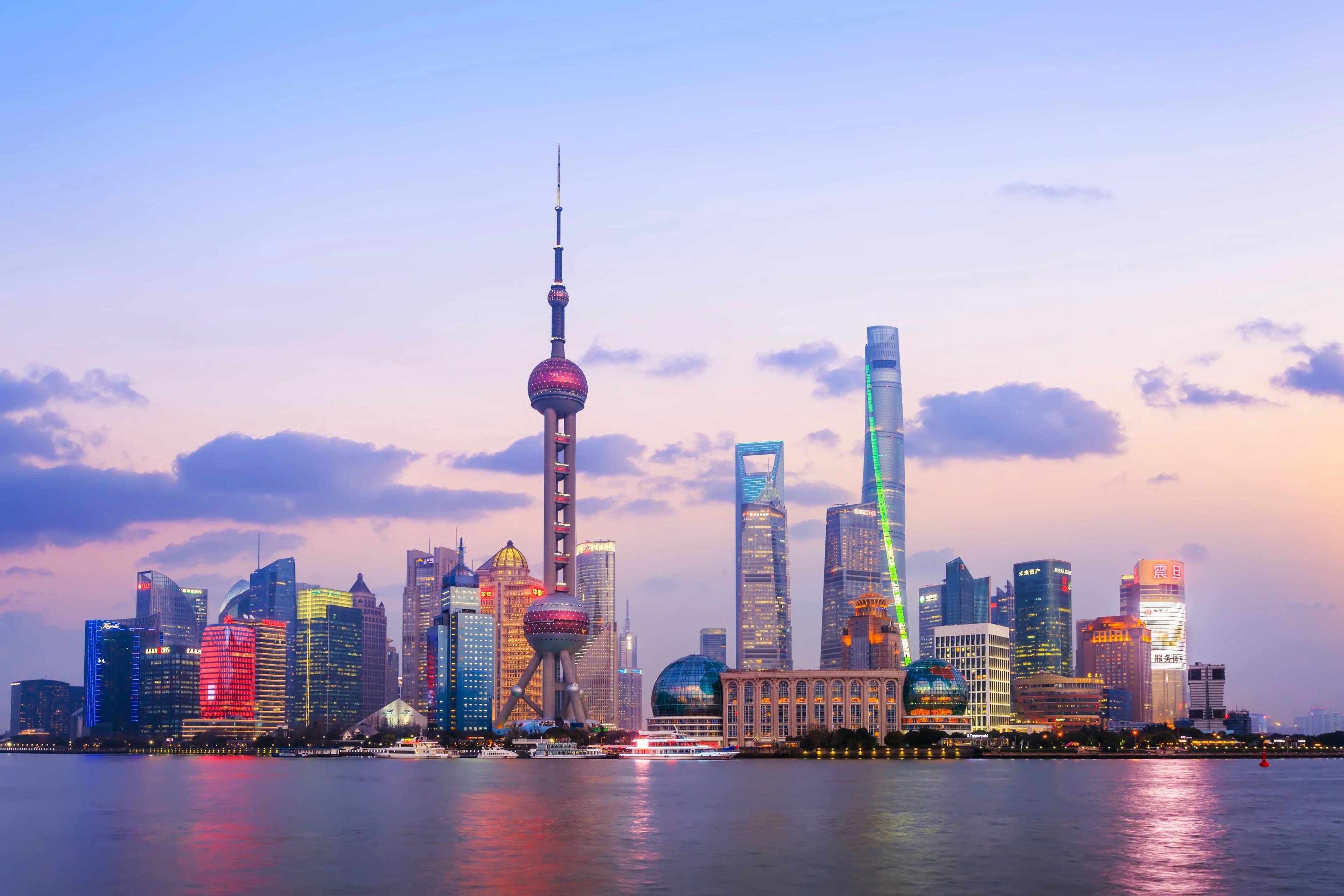
The Bund remains Shanghai's most legible address for luxury hospitality. The strip of early 20th-century colonial and neoclassical buildings facing the Huangpu River concentrates the city's most historically resonant properties. Suites on the upper floors of Bund-facing hotels deliver a direct visual relationship with the Pudong skyline across the water, a panorama that is arguably the most recognizable urban view in contemporary Asia. This district suits travelers for whom architectural context and proximity to fine dining and gallery spaces are primary considerations.
Pudong and Lujiazui
Lujiazui, the financial district directly across the river from the Bund, houses some of Shanghai's most technically ambitious tower hotels. Suites here sit at extreme altitudes, with floor-to-ceiling glass offering unobstructed aerial perspectives across the city grid. The atmosphere is corporate and contemporary, with service standards calibrated to international business travel at the highest level. Travelers who prioritize a sense of vertical scale and clean modernist interiors tend to gravitate toward this side of the river.
The French Concession and Jing'an
The former French Concession, extending across Xuhui and parts of Changning, operates at a different register entirely. The tree-lined streets, Art Deco residential buildings, and density of independent restaurants, concept stores, and cultural institutions create a neighborhood texture that the Bund and Lujiazui cannot replicate. Boutique luxury properties here occupy restored lane houses or repurposed heritage structures, and their suites tend to be architecturally intimate rather than panoramically scaled. Jing'an, adjacent to the north, combines this cultural density with access to the city's primary museum and temple quarter.
Xintiandi and the former International Settlement
Xintiandi's shikumen stone-gate architecture, carefully restored and commercially activated, anchors a hospitality district that attracts design-conscious travelers. Suites in this zone typically offer quieter courtyards and garden-facing outlooks, positioning the stay as a respite from the city's sensory intensity rather than an engagement with it.
When to visit Shanghai for a suite stay
Shanghai's climate divides the year clearly. Spring, from March through May, brings moderate temperatures and a quality of light that suits exploration on foot. The city's gallery and cultural season is most active during this period, with art fairs and design weeks drawing an internationally mobile audience. Autumn, from September through November, is consistently regarded as the most comfortable season for extended urban stays, with lower humidity than the summer months and a calendar of events in fashion, finance, and contemporary art.
Summer, from June through August, is humid and warm, with temperatures regularly exceeding 35 degrees Celsius. Hotel occupancy is high during this period due to domestic tourism and regional business travel. Winter, from December through February, is cold and occasionally damp, but the city empties of leisure travelers and suite rates at many top-tier properties become noticeably more accessible. The period around Chinese New Year, which falls between late January and mid-February depending on the lunar calendar, brings intense domestic travel demand and significantly elevated pricing across the city's luxury hotel stock.
Local luxury standards: what to expect from top-tier suites in Shanghai
China does not operate a formal equivalent of France's Palace designation, but Shanghai's top luxury hotels are largely affiliated with global ultra-luxury brands and maintain service protocols aligned with international five-star benchmarks. Butler service, in-suite dining from full restaurant menus, and dedicated concierge access for cultural experiences are standard at the senior suite level.
What distinguishes Shanghai specifically is the quality of spatial design at its leading properties. The city's appetite for architectural investment has produced interiors that reference Shanghainese Art Deco, contemporary Chinese craft traditions, and international modernism in ways that are often more considered than comparable suites in other Asian cities. Materials selection, custom furniture commissioning, and the integration of local art are visible at properties across both the heritage and contemporary segments of the market.
Private club floors, which provide exclusive lounge access, dedicated check-in, and elevated amenity packages, are common at the major tower hotels and represent a meaningful tier between a standard suite and a penthouse-level booking.
How to choose the best luxury suite in Shanghai
The primary decision axis in Shanghai is architectural register: heritage or contemporary. Heritage properties, concentrated on the Bund and in the French Concession, offer a relationship with the city's pre-1949 identity and typically feature higher ceilings, bespoke millwork, and a more residential scale. Contemporary tower properties in Lujiazui and along the Nanjing Road corridor offer altitude, panoramic glass, and the technical service infrastructure of large-format luxury hotels.
A second consideration is orientation. Suites with direct Bund or river views command a premium and are in limited supply. Travelers who prioritize this specific outlook should confirm floor level and window orientation at the time of reservation rather than relying on category descriptions alone.
Access to the French Concession's restaurant and cultural circuit is more practical from properties on the western side of the city than from Lujiazui, where distances on foot are less manageable. For travelers whose itinerary centers on contemporary art, independent dining, and design exploration, proximity to the former concession districts is a functional as well as aesthetic consideration.
The value of a curated selection in Shanghai
Shanghai's luxury hotel market is large, internationally recognized, and competitive. The volume of options at the five-star level makes individual research time-consuming, and the distinctions that matter most to a discerning traveler — suite orientation, architectural quality, the specific character of service at a given property — are not always apparent from standard booking platforms.
La Suite approaches this market as an editorial exercise. The properties included in our Shanghai selection have been assessed on spatial quality, design coherence, service consistency, and the degree to which the stay engages meaningfully with the city's particular character. The curated selection by La Suite is not a comprehensive directory. It is a deliberate shortlist for travelers who have already decided that the suite is the correct format and are seeking the properties that execute it with genuine intelligence.