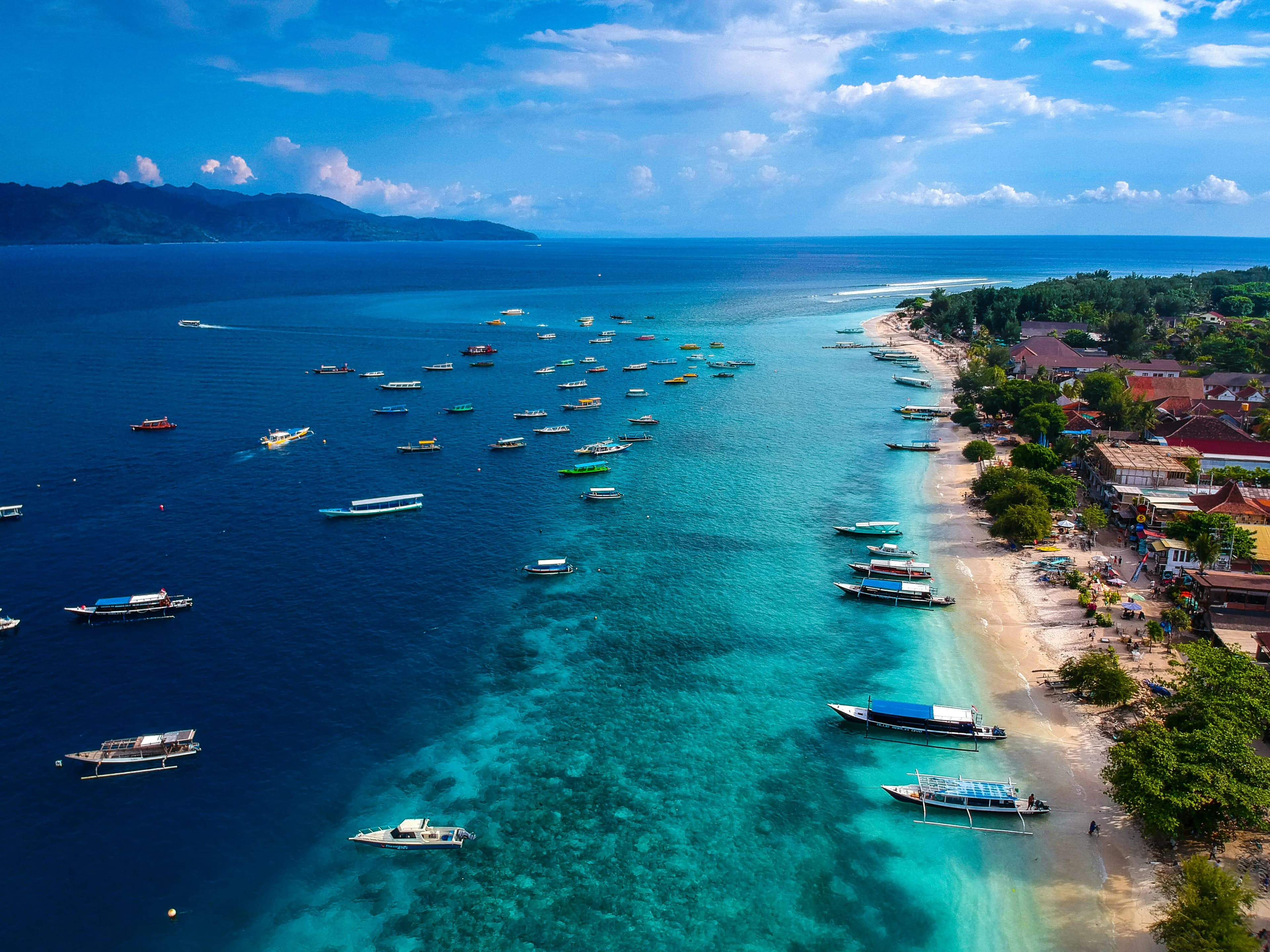
Where to stay in North Lombok: distinct zones and their luxury profile
The inland elevation around Senaru and the lower slopes of Rinjani presents a contrasting proposition: cooler temperatures, dense tropical forest, and a stillness that coastal properties cannot replicate. Suites at altitude trade sea views for forest immersion, with mist patterns and bird activity replacing tidal rhythms as the primary sensory experience.
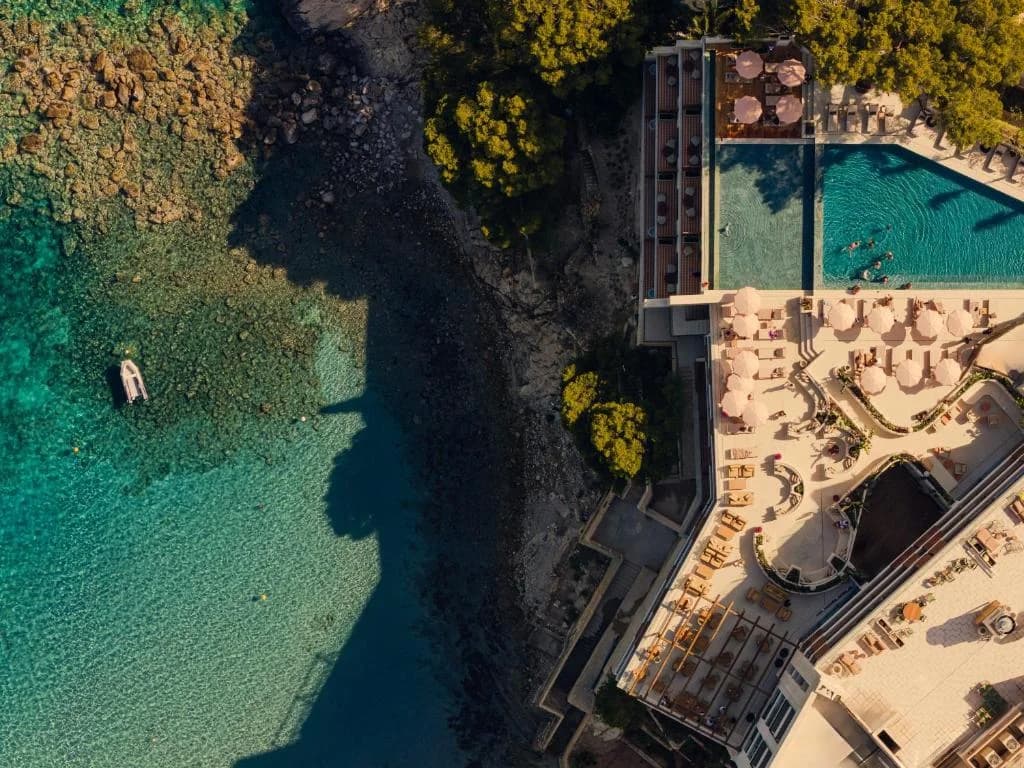
The northwest peninsula around Medana Bay has emerged as a quieter enclave, attracting properties that emphasize seclusion over amenity volume. Here, the guest-to-land ratio favors the traveler, and suites are frequently positioned to minimize visual contact with neighboring structures.
When to visit North Lombok for a luxury suite stay
The dry season in North Lombok runs approximately from May through October, with July and August representing the period of most consistent conditions. Sea clarity is at its peak during these months, benefiting travelers who intend to combine a suite stay with diving or snorkeling in the waters north of the Gili archipelago.
The shoulder months of May and October offer a practical balance: reduced humidity, competitive suite rates relative to peak season, and landscapes that carry residual green from the preceding wet months. April is frequently cited by returning visitors as the optimal month, combining the tail end of lush vegetation with improving weather stability.
The wet season, running from November through March, reduces access to Rinjani trekking routes and can affect ferry schedules to the Gili Islands. Some properties reduce operations or undertake refurbishments during this period. Travelers with firm itineraries are advised to confirm suite availability and property schedules before committing to wet-season travel.
Indonesian luxury standards: what defines a top-tier suite in this region
Indonesia does not apply a formal palace or grand hotel classification equivalent to France's Palace designation. Quality signals in North Lombok are therefore less standardized and require more deliberate assessment. The most reliable indicators include architectural integration with the site, the ratio of built footprint to green space, the sourcing of materials (local volcanic stone, hand-woven textiles, reclaimed timber), and the degree to which service is personalized rather than procedural.
Bale-style suites, referencing the traditional Balinese and Sasak open pavilion structure, are common across the region. At their most considered, these configurations dissolve the boundary between interior and exterior, with sleeping quarters oriented toward garden or ocean and bathing areas placed under open sky. The Sasak people, the indigenous population of Lombok, contribute distinct craft traditions that distinguish the island's design vocabulary from Bali's more internationally familiar aesthetic.
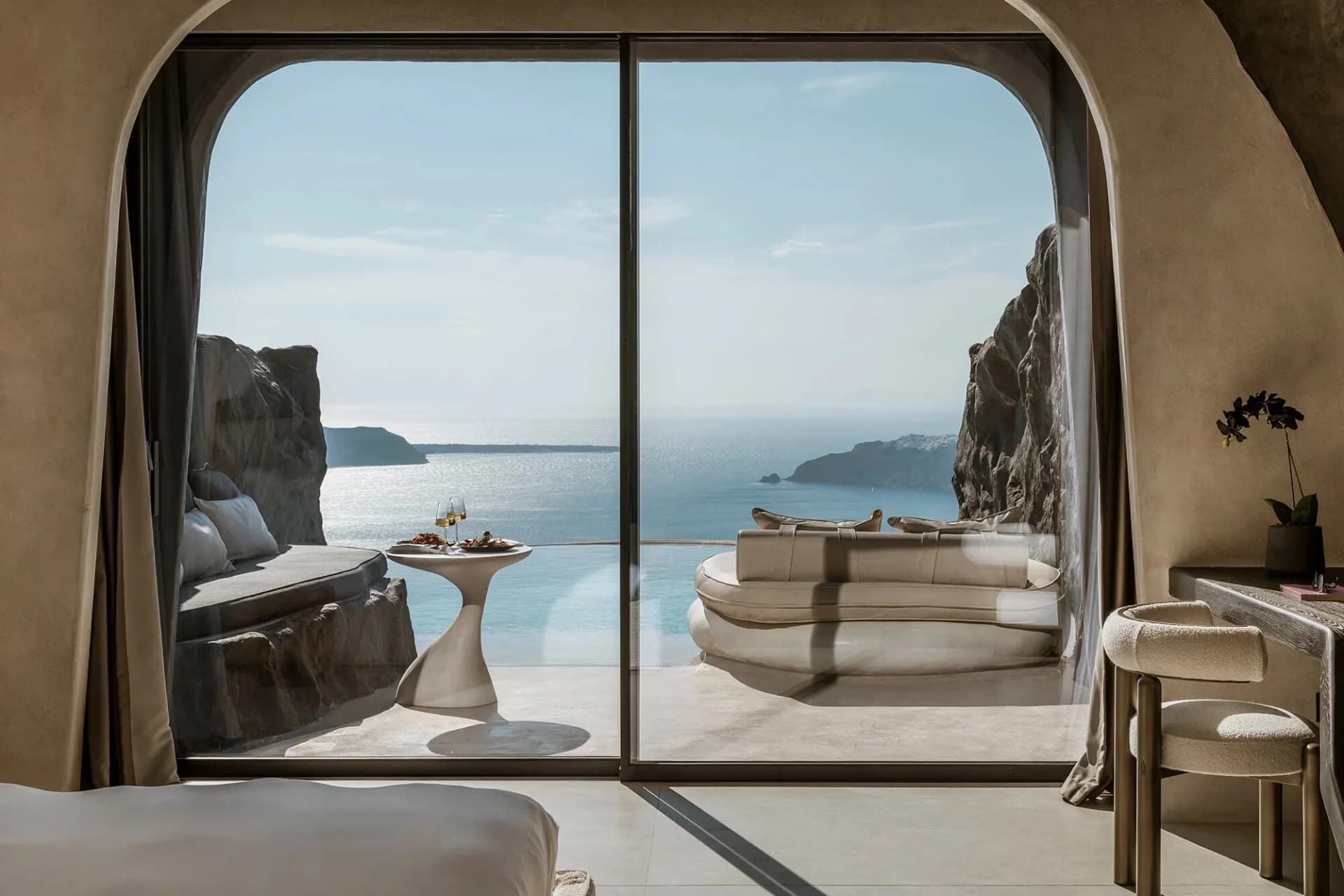
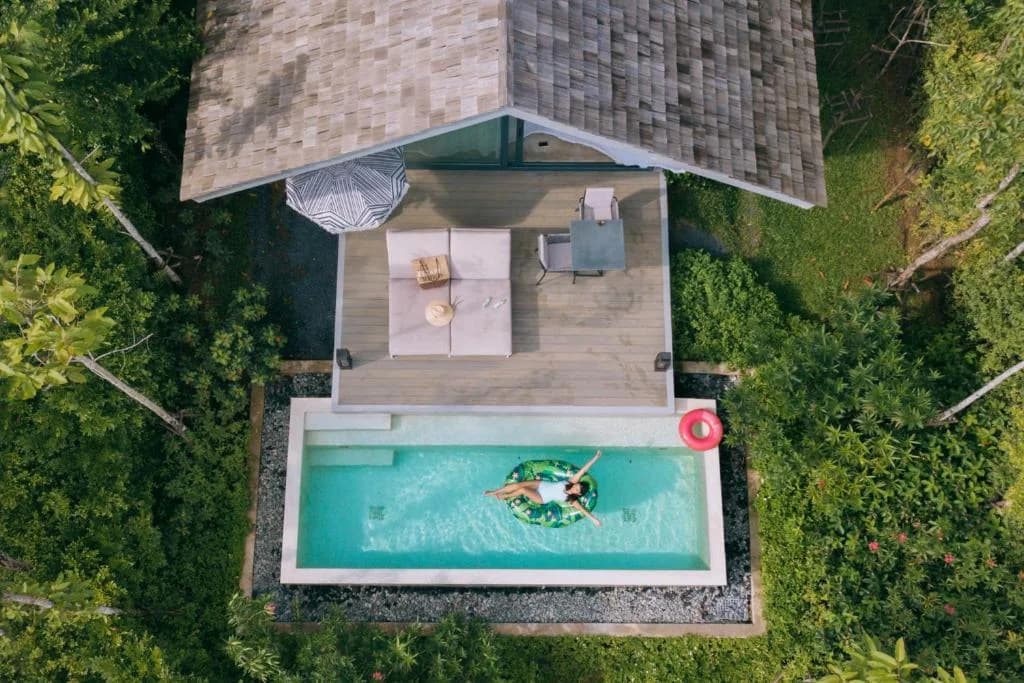
Butler service, private pool allocation, and in-suite dining capability are baseline expectations at the upper tier of the market. Properties that genuinely distinguish themselves in North Lombok tend to do so through site specificity: a suite positioned on a headland, a plunge pool fed by mountain spring water, or a structure built entirely from materials sourced within the local watershed.
How to choose the right luxury suite in North Lombok
The most important preliminary decision is whether the stay is oriented toward sea access or landscape immersion. These two modes of experience map to different parts of the region and often to different property typologies. A coastal suite optimized for ocean proximity will typically sacrifice altitude and forest density. A highland suite will offer thermal comfort and ecological richness in exchange for direct beach access.
Travelers arriving via Lombok International Airport, located in the south of the island, should factor transfer time into suite selection. The drive to North Lombok's most secluded properties can take between 90 minutes and two hours under normal conditions. This is not a disadvantage for travelers who understand the exchange: distance from the airport correlates directly with distance from the island's more congested southern zones.
Suite size and configuration matter differently here than in urban contexts. In North Lombok, the quality of the outdoor space (terrace orientation, pool positioning, garden boundary) frequently defines the experience more decisively than interior square footage. A well-positioned 80-square-meter suite with a north-facing terrace and unobstructed sea view will typically outperform a larger interior suite with compromised orientation.
Connectivity expectations should be calibrated accordingly. North Lombok's most immersive properties operate in areas where network infrastructure is limited by design and geography. For travelers whose professional obligations require consistent connectivity, this is a material consideration that should be confirmed before arrival.
Why curation matters in North Lombok specifically
North Lombok's luxury hospitality market is smaller and less consistently documented than Bali's. The absence of a large aggregator presence means that some of the region's most considered properties are not easily discoverable through standard search channels. Quality variance across the broader accommodation market is also significant: the gap between a genuinely exceptional suite and a mid-market property presented in luxury terms is wider here than in more established destinations.
La Suite applies consistent editorial criteria across the Indonesian archipelago, with specific attention to the factors that define a genuine suite experience in this region: site specificity, architectural integrity, service ratio, and the capacity of the property to deliver the privacy that North Lombok's geography promises. The curated selection by La Suite reflects properties that have been assessed against these criteria, removing the interpretive burden from travelers who would prefer to spend their research time on the itinerary rather than the accommodation vetting process.