Best atolls and areas to stay in the Maldives
The Baa Atoll, designated a UNESCO Biosphere Reserve, draws travelers oriented toward marine ecology. Resort density is lower, and the underwater landscape, particularly around Hanifaru Bay, adds a specific dimension to the stay beyond the standard overwater suite experience. Transfers require a domestic flight or seaplane, which adds logistical weight but also filters the guest population considerably.
North Malé Atoll and the Ari Atoll offer the most varied suite typologies: overwater bungalows, beach pool villas, and two-storey residences designed for extended family groups or guests requiring a more structured living arrangement. The further south you travel, toward the Addu Atoll or the Huvadhu Atoll, the more pronounced the isolation becomes. These destinations require multi-leg transfers but deliver a degree of exclusivity that the central atolls cannot fully match.
When to visit the Maldives for a suite stay
The Maldives follows two seasonal patterns governed by the monsoon cycle. The dry northeast monsoon runs from November through April, bringing consistently clear skies, lower humidity, and calm sea conditions. This is the primary high season, and suite availability at the top properties tightens significantly from December through February. Christmas and New Year periods require planning well in advance, as overwater suite inventory at the most curated resorts is absorbed months ahead.
The southwest monsoon runs from May through October. Conditions are less predictable, with higher rainfall and occasional rough seas, but periods of clear weather are common, and the marine environment shifts in ways that interest serious divers. Manta ray aggregations at Hanifaru Bay peak between July and November. Rates during this shoulder season are substantially lower, and suite availability opens considerably. For travelers whose primary motivation is underwater access rather than guaranteed sun, the wet season presents a credible case.
April and October function as transitional months, often offering a useful balance between weather reliability and rate flexibility. Seaplane transfers, which serve a significant proportion of the remote resorts, are suspended during poor weather, a practical consideration when planning arrival and departure logistics.
Local luxury standards: what defines a top-tier suite in the Maldives
The Maldives does not use a formal national classification system equivalent to France's Palace designation. Quality is instead signaled through resort-level reputation, the depth of private amenity within each suite category, and the ratio of staff to guests, which at the highest-tier properties can reach two or three staff members per guest.
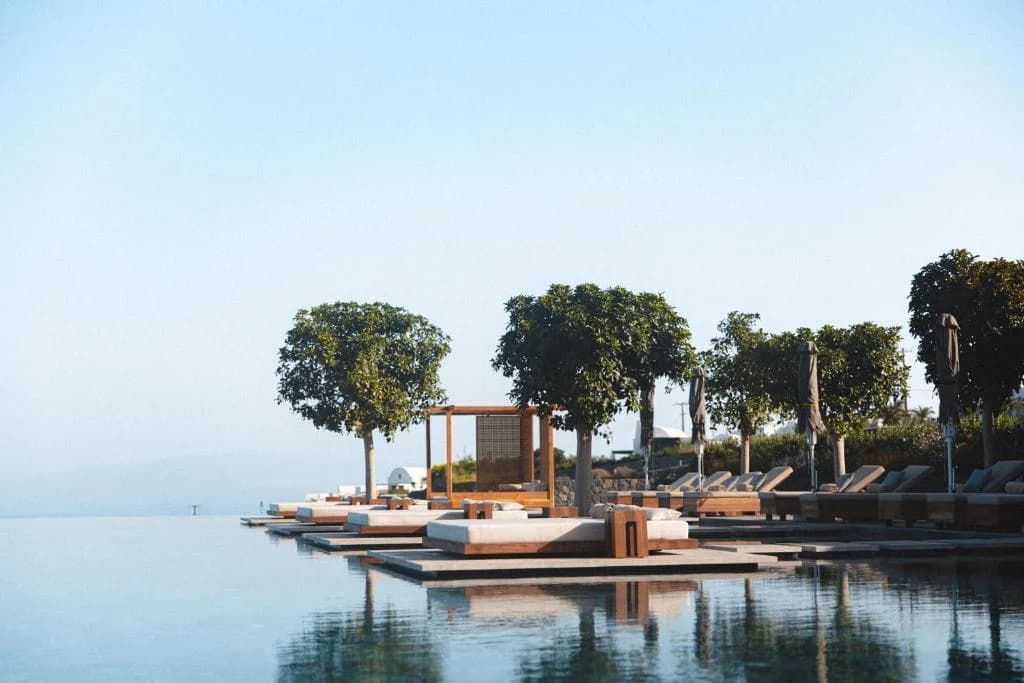
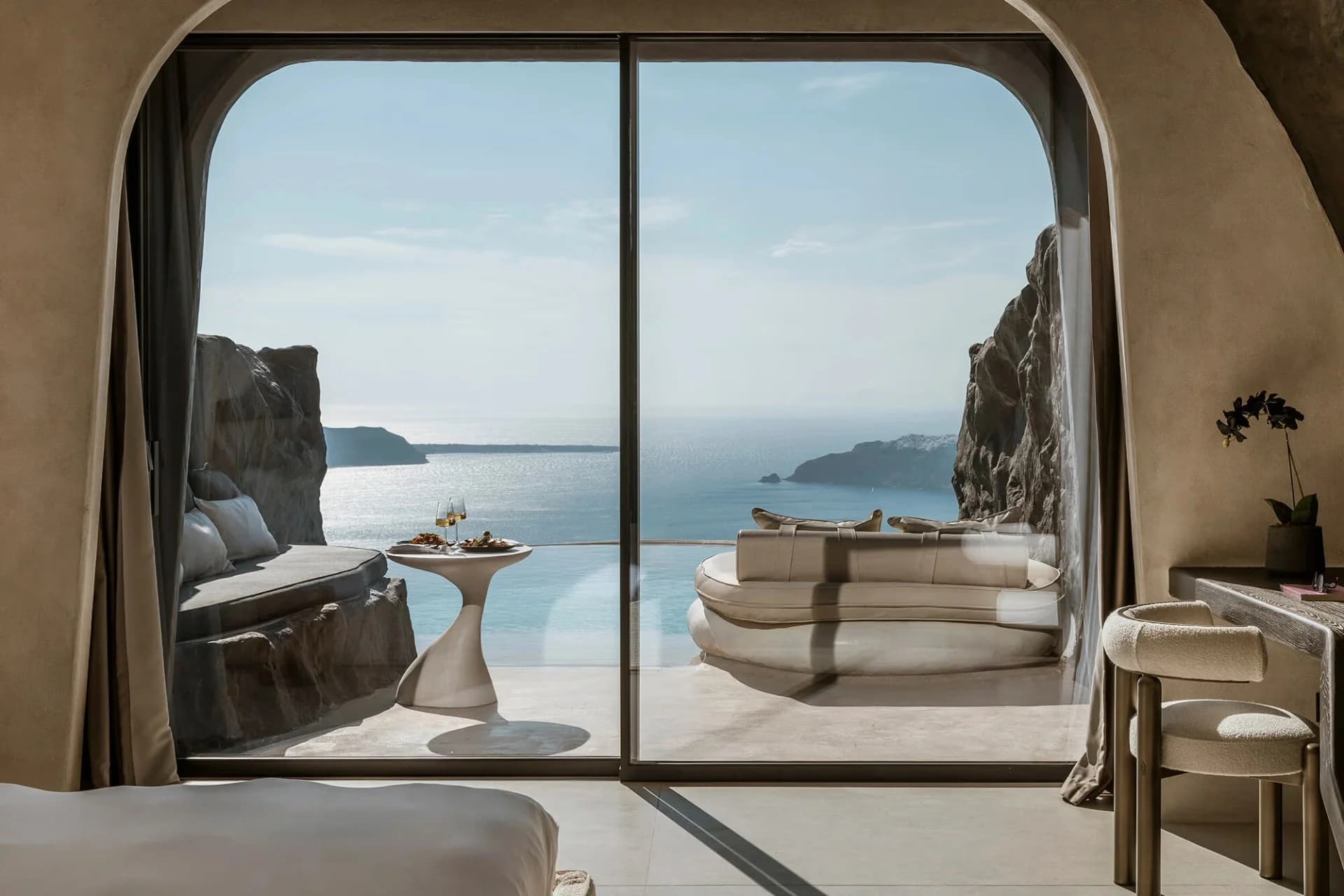
Overwater suites are the dominant typology and range considerably in quality. The baseline product involves a room elevated on stilts above the lagoon with a deck and direct water access. At the upper end, this becomes a two-storey structure with a private infinity pool, outdoor bathing area, submerged viewing panel, and dedicated butler service. The distinction matters: not all overwater suites are architecturally equivalent, and the quality of lagoon color, water depth beneath the villa, and the structural orientation relative to sunrise or sunset are details worth examining before selecting a property.
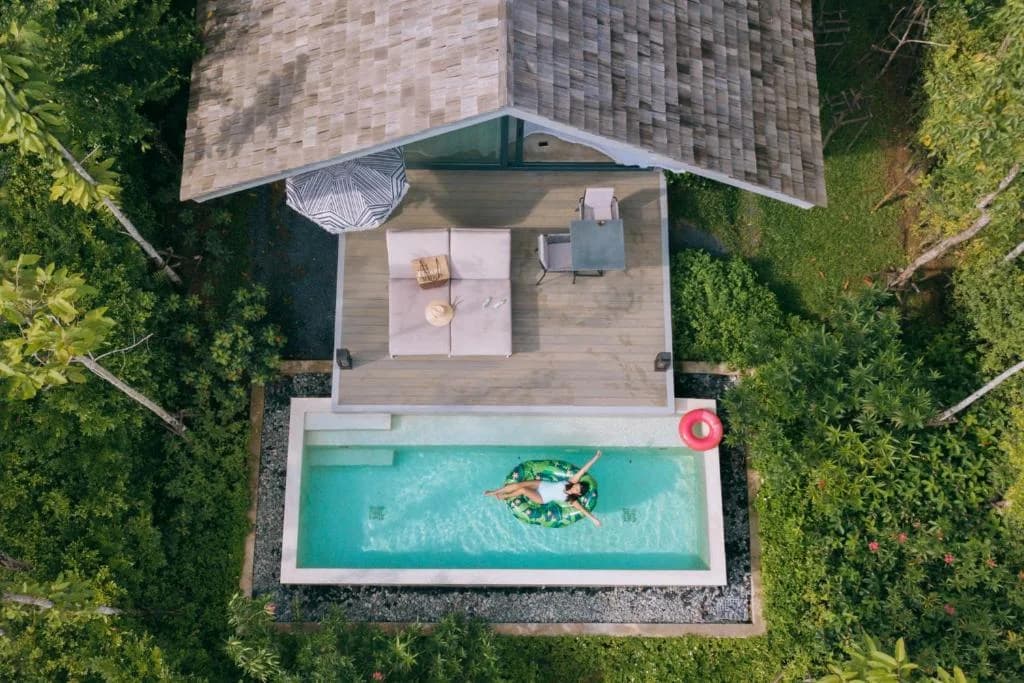
Beach pool villas occupy a different register. They offer more spatial privacy from neighbouring units, direct sand access, and a domesticity that overwater structures sometimes lack. For guests traveling with young children or those who find the open-water setting disorienting, a beach villa with a walled garden and private pool functions as a more controlled luxury environment.
The most significant differentiator across Maldivian resorts is the quality of the food and beverage program. Given that guests are contained within a single island, dining variety and ingredient sourcing become primary concerns during extended stays. The best properties operate multiple distinct restaurant concepts, maintain wine cellars with serious depth, and facilitate private dining experiences on sandbanks or beneath the water's surface at dedicated undersea restaurants.
How to choose the best suite in the Maldives
The first practical decision is transfer logistics. Seaplane access is limited to daylight hours, and flight times from Velana Airport to remote atolls range from 25 to 45 minutes. Properties requiring a domestic flight followed by a speedboat transfer add meaningful time to the arrival sequence. For guests arriving on long-haul flights, an overwater suite accessible by a 20-minute speedboat transfer may deliver the better first impression than one requiring an additional two-hour journey.
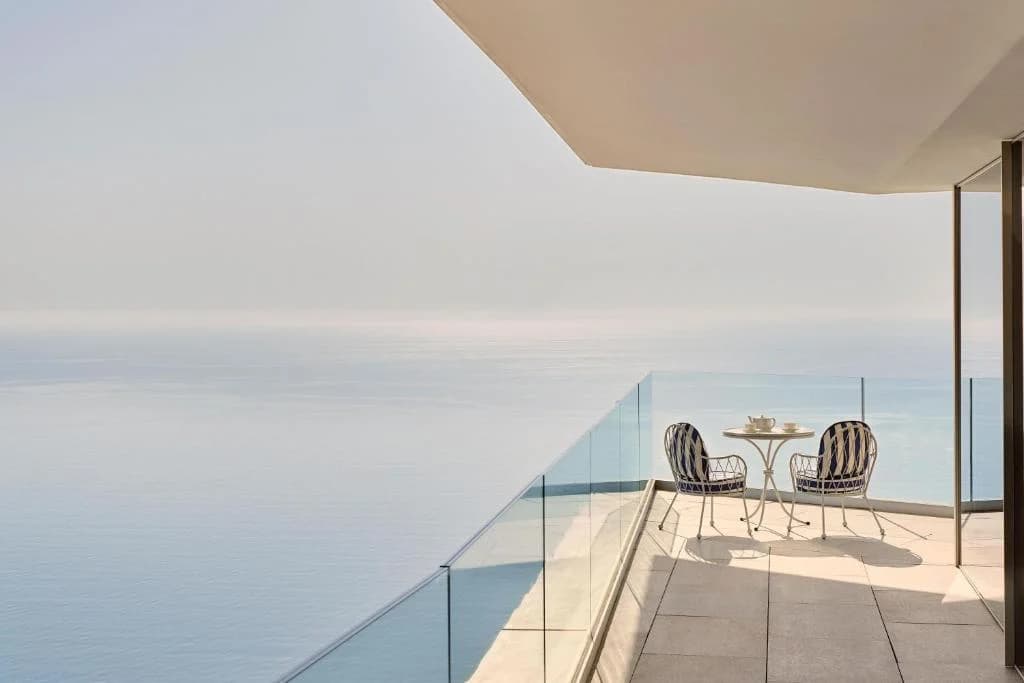
The second consideration is orientation. In the Maldives, the direction your suite faces determines the quality of your sunset and sunrise views, and whether you have direct ocean exposure or face the island's interior lagoon. This is worth specifying at the point of selection rather than leaving to chance assignment.
Suite size and layout become particularly relevant for stays beyond four nights. A single room with a deck functions adequately for a long weekend, but guests spending seven to ten nights benefit substantially from a suite with a defined living area, outdoor dining space, and storage architecture suited to extended occupation. The best overwater residences are designed with this duration in mind.
Finally, consider the resort's ecological positioning. A growing proportion of the highest-tier properties in the Maldives operate coral restoration programs, have achieved carbon-offset certifications, or have restricted guest numbers explicitly to reduce reef impact. For a subset of guests, this dimension is a primary filter rather than an afterthought.
Why a curated selection by La Suite matters in the Maldives
The Maldives presents a specific curation challenge. The market includes well over 150 resort islands, and the variance in quality between a mid-tier overwater bungalow and a genuinely exceptional suite is substantial, while the photography used to market both categories is frequently indistinguishable. Price point alone is not a reliable filter: several expensive properties deliver average spatial quality, while a smaller number of correctly positioned resorts offer suite experiences that justify the transfer logistics and the investment.
La Suite applies a precise editorial lens to this market, selecting 18 properties based on suite architecture, spatial generosity, service depth, and the coherence of the overall island environment. The curation removes the noise inherent in open-market search and surfaces only the properties where the suite itself is the primary consideration, not an amenity attached to a mass-market resort. For travelers making a significant commitment of time and budget, this specificity is not a convenience. It is the starting point.