Understanding Ko Samui as a luxury destination
Distinct areas of the island and where to stay
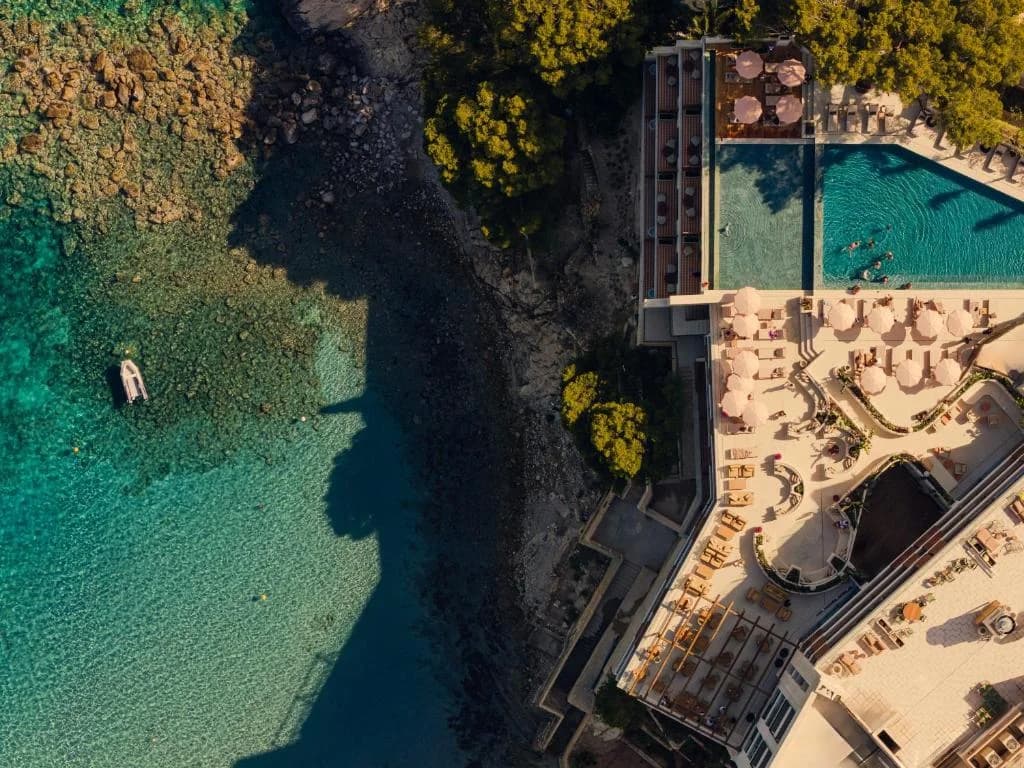
The northeast coast: Chaweng and Choeng Mon
Chaweng is the island's most commercially active coastal strip. The beach is long, the sand pale, and the infrastructure well-developed. Luxury hotel properties here position themselves as edited retreats within a more animated coastal environment. Choeng Mon, located at the northeastern tip, operates differently. It is quieter, more residential in character, and the hotels that occupy this stretch tend toward intimate scale and considered design. Suite travelers seeking proximity to the sea with a lower ambient energy will find Choeng Mon more aligned with their expectations.
The south and southeast: Bophut and Bang Rak
Bophut, situated on the north coast, contains the Fisherman's Village, a preserved enclave of Chinese-Thai shophouse architecture that functions as a reference point for the island's cultural and culinary identity. The surrounding hotel landscape mirrors this more composed character. Bang Rak offers bay-facing positions with direct access to ferry connections to Koh Phangan, making it a practical base for travelers combining islands within the same itinerary.
The west coast and hilltop zones
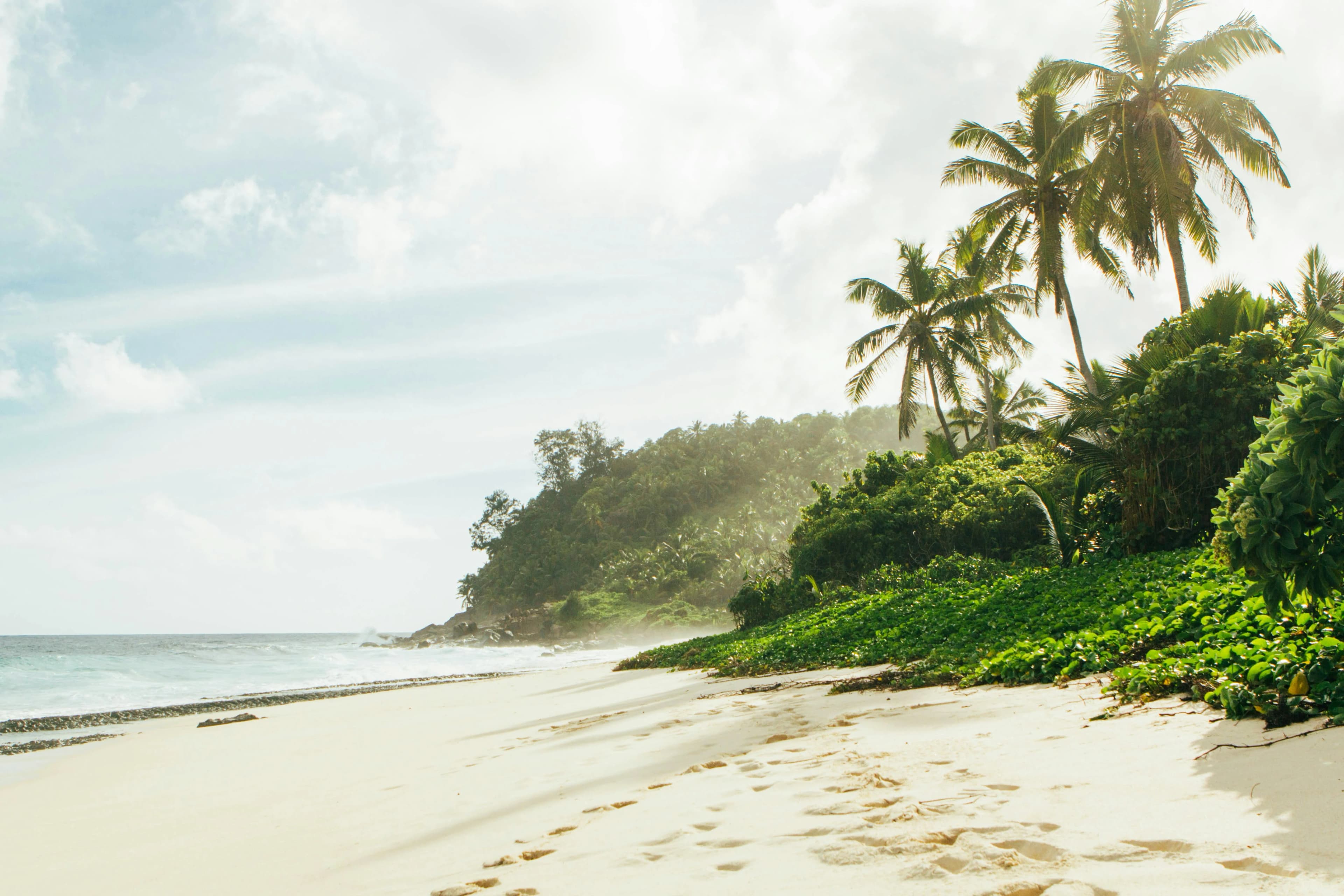
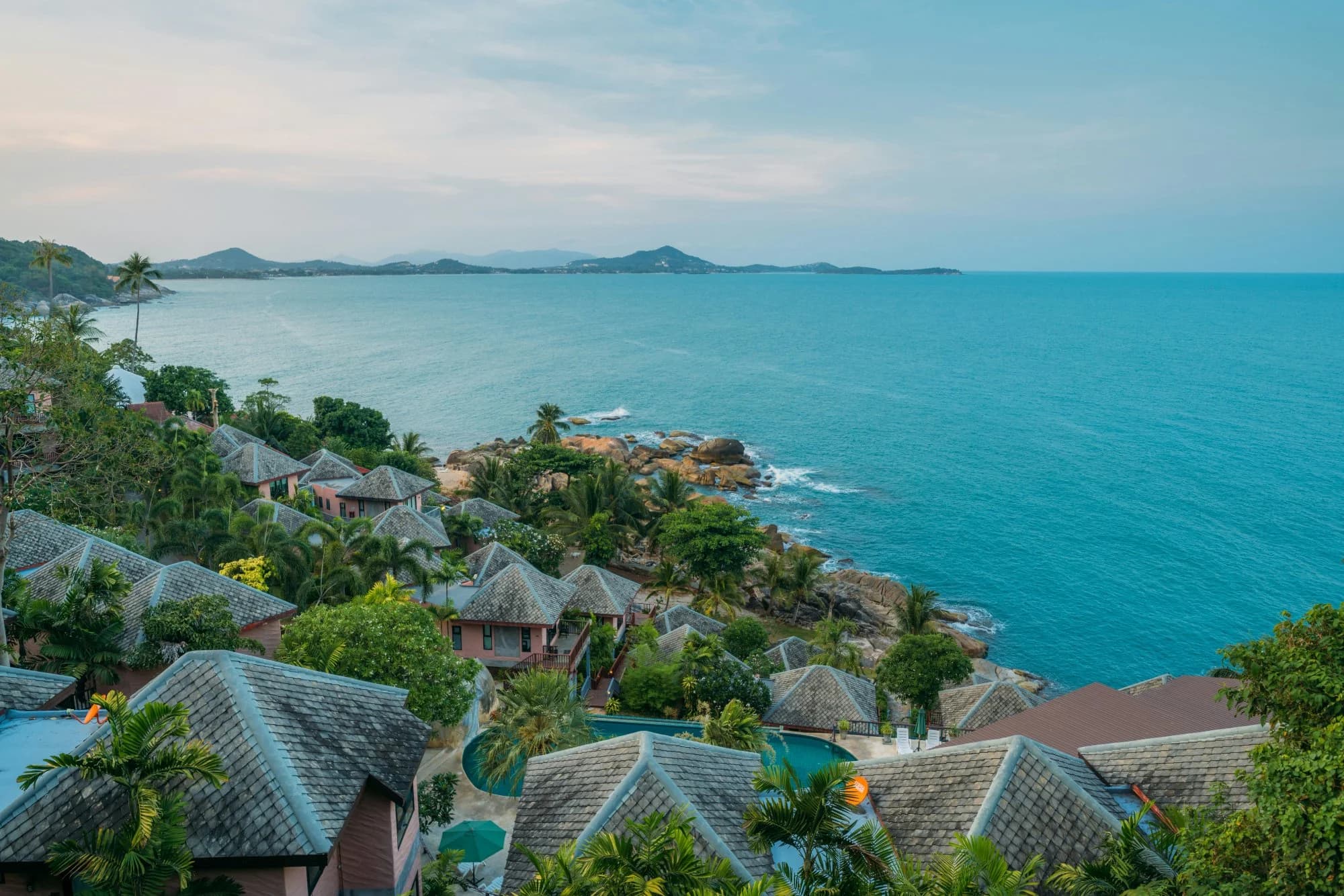
The western coastline offers some of the island's most architecturally resolved properties. Sunset orientation, elevated positioning, and greater seclusion from the island's tourist infrastructure make this corridor a strong choice for travelers prioritizing privacy and visual drama. The interior hillside, rising steeply behind the coastal fringe, is home to a number of villa resorts designed to integrate with the jungle canopy. These properties operate at a remove from beach culture and deliver a categorically different experience: immersive, quiet, and spatially generous.
When to visit Ko Samui for a luxury suite stay
Ko Samui's seasonality is one of its defining logistical considerations. The island's peak season runs from December through April, when the Gulf of Thailand is calm and rainfall is minimal. This is also the period of highest suite demand, and rates at the island's leading properties reflect that compression. January and February represent the most climatically stable months. The shoulder period from July to September offers favorable conditions, particularly on the western coast, and frequently delivers better suite availability at more negotiable rates.
The northeastern monsoon, which typically arrives between October and December, brings heavier rainfall and can affect some coastal properties more than others. Travelers with flexibility should note that this period, while wetter, is not uniformly disruptive, and certain hilltop and west-coast suites remain fully functional and often remarkably uncrowded. The Koh Samui Regatta, held annually in May, draws an international sailing and social crowd and merits consideration for travelers interested in the island during a period of structured programming.
Local luxury standards: what to expect from Ko Samui's top suites
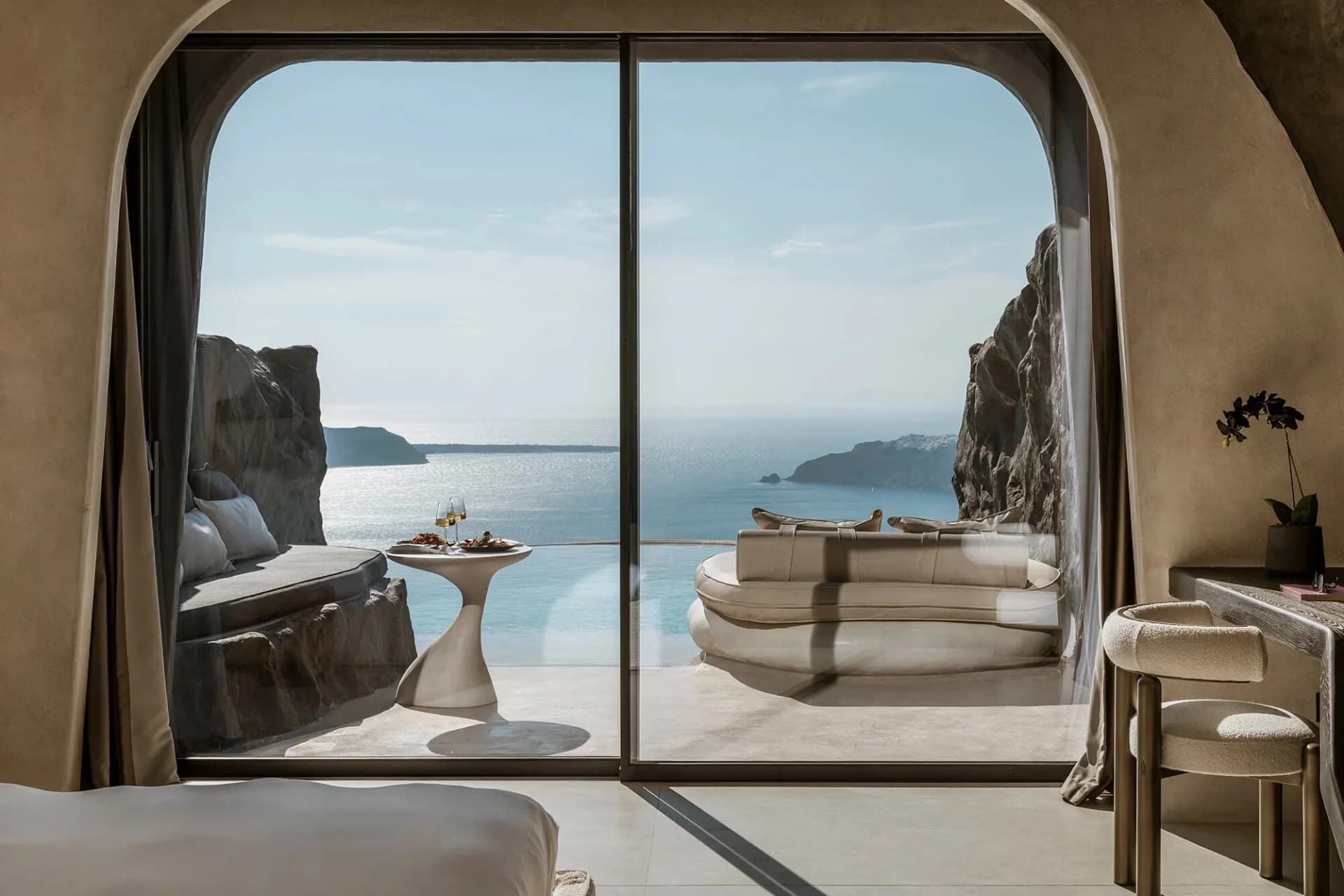
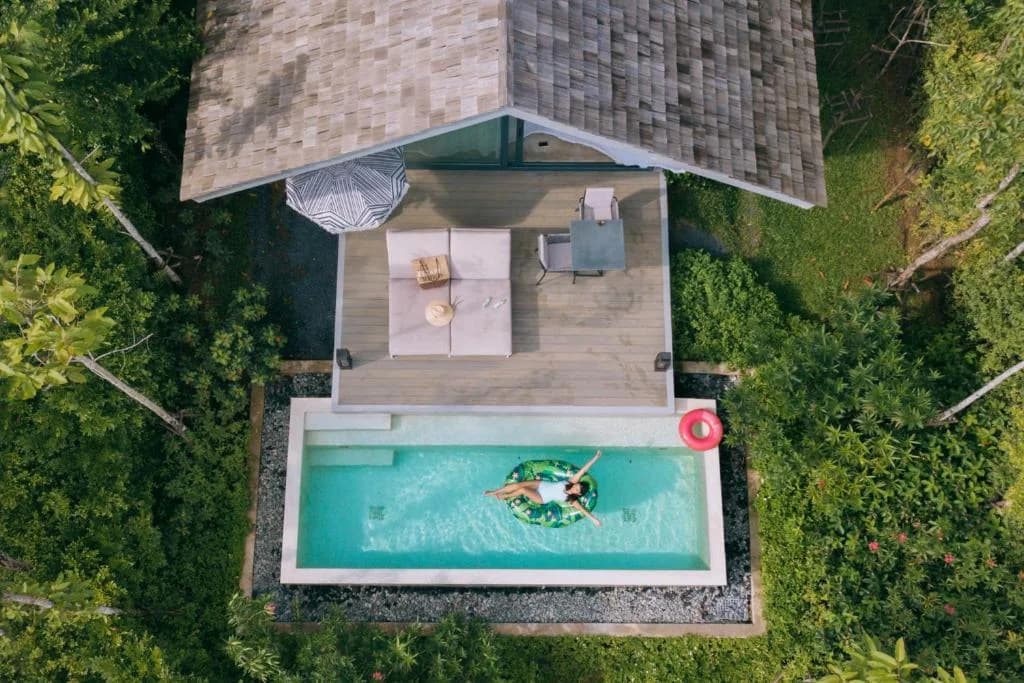
Thailand does not operate the same formal state classification system as France's Palace designation, but the island's leading properties have developed their own legible hierarchy. The dominant typology at the upper end is the pool villa suite: a self-contained unit with a private plunge or lap pool, direct outdoor access, and open-plan interior design that draws on both contemporary architecture and local craft material. Sala structures, open-sided pavilions traditionally used for reception and meditation, are frequently integrated into suite layouts as private outdoor living rooms.
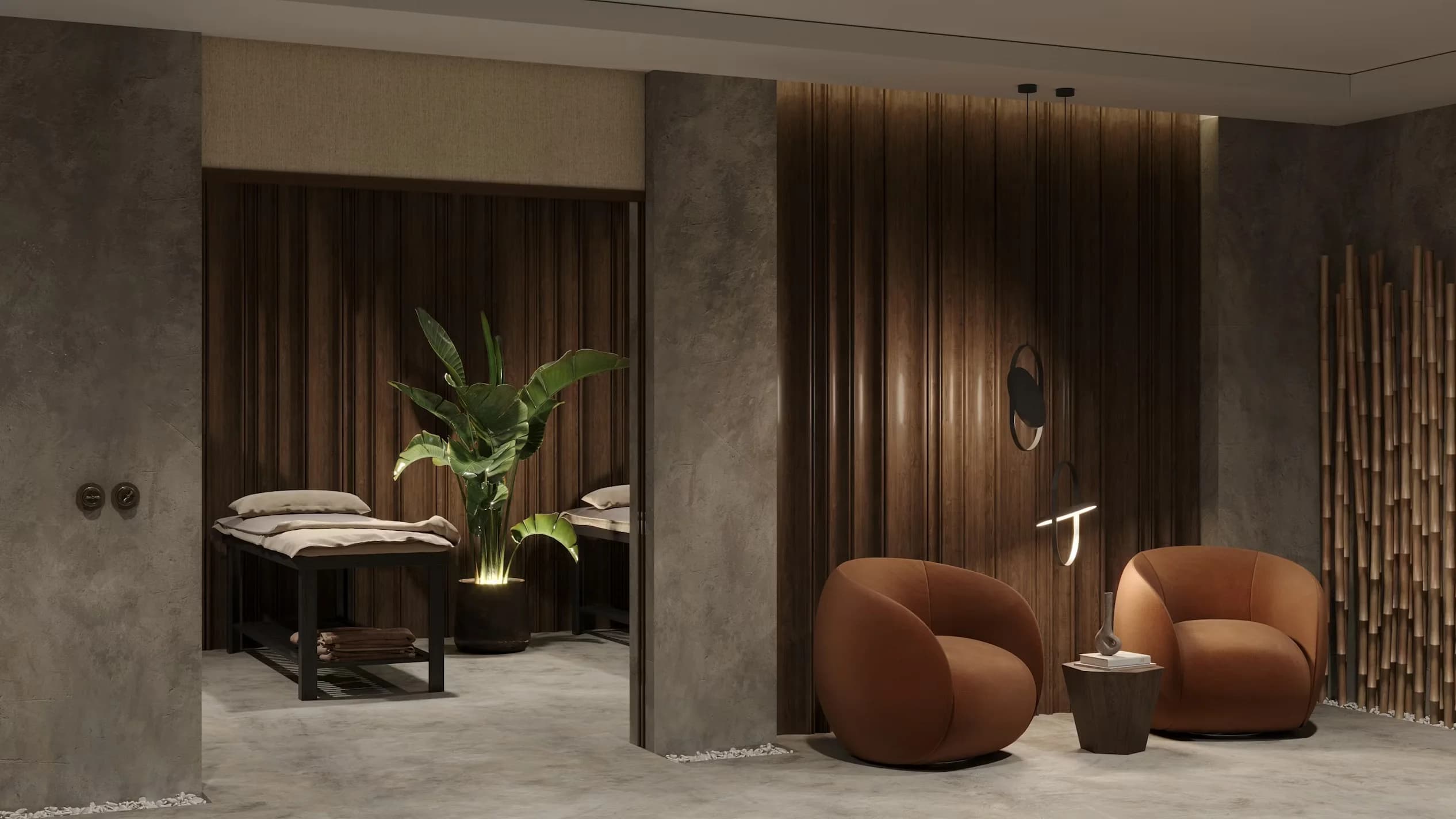
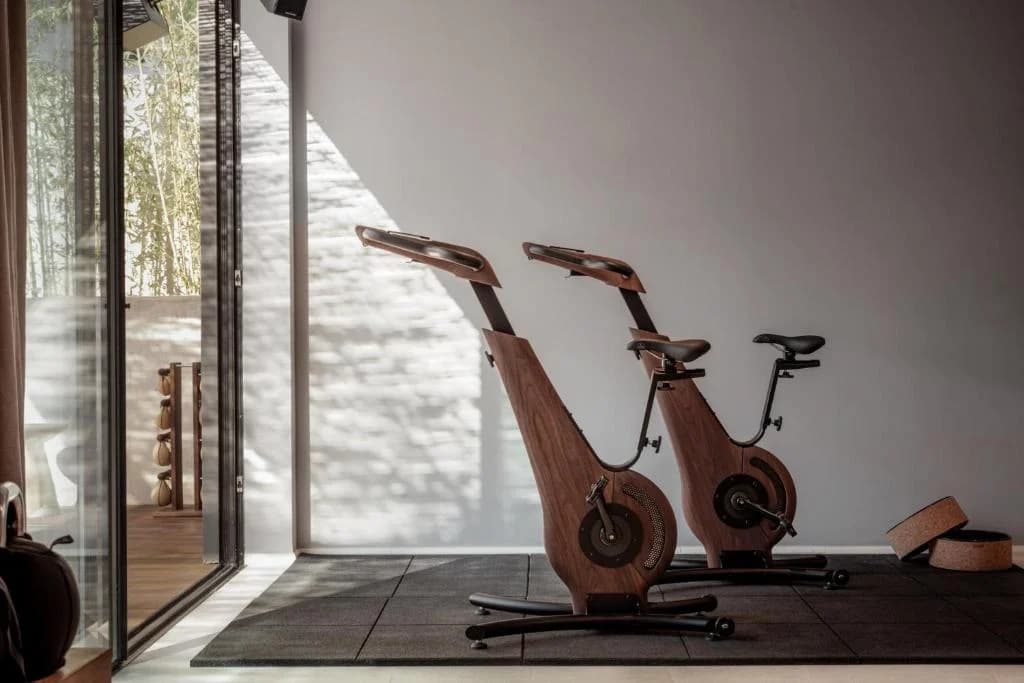
Thai wellness culture is embedded in the programming of the island's best properties. Treatments drawing on traditional Thai massage technique, herbal compress therapy, and Ayurvedic-influenced protocols are standard at this tier. Suite guests at the leading hotels typically receive dedicated butler service, private dining arrangements, and access to spa facilities that function as destination experiences in their own right. Expect spatial generosity: suites at the island's finest properties routinely exceed 150 square meters, with outdoor living areas treated as primary rather than supplementary spaces.
How to choose the right suite in Ko Samui
The key variable when selecting a luxury hotel suite in Ko Samui is position. The island's topography creates meaningfully different experiences depending on elevation, coastal orientation, and proximity to the island's commercial zones. A beachfront suite on the northeast coast delivers immediate sea access and a social environment. A hilltop villa suite on the west or southwest offers seclusion, canopy views, and a private quality that is architecturally enforced rather than merely promised.
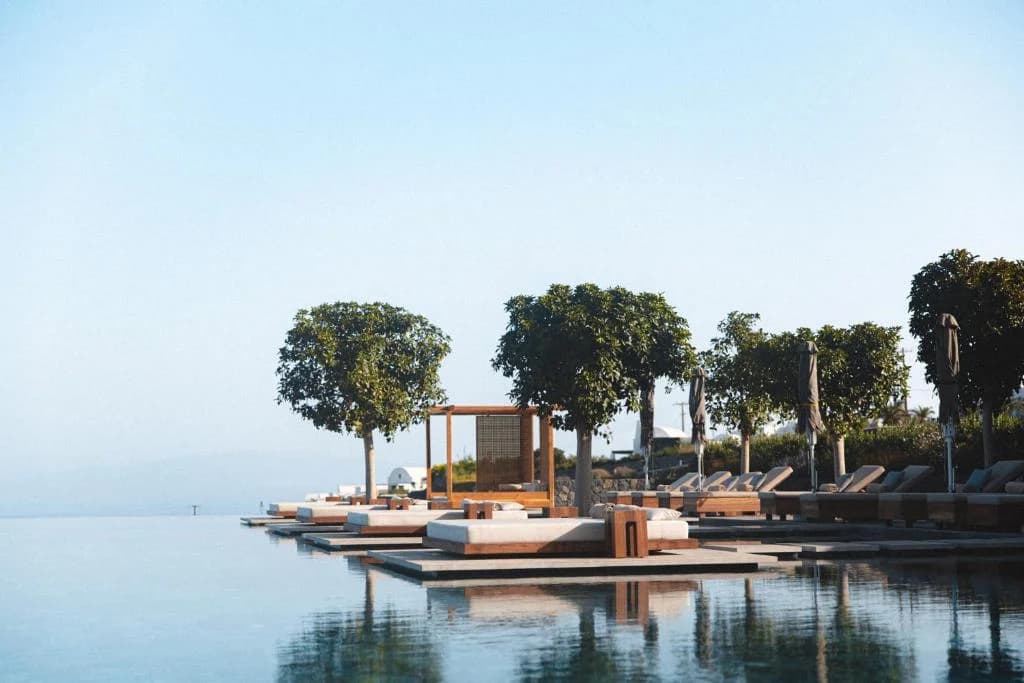
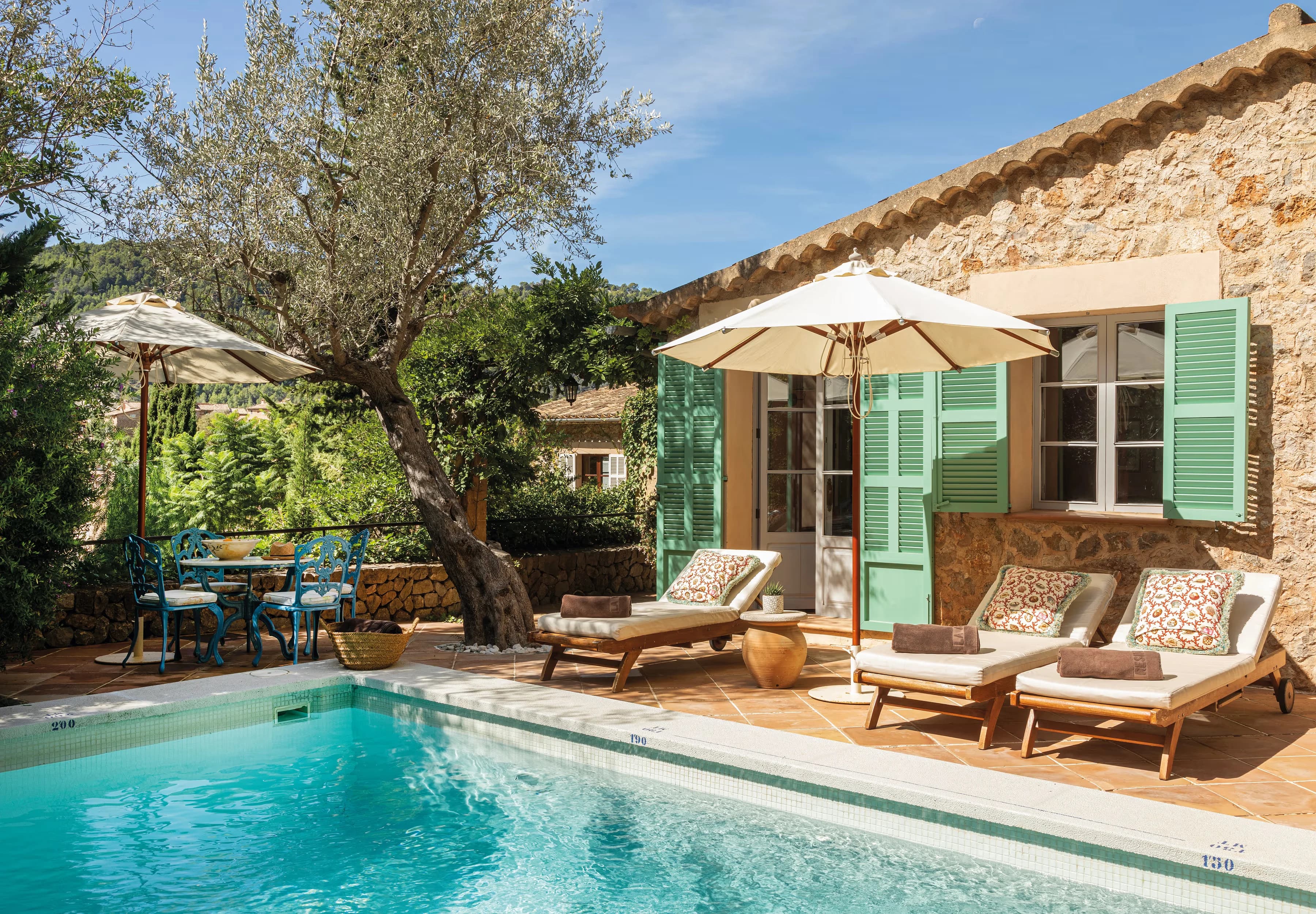
Consider also the architectural register of the property. Some of Ko Samui's finest suites work within a contemporary tropical idiom: floor-to-ceiling glass, infinity pools aligned to the horizon, poured concrete and reclaimed teak in deliberate tension. Others draw more explicitly on Thai residential architecture: pitched roofs, layered garden enclosures, and material palettes weighted toward terracotta, rattan, and local stone. Neither approach is superior. The choice should be calibrated to how you intend to use the space and what sensory register you want to sustain across a stay of several days.
Practical considerations include transfer logistics from Samui International Airport, which is a privately operated facility with a notably composed arrival experience compared to mainland airports. Most leading properties offer private transfers, and some suites include arrival coordination as part of the package. For families traveling with children, the configuration of the suite (single-level versus split-level, garden access, pool depth) warrants specific inquiry before confirmation.
Why curation matters in Ko Samui
The island's hospitality market has expanded significantly over the past fifteen years, and the range of properties now operating under a luxury positioning is wide. The quality differential between the island's genuinely exceptional suites and those that simply market themselves as such is considerable. La Suite applies a consistent editorial and spatial standard to its selection, filtering by architecture, service model, privacy infrastructure, and the actual quality of the suite product rather than the property's general star rating.
For travelers arriving in Ko Samui with specific expectations around privacy, design coherence, and a suite environment that delivers across every hour of the stay, a curated selection by La Suite removes the research friction that an unfiltered market creates. The result is a shortlist calibrated to your priorities, not to the promotional volume of individual hotels.