





Chiang Mai
Hotels with luxury suites in Chiang Mai
Chiang Mai's geography is compact but its accommodation character shifts considerably from one neighborhood to the next. Understanding these zones is the first step toward choosing a suite that suits the nature of your visit.
Where to stay in Chiang Mai: understanding the city's distinct zones
The Old City and its surrounds
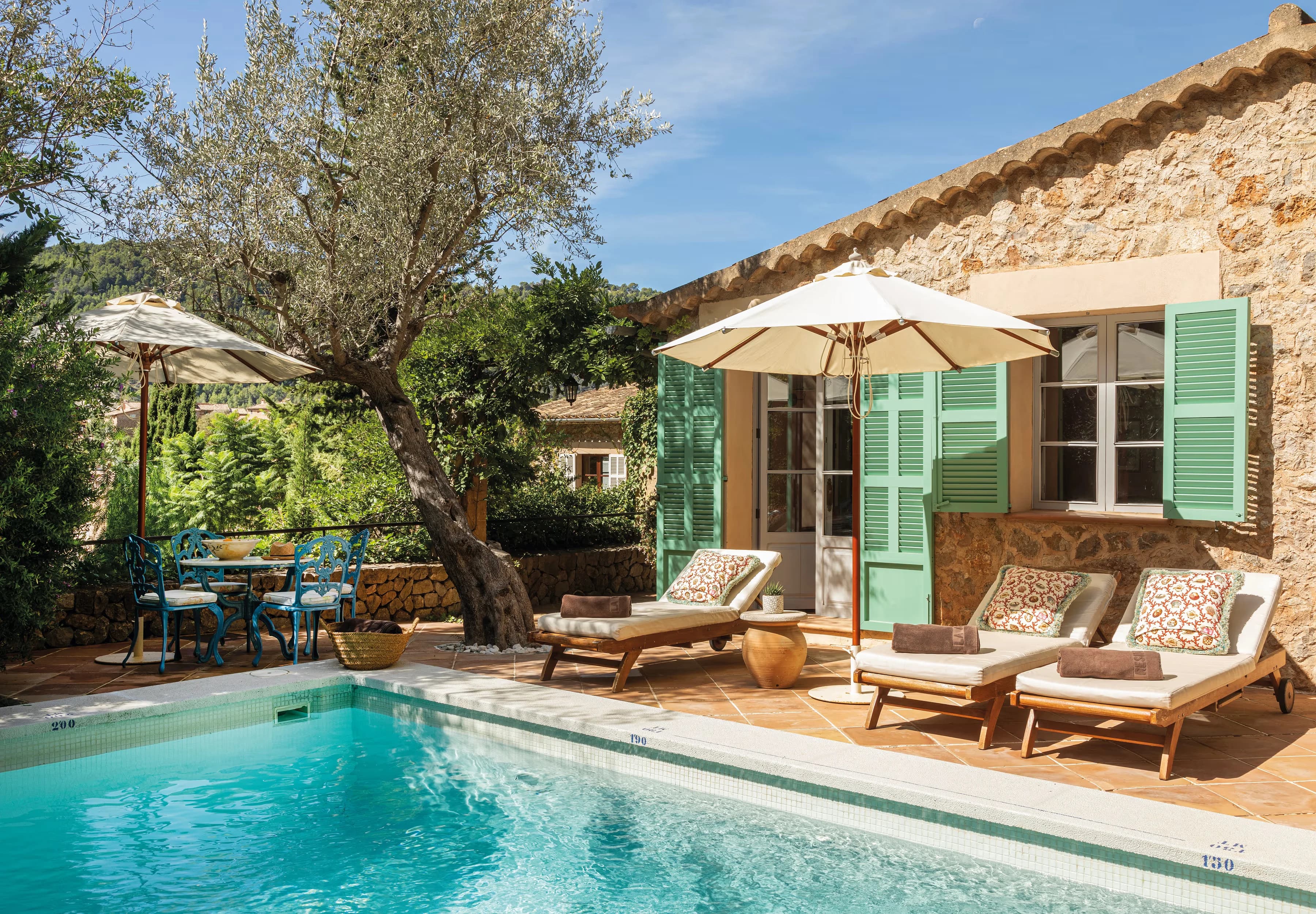
The Old City (Mueang Kao) is bounded by a square moat dating to the founding of the city in 1296. Within and immediately adjacent to this area, boutique properties convert historic compounds and merchant houses into intimate retreats. Suites here are typically low-rise, teak-heavy, and set around internal gardens. The density of temples, including Wat Chedi Luang and Wat Phra Singh, means cultural immersion is immediate and walkable. Travelers who prize proximity to the city's historical fabric tend to stay here.
The Nimman Road corridor
Nimmanhaemin Road and its surrounding sois form Chiang Mai's most design-forward district. Gallery spaces, independent coffee roasters, and architecture-conscious restaurants cluster here. Hotels in this corridor tend to reflect a more contemporary sensibility, with suites that prioritize clean lines and deliberate material choices. The district borders Chiang Mai University, which keeps the area culturally active without the noise of a tourist center.
The river and Mae Ping corridor
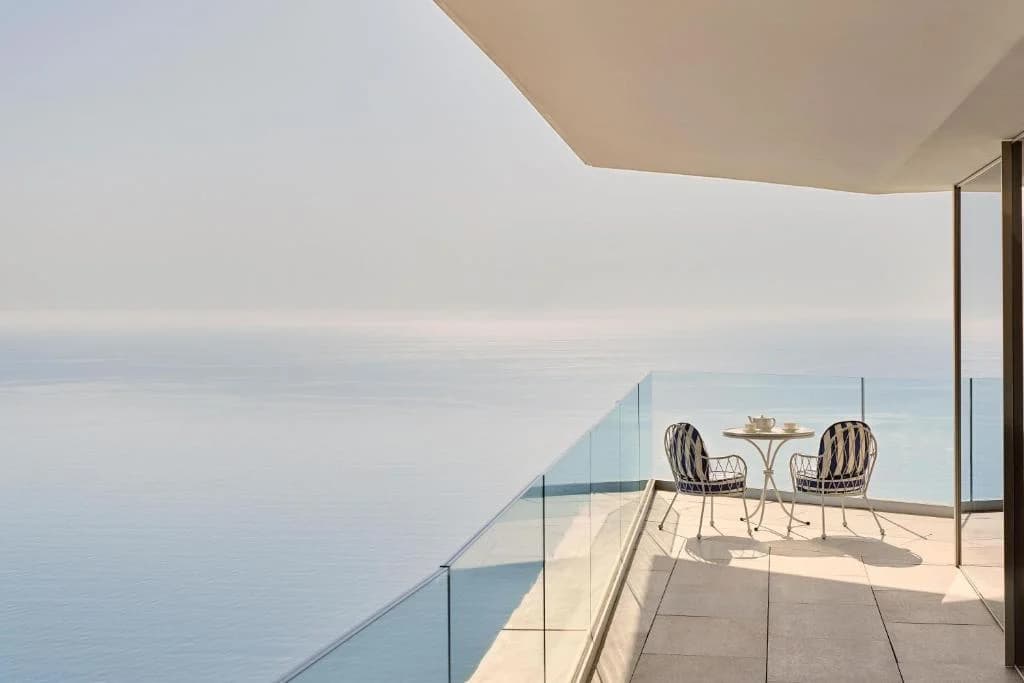
Properties along the Mae Ping River offer suites with direct water frontage or mature garden settings. The riverside corridor sits between the Old City and the broader urban sprawl, offering a degree of spatial separation that appeals to travelers who prefer a quieter base. Some of the city's most established luxury hotels are positioned here, with suites designed around views of the river and the mountain backdrop.
The foothills and Doi Suthep environs
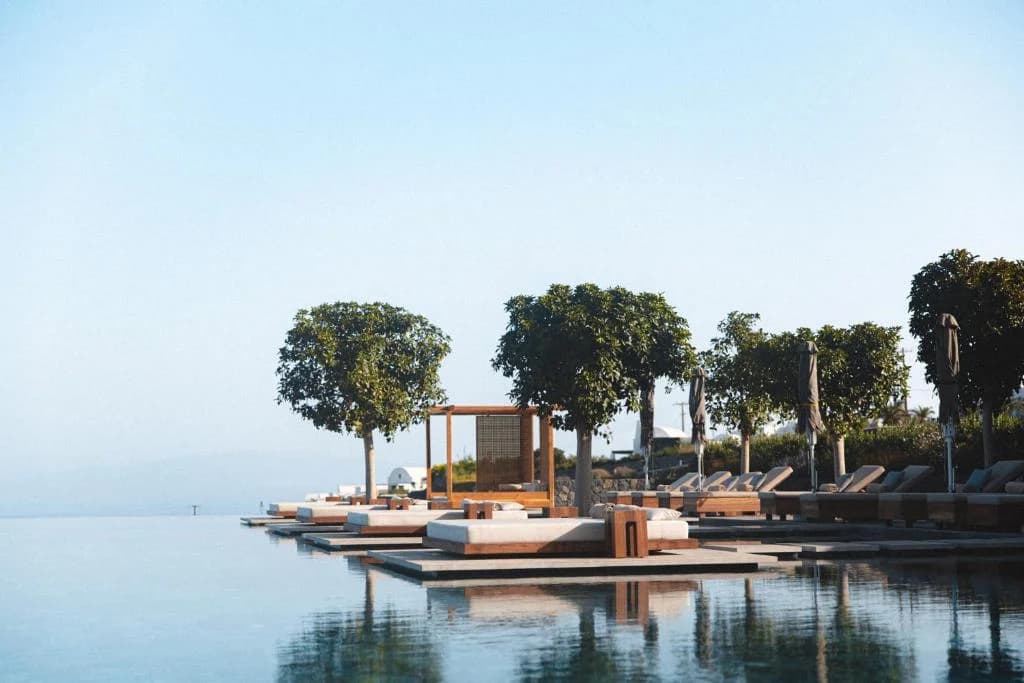
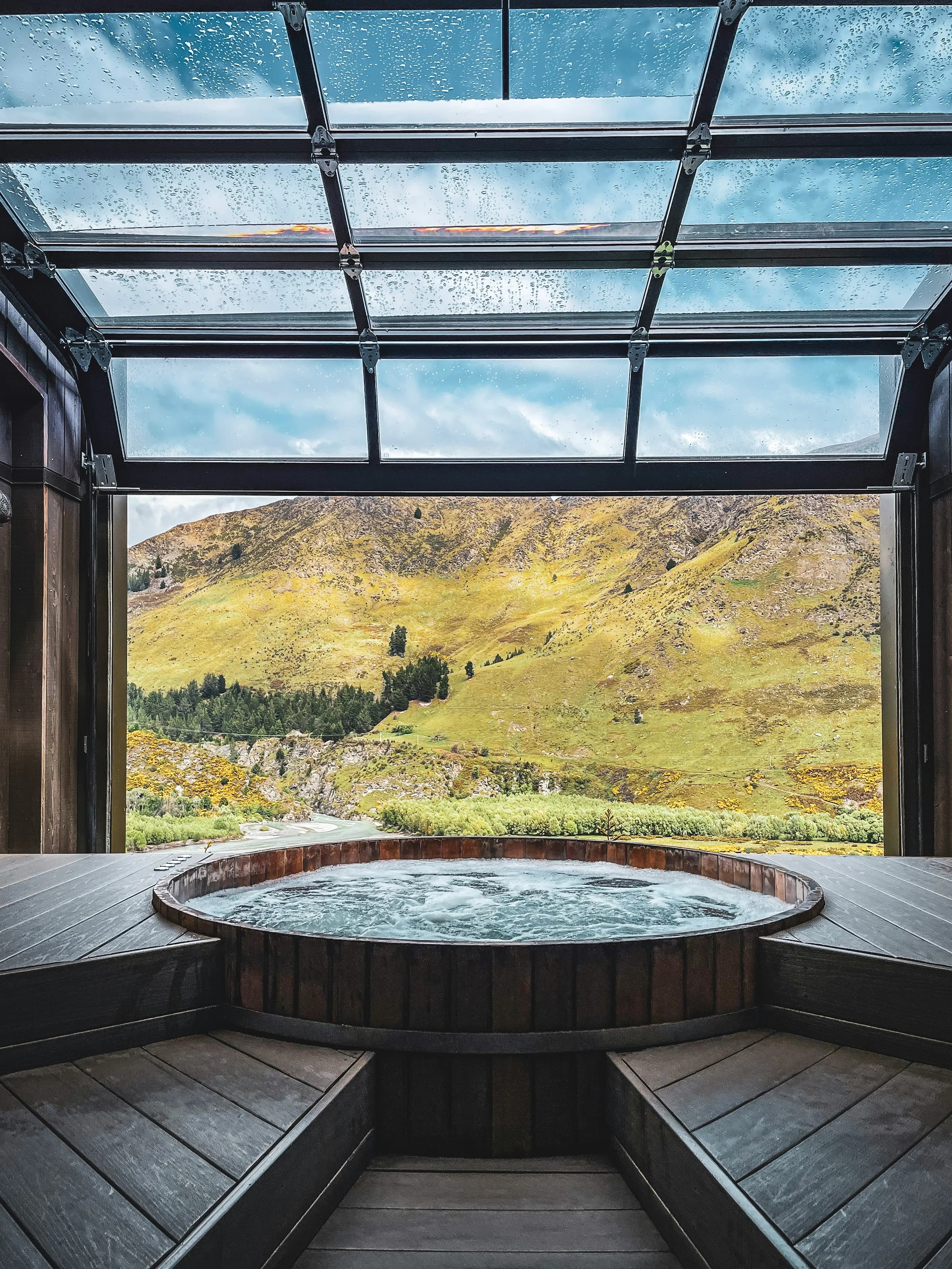
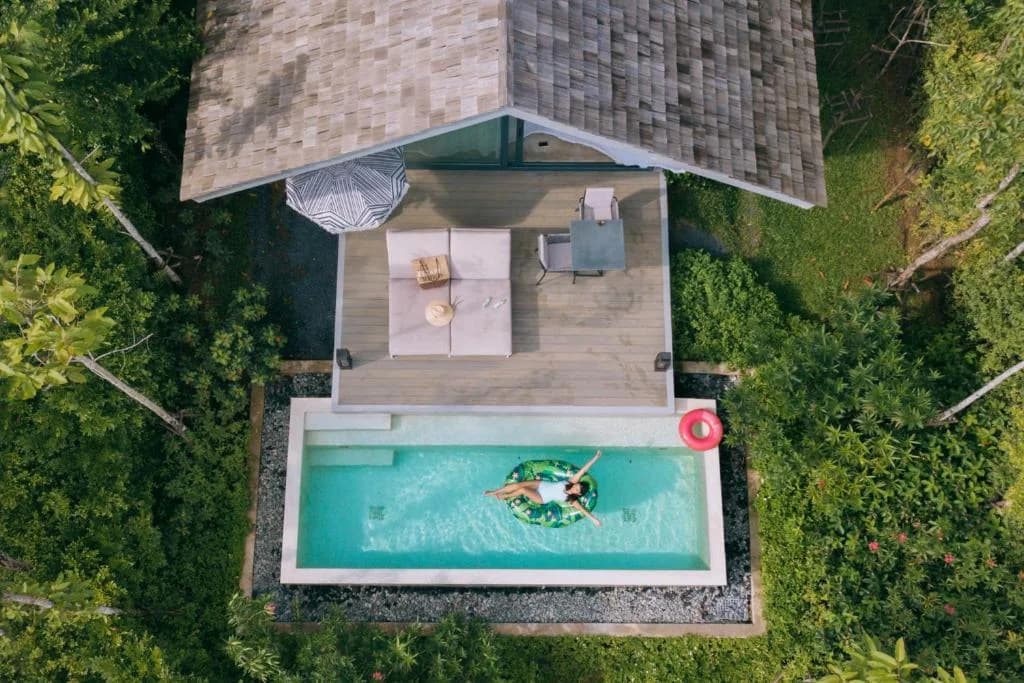
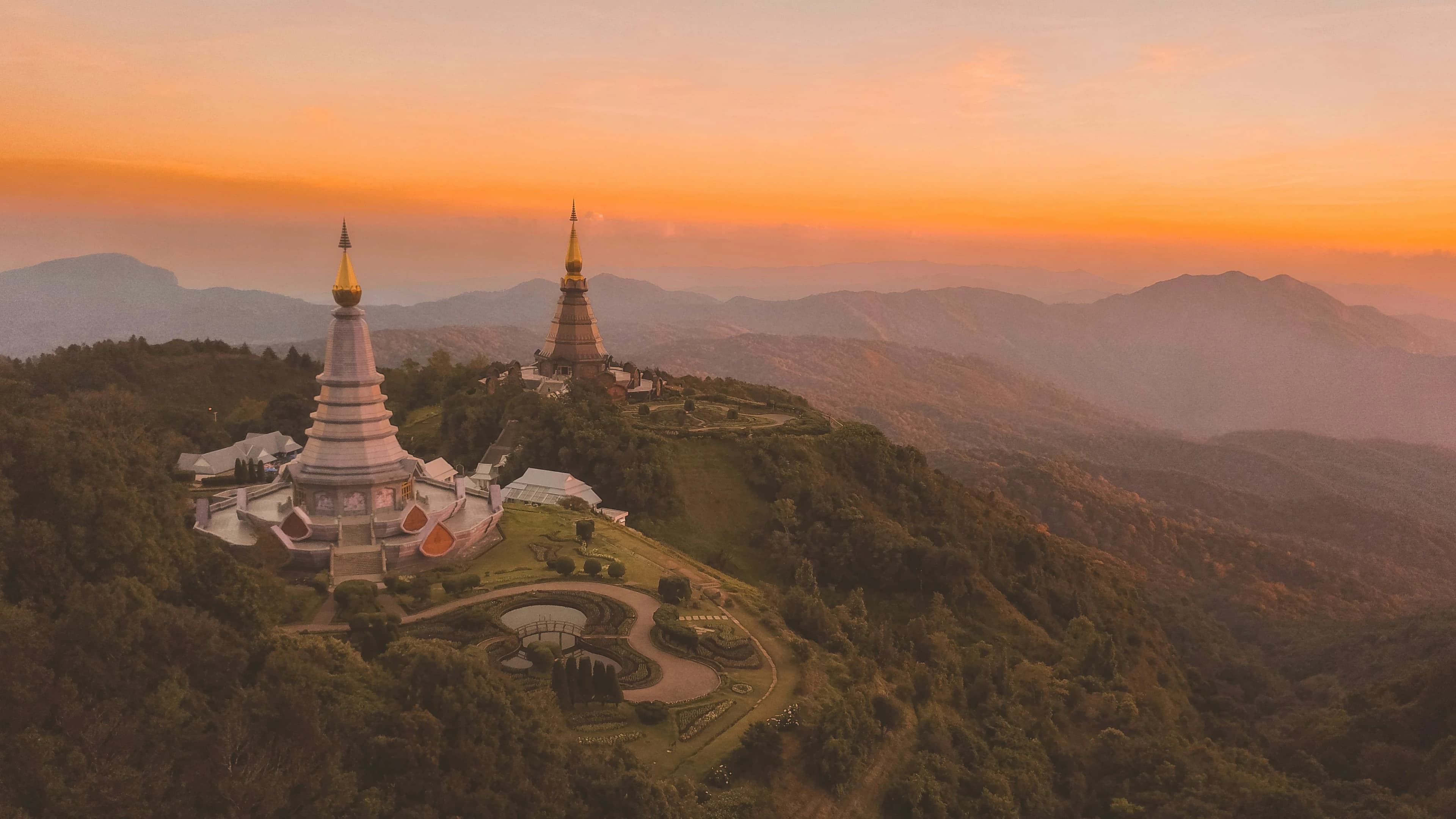
Approximately ten to fifteen kilometers from the city center, the foothills beneath Doi Suthep mountain host a different category of stay entirely. Here, standalone villas and resort suites sit within working gardens, coffee plantations, and forest terrain. This is where jungle-facing infinity pools and open-air sala structures come into their own. Guests here trade urban immediacy for spatial generosity and natural quiet. The road to Doi Suthep temple is accessible, and the forest air registers as markedly different from the city below.
When to visit Chiang Mai for a suite stay
Timing in Chiang Mai matters, both for comfort and for access to the city's most significant cultural events.
The cool season, running from November through February, is the most sought-after window. Temperatures range from approximately 15 to 25 degrees Celsius, the air is clear, and the highland landscape is at its most considered. Suite demand peaks accordingly, and advance planning of several weeks is advisable for properties in the Old City and the foothills.
November brings the Loi Krathong and Yi Peng festivals simultaneously. Yi Peng is specific to northern Thailand and involves the release of paper lanterns (khom loi) into the night sky, a spectacle with genuine visual weight that draws significant international attention. Hotels during this period book at a premium, and the best suites are typically reserved months in advance.
The hot season from March through May brings dry, warm conditions and occasional smoke from agricultural burning in surrounding provinces. This is a period of lower rates and fewer visitors, though air quality monitoring is advisable for travelers with respiratory sensitivities.
The wet season, June through October, brings afternoon rainfall, deeply green landscapes, and the quietest hotel occupancy of the year. Some jungle-facing suites are most atmospheric during this season, and rates frequently reflect reduced demand.
Understanding luxury standards in Chiang Mai
Thailand does not operate under a state-designated prestige classification equivalent to the French Palace label. Luxury in Chiang Mai is instead communicated through a combination of architectural heritage, spatial ratios, and the caliber of material choices.
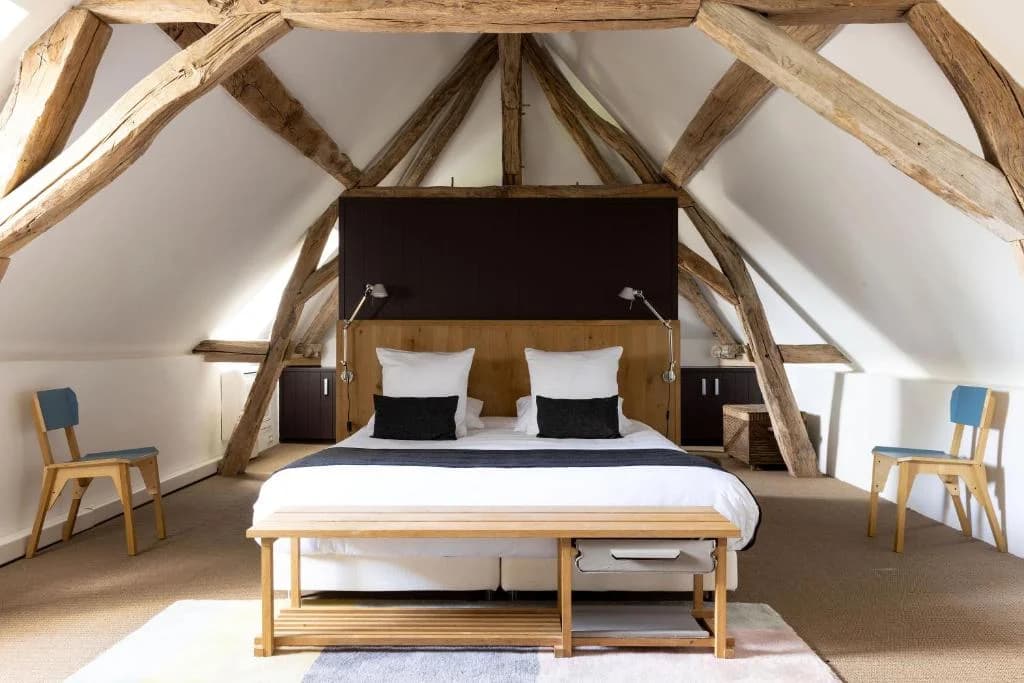
The most relevant local typology is the lanna-style compound property: a collection of pavilions or garden villas organized around open-air communal spaces, drawing on the architectural language of the former Lanna kingdom. Teak construction, terracotta roof tiles, carved wooden details, and the use of indigenous plant species in landscaping are characteristic markers. A suite in such a property is rarely a conventional hotel room with upgraded square footage. It is more often a detached or semi-detached pavilion with its own outdoor area, sometimes a private pool, and a deliberate relationship with the surrounding landscape.
International chain properties also operate in the city, offering the consistency and service infrastructure familiar to frequent luxury travelers. The choice between an independent heritage compound and a branded property is a question of preference rather than quality: both categories can deliver suites of considerable standard, but they offer fundamentally different experiences of place.
How to choose the right luxury suite in Chiang Mai
Several practical considerations apply specifically to Chiang Mai when selecting a suite.
Architecture type is the first variable. Teak pavilion suites are atmospheric but may not be fully air-conditioned in the way a modern concrete structure would be. For travelers sensitive to heat or noise from wildlife and natural surroundings, this is a relevant factor. Conversely, travelers who prioritize material authenticity and sensory immersion often find contemporary hotel suites comparatively impersonal.
Location relative to intended activities matters considerably. A suite in the Old City places guests within walking distance of temples, markets including the Saturday and Sunday Walking Streets, and the concentrated restaurant scene. A foothills suite requires vehicle access for most activities but offers a fundamentally different quality of morning and evening. Neither is superior: the correct choice depends on how the visitor intends to spend their time.
Private pool availability is a meaningful differentiator in Chiang Mai. The heat in shoulder season months makes in-suite pool access a functional as well as aesthetic consideration. Many of the best suite categories in the foothills include private plunge pools, while Old City properties more frequently offer shared pool access.
Suite orientation is worth investigating. North-facing rooms in foothills properties can capture views of Doi Inthanon, Thailand's highest peak, on clear mornings. River-facing suites in the Mae Ping corridor offer a specific quality of light in the early hours that is worth requesting directly at booking.
The value of a curated selection in Chiang Mai
Chiang Mai's luxury accommodation market is notably fragmented. The city hosts dozens of properties that present themselves as high-end, ranging from boutique guesthouses with exceptional design to genuine resort-scale suite properties. Without editorial curation, the signal-to-noise ratio is significant.
La Suite applies consistent criteria across the properties it lists: suite-specific square footage, architectural or design distinction, service infrastructure, and the coherence of the overall guest experience. In a market like Chiang Mai, where the gap between an exceptional heritage property and a stylistically similar but operationally inconsistent one can be difficult to identify from photography alone, this kind of editorial clarity has direct practical value.
The curated selection by La Suite in Chiang Mai focuses on suites that deliver a specific experience of the city. Not the largest room on the floor, but the suite that understands what Chiang Mai actually is: considered, architecturally specific, and culturally grounded.
Frequently asked questions
What is the best area to stay in Chiang Mai for a luxury suite?
The Old City offers cultural proximity and heritage architecture, making it well-suited to travelers who want immediate access to temples and markets. The foothills near Doi Suthep are preferred by those who prioritize spatial privacy, natural surroundings, and resort-style suite formats with private outdoor areas.
When is the best time to book a luxury hotel suite in Chiang Mai?
The cool season from November through February is the most desirable period, with the clearest conditions and the most comfortable temperatures. Yi Peng in November is a significant cultural event that causes suite availability to tighten considerably, so booking several months in advance is advisable for that window.
What does a high-end suite in Chiang Mai typically include?
Top-tier suites in Chiang Mai often feature Lanna-influenced architecture with teak construction and carved details, private outdoor terraces or sala structures, and in many foothills properties, a private plunge pool. The emphasis is on spatial and material quality rather than conventional hotel amenities.
Are there luxury hotel suites in Chiang Mai with private pools?
Yes, particularly among foothills and jungle-facing resort properties outside the city center. Private pool suites are less common within the Old City, where the built environment is denser, but they form a distinct and well-represented category in properties along the Doi Suthep road and in the broader Mae Rim valley.
How does luxury accommodation in Chiang Mai differ from Bangkok or Phuket?
Chiang Mai's luxury market is built around architectural heritage and cultural specificity rather than coastal spectacle or urban scale. Suites here tend to be lower-rise, more grounded in local material traditions, and oriented toward the surrounding landscape and temple culture rather than rooftop amenities or beachfront access.
What is Yi Peng and how does it affect hotel suite availability in Chiang Mai?
Yi Peng is a northern Thai lantern festival held in November, coinciding with Loi Krathong. It involves the mass release of illuminated paper lanterns and draws substantial international visitors. Luxury suite availability during Yi Peng tightens significantly, and properties across all categories book at a premium during the festival period.
Is Chiang Mai suitable for a luxury suite stay with family?
Several Chiang Mai properties offer multi-bedroom villa configurations or suite categories with connecting arrangements suitable for families. The city's cultural itinerary, including elephant sanctuaries, cooking schools, and temple circuits, provides a structured and age-appropriate range of experiences alongside the suite stay itself.
What architectural styles should I look for in a Chiang Mai luxury hotel?
The Lanna architectural tradition is the most distinctive local reference, characterized by tiered rooflines, teak timber construction, and open-air pavilion layouts. Some properties integrate this vocabulary into modern builds, while others occupy genuinely historic compounds. Both are represented at the top of the market and offer different relationships to place.
How far in advance should I book a luxury suite in Chiang Mai during peak season?
For the cool season from November through February, booking two to three months in advance is standard for well-regarded properties. During the Yi Peng festival in November specifically, the most sought-after suites can be committed four to six months ahead, particularly for travelers with preferences around suite orientation or private pool access.
What should I consider when choosing between an Old City suite and a foothills resort suite in Chiang Mai?
The core distinction is between urban cultural proximity and natural spatial separation. An Old City suite places you within walking distance of Chiang Mai's temple circuit, markets, and restaurant concentration. A foothills suite requires transportation for most activities but delivers forest air, mountain views, and a significantly different quality of silence, particularly in the early morning.