Understanding Byron Bay as a luxury destination
Best areas to stay around Byron Bay
The Byron Bay township
The township itself is compact and walkable. Staying within or immediately adjacent to it places guests within reach of the weekly markets, independent restaurants on Jonson Street, and the Cape Byron walking track that leads to Australia's most easterly lighthouse. Suites in this zone tend to sit within boutique properties that prioritise material quality and spatial generosity over resort scale.
The hinterland: Bangalow, Newrybar and surrounds
Approximately fifteen minutes inland, the hinterland villages of Bangalow and Newrybar offer a quieter counterpoint to the coast. Properties here are typically set on acreage, with an architectural vocabulary that draws from the landscape rather than imposing upon it. Exposed timber, natural stone, and open-sided pavilion structures are common. The hinterland is appropriate for travelers who treat privacy as a non-negotiable condition rather than a preference.
Suffolk Park and Broken Head
South of the township, Suffolk Park and Broken Head mark the beginning of a more secluded coastal stretch. This corridor is less trafficked and appeals to guests who want proximity to the ocean without the concentration of the main beach. The scale of accommodation in this zone tends toward the intimate: small properties with limited room counts where personal service is a structural reality rather than a marketing claim.
When to visit Byron Bay for a luxury stay
Byron Bay operates on a subtropical climate. The optimal months for a considered stay are April through October, when temperatures are moderate (typically 18 to 26 degrees Celsius), rainfall is lower, and the pace of the township is less compressed. The summer months of December and January bring significant domestic tourism, which affects availability and the general character of the destination. The Byron Bay Bluesfest, held annually over Easter, draws an internationally curated program and has become a cultural anchor in the regional calendar. Schoolies week in late November is worth noting and, for the audience La Suite serves, worth avoiding.
For suite bookings during peak periods, particularly the Christmas to New Year window and Easter, lead times of three to six months are not excessive. The inventory of genuinely high-specification suites in the Byron Bay region is finite, and the best configurations are claimed early.
Local luxury standards: what to expect from top-tier suites in Byron Bay
Australia does not operate a formal national hotel classification equivalent to France's Palace designation. The luxury standard in Byron Bay is therefore assessed through a different set of markers. The most credible high-end properties in this region are typically small in scale, with room counts under fifty. They are defined by the quality of their architectural and interior decisions: the use of local materials, the ratio of private outdoor space to interior space, and the calibration of service to guest rather than to procedure.
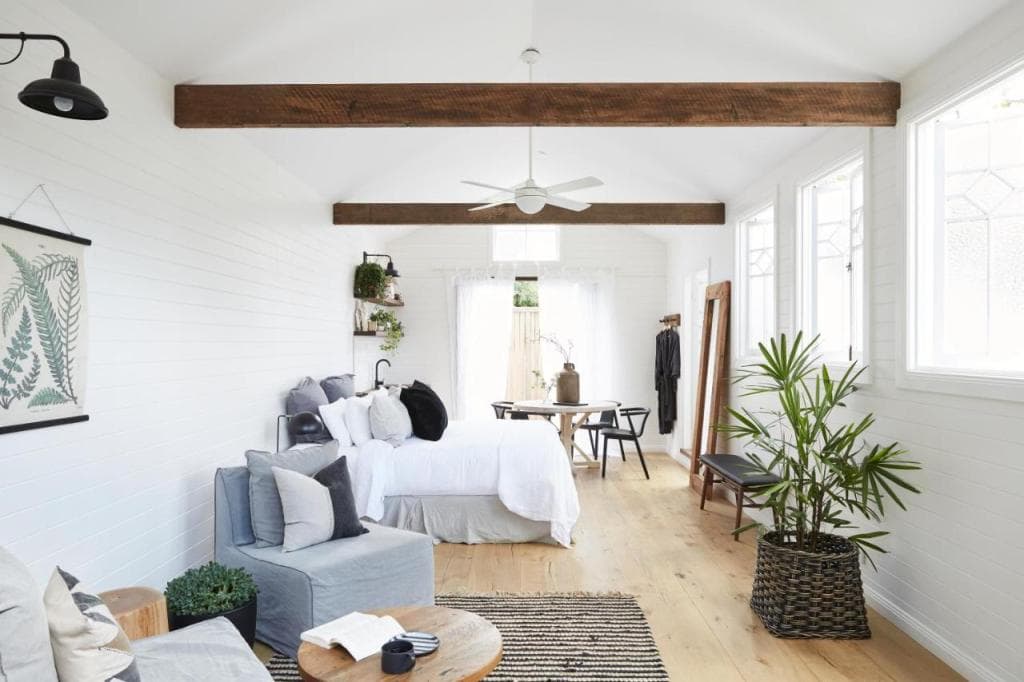
Expect suites to prioritise connection to the landscape. Plunge pools, outdoor bathing, and direct garden or ocean access are common features in the top tier. The aesthetic register is less formal than equivalent European luxury, but no less deliberate. Natural fibres, artisanal ceramics, and bespoke joinery frequently appear in properties that have been designed with a specific material philosophy rather than assembled from a hospitality procurement catalogue.
Several properties in the broader Byron region have achieved recognition through the Small Luxury Hotels of the World network or equivalent editorial curation, which provides a useful reference point. A-list clientele, particularly from the entertainment and creative industries, have made the region a consistent destination, which has in turn raised both the ambition and the execution of the local hospitality offer.
How to choose the right luxury suite in Byron Bay
Coastal versus hinterland
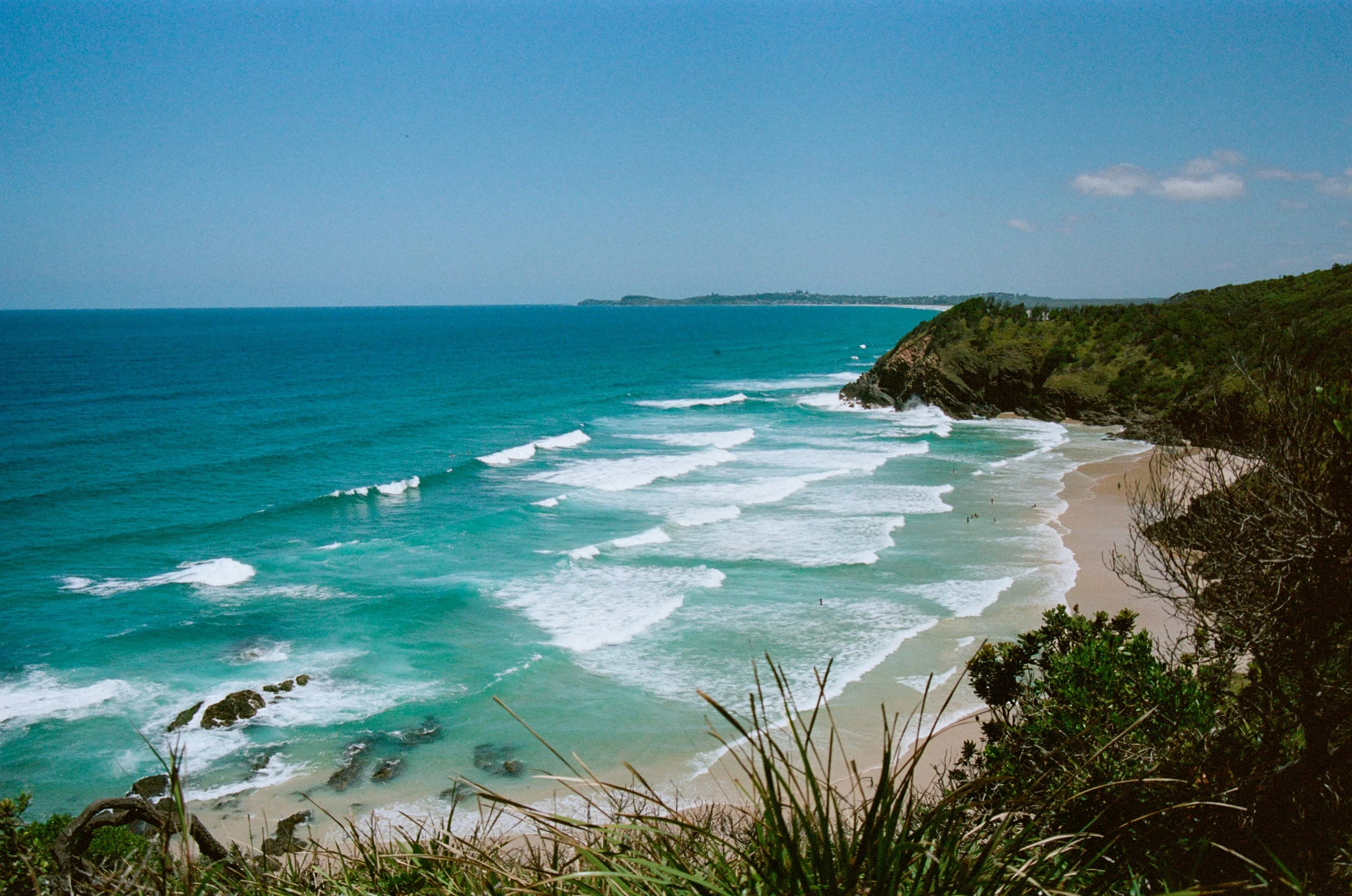
The first decision is positional. A coastal suite delivers the sensory experience of the ocean: morning light on water, the sound of the swell, direct access to the beach. A hinterland suite offers a different register: birdsong, elevated views across green ridgelines, and a sense of remove that the coast cannot replicate. Neither is superior. The choice should be made on the basis of what the traveler is actually seeking from the stay.
Scale and service model
Byron Bay does not have large-scale international chain hotels at the top of the market. The luxury offer here is almost entirely delivered through independently owned or small-group boutique properties. This means service tends to be more personal and less codified, which suits some guests and less so others. Travelers who require the operational certainty of a global brand infrastructure should factor this into their decision.
Architecture and era
Properties range from converted heritage buildings in the township to purpose-built contemporary structures on acreage. The contemporary hinterland properties, in particular, have attracted significant architectural investment over the past decade, with several achieving genuine design credentials. If the physical environment of the suite is a primary consideration, the architectural provenance of the property is worth examining before booking.
The value of curated selection in Byron Bay
The Byron Bay luxury market is opaque in ways that standard booking platforms do not resolve. A high nightly rate does not reliably correlate with spatial quality, service calibration, or design integrity in this region. The gap between a genuinely excellent suite and a well-marketed but ordinary room is significant, and that gap is not always visible from photography or headline amenity lists.
La Suite applies a consistent editorial filter to the properties it lists in Byron Bay, assessing each against criteria of space, privacy, design authenticity, and the coherence of the guest experience. The curated selection by La Suite removes the noise from a market where the signal is not always easy to identify independently. For the traveler whose time and expectation are both high, that filter is the practical starting point for any Byron Bay suite decision.