Understanding Melbourne's distinct neighborhoods for suite travelers
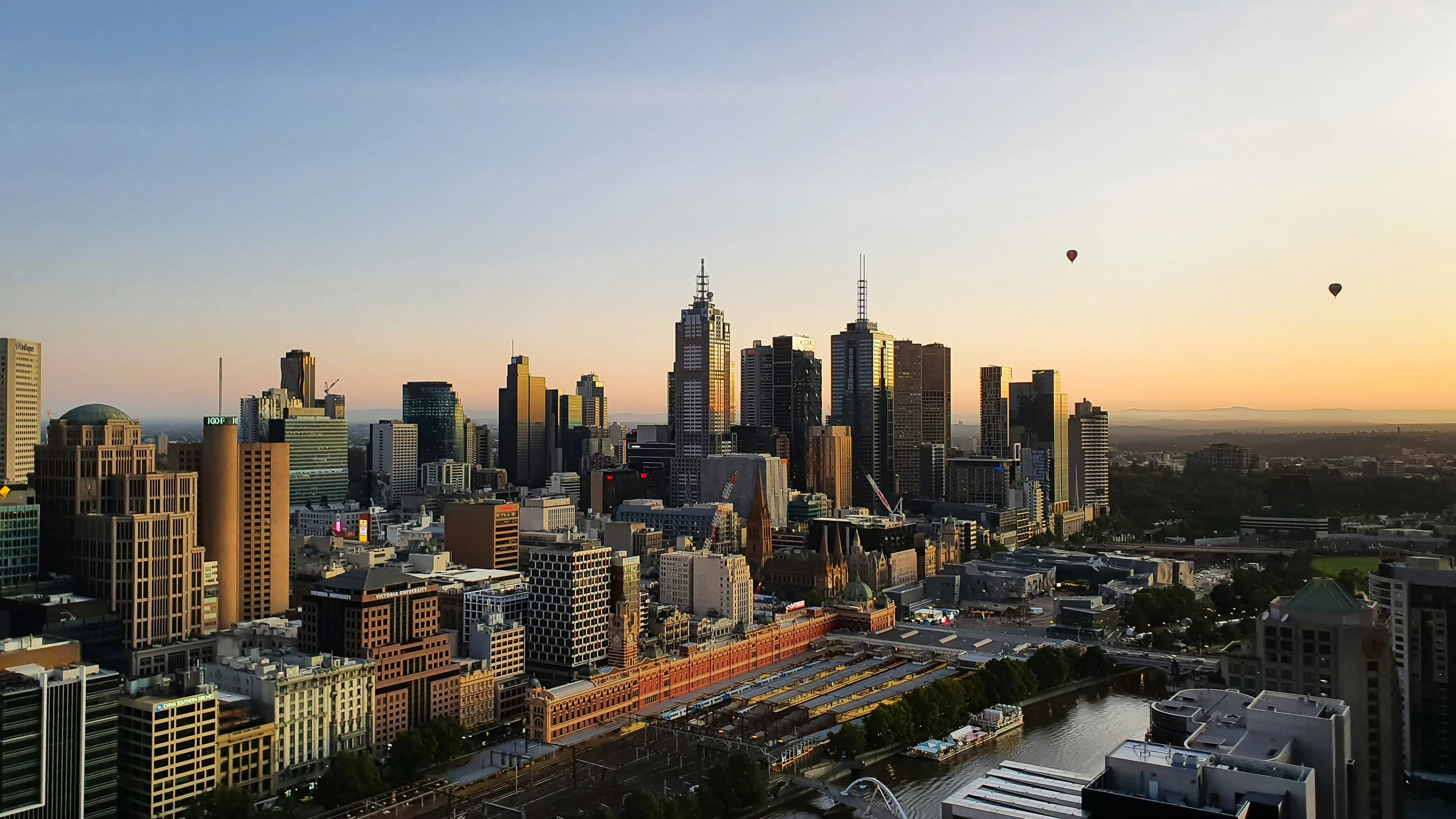
The Central Business District concentrates the city's financial and cultural institutions within a compact grid. Collins Street, historically called the Paris End for its European-scale streetscape and heritage facades, remains the address of choice for travelers who want proximity to the National Gallery of Victoria, the major performing arts venues, and the high-end retail corridor. Suites in this precinct tend to occupy heritage buildings or purpose-built towers, often with views across the Yarra or toward the Dandenong Ranges on clear days.
Southbank and South Yarra represent a different proposition. Southbank sits directly opposite the CBD across the river and houses a concentration of major cultural venues including Arts Centre Melbourne. South Yarra, a short tram ride from the center, carries Melbourne's most consistent reputation for sophisticated dining, independent fashion, and the kind of residential calm that travelers seeking space and discretion tend to prefer.
Fitzroy and Collingwood, to the north of the CBD, are architecturally dense with Victorian-era terrace houses and converted warehouses. These neighborhoods are where Melbourne's design and creative industries are most concentrated. While large luxury hotel properties are less prevalent here, the traveler who values proximity to independent galleries, concept stores, and serious coffee culture will find this precinct intellectually rewarding.
St Kilda and the Bayside suburbs offer the bay rather than the river, a more relaxed pace, and a longer historical relationship with leisure and entertainment. The esplanade along Port Phillip Bay provides physical distance from the city's commercial intensity.
When to visit Melbourne for a luxury suite stay
Melbourne's climate is famously unpredictable at the daily level, but its seasonal character is real and worth understanding before booking. The city sits in a temperate zone and experiences four genuine seasons, unlike the tropical north of Australia.
The Australian summer, running from December through February, brings the Australian Open tennis Grand Slam in January, which is one of the major annual events driving suite demand and pricing across the city. February and March, as summer transitions to autumn, represent a particularly attractive window: the heat moderates, the cultural calendar remains active, and availability improves somewhat after the tennis peak.
Autumn, from March through May, is widely regarded by Melbourne residents as the city's most livable season. The plane trees along Swanston Street and in Carlton Gardens change color, temperatures are mild and consistent, and the restaurant and events calendar is dense. The Melbourne Food and Wine Festival typically anchors March, and the Melbourne International Comedy Festival runs through April.
The Melbourne Cup Carnival in late October and early November is the most significant event in the Australian racing calendar and has a substantial effect on suite availability and pricing citywide. Travelers who are not attending the races may prefer to schedule around this period.
Winter in Melbourne, from June through August, is cool and often overcast but rarely extreme. Suite rates tend to be more accessible, the city's indoor cultural life intensifies, and the quieter streets have their own particular appeal for travelers who prefer a city without its tourist-season overlay.
What defines luxury hotel standards in Melbourne
Australia does not operate a formal national hotel classification system equivalent to France's Palace designation. In practice, Melbourne's top-tier properties are assessed through a combination of international ratings bodies, including Forbes Travel Guide and Leading Hotels of the World membership, and the reputation built through decades of repeat clientele.
What distinguishes Melbourne's finest suites from a design standpoint is the city's genuine engagement with contemporary Australian art and material culture. The better properties integrate local artists' work, commission bespoke furnishings from Australian makers, and reflect an aesthetic sensibility that is specific to this place rather than generic international luxury. This is a meaningful differentiator: a suite in Melbourne should feel architecturally and culturally located.
Service culture in Melbourne's luxury hotels tends toward the knowledgeable and low-key rather than the ceremonial. Concierge teams at the better properties have working relationships with restaurant reservation teams across the city, access to cultural events, and familiarity with the specific requests of a sophisticated clientele. This functional competence is often valued above formal hierarchy by the travelers who stay in these suites regularly.
Suite configurations at Melbourne's top properties include heritage corner suites in buildings dating to the nineteenth century, high-floor tower suites with panoramic views of the bay and ranges, and in some cases residential-style suites with separate living quarters appropriate for extended stays or family travel.
How to choose the right suite in Melbourne
The primary consideration for suite selection in Melbourne is the relationship between location and purpose. The city is walkable from a central base but spread enough that the wrong neighborhood for your program adds unnecessary friction.
Travelers whose itinerary centers on cultural institutions, high-end dining on the Southbank or in the CBD, and access to the business district should prioritize central or South Yarra properties. Those whose primary interest is the food and coffee culture, independent retail, and design scene may find an inner-north base more rewarding, accepting that it is a tram or taxi ride from the major gallery and concert hall cluster.
Views matter differently in Melbourne than in coastal cities. The bay views available from western-facing suites in the CBD and Southbank have a specific quality: the light over Port Phillip in the late afternoon is distinctive, and the visible skyline of the CBD from across the river is among the more composed urban panoramas in Australia. Floor selection and aspect should be discussed specifically when booking a high-floor suite.
For travelers coming to Melbourne for a specific event, whether the Australian Open, the Melbourne Cup, or a major international exhibition at the NGV, suite availability compresses sharply in the weeks surrounding those dates. Lead times of three to six months are standard for the best configurations during peak event periods.
Why curated selection matters in Melbourne
Melbourne has a significant volume of hotels across all categories, and the luxury tier is varied in its genuine quality. Not every property commanding premium rates delivers a suite experience commensurate with that investment. The gap between marketing language and actual spatial and service quality can be considerable.
La Suite's curated selection for Melbourne is built on firsthand knowledge of the properties that consistently meet the standards a discerning traveler expects: spatial generosity, material quality, service caliber, and a design sensibility that reflects the city rather than a generic international template. The curated selection by La Suite removes the research burden and the risk of a misaligned booking, leaving the traveler to concentrate on the experience itself.