Where to stay in Bora Bora: understanding the island's distinct zones
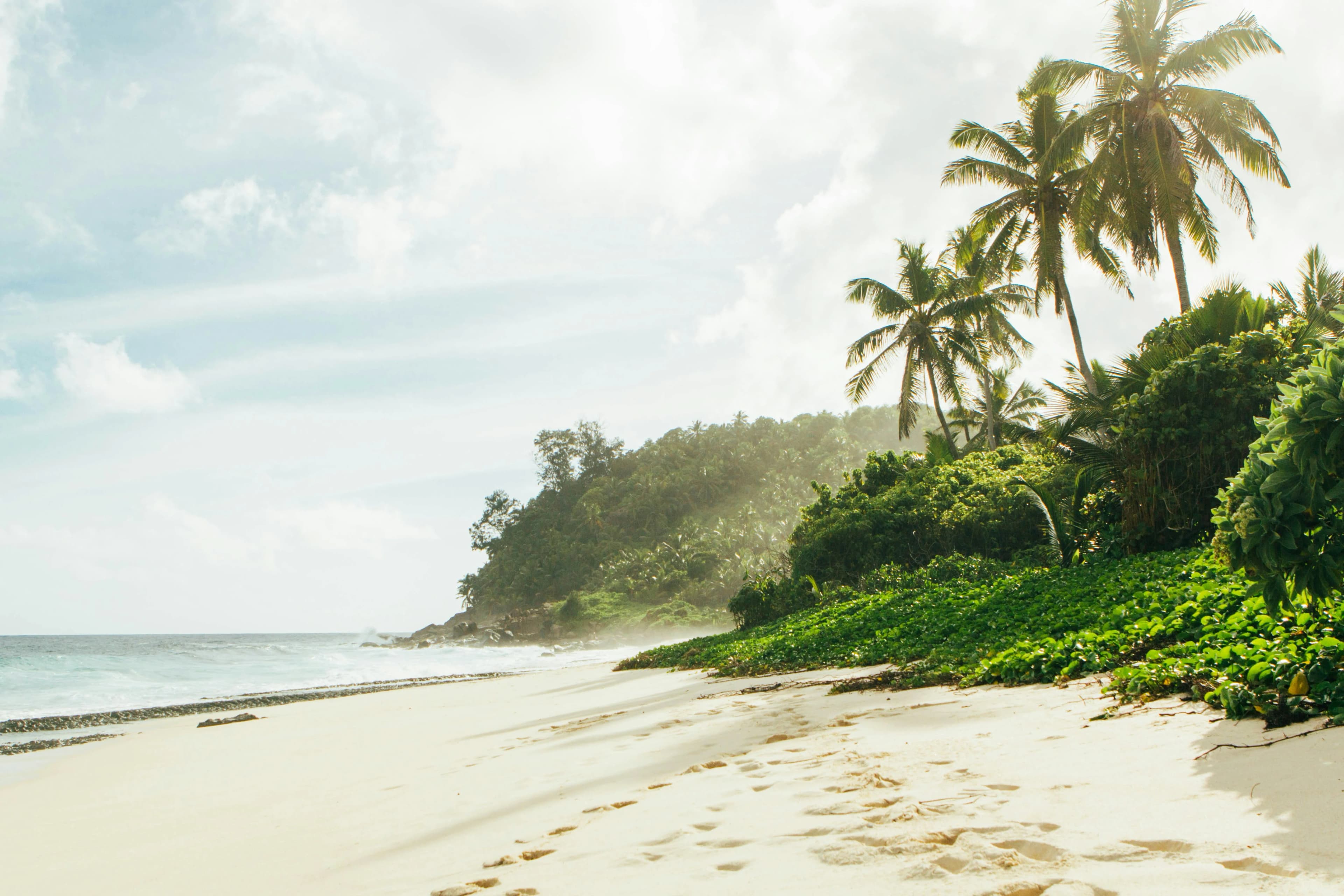
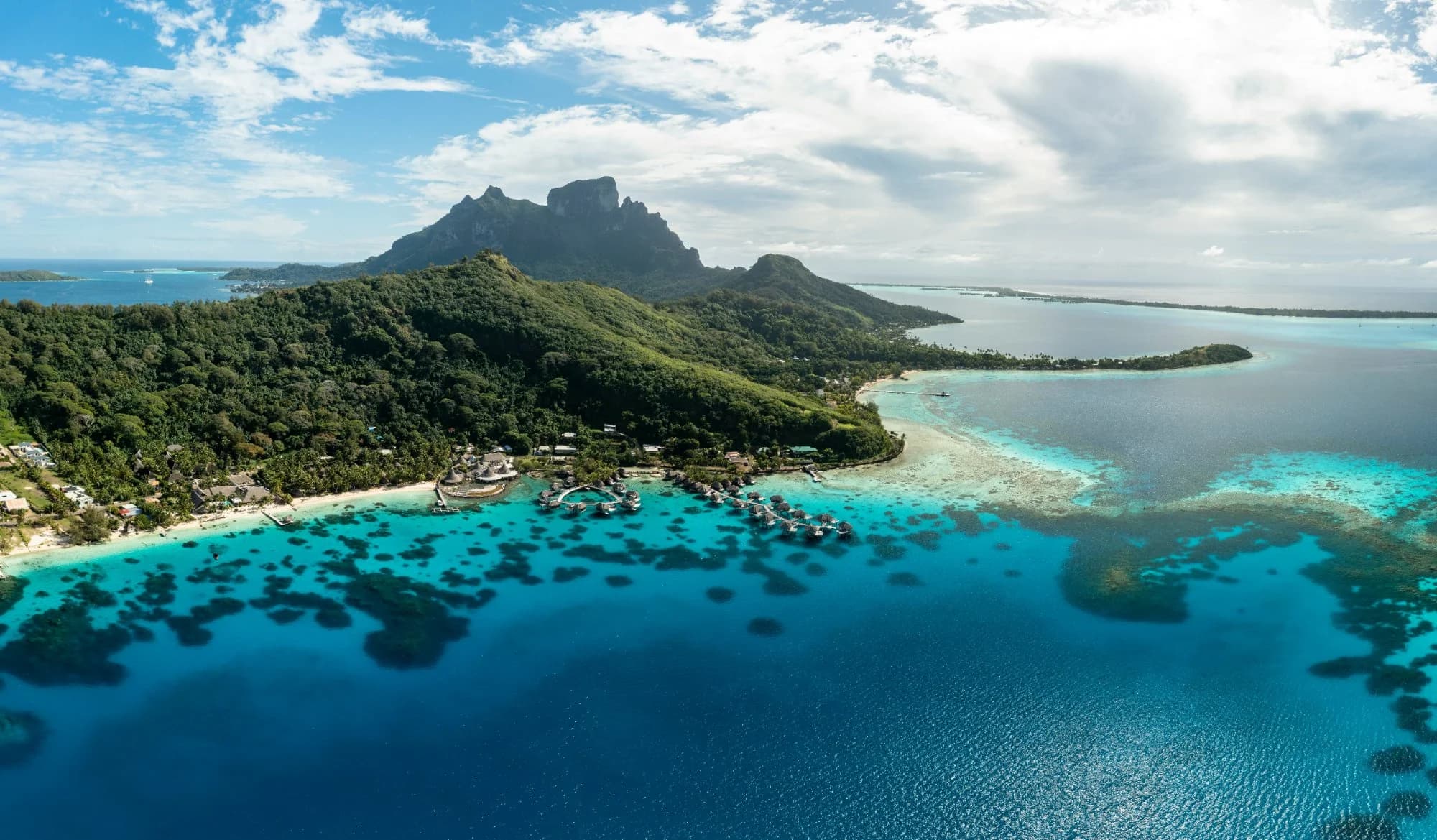
The main island sits at the centre of the lagoon, its interior dominated by the twin peaks of Mount Otemanu and Mount Pahia. The town of Vaitape, on the western shore, serves as the island's modest civic hub. Most visitors, however, base themselves not on the main island but on the surrounding motus, where the lagoon is at its most transparent and overwater architecture finds its natural context.
Motu Tehotu and the north-facing corridor
The northern and north-eastern motus offer the most direct sightline to Mount Otemanu across the lagoon. Properties positioned here benefit from that framing: the volcanic silhouette at dawn is a calibrated visual experience, and the shallow turquoise water between motu and main island achieves its most saturated colour in morning light. For travelers who regard the suite itself as a viewing platform, this corridor deserves priority consideration.
The lagoon-side approach versus the ocean-facing edge
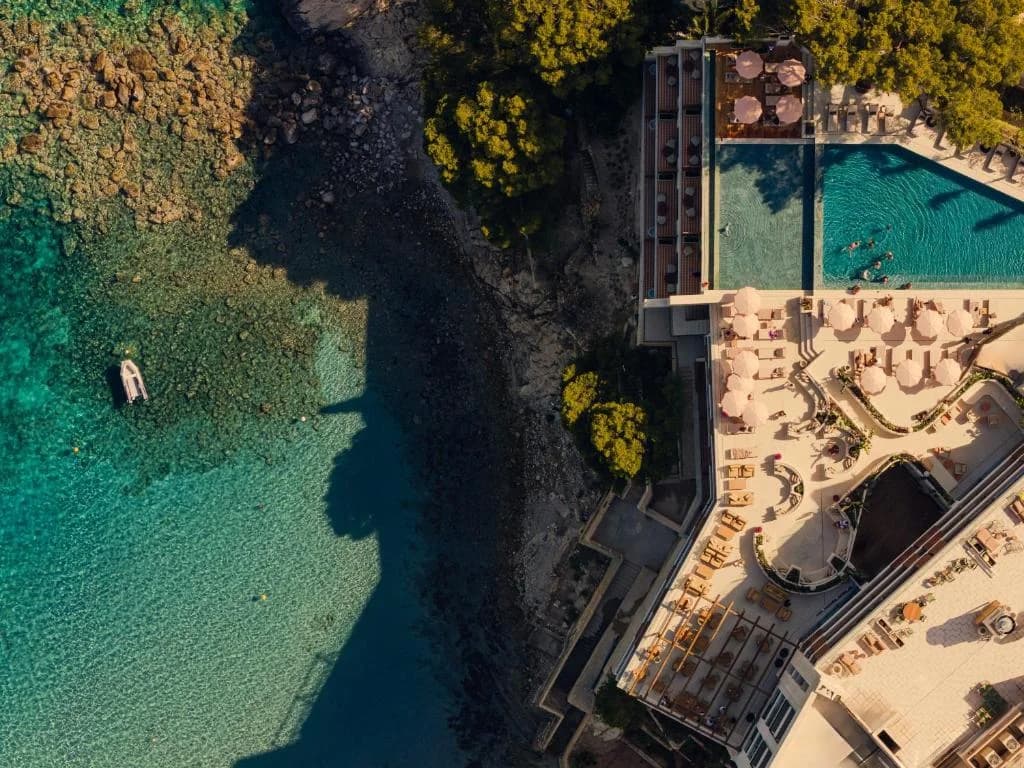
Some properties position their overwater suites along the lagoon-facing side of a motu, prioritising calm water, visible coral, and proximity to marine life. Others favour the ocean-facing edge, where the reef drop-off is accessible and the horizon is uninterrupted. These are genuinely different experiences: the first rewards stillness and snorkelling, the second rewards a sense of oceanic scale. Neither is superior; both respond to different traveller dispositions.
When to visit Bora Bora for luxury suite travel
French Polynesia operates on a two-season calendar. The dry season runs from May through October, bringing lower humidity, consistent trade winds from the south-east, and water clarity that peaks in July and August. These months represent the high season for suite availability and carry the highest rates. Advance planning of three to six months is advisable for the island's most sought-after properties.
The wet season, from November through April, brings higher temperatures, occasional rain, and a reduction in trade winds that leaves the lagoon surface glassy and almost unnaturally still. This period attracts experienced visitors who understand that dramatic skies and post-rain light can be photographically and atmospherically rewarding. Rates tend to soften, and availability opens at short notice. July hosts the Heiva festival, a celebration of Polynesian dance, music, and athletic tradition that extends across French Polynesia, including Bora Bora, and provides a cultural counterweight to the purely scenic character of most visits.
Local luxury standards: what defines a top-tier suite in Bora Bora
Bora Bora does not operate within the French Palace hotel classification system, which applies strictly to metropolitan France. The island's luxury properties are assessed through international hotel group standards and independent rating bodies, with several properties carrying Five Star status from recognised hospitality classifications.
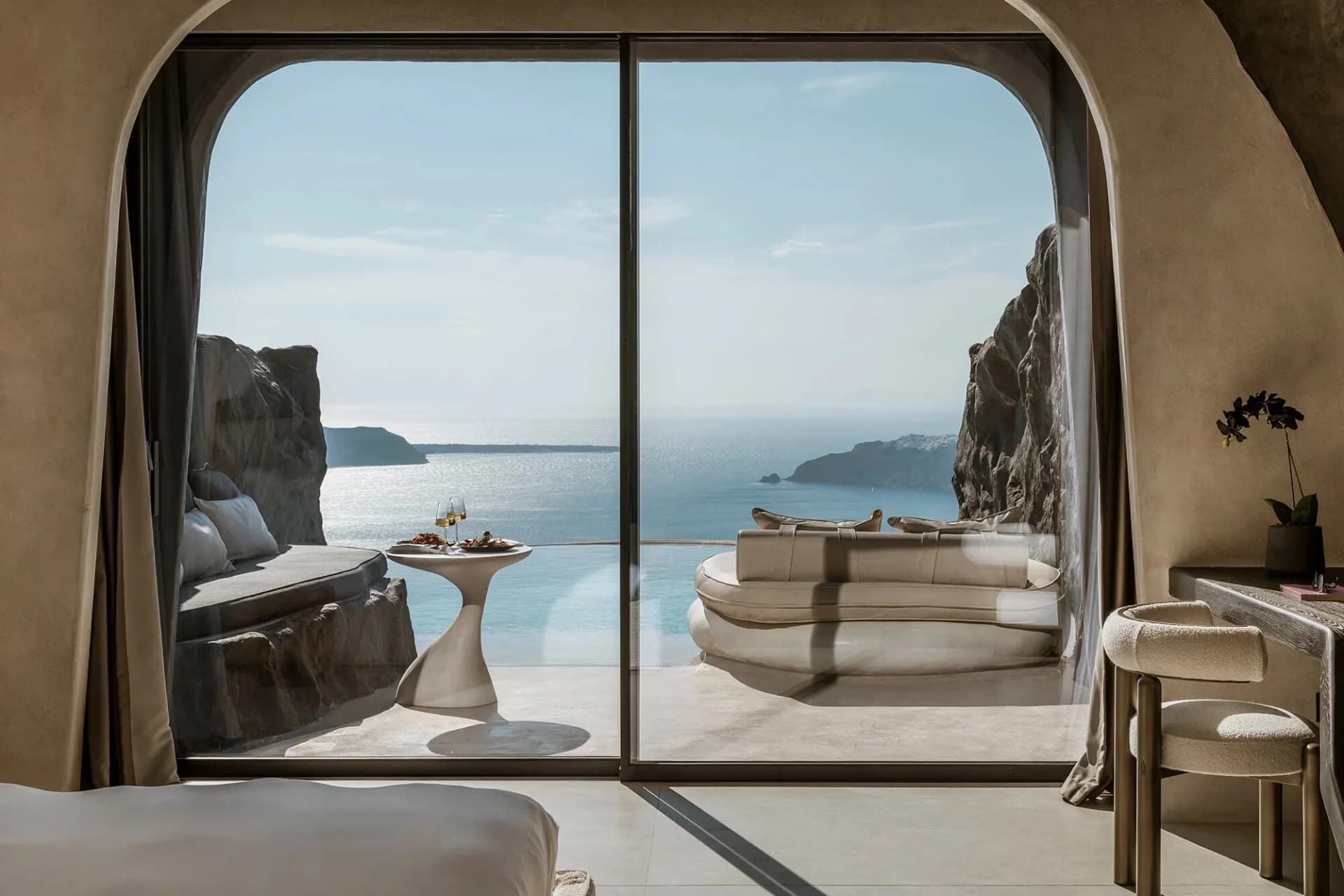
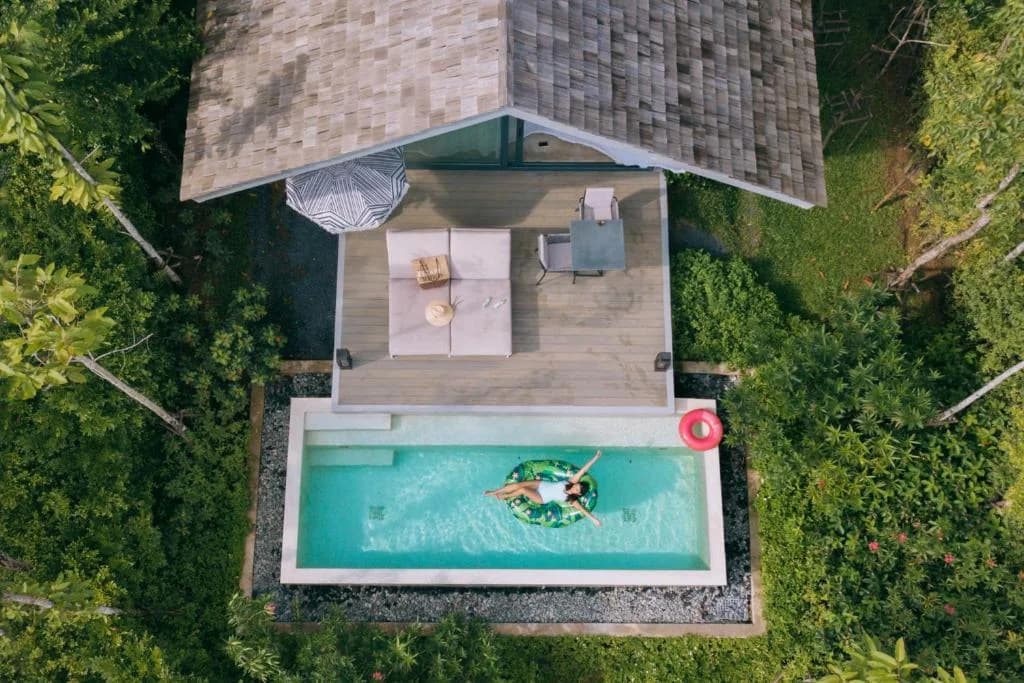
The defining typology of the island's top tier is the overwater bungalow or overwater villa, a form pioneered in French Polynesia in the late 1960s and refined over subsequent decades into an increasingly sophisticated architectural product. At the upper end of the market, these structures are substantial: private decks with direct lagoon access, glass floor panels for viewing marine life below, outdoor bathing facilities positioned above the water, and interiors that draw on both contemporary resort design and the thatched, woven-material aesthetic of traditional Polynesian construction.
The best luxury suites on the island add meaningful spatial separation between living, sleeping, and bathing zones; private plunge pools or oversized soaking tubs positioned over the water; butler service that operates with discretion rather than intrusiveness; and kitchen or kitchenette facilities for guests who prefer private dining. A number of properties also offer beach villas on the motu itself for travelers who require direct sand access alongside overwater positioning.
A practical note on construction: the coral ecosystem beneath overwater structures is a regulated zone in French Polynesia. Responsible properties are built on stilts that minimise reef contact and participate in marine conservation programs. This is not a minor consideration for guests who value ecological coherence alongside physical comfort.
How to choose the best suite in Bora Bora: practical considerations
Several variables deserve careful attention when selecting a luxury suite on the island. First, the direction the suite faces: east-facing suites receive morning light directly over the lagoon, while west-facing suites are positioned for sunset. Both orientations are deliberately designed and neither is a compromise; the choice depends on personal rhythm.
Second, the depth and clarity of water beneath the suite: some overwater structures are positioned over shallower coral gardens where reef fish are visible from the deck; others are positioned over deeper channels where the water appears darker and the swimming experience is different. A curated source will have this information; a generic booking platform rarely will.
Third, accessibility: Bora Bora is reached by air via Tahiti (Faa'a International Airport), with a connecting flight of approximately 45 minutes to Bora Bora Airport on Motu Mute. Properties on the motus require a further boat transfer, typically operated by the hotel. Journey planning from international departure points should account for this layered arrival sequence, which can add six to eight hours to total travel time depending on connections through Los Angeles, Tokyo, or Paris.
Fourth, the degree of isolation desired: some properties offer high-density overwater villa configurations where adjacent suites are within clear sightline. Others are designed around strict visual privacy, with meaningful separation between structures. For guests prioritising complete seclusion, this distinction matters considerably.
Why a curated selection by La Suite makes a material difference here
Bora Bora occupies an unusual position in the luxury travel landscape: it is one of the most photographed and aspirationally referenced destinations in the world, yet the actual range of properties on the island is relatively contained. This means the decision is not about filtering a vast inventory but about understanding genuine qualitative differences between a small number of highly developed properties.
Those differences are real and consequential. The variation in suite quality, spatial generosity, service culture, and ecological positioning between properties on the island is significant. Without access to precise, current, and editorially independent information, the selection process defaults to brand recognition or marketing imagery, neither of which reliably predicts the actual experience.
La Suite applies a consistent curatorial standard across this selection: properties are assessed on architectural quality, suite-specific spatial criteria, service depth, and the coherence between what is presented and what is delivered. The curated selection by La Suite for Bora Bora is intentionally compact, reflecting the island's own scale and the elevated threshold required to meet the platform's standards.