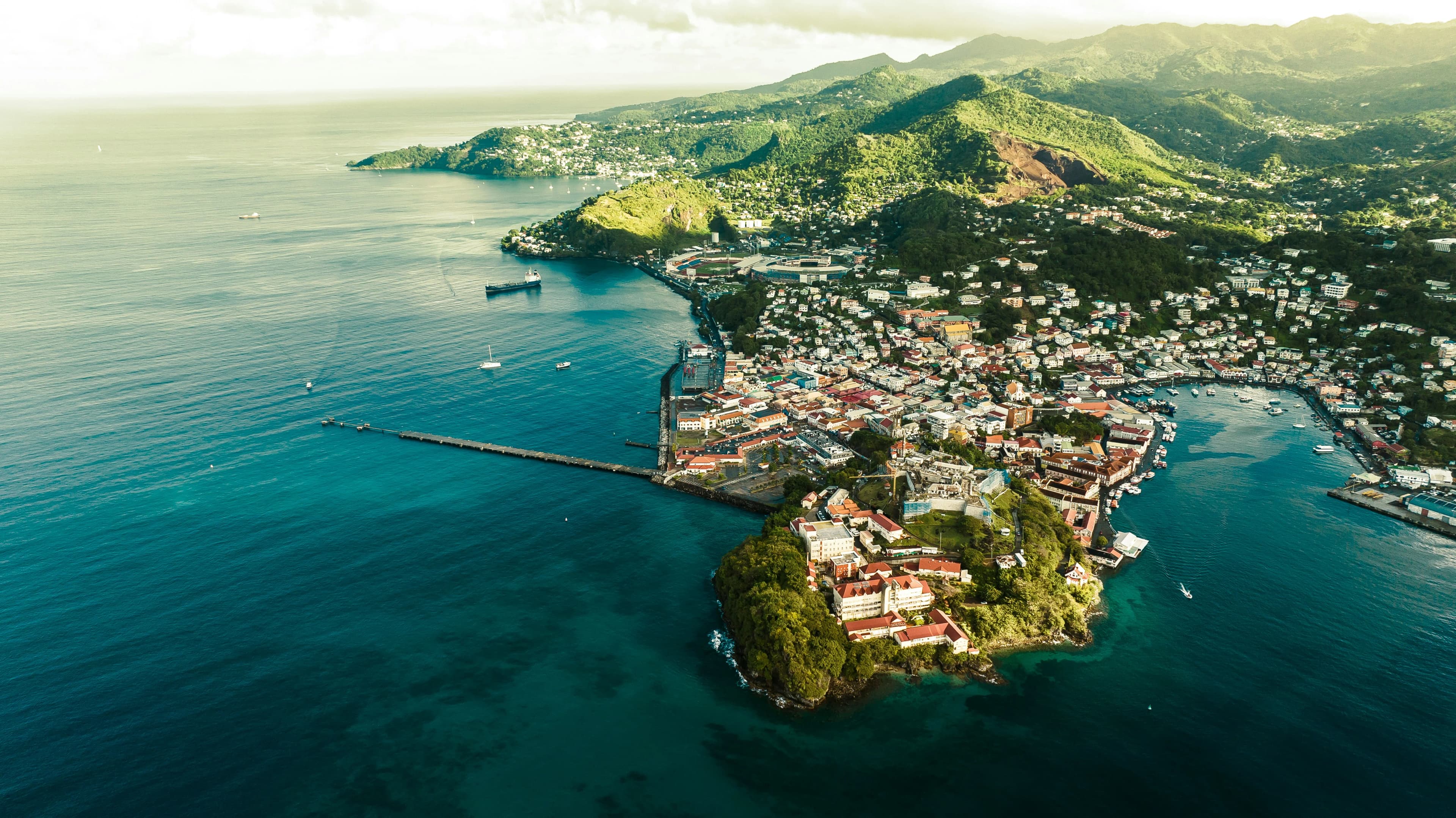
Understanding Saint-Georges as a luxury destination
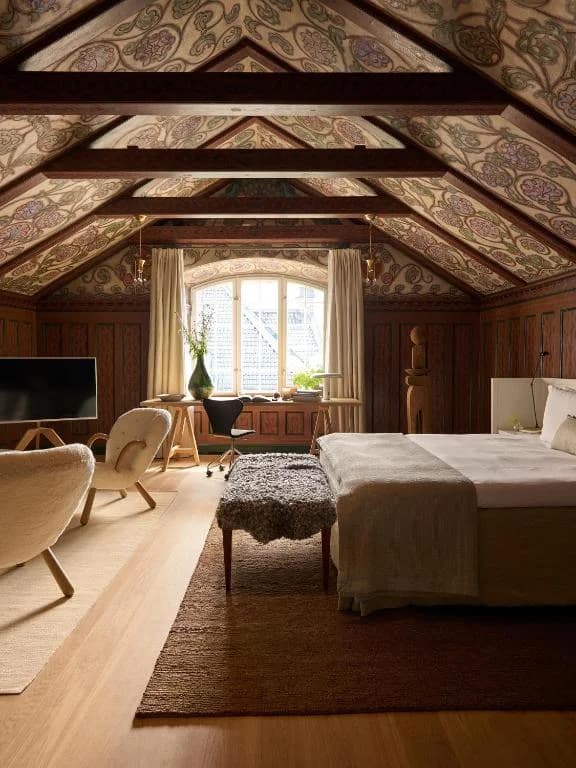
Because the number of high-end properties in Saint-Georges proper is deliberately limited, the suites that do exist here tend to be intimate and architecturally specific. Travellers who choose this destination are not seeking scale. They are seeking authenticity calibrated to a very high standard of comfort.
Best areas to stay in and around Saint-Georges
The Carenage and the inner harbour district
The Carenage is the inner harbour road that loops around the port, lined with low commercial buildings painted in ochre, terracotta, and pale yellow. Properties positioned near or above this area give guests direct access to the rhythm of the town: the fish market, the schooners arriving from neighbouring islands, the daily commerce that makes Saint-Georges feel genuinely inhabited. Suites with harbour views in this zone offer a visual experience that is architectural rather than purely scenic.
The ridge above town and the Fort George promontory
The hills rising immediately behind the Carenage provide elevation and privacy. Properties built into these ridgelines benefit from prevailing trade winds, sweeping views across the harbour and out to the Caribbean Sea, and a separation from street-level noise that makes them especially suited to guests seeking quiet. The proximity to Fort George adds a historical dimension to any stay in this zone.
Grand Anse corridor (south of the capital)
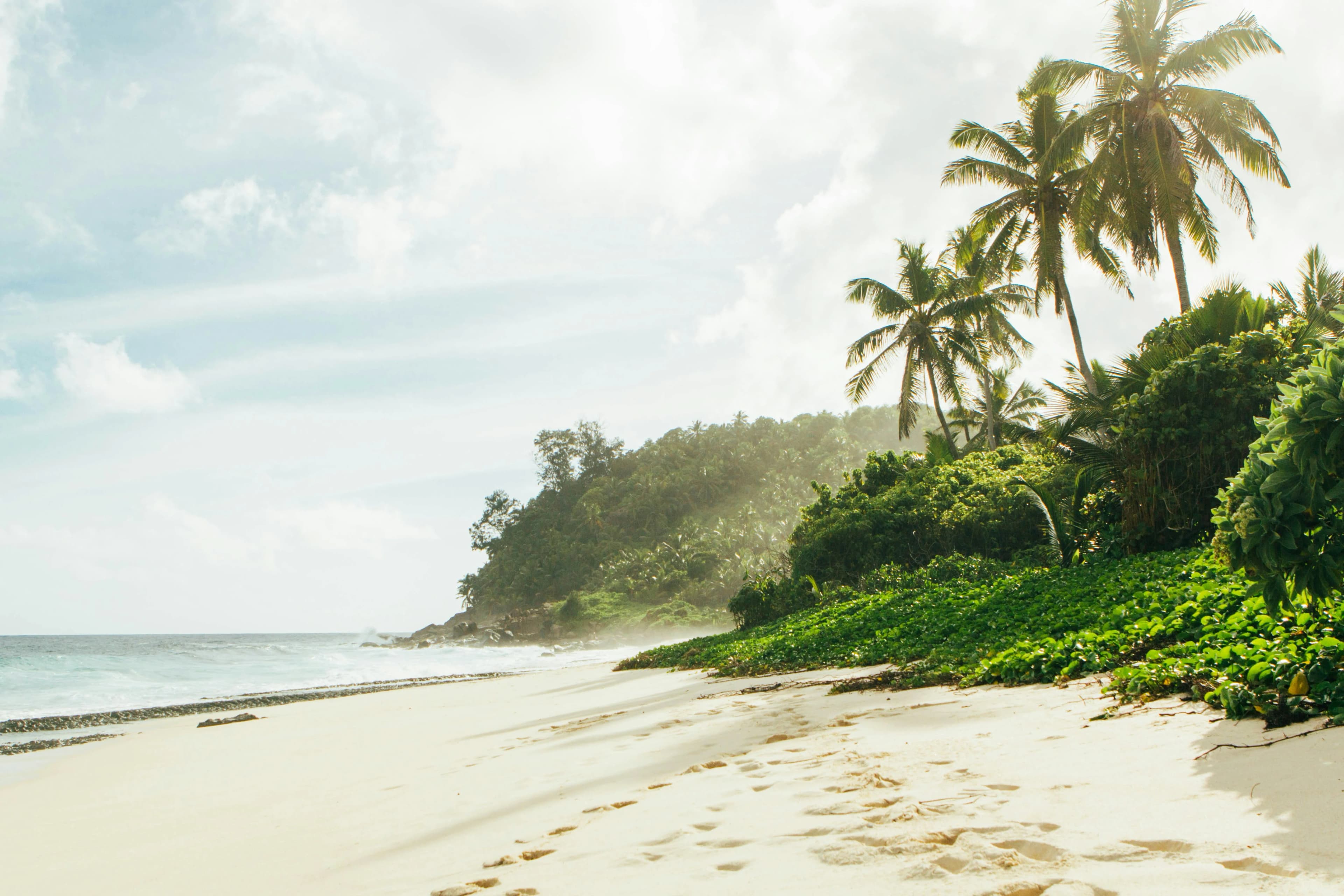
While technically outside Saint-Georges itself, the Grand Anse area begins immediately south of the capital and is commonly considered part of the same travel zone. It is home to Grenada's longest beach and the majority of the island's higher-end accommodation. Travellers who want beach access alongside cultural proximity to the capital often position themselves here, within a short drive of the Carenage.
When to visit Saint-Georges for a luxury suite stay
Grenada's dry season runs from January through May, and this period represents the most straightforward time to visit. Temperatures are consistent, rainfall is minimal, and the sea conditions are generally calm. Suite availability is at its most competitive between late December and mid-April, which corresponds with peak Caribbean travel demand. Booking well in advance is advisable for this window.
The Grenada Sailing Festival, held in late January and early February, draws a sophisticated international crowd and creates additional pressure on premium accommodation. The Spice Mas carnival, staged in August, is a cultural event of considerable local significance and takes place during the shoulder season when some travellers may find better value in suite rates.
The hurricane season officially runs from June through November, with the highest risk concentrated between August and October. Grenada sits at the southern edge of the hurricane belt and has historically been less exposed than islands further north, though this consideration should factor into travel planning and insurance decisions.
Local luxury standards: what to expect from high-end suites in Grenada
Grenada does not have a government-enforced luxury classification equivalent to France's Palace designation or Italy's five-star gran turismo category. Quality assessment here relies more on independent international ratings, affiliation with global luxury travel networks, and the reputation built through editorial coverage and repeat clientele.
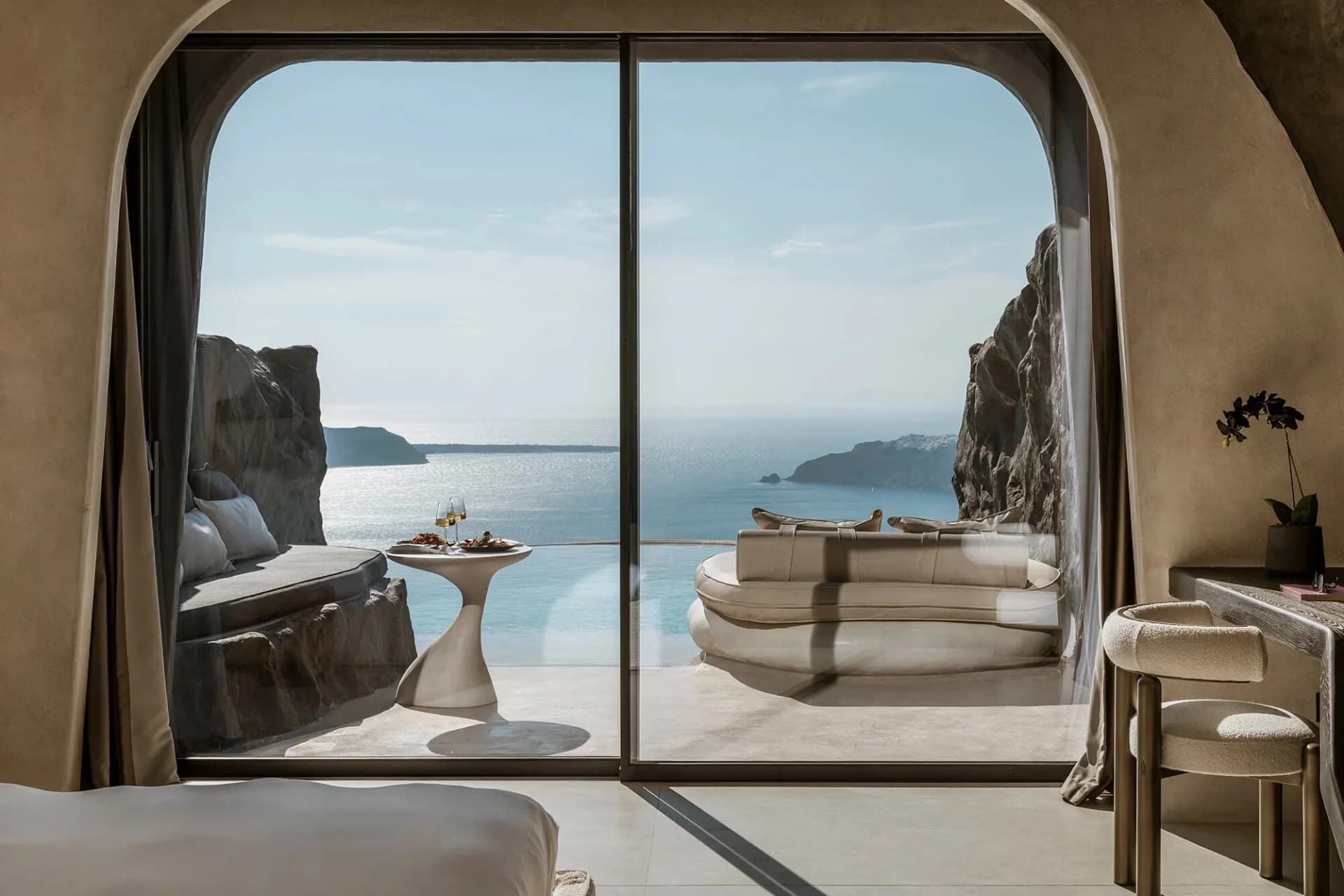
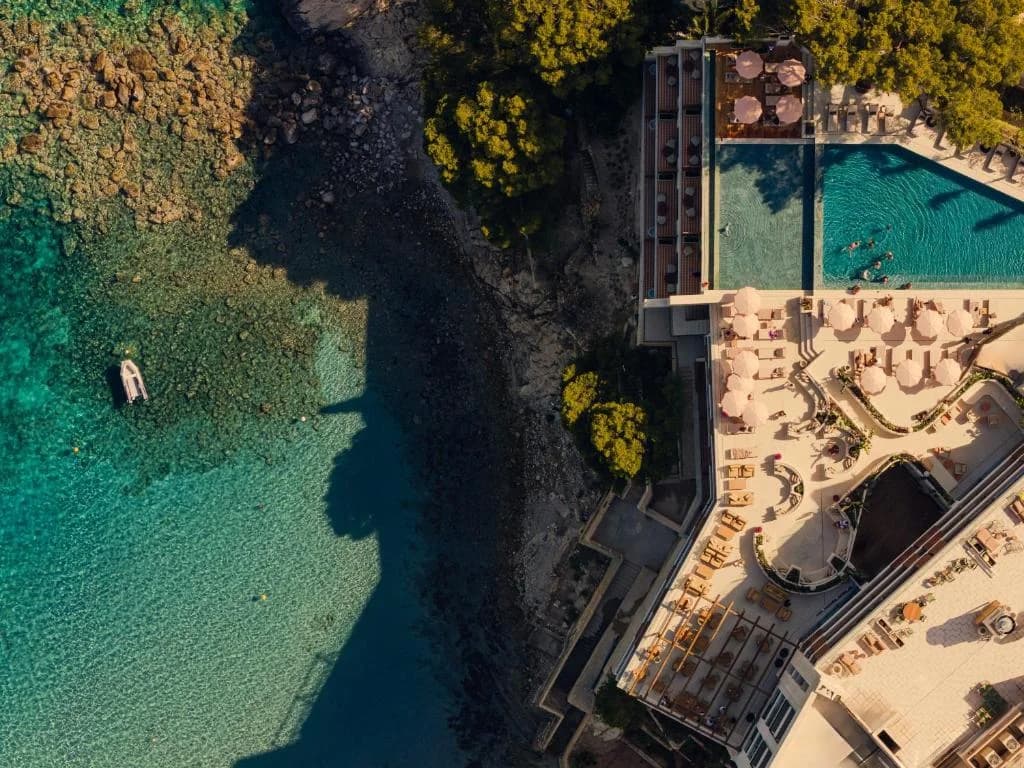
The finest suites in and around Saint-Georges tend to reflect one of two architectural sensibilities. The first is the colonial plantation house adapted for contemporary hospitality: high ceilings, louvred shutters, local hardwood floors, and a design vocabulary rooted in the island's history. The second is a more contemporary Caribbean modernism, characterised by open-plan living spaces, seamless indoor-outdoor transitions, and a material palette drawn from the volcanic landscape.
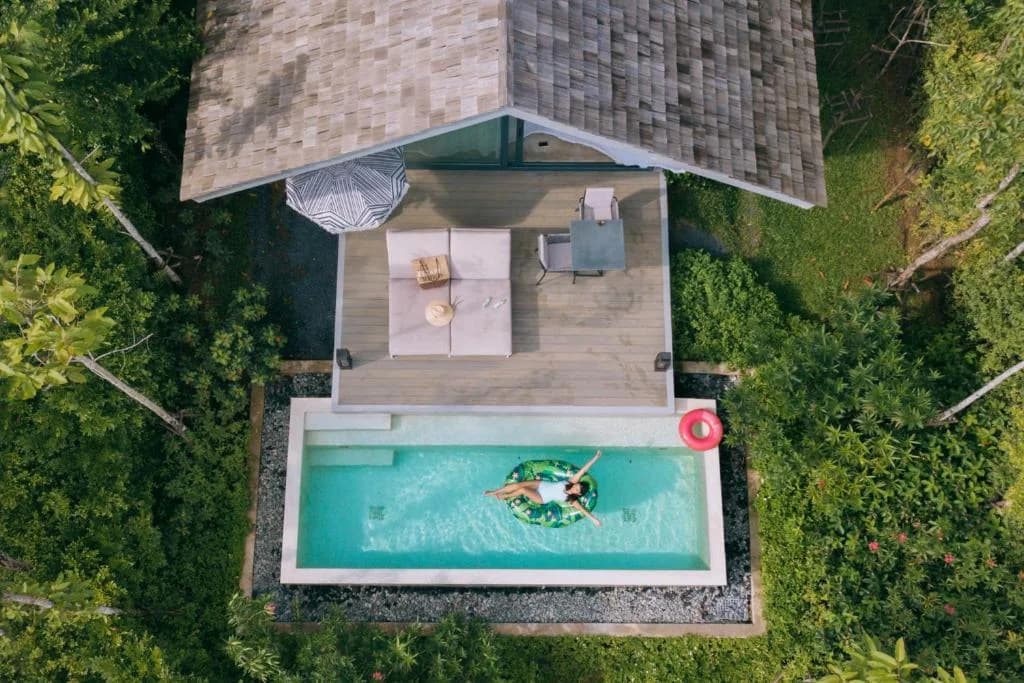
Expect top-tier properties to offer private plunge pools or direct sea access, butler service, and menus that incorporate locally grown produce including the nutmeg, mace, cinnamon, and cocoa for which Grenada is internationally recognised. The island's status as one of the world's leading nutmeg producers is not incidental to the luxury experience here. It permeates the food, the beverages, and in some properties, the spa treatments.
How to choose the best luxury suite in Saint-Georges
Harbour-facing or hillside orientation
This is the primary spatial decision for Saint-Georges suite guests. Harbour-facing suites offer the kinetic pleasure of watching the port operate, but may carry ambient noise from the Carenage road. Hillside suites prioritise silence and panoramic perspective. Neither is objectively superior; the choice depends on how the guest intends to use their suite during the day.
Size of property and guest-to-staff ratio
In a destination with limited high-end inventory, boutique properties with fewer than thirty rooms typically deliver a more personalised experience. The guest-to-staff ratio in Grenada's top properties is a meaningful quality indicator, particularly for guests who expect anticipatory service rather than transactional hospitality.
Access to the wider island
Saint-Georges serves as the logical base for exploring Grenada's interior, including the Grand Etang rainforest and the island's network of spice estates. A suite positioned in or adjacent to the capital allows for day excursions without the logistical overhead of relocating accommodation. Guests who prioritise island exploration should factor this connectivity into their property selection.
Why a curated selection by La Suite improves the decision
Saint-Georges and its surrounding area present a relatively concentrated set of high-end options, which might suggest that selection is straightforward. In practice, the range of quality within the premium tier is significant, and the difference between a well-positioned luxury hotel suite and a property that merely carries a high price point is not always visible in standard booking platforms.
La Suite applies consistent editorial criteria across every property in its selection: spatial quality of the suite itself, the coherence of the architectural identity, the calibre of service infrastructure, and the degree to which the property connects its guests to the specific character of Grenada rather than delivering a generic Caribbean template. For a destination where the best properties are deliberately understated in their marketing, independent curation is the most reliable navigation tool available to the discerning traveller.